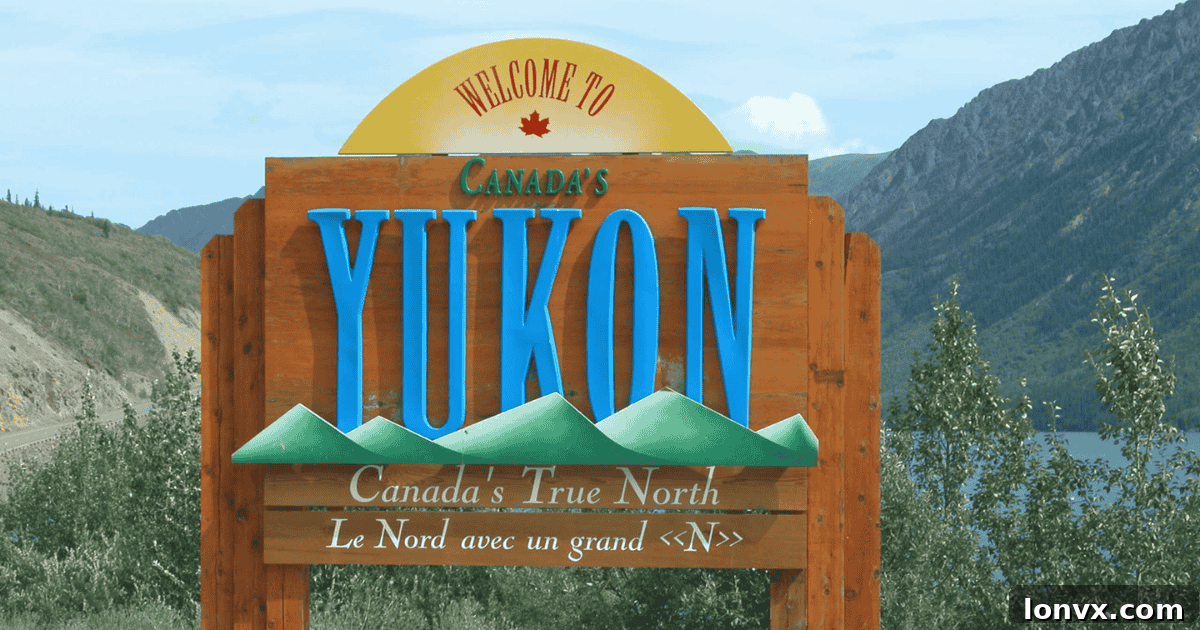
“What a night and what a result!” declared newly elected Yukon Premier Currie Dixon in his triumphant victory speech earlier this month. The political landscape of the Yukon experienced a seismic shift on November 3rd during its recent territorial general election. Voters decisively turned away from the long-established Liberal party, leading to what Coldwell Banker real estate agent Jacklyn Stockstill, a former Yukon Real Estate Association director based in the capital city of Whitehorse, termed an “obliteration” by Dixon’s right-leaning Yukon Party. This outcome marked a clear mandate for change from the territory’s electorate.
Stockstill, who herself was among the many Liberal candidates who unsuccessfully sought to represent their constituencies, had aimed to leverage her extensive real estate experience. Her objective was to advocate for robust policies designed to strengthen Yukon communities, enhance housing options, and address the territory’s growing urban challenges. The Liberal government had held power for the preceding nine years, presiding over a period of significant population growth and increasing pressures on infrastructure and services. However, Yukoners signaled their clear desire to abandon the status quo and embrace a new direction.
Housing, Affordability, and Safety: Top Priorities for Yukon Voters
Currie Dixon officially assumed the office of the territory’s 12th premier on November 22nd, achieving the distinction of being the first premier born and raised within the Yukon. His majority government has pledged an ambitious agenda focused on getting the territory’s critical housing market and broader economy “back on track.” Throughout the intense election campaign, several key issues dominated public discourse and voter concerns. These included the pressing challenges of housing affordability and the severe shortage of housing supply, the ever-increasing cost of living across the territory, the need for improved access to healthcare services, enhancing community safety and security, and a concerted effort to revitalize and clean up Whitehorse’s downtown core.
“There are serious challenges ahead,” Dixon acknowledged, underscoring the complexity of the tasks facing his administration. He firmly believes that the Yukon government, which holds substantial control over vast tracts of land within the territory, must strategically “get out of the way” of the private sector. By reducing bureaucratic hurdles and fostering a more welcoming regulatory environment, Dixon aims to create optimal conditions for the sustainable growth and expansion of private industry. “Voters wanted change to address our housing crisis,” he reiterated after his electoral triumph, pinpointing the housing challenge as a primary driver of the political shift.
From the perspective of experienced real estate professionals like Jacklyn Stockstill, the current Yukon market is characterized by intense competition and escalating costs, largely fueled by severely limited inventory. Her on-the-ground observations as a Realtor reinforce the urgent need for a significant shift in the prevailing gridlock within both the housing purchase and rental markets. The demand far outstrips supply, pushing prices beyond the reach of many residents and newcomers alike, creating significant social and economic strain within the community.
Rapid Population Growth Fuels Unprecedented Demand for Yukon Housing
“It’s hard to keep up. Our population is growing, but the government isn’t getting enough housing out there,” Stockstill lamented, encapsulating the core of the territory’s housing predicament. Indeed, the Yukon has experienced robust demographic expansion over the past few years. According to Statistics Canada, the territory’s population, now exceeding 48,000 residents, has for the first time in modern history surpassed that of the Northwest Territories. This impressive growth, while a testament to the Yukon’s appeal, has placed immense pressure on existing infrastructure and housing stock.
The vast majority of Yukoners reside in Whitehorse, the territory’s sole city and its economic and administrative hub, with other communities being smaller towns or villages scattered across the expansive landscape. Whitehorse has distinguished itself as one of the fastest-growing municipalities in Canada, attracting individuals and families through a confluence of factors. These include significant international migration, abundant job opportunities particularly in thriving sectors like mining, a burgeoning tourism industry, and stable government services. Beyond economic incentives, the allure of a desirable frontier-style work-life balance, set amidst an unparalleled backdrop of unmarred natural beauty, draws many to the “wilderness city.”
“People come to visit and wind up staying,” Stockstill observes, highlighting the magnetic charm of the region. “It’s magical. Whitehorse is called the wilderness city for a reason. There are trails everywhere. You can hike on your lunch break, offering an incredible connection to nature right at your doorstep. The endless summer sun and the ethereal northern lights are simply amazing. We even have a vibrant festival culture that helps us get through the winter months, fostering a strong sense of community. It’s truly a good community here, offering a unique blend of adventure and belonging.” This vibrant lifestyle, combined with economic opportunity, underpins the territory’s rapid population influx, intensifying the demand for residential properties.
Land, Climate, and Unique Governance Structures Shape Yukon’s Development Landscape
A significant demographic feature of the Yukon is its Indigenous population, which accounts for almost 25 percent of the territory’s total residents. The Yukon stands apart from many other Canadian jurisdictions due to its advanced First Nations’ self-governance agreements. These landmark agreements grant Indigenous communities substantial control over land use planning and development within their traditional territories. “We’re ahead of most of the rest of the country in that,” Stockstill proudly states, emphasizing that “It’s one of the most unique things about the Yukon.” This collaborative approach to land management, while complex, ensures a more inclusive and culturally sensitive development process.
Despite its subarctic climate, the Yukon often surprises newcomers with weather that can be milder than anticipated, earning the territory the affectionate nickname “sourdough” for anyone who has successfully navigated a winter there. This evocative term dates back to the iconic Klondike Gold Rush era, when prospectors ingeniously made bread using sourdough starter cultures, carefully kept close to their bodies to prevent freezing. Remarkably, some of these original starter cultures are said to be still alive and thriving today, more than 125 years later, meticulously passed down through generations—a true testament to the Yukon’s enduring spirit and resourcefulness.
From a construction perspective, the Yukon offers distinct advantages compared to other northern regions. “Unlike in the Northwest Territories, digging a foundation here isn’t a problem — we can have basements,” Stockstill explains. This capability, largely due to different permafrost conditions and soil compositions, means that conventional building practices are more feasible, allowing for more diverse and cost-effective housing designs than might be possible in regions with more challenging ground conditions.
Slow Land Release and High Building Costs Create Persistent Bottlenecks in Housing Development
Despite the available land and favorable foundation conditions, opening up developable land in the Yukon remains an agonizingly slow process, complicated by a host of interconnected reasons. “It takes so long,” laments Stockstill, who, in response to these systemic delays, is actively working with a builder to facilitate the introduction of more modular housing options. This innovative approach aims to circumvent some of the traditional construction challenges and accelerate the delivery of much-needed housing units.
The building season in the Yukon is inherently brief, constrained by the long, cold winters, typically lasting only from late spring to early autumn. This short window compresses construction timelines and intensifies competition for labor and resources. Furthermore, due to its remote geographical location, the cost of nearly everything—from food (even with subsidies) and utilities to essential construction materials and labor—is exceptionally high. Transportation costs for materials shipped from southern Canada significantly inflate overall project budgets. Adding to these challenges is a persistent shortage of skilled tradespeople, a common issue in remote northern communities, which further drives up labor costs and extends project durations.
Approval processes for development projects are often bogged down in layers of red tape, reflecting the complex governance structure of the territory. With territorial, First Nations, and federal government involvement, navigating the regulatory landscape can be an arduous and time-consuming endeavor. The real estate market itself is intricate, with land transactions handled via a diverse mix of methods. These include public tenders, straightforward fee simple ownership, various leasehold arrangements, and even lottery systems, particularly evident in high-demand areas such as the burgeoning Whistle Bend development in Whitehorse, where competition for available lots is fierce.
Local Re/Max agent Scott Sauer echoes this sentiment, observing, “There’s an incredible amount of land here — a whole territory.” However, he quickly clarifies the paradox: despite the vastness, freehold land specifically designated and readily available for private development is not widely accessible. This scarcity of serviced, developable land is a critical factor contributing to the housing crisis and the escalating property values across the Yukon.
Real Estate Pressures and Key Regulatory Shifts Reshaping the Yukon Market
The real estate community in the Yukon, currently numbering approximately 60 active Realtors and steadily growing, according to data from the Canadian Real Estate Association, finds itself constantly challenged to meet the diverse and evolving demands of its clients. The average house prices across the territory, particularly in Whitehorse, are steep, often exceeding $700,000. This places Whitehorse property values higher than those found in many larger, more established Canadian communities further south, reflecting the unique supply-demand dynamics of the northern market.
The territorial real estate association’s membership practices made significant news last year following an intervention by the Competition Bureau. The organization entered into a consent agreement, committing not to enforce residency requirements on its members. This landmark ruling is widely anticipated to open the market to new competitors, fostering increased competition and potentially bringing more diverse services and expertise to the Yukon real estate sector.
“That created some fuss,” recalls Whitehorse-based Re/Max agent Felix Robitaille, acknowledging the initial impact of the regulatory change. However, he quickly adds, “It’s all dealt with now,” indicating that the industry has adapted to the new landscape. The Yukon is now firmly on its path toward having barrier-free trade in real estate services, aligning with broader national standards for professional mobility and market access.
In addition to these changes, the Yukon has also implemented recent amendments to its Residential Tenancies Act. These legislative updates are specifically designed to establish a clearer, more equitable path for ending tenancies, providing enhanced clarity and protection for both landlords and tenants within the territory’s often tight rental market. Such regulatory adjustments are crucial for maintaining stability and fairness in a rapidly evolving housing environment.
“The Yukon is the Whole Package”: A Land of Opportunity and Unrivaled Lifestyle
Beyond its challenges, Felix Robitaille enthusiastically describes the Yukon as a true “land of opportunity.” He personalizes this sentiment, stating, “I live on 25 acres, 10 minutes from downtown. You don’t get that in bigger centres across the country.” This unique blend of expansive personal space and convenient proximity to urban amenities is a powerful draw for those seeking a different quality of life. The ability to own significant land parcels so close to the territorial capital is a luxury rarely afforded in more densely populated Canadian cities.
With public administration standing as the largest single driver of the Yukon economy, Robitaille notes that the territory’s social programs and comprehensive supports for residents are “second to none.” He candidly describes the system, saying, “For lack of a better term, we’re a welfare state.” This strong social safety net contributes significantly to the high quality of life and community resilience experienced by Yukoners, providing stability and security often envied by those in other provinces.
The Yukon offers an compelling combination of attributes: strong demand for labor, resulting in high salaries, steady job opportunities across various sectors, and a generally relaxed work environment that prioritizes work-life balance. Residents benefit from a great sense of community, fostered by shared experiences and a supportive local culture. The natural environment is equally captivating, with endless daylight hours in summer providing ample time for outdoor adventures, and a fierce, profound beauty that permeates every landscape.
“The Yukon is the whole package,” Robitaille declares, summarizing its multifaceted appeal. He concludes with a powerful metaphor that captures the essence of life in the territory: “Everything is on steroids here.” This vivid description encapsulates the amplified experiences, opportunities, and natural wonders that define the Yukon, making it a compelling destination for those seeking a vibrant, unique, and fulfilling lifestyle in Canada’s North.