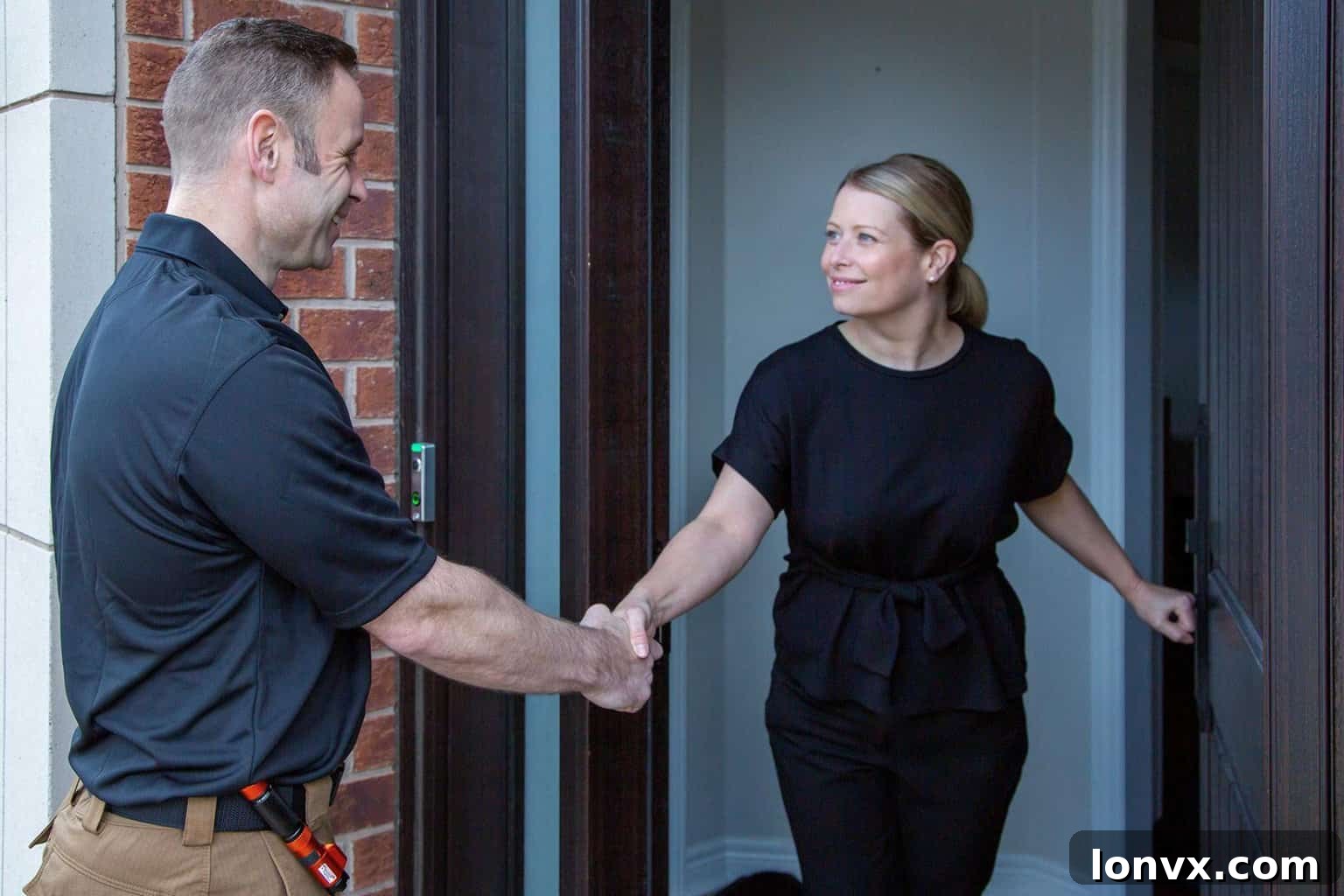
When embarking on the significant journey of buying or selling a home, individuals often find themselves navigating a maze of questions. Typically, their initial inquiries revolve around practicalities: How much will this home inspection cost? How long will the entire process take? And precisely what areas will the inspector scrutinize? While these are undeniably vital starting points, a truly savvy homeowner or prospective buyer understands that the real value of a home inspection extends far beyond these basic logistics. To gain the most comprehensive and up-to-date insights into a property, it’s crucial to engage actively and know which questions to ask, both during and after the inspection.
The journey through a home inspection offers an unparalleled opportunity for learning. Accompanying a qualified home inspector through the property allows clients to witness firsthand what the expert observes. This direct engagement provides a deeper, more nuanced understanding of the home’s condition than simply reading a report later. It illuminates what issues are genuinely serious, what demands immediate attention, and what might be minor concerns requiring only a watchful eye in the future. These distinctions, while detailed in the final report, are often best grasped through direct observation and immediate clarification.
Crucially, a professional home inspection isn’t solely about uncovering problems or deficiencies. It also paints a clear, encouraging picture of what aspects of a home are functioning optimally and are well-maintained. Expert home inspectors serve as invaluable educators, guiding potential buyers through every facet of the property being assessed. Their comprehensive report transcends a mere checklist; it transforms into an essential operational manual for the property. This detailed document meticulously outlines any identified deficiencies, highlights potential safety concerns, pinpoints the locations of crucial system shut-offs, and provides practical, actionable maintenance suggestions, empowering new owners with the knowledge to care for their investment.
By understanding the depth and breadth of what a home inspection offers, and by preparing to ask insightful questions, clients can transform a standard procedure into a powerful tool for informed decision-making and long-term property management. This article will delve into critical questions every client should ask their home inspector once the assessment is complete, ensuring a thorough understanding of their potential new home.
Critical Questions to Ask Your Home Inspector After the Inspection
The home inspection report, while meticulously compiled, can sometimes be dense with technical terminology and detailed observations. To ensure complete understanding and to leverage the inspection fully, preparing a list of follow-up questions is paramount. Here are the top five questions your clients should consider asking after receiving their home inspection report.
1. Can you please clarify this point? I want to ensure I fully understand.
Unless you possess a background in construction or property maintenance, it’s highly probable that certain sections of a home inspection report will contain jargon or descriptions that aren’t immediately straightforward. Concerns about details getting “lost in translation” are entirely valid. Often, the comprehensive report may take up to a day or two to be formally delivered, and the written explanations might differ in phrasing or emphasis from what was discussed in person. As clients review their report, they should meticulously jot down any questions that arise from unclear terminology, ambiguous findings, or points they wish to explore further. Reaching out to the inspector for clarification isn’t just recommended; it’s essential. A clear understanding of every point ensures that potential buyers make decisions based on accurate and complete information, avoiding costly misunderstandings or overlooked critical details. This dialogue helps bridge the gap between technical assessment and practical comprehension, empowering clients to confidently interpret the findings.
2. How significant is this particular issue, and what are its potential implications?
Home inspection reports are renowned for their detailed nature and can often span dozens of pages. Within these extensive documents, various issues are cataloged, ranging from minor cosmetic flaws to significant structural concerns. Discerning the actual severity and potential impact of each identified problem can be challenging for an untrained eye. Therefore, it’s perfectly reasonable—and highly advisable—to ask the inspector directly about the magnitude of any given issue. The inspector can provide crucial context: Is this a minor maintenance item, a moderate repair, or a critical flaw that demands immediate attention and could significantly impact the property’s value or safety? It’s important to remember that while the inspector can advise on severity, they are typically not qualified to recommend whether a seller should be responsible for fixing something, nor can they engage in contractual negotiations. Their role is purely objective: to assess the property’s condition and inform. They can, however, offer a professional opinion on whether a problem is severe enough to warrant a buyer pausing their purchase decision or seeking further evaluations. This insight is invaluable for budgeting potential repair costs and understanding the true “health” of the home.
3. Do I need a specialist to further examine this issue? If so, what type of specialist?
A home inspector is a generalist by profession. They possess a broad and comprehensive understanding across all major systems and components of a home, enabling them to identify a wide array of existing problems and potential concerns. However, it’s unrealistic to expect them to be experts in every single area of home repair and construction, such as intricate HVAC systems, complex electrical wiring, or deep structural engineering. Their expertise lies in spotting red flags and anomalies that suggest a deeper problem might be present. When such an issue is identified, the inspector should be able to determine and advise whether an expert specialist—such as a structural engineer, a licensed electrician, a certified plumber, a roofing contractor, or an HVAC technician—should be called in for a more in-depth assessment. Following these recommendations is critical, as a specialist can provide a definitive diagnosis, estimate repair costs accurately, and outline the necessary scope of work, all of which are vital for informed decision-making during the purchase process. This guidance ensures that no stone is left unturned when evaluating a property’s condition.
4. Is this problem typical for a home of this age, type, or in this region?
Understanding the context of a problem can significantly alter how it is perceived and acted upon. A home inspector, with their extensive experience evaluating numerous properties, possesses a unique perspective on what constitutes “normal wear and tear” versus a genuine defect. They can offer invaluable insight into whether an issue encountered in the home is a common occurrence given the property’s age, construction type, local climate conditions, or specific materials used. For example, some minor foundation cracks might be typical settlement for an older home in a certain geological area, whereas others could indicate a significant structural concern. Likewise, certain types of moisture accumulation might be common in humid climates if ventilation is inadequate but easily remedied. Asking about the typicality of a problem helps clients calibrate their expectations and distinguish between issues that are simply part of owning an older home and those that are true red flags. This perspective allows buyers to prioritize repairs realistically and budget effectively, preventing unnecessary alarm over minor, expected conditions while highlighting truly significant concerns that demand attention.
5. What issues should I prioritize addressing once I’ve moved in?
The reality of homeownership is that there will almost always be a list of tasks and repairs to tackle, regardless of how thorough the inspection. Even if certain issues aren’t critical enough to hold up a purchase or demand immediate pre-move-in remediation, some will inevitably take precedence over others once the new owners have settled in. The home inspector, having conducted a comprehensive evaluation, is uniquely positioned to help clients prioritize these future repairs. They can categorize issues based on urgency, safety impact, and potential for escalation if left unaddressed. For instance, a leaky roof or a faulty electrical outlet would typically take priority over a cracked driveway or a loose cabinet door. Understanding which repairs are critical for safety and the long-term integrity of the home versus those that can be addressed as part of a longer-term maintenance plan is crucial. This guidance helps new homeowners create a realistic action plan, budget effectively for upcoming expenses, and ensure the property remains safe and functional, protecting their significant investment from day one.
Remember that it’s always better for your clients to engage with their home inspector, asking multiple questions and seeking detailed explanations, rather than attempting to decipher complex technical information on their own. The period during and after a home inspection is an exceptional educational opportunity. It’s the inspector’s professional duty to ensure that homeowners or potential homebuyers are fully equipped to interpret the detailed assessments provided and understand the implications for their property. By asking these crucial questions, clients can gain clarity, make informed decisions, negotiate effectively, and ultimately embark on their homeownership journey with confidence and peace of mind.