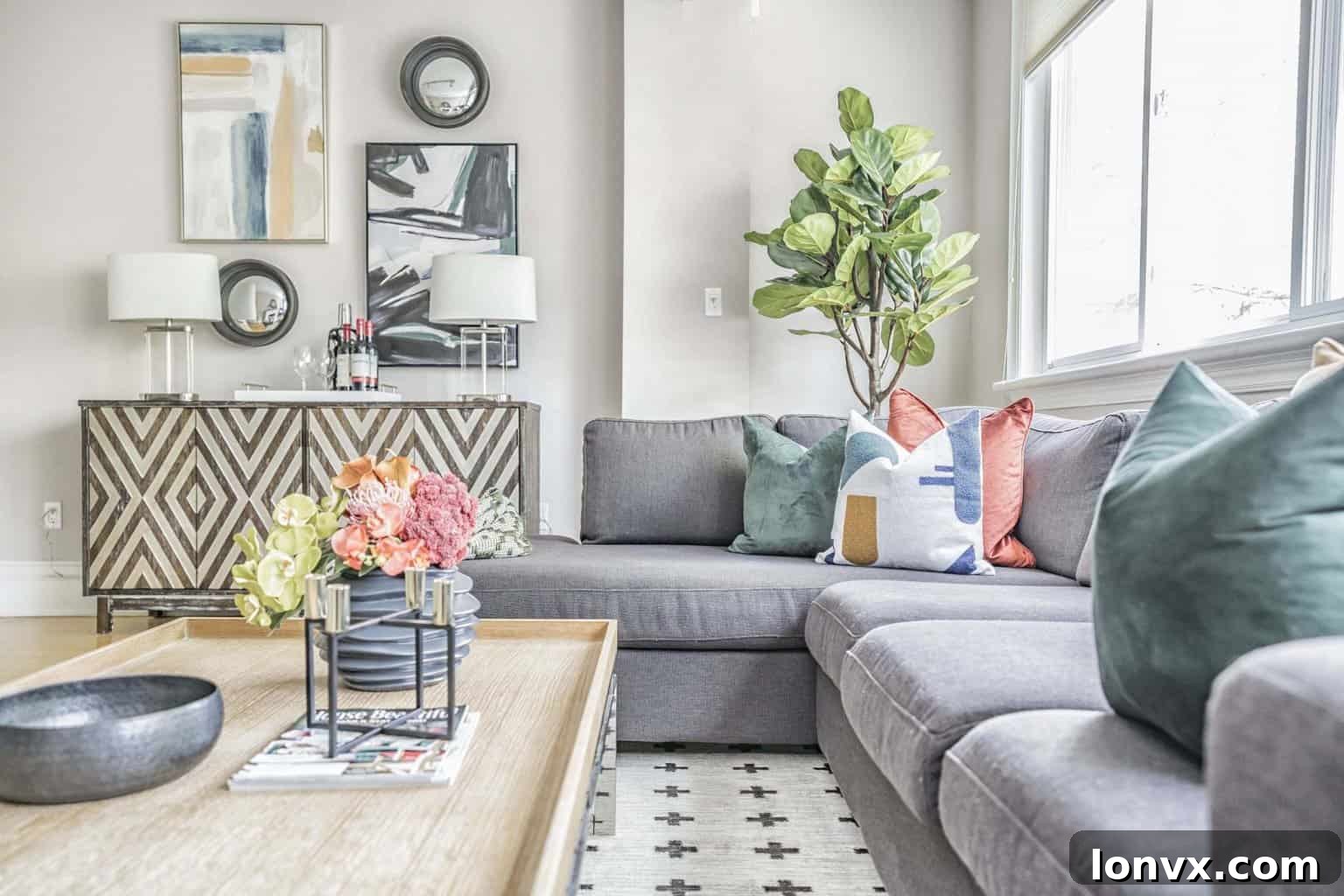
The Ultimate Guide to Home Staging: Sell Your Property Faster and for More
Every seasoned real estate agent understands the transformative power of home staging when selling a property. Far more than just interior decorating, staging is a strategic marketing tool designed to present a residence in its absolute best light, appealing to the widest range of potential buyers. These deliberate, often cost-effective steps don’t just improve aesthetics; they demonstrably lead to quicker sales and command higher prices – the ultimate markers of success for any listing agent. In today’s dynamic and competitive real estate market, a little thoughtful “merchandising” can entirely reshape a listing’s trajectory, drawing in the right audience by crafting a compelling vision of a desired lifestyle.
What Exactly is Home Staging? Crafting an Irresistible Vision
At its core, home staging is the art of preparing a private residence for sale in the real estate market. It involves a methodical process of depersonalizing, decluttering, repairing, and carefully arranging furniture and decor to make a home universally appealing to the largest number of prospective buyers. It’s about creating an aspirational environment, allowing potential homeowners to envision their own lives unfolding within the space. Staging helps to clearly define each room’s purpose, highlights the property’s most desirable features, and skillfully downplays any less attractive aspects. More critically, it dramatically enhances the quality of listing photos and virtual tours – often the first, and most crucial, hurdle in the entire selling process.
The Unrivaled Power of First Impressions: Online and In-Person
In the digital age, the homebuying journey almost invariably begins online. High-quality, professionally staged photos are no longer a luxury but an absolute necessity. Blurred, cluttered, or poorly lit images will instantly deter potential buyers from taking that vital next step: scheduling an in-person showing. A meticulously presented home, captured through captivating photography and engaging virtual tours, acts as an enticing invitation, drawing buyers deeper into the sales funnel. It sparks interest and curiosity, making them want to experience the property firsthand.
Once buyers step through the front door for a showing, the magic of staging truly comes alive. First impressions are formed within mere seconds. A well-staged home fosters an immediate emotional connection, allowing buyers to move beyond seeing “someone else’s house” and begin to imagine placing their own furniture, decorating their own spaces, and building their own memories. It helps them visualize the possibilities and overcome any initial resistance. When a buyer starts mentally arranging their couch, picturing their kids playing in a specific room, or envisioning family gatherings, a professional stager’s job is successfully done. This emotional connection is what ultimately drives a faster, more profitable sale.
With a clear understanding of the ‘why’ behind home staging, let’s now delve into the ‘how.’ Based on years of hands-on experience and proven success, here are my no-fail staging secrets guaranteed to make your property shine its brightest and captivate buyers from the first glance.

My Proven Home Staging Secrets for Maximum Impact and a Quicker Sale
1. Declutter, Depersonalize, and Define: Maximizing Space and Appeal
This foundational step is almost universally required, regardless of whether you’re listing a lived-in or vacant property. Over the years, homes inevitably accumulate an astonishing amount of “stuff.” While these items undoubtedly hold sentimental value for the current occupants, they translate into visual noise, distractions, and perceived limitations for potential buyers. Clutter makes spaces appear smaller, darker, and profoundly disorganized. The transformative effect of removing personal items (like family photos, memorabilia, and religious or political statements), knick-knacks, excessive collections, and anything unnecessary cannot be overstated. You’ll be astonished at how much more spacious, bright, and inviting a home feels once it’s pared down to its essentials. This isn’t just about tidiness; it’s about creating visual breathing room and allowing the home’s true features to emerge.
The same rigorous editing process applies to furniture. Scrutinize every piece with a critical eye: remove anything that is overtly large, bulky, damaged, redundant, or arbitrary. A living room overwhelmed by a massive sectional sofa and two oversized armchairs will feel cramped and uninviting, regardless of its actual dimensions. The goal is to create clear pathways, a sense of effortless flow between areas, and an open, airy feeling. Consider removing at least 20-30% of the existing furniture to achieve this. When it comes to accessories – decorative items like vases, candles, and throw pillows – remember the golden rule: less is unequivocally more. Each accessory should be carefully chosen to enhance the space, add a touch of warmth or sophistication, but never to become the main focal point itself. The furnishings and accessories should excite buyers about the *space* and its potential, not distract them with the items themselves. Think of it as creating a clean, elegantly adorned canvas onto which buyers can project their own dreams and lifestyle.
2. Every Room Tells a Story: Assigning Purpose and Function
One of the most common challenges homebuyers face is picturing themselves living in someone else’s home, or worse, understanding the potential and utility of an empty or vaguely defined space. Help your prospective buyer overcome this hurdle by clearly defining the purpose of each room through thoughtful furnishing and arrangement. An empty room can feel cold, unwelcoming, and leave buyers questioning its utility, leading them to underestimate the home’s value. A room cluttered with miscellaneous items, on the other hand, lacks identity and appears dysfunctional.
As a seller, you likely have a good understanding of your potential buyer demographic. Tailor your staging to appeal directly to them. For example, if you’re selling a single-family home in a suburban area, your primary audience is likely young families, growing families, or individuals with a family-oriented mindset. In such a scenario, that previously ambiguous spare room could be beautifully staged as a charming nursery, a vibrant playroom, a productive home office, or a dedicated family entertainment area. Similarly, a formal dining room, if not frequently used by modern families, might be better presented as a cozy breakfast nook or a versatile flex space, depending on current trends and buyer preferences. Don’t own the necessary furniture for a complete transformation? No problem. You can easily rent high-quality, stylish furniture for the listing and showing period – a flexible and cost-effective solution that, with effective staging, hopefully won’t be for very long!
3. The Art of Attraction: Highlighting Architectural Focal Points
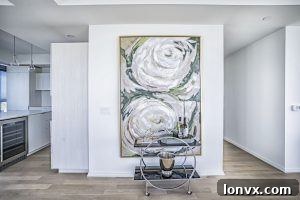
Every room, whether grand or modest, possesses at least one natural focal point – an architectural feature that inherently draws the eye and anchors the space. This could be a majestic fireplace, a grand window offering stunning views, elegant built-in shelving, a unique architectural detail, or even a statement chandelier. Your mission as a stager is to identify this feature and strategically arrange your furniture and decor to emphasize it, creating an inviting visual pathway from the moment a buyer steps into the room. The furniture should “frame” the view towards this focal point, guiding the buyer’s gaze naturally and highlighting the room’s best assets.
What if your room seems to lack an obvious, strong focal point? Don’t despair. Creating one is often simpler and more impactful than you might imagine. The easiest and most affordable way to establish a powerful new focal point is by mounting a large, impactful piece of wall art. To find the ideal spot, stand in the doorway of the room and observe where your eye naturally lands first – that’s your “sweet spot” for introducing a new point of interest. The secret to success here is to go big. A small, delicate piece of art will simply get lost and appear insignificant within the context of the room, failing to make an impression. Oversized art, conversely, makes an immediate, bold statement, grounding the space, adding a touch of sophistication, and creating visual interest. It transforms a blank wall into a captivating conversation starter.
Tip: Beyond size, carefully consider the color palette, style, and overall vibe of the artwork. Does it complement the existing tones in the room? Does it contribute to the mood you are aiming to achieve – be it serene, energetic, sophisticated, or welcoming? The right art piece can significantly elevate the emotional appeal and perceived value of a room.
4. Screen-Free Serenity: The Case Against Prominent Televisions
Televisions have undoubtedly become an ubiquitous and often central piece of technology in nearly every modern home. However, when staging a property for sale, those large, dark rectangular screens can inadvertently become a significant detractor. They have a tendency to visually dominate a room, overshadowing the true architectural focal points you’re working so hard to highlight. A prominent television can instantly ruin the carefully curated aesthetic and overall ambiance you’re trying to create, making a room feel less elegant and more utilitarian. The goal of staging is to create a universally appealing, timeless space that invites buyers to imagine their own lives there, and a large, personal entertainment device often works against that objective, injecting too much of the current homeowner’s personality.
There are, of course, exceptions. If your home boasts a dedicated media room, home theater, or a clearly defined entertainment area specifically designed for screen-based activities, then including a television is not only essential but arguably becomes an appropriate focal point for that specific space. In such cases, ensure the TV is neatly installed, cables are expertly hidden, and the surrounding area is staged for comfort and optimal viewing. However, for general living rooms, bedrooms, or home offices – spaces where buyers should be focusing on the room’s inherent charm, light, flow, and potential – it is almost always advisable to remove the television. This simple act immediately frees up significant visual space, allowing the room’s best features to truly shine and enabling buyers to imagine their own decor choices without distraction from a giant black rectangle.
5. Illuminating Your Home: Maximizing Natural and Artificial Light
Light is a universal language of welcome, spaciousness, and positivity. A bright, airy home feels larger, cleaner, more modern, and inherently more inviting than a dark, dim, or poorly lit one. Maximizing both natural and artificial light sources is absolutely paramount in effective home staging, as it directly impacts a buyer’s perception of the space and their mood within it.
To make the most of your home’s natural light, start with these fundamental steps:
- Crystal Clear Windows: Wash your windows meticulously, both inside and out. Don’t forget to clean the window tracks, sills, and screens. Pristine, streak-free windows allow maximum light to stream in, and they also contribute significantly to a sense of freshness and overall cleanliness, suggesting a well-maintained home.
- Lighten Up Window Treatments: Replace heavy, dark, or dated drapes with sheer curtains, simple light-colored blinds, or contemporary, light-colored ready-made panels. The goal is to allow as much natural light as possible to filter through while maintaining a polished look. In some cases, removing window treatments entirely might be the best option, especially if you have beautiful window frames or an exceptional view to highlight. Avoid making large investments in custom, expensive window treatments, as you typically won’t see a huge return on this specific expense during a sale. The aim is to frame the window elegantly while allowing sunlight to become a dominant feature.
- Privacy with Purpose: While maximizing light, remember to maintain the necessary privacy in intimate areas like bedrooms and bathrooms. Choose treatments for these rooms that offer both light filtration and adequate seclusion, such as frosted films, opaque roller blinds, or double-layered curtains with sheers for daytime and heavier panels for night.
Where natural light may be limited or insufficient, strategically amp up the interior artificial lighting. Layering in additional table lamps, floor lamps, and even wall sconces can dramatically brighten a space and create a warm, inviting ambiance. Ensure all light fixtures have working bulbs of the same color temperature (e.g., all warm white or all cool white) to create a cohesive and pleasant glow throughout the home. Inconsistent bulb temperatures can create a jarring effect. Consider replacing outdated or mismatched light fixtures with more modern, universally appealing options to further enhance the home’s contemporary feel.
Beyond the Interior: Essential Exterior Staging – The Power of Curb Appeal
While interior staging captivates buyers once they are inside, the external appearance of your home creates the very first impression, often even before they step out of their car. This is universally known as “curb appeal,” and it’s absolutely critical for attracting initial interest and setting a positive, welcoming tone. Neglecting the exterior can seriously undermine all your meticulous efforts inside. Imagine a stunningly staged interior, only for the buyer to be greeted by an overgrown, unkempt yard, a peeling front door, or dirty windows – it immediately creates a sense of neglect and doubt about the home’s overall condition.
- Immaculate Landscaping: Ensure your lawn is neatly mowed, edged, and free of weeds. Trim overgrown bushes, hedges, and trees. Plant fresh, vibrant flowers in strategic spots or in attractive planters for a pop of welcoming color and freshness.
- Welcoming Entryway: Your front door is literally the handshake of your home. Clean it thoroughly, touch up any chipped paint, and consider a fresh coat of a universally appealing color. Polish hardware, replace a worn-out doormat with a new, inviting one, and add a seasonal wreath or attractive potted plants to enhance the entrance.
- Cleanliness from the Outside In: Power wash the exterior of your home, driveway, and walkways to remove dirt, grime, and mildew. Clean out gutters and ensure they are free of debris. Make sure all exterior light fixtures are working and clean.
- Minor Exterior Repairs: Address any small, visible repairs such as loose fence pickets, broken patio tiles, cracked windowpanes, or damaged siding. These small details contribute significantly to a well-maintained appearance and convey to buyers that the home has been cared for.
The Final Touches: Creating an Emotional Connection and Lasting Impression
Once the major staging elements are meticulously in place, focus on the subtle details that elevate a house into a home, fostering that crucial emotional connection with prospective buyers and leaving a lasting positive impression.
- Subtle, Pleasant Scents: Avoid overpowering air fresheners, as they can be off-putting or suggest that you’re trying to mask something. Instead, opt for subtle, pleasant, and natural aromas like freshly baked cookies, a light citrus scent from a diffuser, or simply the smell of a very clean home. Cleanliness is often the best scent of all, so ensure any lingering pet odors, cooking smells, or stale scents are completely eliminated.
- Sparkling Cleanliness, Everywhere: This goes beyond just tidying up. Every single surface should sparkle. Deep clean bathrooms and kitchens from top to bottom, paying meticulous attention to grout, fixtures, appliances, and behind furniture. A pristine home suggests meticulous care and provides buyers with a sense of comfort and ease.
- Minor Interior Repairs Matter: Address all those small, nagging repairs you’ve put off: a leaky faucet, a loose doorknob, a chipped tile, a patch of peeling paint, or a sticky drawer. Buyers are surprisingly observant of these imperfections, and they can plant seeds of doubt about the home’s overall condition and suggest that larger, more costly issues might be present.
- Freshness and Life: Add fresh flowers or a bowl of vibrant fruit to key areas. These simple touches bring life and color into a space, making it feel more welcoming and lived-in (in a good way!).
Conclusion: The Undeniable ROI of Professional Home Staging
In a dynamic and often highly competitive real estate market, professional home staging is not merely an expense; it is a critical, strategic investment with an undeniable return. It’s the art and science of presenting a property not just as a structure, but as a desirable lifestyle, allowing potential buyers to see themselves living their best life within its inviting walls. By meticulously decluttering and depersonalizing, clearly defining spaces, accentuating architectural highlights, optimizing both natural and artificial light, and ensuring every detail from curb appeal to closet organization is perfected, staging transforms a house from a mere listing into an irresistible dream home.
The benefits of this thoughtful preparation are clear and compelling: a significantly quicker sale, often achieving a higher price than non-staged counterparts, and a smoother, less stressful selling process for both sellers and real estate agents. A little thoughtful staging can indeed go a very long way, becoming the decisive factor that helps a buyer feel not just interested, but truly “at home.” Don’t just list your property; strategically stage it to sell it, and unlock its full market potential, ensuring you maximize your investment and achieve your real estate goals.