The Evolving Canvas: Unveiling Canada’s Latest Interior Design and Architectural Trends
Canada’s interior design industry, a robust $2.1 billion sector, plays a pivotal role in crafting inviting, comfortable, and functional living spaces across the nation. From bustling urban centers to serene rural landscapes, Canadians deeply value well-designed homes that reflect their lifestyles and aspirations. As with any dynamic field, design and architecture are ever-evolving, with seasons ushering in new aesthetics, innovative materials, and shifting priorities influenced by economic factors, technological advancements, and a growing consciousness towards sustainability. This comprehensive look explores the current design paradigm, key architectural innovations, the increasing focus on eco-friendly practices, and forward-looking predictions for 2025.
Embracing Modernity: The Shifting Landscape of Interior Design
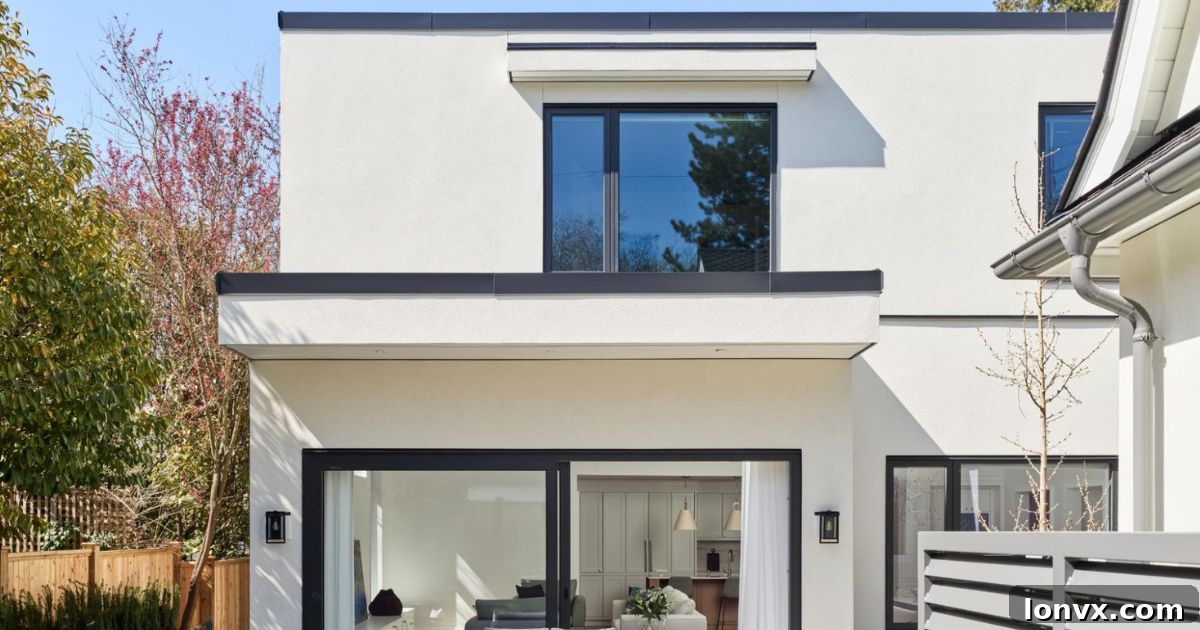
The aesthetic preferences of Canadian homeowners and renters are undergoing a significant transformation. Historically, traditional design elements held sway, characterized by ornate details, rich textures, and classic furniture. However, a noticeable shift towards contemporary design is now reshaping both interiors and exteriors, bringing a fresh, modern sensibility to Canadian homes.
Joy Chao, lead interior designer at Vancouver’s esteemed JHA Architecture + Interior (JHA), observes this evolution, noting that while their firm has traditionally leaned into more classic styles, the recent surge in contemporary demand is “a little unusual.” Many clients initially perceive contemporary aesthetics as potentially cold or austere. However, Chao emphasizes that this perception often changes with increased exposure. “It’s a matter of seeing it more and their eye getting used to it,” she explains. “They’ve discovered you can still feel very comfortable and cozy. The more exposure, the better it looks.” This adaptability in client perception highlights a growing openness to modern styles that prioritize functionality and clean lines.
Daniel Kocur, interior design and capital project manager at InterRent in Montreal, echoes this sentiment, articulating the rise of a “cozy minimalist aesthetic.” This trend is about striking a delicate balance: keeping spaces lively and visually uncluttered while ensuring a welcoming atmosphere. Clients are increasingly seeking “clean” interiors, whether for their private residences or the common areas of multi-unit buildings. Kocur stresses that this desire for simplicity doesn’t equate to starkness. Instead, it’s about thoughtful curation, incorporating “warmth, texture, and layering different materials, colours, and finishes” to create depth and character within a minimalist framework. This approach celebrates essentialism without sacrificing comfort or visual appeal.
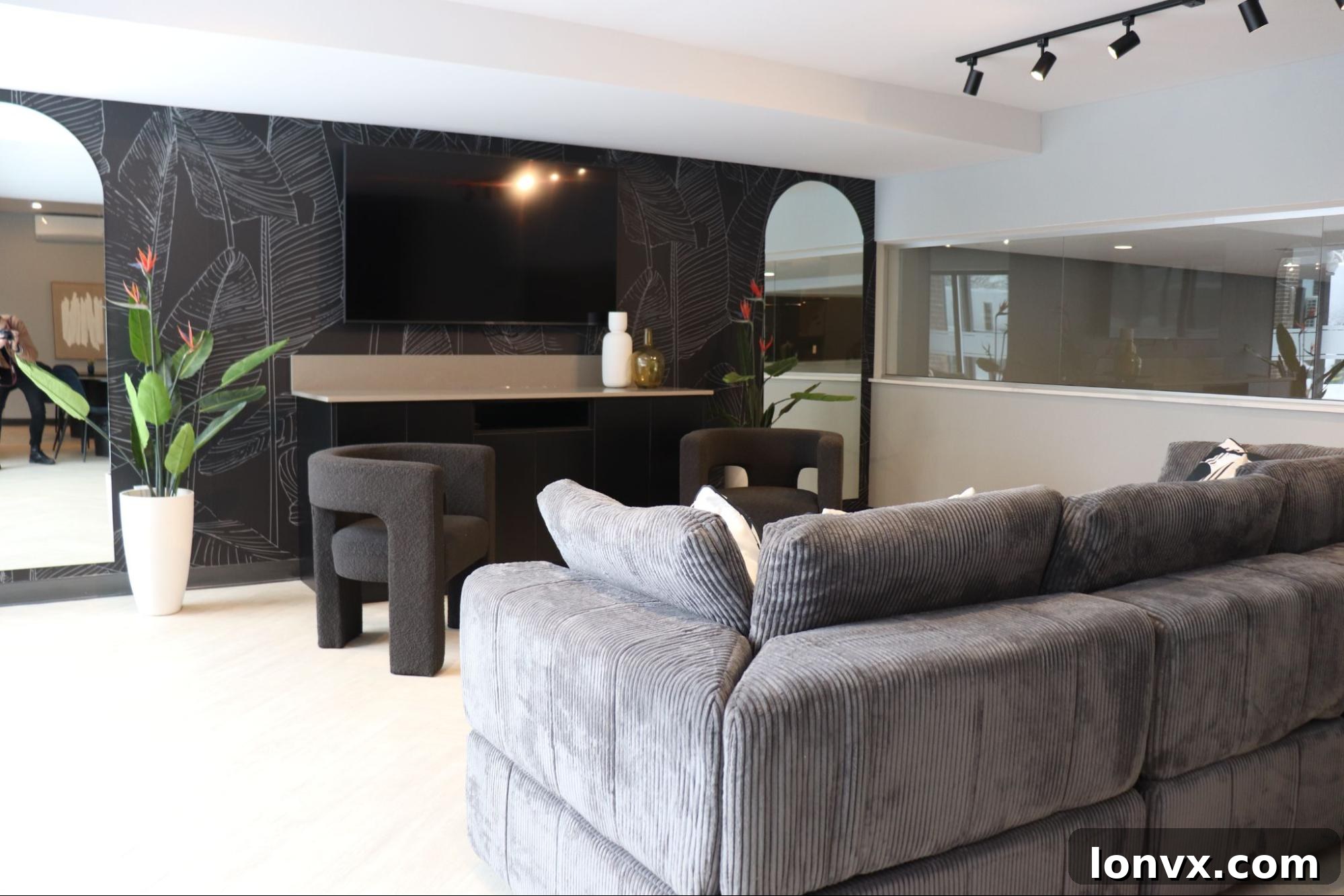
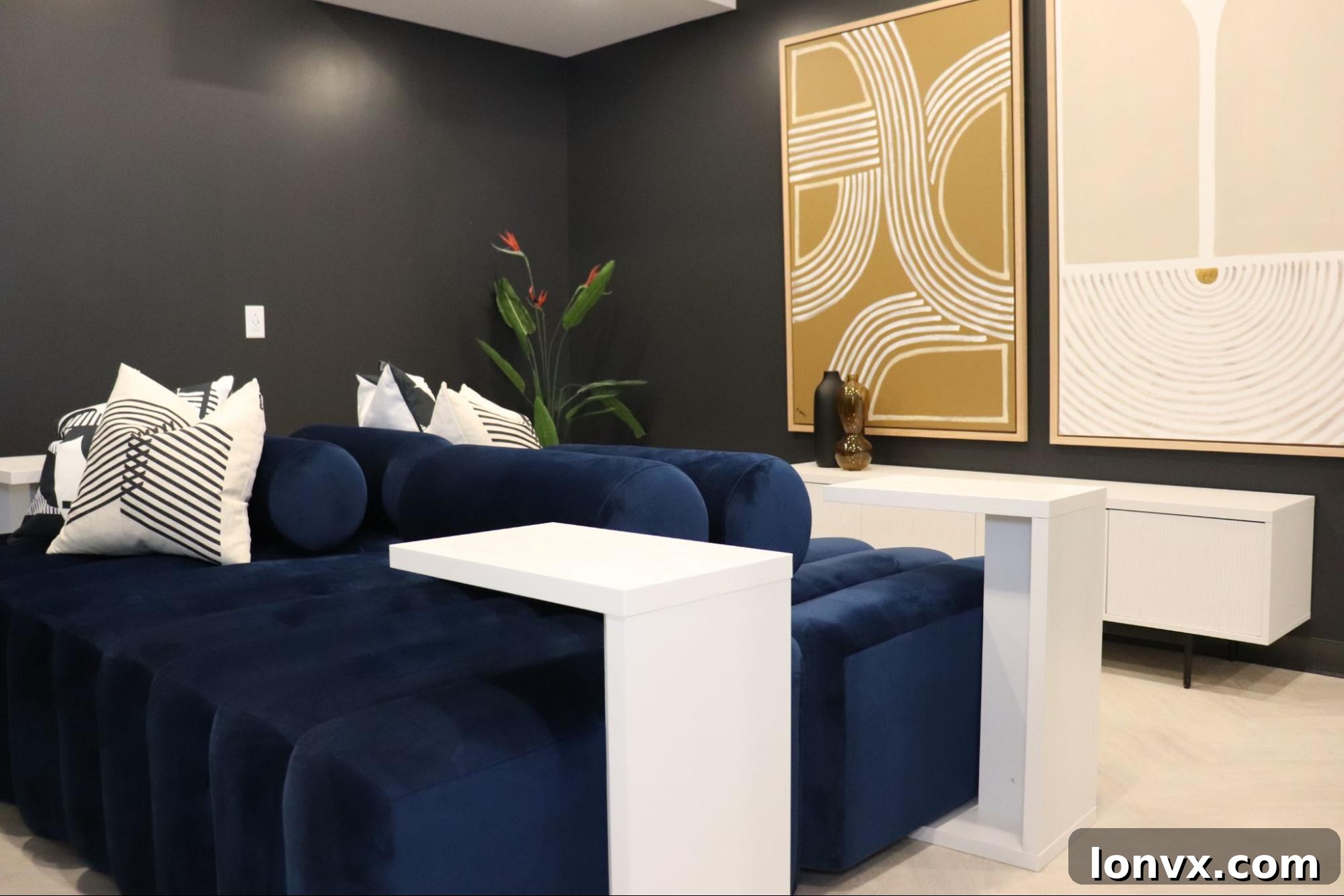
Photos: InterRent
The Imperative of Compact Living Solutions
In Canada’s rapidly growing urban centers, where space is a premium and the cost per square foot for construction continues to climb, multifunctional design has transcended mere trend status to become an absolute necessity. “Compact living is not going anywhere,” Kocur asserts, acknowledging the economic realities that shape contemporary housing development. The focus is on ingeniously maximizing every inch of available space, prioritizing versatility and clever storage solutions. This often manifests in an “out of sight, out of mind” philosophy, where furniture serves multiple purposes, storage is integrated seamlessly, and elements can be tucked away when not in use, maintaining an uncluttered and spacious feel even in smaller footprints.
The challenge for designers and builders is to deliver highly customized solutions while ensuring affordability for clients, especially amidst persistent high construction costs. Kocur highlights the need for creativity: “We’re still experiencing high costs…so you have to be creative to offer the best solution possible.” This creativity extends beyond aesthetics, encompassing smart space planning, material selection, and strategic layout that caters to diverse client needs without exceeding budget limitations. The aim is to deliver bespoke living experiences that feel expansive and luxurious, regardless of the actual square footage.
Pioneering the Future: Architectural Trends and Innovations
Beyond interior aesthetics, the architectural landscape is also witnessing significant transformations, driven by evolving land use patterns, safety concerns, and a demand for enhanced living environments. John Henshaw, principal architect at JHA, identifies a prominent trend this year: the development of multiple homes on a single lot. This approach responds to increasing housing density needs in urban and suburban areas, offering innovative solutions for property utilization and diversified housing options.
Another critical area of evolution lies in exterior building materials. Growing environmental awareness and, notably, the escalating concerns around wildfires—particularly in provinces like Alberta—are directly influencing material choices. Henshaw notes that clients are now actively seeking fireproof exterior cladding. Materials such as stucco or cement board are gaining favor over traditional cedar or other wood sidings, which, while aesthetically pleasing, can pose fire risks and often come with higher price tags. This shift underscores a proactive stance towards safety and resilience in home construction. In a related vein, for similar fire safety reasons, the integration of sprinkler systems is becoming a more common request, reflecting a heightened awareness of property and life protection.
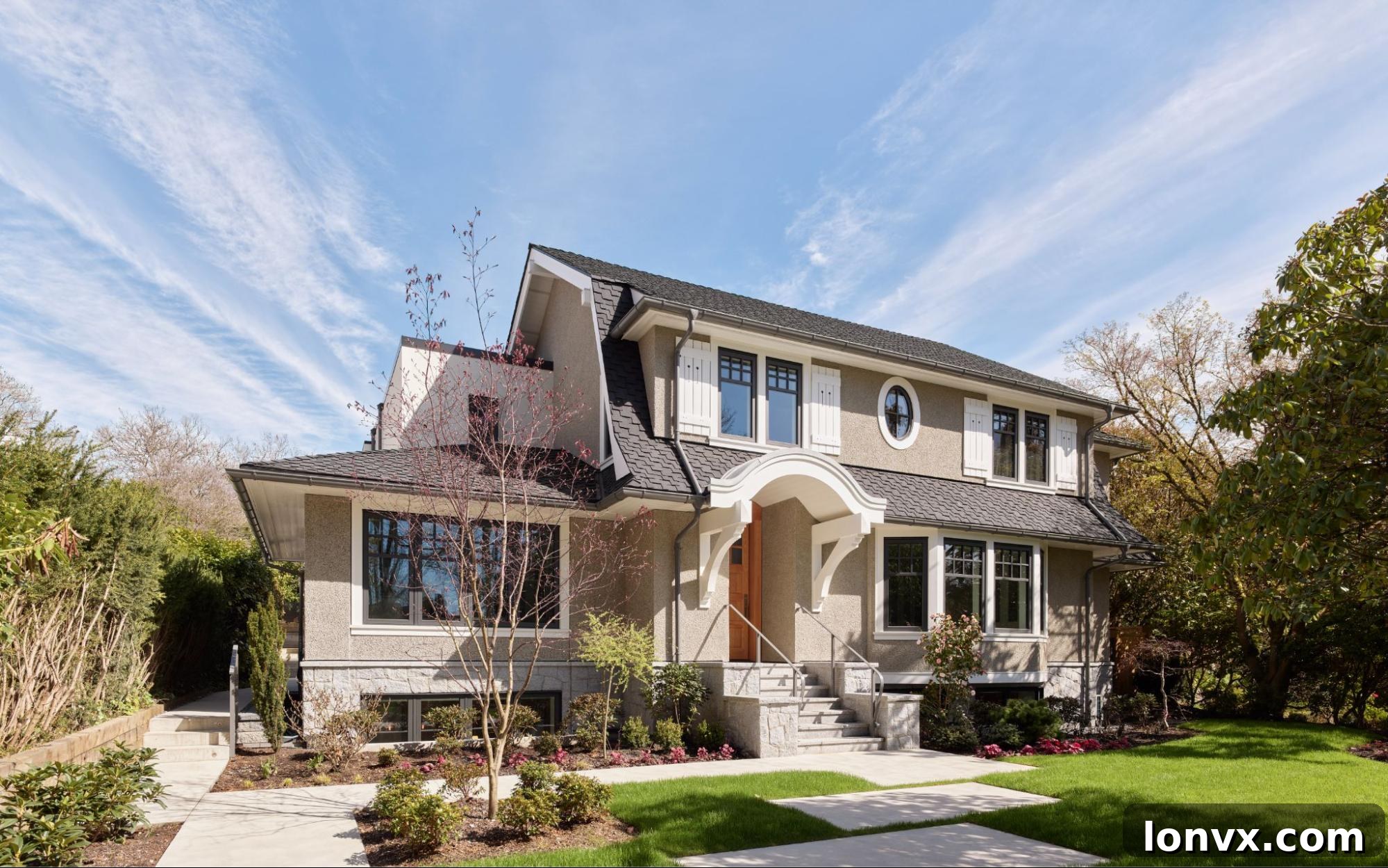
Photo: JHA Architecture + Interior
The Allure of Natural Light and Enhanced Fenestration
A universally desired feature in contemporary homes is abundant natural light. “People want natural light as much as possible,” observes Joy Chao, pointing to a trend of increasingly larger windows. This desire is not merely aesthetic; natural light improves mood, reduces the need for artificial lighting, and can create a more spacious and airy feel. However, integrating larger windows requires careful consideration of energy efficiency. “So the energy rating of the window is really important to us,” Chao explains. In response, firms like JHA are seeing a greater demand for triple-glaze windows, which offer superior insulation and thermal performance, mitigating heat loss in colder climates and heat gain in warmer seasons, thereby maintaining indoor comfort and reducing energy consumption.
The visual impact of these expansive windows also plays a role in defining architectural style. Chao notes that the sleek, uninterrupted lines of large windows naturally complement a more contemporary design aesthetic, aligning perfectly with the overarching trend JHA is observing. This synergy between functionality (natural light, energy efficiency) and aesthetics (modern design) demonstrates a holistic approach to architectural innovation.
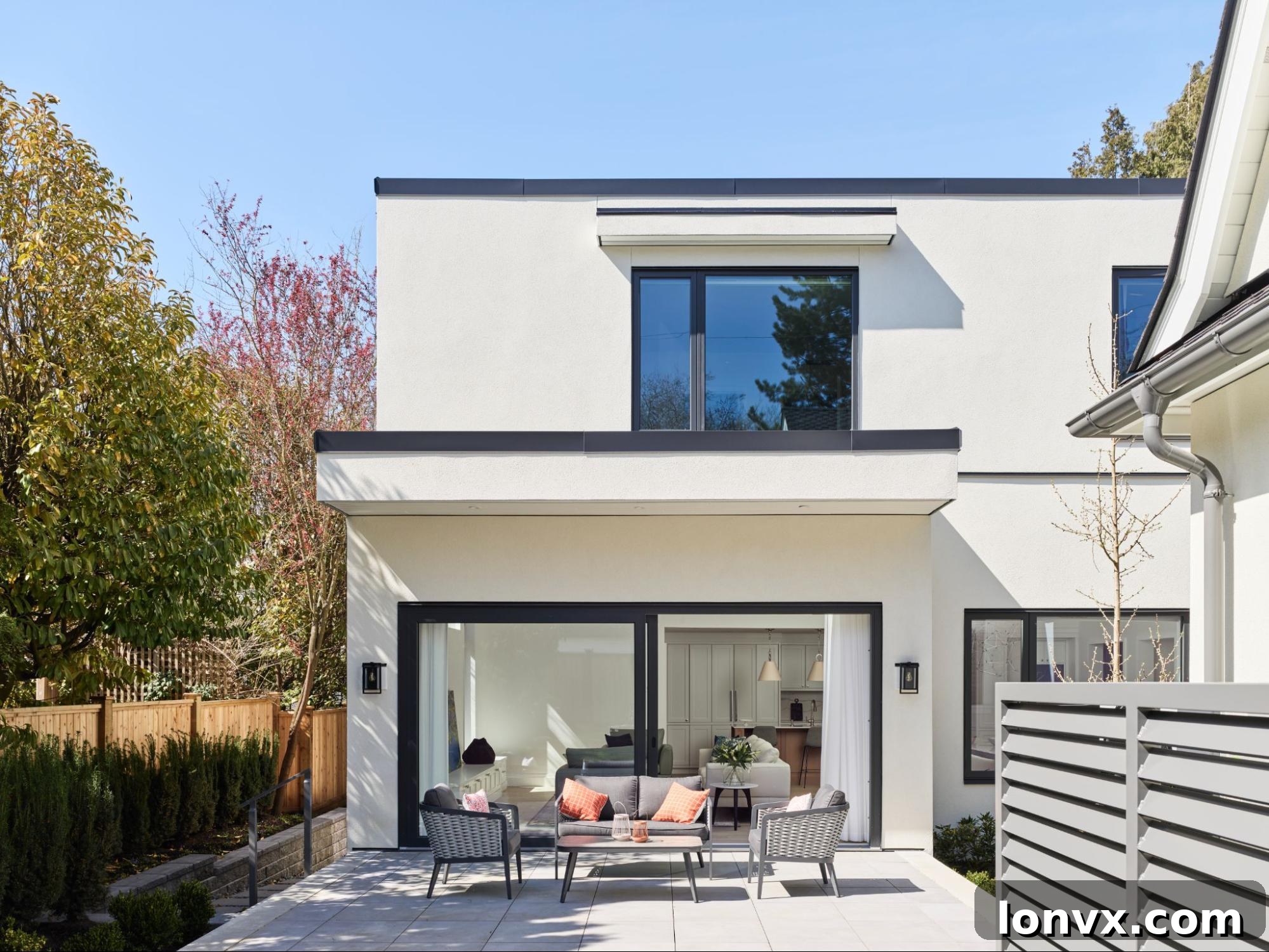
Photo: JHA Architecture + Interior
Pillars of Progress: Sustainability and Eco-Friendly Practices
The discourse around design and architecture is increasingly dominated by sustainability, a non-negotiable aspect of modern building practices. Firms are actively seeking ways to minimize environmental impact and promote responsible resource management. Kocur’s firm, InterRent, exemplifies this commitment by exploring how to sustainably repurpose underutilized office buildings, a direct consequence of the pandemic-induced shift to remote work. “We’re very conscientious of how we demolish and renovate,” Kocur states, emphasizing a rigorous approach to waste management, “making sure that whatever we remove doesn’t end up in a landfill.” This focus on adaptive reuse not only reduces waste but also breathes new life into existing structures, minimizing the carbon footprint associated with new construction.
Sustainable Material Choices and Energy Efficiency
The selection of materials is central to eco-friendly design. There’s a strong emphasis on sustainable products and energy-efficient solutions. This includes everything from high-performance appliances that consume less electricity and water to low-VOC (volatile organic compound) paints, which improve indoor air quality by reducing harmful emissions. LED lighting has become another cornerstone of sustainable design, valued for its long lifespan, durability, and significantly lower energy consumption compared to traditional lighting options. Kocur notes that these advancements are now more readily available and cost-effective, becoming “second nature to most clients and demanded by society.” What once required conscious effort to promote, he observes, “is just becoming the standard.” Joy Chao corroborates this, highlighting that demand for LED lighting has surged over the past few years, with nearly all of JHA’s homes now exclusively utilizing it.
Clients are also increasingly involved in making sustainable decisions early in the renovation or building process, often prioritizing local products and businesses. Even when clients don’t proactively suggest these choices, Chao confirms that her team at JHA instinctively orients towards sourcing sustainable, local products and companies. Beyond the environmental benefits, there’s a practical advantage: “another plus of sourcing local, readily available products is it’s easier to service later on,” ensuring longevity and ease of maintenance.
Regulations and the Path to Greener Homes
Regulations play a significant role in driving sustainable building practices. John Henshaw points to the city of Vancouver’s proactive policies: “A lot is driven by regulations. (Vancouver) is pushing us away from gas heating toward electrical heat pumps.” This regulatory push is critical for decarbonizing the built environment. While the transition can sometimes present challenges, such as initial cost or unexpected increases in electrical bills, Henshaw notes an important learning curve. He explains that clients soon realize the long-term savings when their homes are constructed with proper insulation and air tightness, dramatically reducing energy demand. “There’s a learning curve with clients as we try to do more energy-efficient homes,” he acknowledges, underscoring the importance of education in embracing new, sustainable technologies.
Ultimately, the industry recognizes its profound responsibility. Kocur articulates this ethos: “(There’s) a certain responsibility for the future in ensuring these environments last and are sustainable in their footprint on the environment. That’s really important.” This holistic view emphasizes not just immediate gratification but the enduring legacy of design and construction on the planet.
Gazing Forward: The 2025 Outlook for Design and Architecture
As the industry looks towards 2025, several key trends are anticipated to shape Canadian living spaces, influenced by economic realities, lifestyle shifts, and technological advancements.
Luxury Living in Rental Markets
InterRent, for instance, plans to strategically deliver the luxury experience that a growing segment of the population desires. Kocur observes that persistent high interest rates and broader affordability factors may prevent many from purchasing homes. In response, InterRent will offer premium lifestyle features—such as state-of-the-art gyms, elegant pools, and relaxing saunas—within its rental buildings. This strategy aims to cater to those seeking a high-end living experience without the commitment or financial burden of homeownership, ensuring that luxury remains accessible in a competitive market.
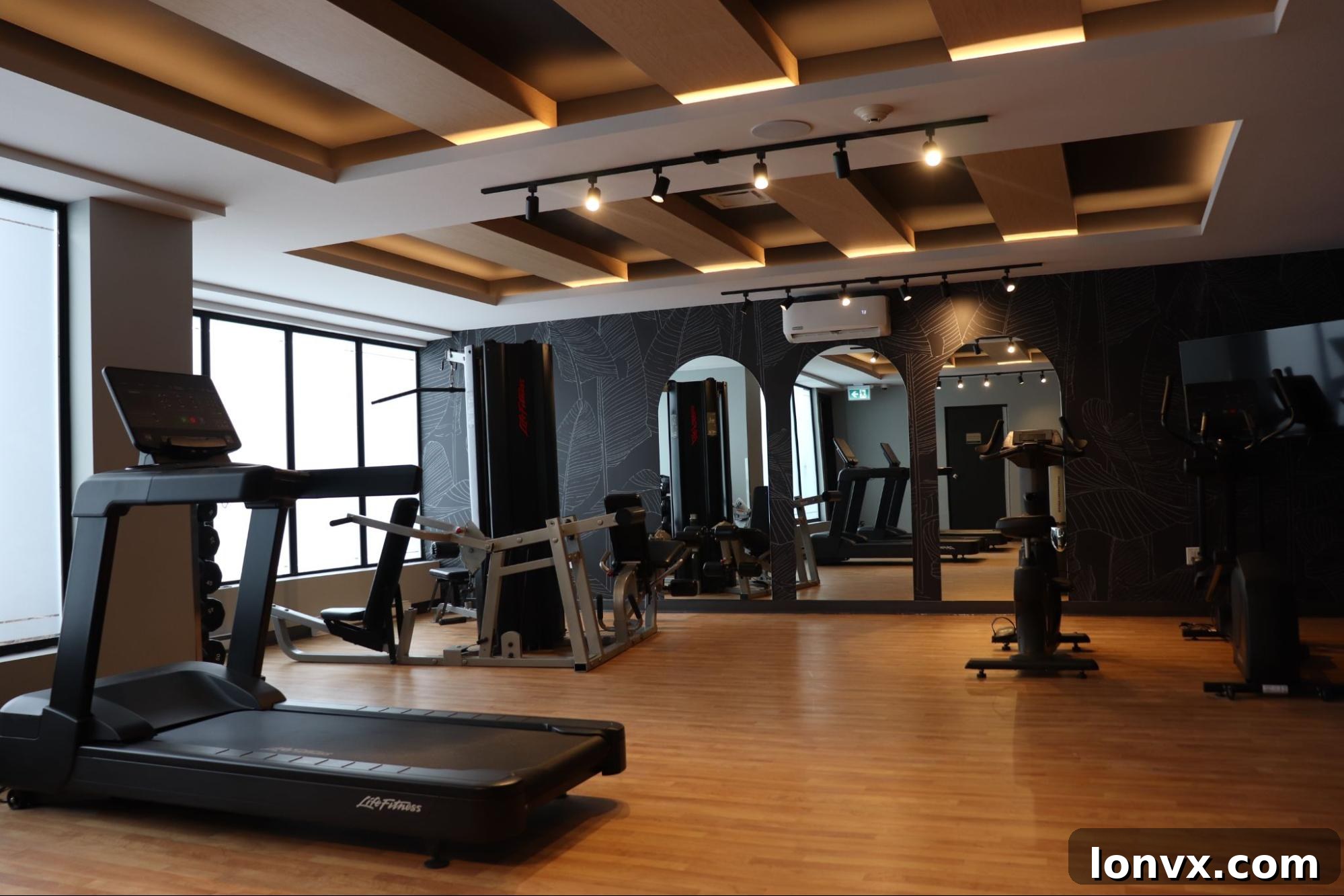
Photo: InterRent
Lifestyle, Wellness, and Housing Choices
Lifestyle and wellness are set to become even more paramount in housing decisions. Kocur believes these factors will drive some individuals to move out of bustling city centers in search of more space and tranquility, where they can more easily engage in outdoor activities and enjoy an array of amenities within their own homes or communities. Conversely, those who choose to remain in city centers will increasingly prioritize this “experience” and be willing to pay for it, demanding well-designed, amenity-rich urban living that supports their wellness goals. This bifurcated trend highlights a growing desire for homes that are not just shelters but holistic environments conducive to well-being.
Kocur also predicts that 2025 will mirror 2024 in terms of affordability challenges, likely leading to fewer homeowners selling their properties. This stability in homeownership will foster a desire for deeper roots and a more customized living experience. “They’ll put down roots and get a more customized experience based on their lifestyle expectations,” Kocur explains, suggesting a greater investment in personalizing existing homes to perfectly align with individual needs and preferences rather than constantly seeking new properties.
Style Predictions: Durability, Customization, and Smart Living
When it comes to specific design styles, durability and low maintenance will be key drivers. Joy Chao anticipates a surge in demand for low-maintenance exteriors, favoring non-wood materials that promise longevity and enhanced durability against the elements. This trend reflects a practical approach to homeownership, minimizing upkeep while maximizing property value and aesthetic appeal.
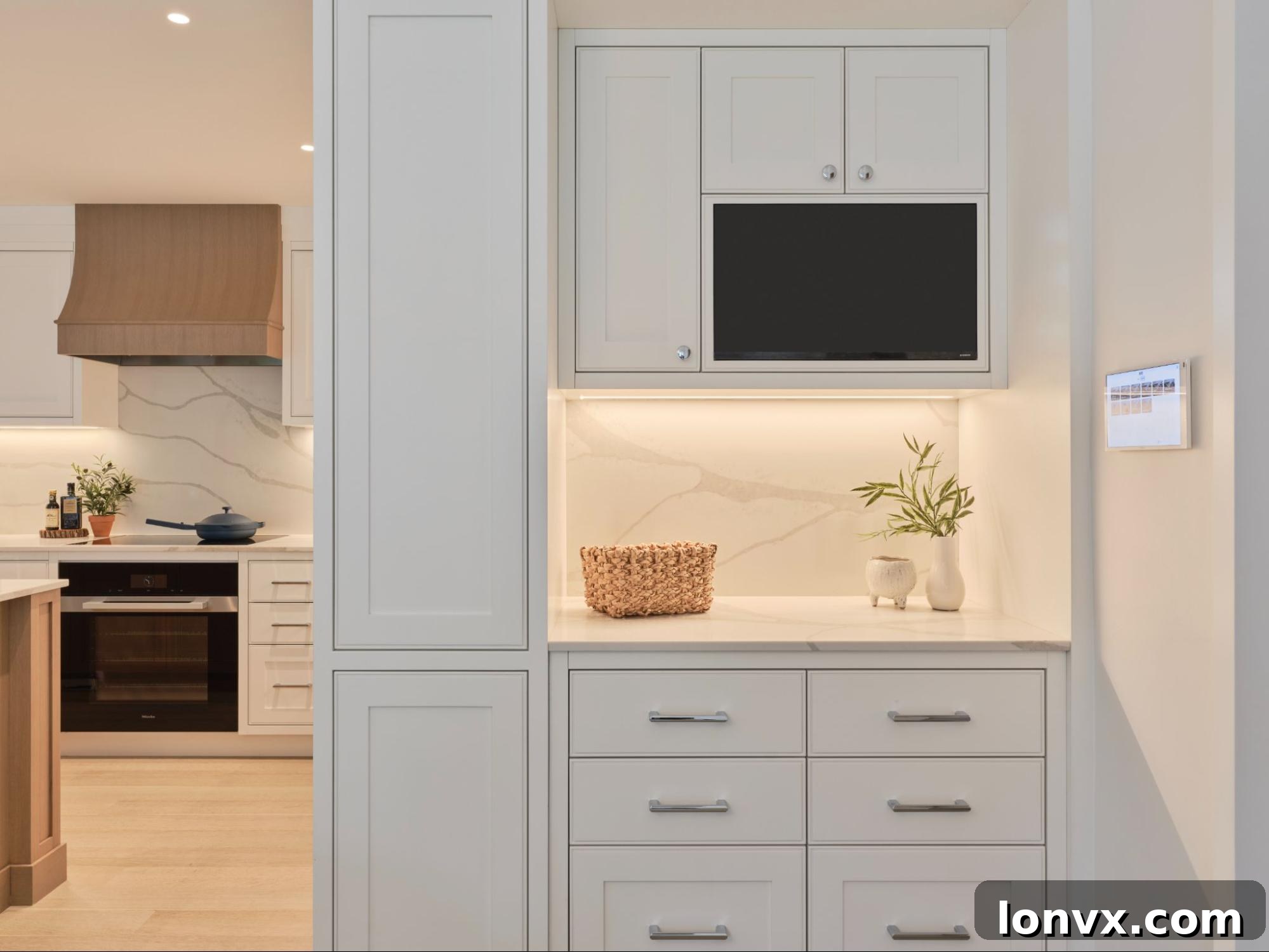
Photo: JHA Architecture + Interior
The same principle applies to interiors. While custom finishes were once the hallmark of higher-end homes, pre-fabricated products are now gaining preference due to their consistent quality, ease of installation, and often superior performance. “For example, pre-finished engineered wood is very durable, easy to clean and UV-resistant,” Chao notes. Furthermore, she highlights an environmental benefit: less waste is generated during installation, making it a more eco-friendly option. This shift signifies a pragmatic evolution in design, balancing aesthetics with practical advantages.
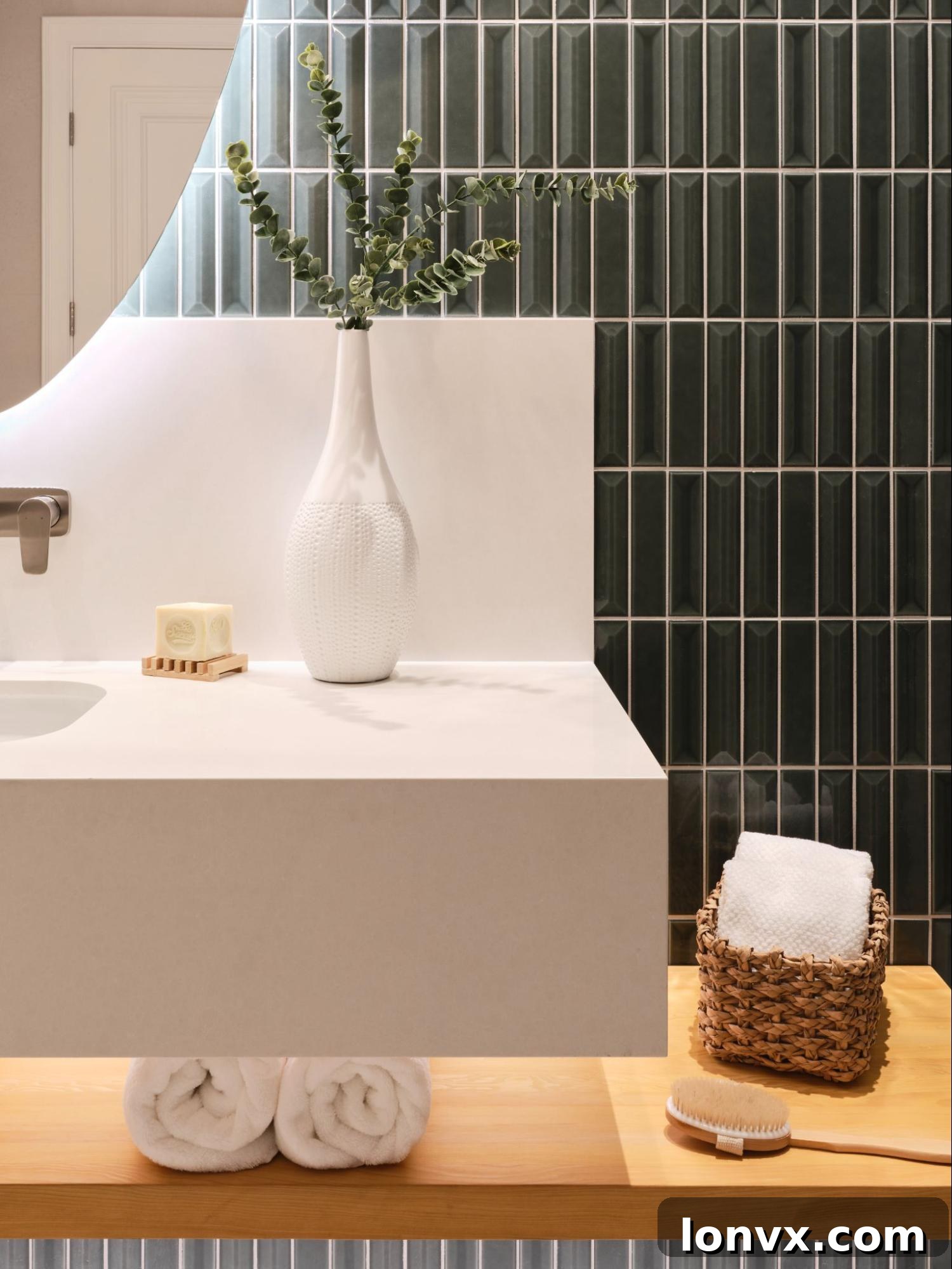
In terms of aesthetics, Chao observes a growing influence of fashion trends on home design. Beyond the popular muted tones, “We’re seeing richer tones and a little more contrasting and colour,” she reveals. This indicates a move towards more expressive and dynamic interiors, allowing homeowners to infuse their spaces with greater personality and vibrancy through bold color palettes and thoughtful material contrasts.
Finally, the integration of smart technology and artificial intelligence (AI) is set to redefine home customization and control. Chao predicts a growing demand for homeowners to have more granular control over their living environments. This extends beyond basic smart lighting to comprehensive environmental control systems and, crucially, tools for monitoring and optimizing energy consumption. “To control power usage because they’re more aware of energy consumption,” she states, highlighting how smart homes will empower residents to manage their ecological footprint and operational costs more effectively. This technological evolution promises to make homes not just smarter, but also more responsive, efficient, and personalized than ever before.
Photos: JHA Architecture + Interior