Beyond “I Sell Real Estate”: Crafting Your Magnetic Professional Introduction with David Greenspan’s Insight
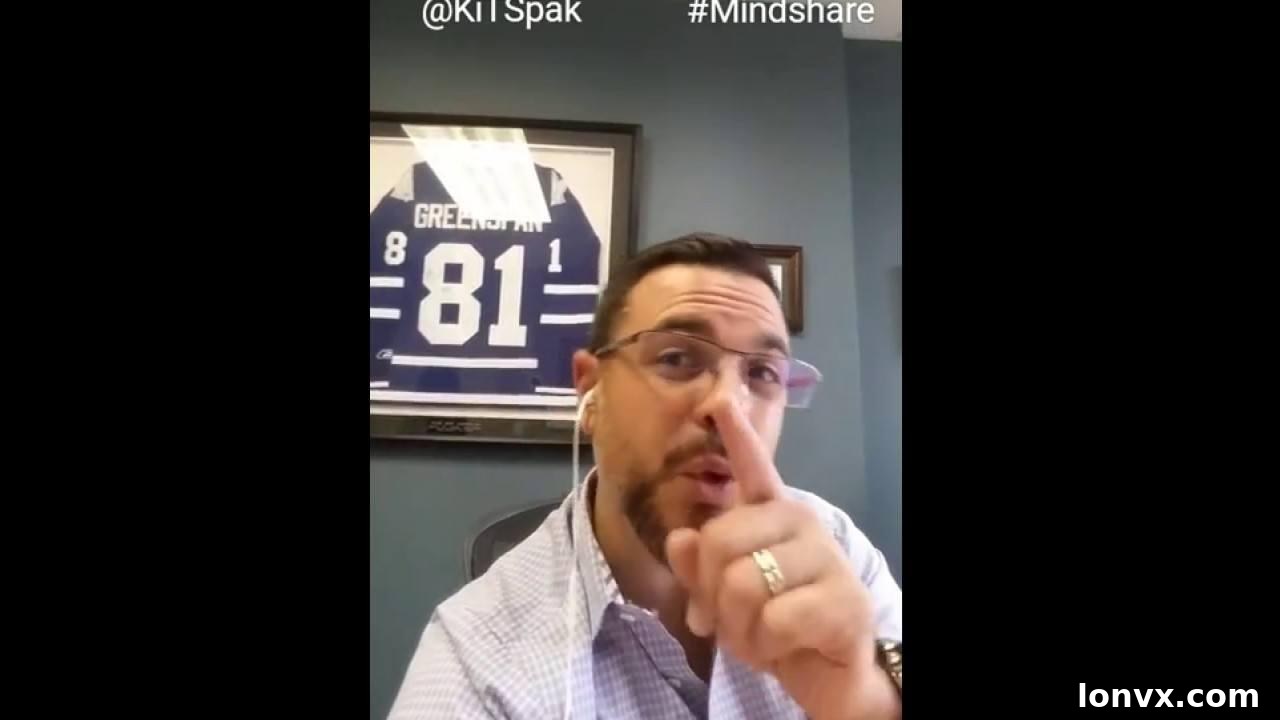
In today’s interconnected professional world, the question, “What do you do for a living?” is more than just a polite inquiry; it’s a pivotal opportunity. Yet, too often, we squander this chance with generic, uninspired answers that leave little to no lasting impression. Real estate mogul and communication expert David Greenspan highlights this critical oversight, emphasizing that a simple response like, “I sell real estate,” is fundamentally insufficient. In a concise 55-second insight, Greenspan challenges professionals to rethink their approach, urging them to craft an introduction that doesn’t just state a profession but ignites curiosity, conveys value, and opens doors to meaningful conversations. This article delves deep into why conventional answers fall short, how to adopt Greenspan’s philosophy, and a step-by-step guide to developing your own compelling, SEO-friendly professional introduction that resonates and differentiates you in any setting.
The Pitfall of Generic Answers: Why “I Sell Real Estate” Isn’t Enough
Imagine you’re at a networking event or a casual gathering. Someone asks you what you do. Your immediate response might be to state your job title or industry. For a real estate agent, this often translates to, “I sell real estate” or “I’m a realtor.” While factually correct, this answer presents several critical shortcomings:
- Lack of Intrigue: It’s a statement, not an invitation. It doesn’t pique interest or encourage further questions. In a sea of professionals, it makes you blend in rather than stand out.
- Commoditization: “Selling real estate” can sound transactional and generic. It places you in the same category as every other agent, implying that your service is interchangeable and solely about facilitating a sale rather than providing a unique solution.
- Focus on the “What,” Not the “Why” or “How”: This answer tells people what you do, but it fails to communicate *why* you do it, *how* you do it differently, or the *impact* you create. People aren’t just buying houses; they’re buying solutions to their living situations, investments, and dreams.
- No Value Proposition: A generic answer doesn’t articulate the specific value you bring to your clients. It doesn’t highlight the problems you solve, the benefits you offer, or the unique expertise you possess.
- Missed Connection Opportunity: A flat introduction often leads to a quick nod and a change of subject. It misses the chance to forge a genuine connection, identify potential collaborations, or even attract a future client.
David Greenspan’s insight cuts to the heart of this issue. He understands that in a competitive landscape, your first impression needs to be a powerful differentiator. It’s about moving beyond merely identifying your occupation and instead communicating your unique value proposition in a memorable way.
Embracing David Greenspan’s Philosophy: From Seller to Solution Provider
The essence of Greenspan’s advice, particularly for real estate professionals, is to shift from being perceived as a mere transaction facilitator to a trusted advisor, problem-solver, and value creator. The 55-second window he alludes to isn’t about rushing your words, but about delivering a concise, impactful message that resonates instantly. This philosophy is built on several key principles:
- Focus on the Client’s World: Instead of talking about yourself, talk about the people you help and the challenges they face. This immediately makes your introduction relatable and client-centric.
- Highlight the Problem You Solve: Every successful business, every valuable professional, solves a problem. What specific challenges do your clients encounter when navigating the real estate market, and how do you alleviate them?
- Articulate Your Unique Solution: How do you approach these problems differently or more effectively than others? What is your distinctive process or expertise?
- Emphasize the Desired Outcome/Benefit: What positive transformation or result do your clients experience because of your work? Do you bring peace of mind, financial security, dream fulfillment, or seamless transitions?
- Spark Curiosity: Your introduction should leave people wanting to know more, prompting them to ask follow-up questions rather than just nodding politely.
By adopting this mindset, you transform your introduction from a mundane statement into a compelling narrative. You’re not just a real estate agent; you’re someone who actively shapes positive outcomes for individuals and families in one of life’s most significant decisions.
Crafting Your Magnetic Introduction: A Step-by-Step Guide
Building an effective, Greenspan-approved professional introduction requires thoughtful reflection and strategic phrasing. Follow these steps to develop a response that truly reflects your value:
Step 1: Identify Your Ideal Client and Their Core Pain Points
Who do you most enjoy working with? What specific problems or frustrations do they typically face when trying to buy, sell, or invest in real estate? Be as specific as possible. For example:
- Busy young professionals struggling to find time for house hunting.
- First-time homebuyers overwhelmed by the complexities of the market.
- Seniors looking to downsize without the stress of moving and selling.
- Investors seeking high-ROI properties in emerging markets.
Step 2: Define Your Unique Value Proposition (UVP)
What makes you stand out from other professionals in your field? What unique skills, processes, or perspectives do you bring? This isn’t just about being good; it’s about being *different* and *better* in a way that matters to your ideal client. Do you offer unparalleled local market knowledge, a specialized marketing strategy, exceptional negotiation skills, or a stress-free concierge service?
Step 3: Articulate Your Solution or Process
Once you know the problem and your unique approach, how do you translate that into action? What specific methods or services do you employ to solve their problems? For instance, do you utilize advanced data analytics, personalized property tours, a network of trusted contractors, or innovative digital marketing?
Step 4: Focus on the Desired Outcome and Benefits
What is the ultimate positive result your clients experience by working with you? How do their lives improve? This is where you move beyond features (what you do) to benefits (what they gain). Do you help them save time, make smarter investments, achieve financial freedom, find their dream home, or enjoy a seamless transition?
Step 5: Structure and Refine Your Message
Now, bring it all together into a concise statement. A helpful formula can be:
“I help [Ideal Client] who are [Pain Point] by [Your Unique Solution/Process] so they can [Desired Outcome/Benefit].”
Practice saying it aloud. Does it flow naturally? Is it clear? Is it intriguing? Aim for clarity, confidence, and conciseness. Remember Greenspan’s 55-second guideline – it’s about impact, not length.
Step 6: Be Flexible and Authentic
Have a few variations ready for different contexts or audiences. A formal networking event might require a slightly different tone than a casual conversation. Most importantly, speak with authenticity. Your passion and belief in your value should shine through naturally.
Examples of Magnetic Introductions for Real Estate Professionals
Let’s move beyond the generic “I sell real estate” and craft some compelling responses:
Generic & Ineffective:
- “I’m a real estate agent.”
- “I sell houses.”
- “I’m a realtor in [City].”
Greenspan-Inspired & Effective:
- For Busy Professionals: “I specialize in helping busy professionals navigate the complex real estate market in [City], providing a streamlined, stress-free process so they can find their ideal home or investment property without sacrificing their valuable time.”
- For First-Time Homebuyers: “I empower first-time homebuyers to confidently secure their perfect starter home, guiding them through every step of the process to ensure a smooth, informed, and financially sound investment for their future.”
- For Seniors Downsizing: “I assist seniors in smoothly transitioning to their next chapter, managing the entire downsizing process from selling their current home to finding a more suitable residence, ensuring peace of mind and minimal disruption.”
- For Real Estate Investors: “I partner with astute investors to identify high-potential, off-market properties in [Specific Niche/Area], leveraging data-driven insights to maximize their rental income and long-term portfolio growth.”
- For Luxury Market Specialists: “I connect discerning clients with exclusive luxury properties that perfectly align with their sophisticated lifestyle and investment aspirations, handling every detail with discretion and unparalleled market expertise.”
Notice how these examples don’t just state the job; they paint a picture of who is helped, what problem is solved, and what positive outcome is achieved.
Beyond Real Estate: Universal Principles for Any Profession
While David Greenspan’s initial insight might resonate strongly with real estate professionals, the underlying principles are universally applicable across all industries. Every professional, regardless of their field, benefits from articulating their value proposition compellingly:
- Marketing Consultant: Instead of “I do marketing,” try “I help small businesses struggling to get noticed online by crafting tailored digital strategies that attract their ideal customers and significantly boost their sales.”
- Financial Advisor: Instead of “I manage investments,” try “I guide individuals and families nearing retirement to develop robust financial plans, ensuring their savings are optimized for a secure and comfortable future.”
- Software Developer: Instead of “I write code,” try “I translate complex business challenges into intuitive software solutions, streamlining operations and empowering teams to work more efficiently and effectively.”
- Executive Coach: Instead of “I’m a coach,” try “I partner with high-achieving leaders who feel overwhelmed by their workload, helping them unlock their full potential and achieve greater impact without burning out.”
The common thread is the shift from a self-centric job description to a client-centric value statement. It’s about demonstrating relevance and impact from the very first interaction.
The Ripple Effect: Benefits of a Powerful Professional Introduction
Investing time in crafting an engaging introduction offers a myriad of benefits that extend far beyond a single conversation:
- Enhanced Personal Branding: A clear, concise value statement strengthens your personal brand, positioning you as an expert and a solution provider rather than just a service vendor.
- Increased Networking Effectiveness: You’ll stand out in crowded rooms, facilitating more memorable interactions and fostering genuine connections that can lead to referrals and collaborations.
- Attract Ideal Clients: By clearly articulating who you help and how, you naturally attract clients who are experiencing the problems you solve and are seeking the specific value you offer.
- Boosted Confidence: Knowing exactly how to articulate your value empowers you. You’ll approach conversations with greater self-assurance and clarity.
- Improved Communication Skills: The process of refining your introduction sharpens your ability to communicate complex ideas simply and effectively, a skill invaluable in all aspects of your professional life.
- Competitive Differentiation: In markets saturated with similar professionals, a compelling introduction immediately sets you apart, showcasing your uniqueness and the tangible results you deliver.
Common Pitfalls to Avoid When Crafting Your Introduction
While striving for impact, be mindful of these common mistakes:
- Being Too Vague or Too Technical: Avoid jargon your audience might not understand, but also don’t be so generic that you say nothing specific. Find the sweet spot.
- Sounding Like a Robot: Your introduction should sound natural and conversational, not like a memorized script. Practice until it flows authentically.
- Focusing on Features, Not Benefits: Don’t just list what you do; explain the positive impact of what you do. People buy solutions and outcomes, not just services.
- Trying to Sell Immediately: The goal of the introduction is to open a conversation, not close a deal. Intrigue and engage, don’t pitch.
- Overcomplicating It: Simplicity is key. A powerful message doesn’t need to be long-winded.
Conclusion: Your Introduction as a Gateway to Opportunity
David Greenspan’s simple yet profound advice about answering “What do you do?” serves as a powerful reminder that every interaction is an opportunity to articulate your unique value. Moving beyond generic labels like “I sell real estate” to a compelling, solution-oriented statement is not merely a communication tweak; it’s a strategic enhancement of your personal brand, a magnet for ideal clients, and a catalyst for more meaningful professional connections. By investing the time to craft an introduction that clearly defines who you help, what problems you solve, and the positive outcomes you deliver, you transform a mundane question into a powerful gateway. Embrace this challenge, refine your message, and watch as new opportunities, connections, and clients begin to flow your way, all starting with that one impactful 55-second statement.