
Welcome to Ask A Stager, your trusted resource for expert staging advice, crafted specifically for real estate professionals. Whether you’re navigating the challenges of visually enhancing your property listings or seeking innovative strategies to capture your target audience’s attention, you’ve found the right place. Ask A Stager offers a unique opportunity to submit your staging-related questions and receive valuable, professional insights, completely free of charge.
No question is too minor or too complex — if it pertains to elevating the presentation of your real estate, we are eager to hear it and committed to providing helpful solutions. Please email your inquiries to [email protected].
Understanding Home Staging Costs: Why Pricing Isn’t Simply About Square Footage
In the competitive world of real estate, home staging has emerged as an indispensable tool, profoundly influencing a property’s market appeal and its ultimate sale price. However, a frequently asked question among both real estate agents and homeowners revolves around the pricing structure of staging services: why are staging fees typically not calculated based on square footage or the number of rooms?
To fully address this common query, it’s essential to delve into the intricate layers of professional home staging, exploring the diverse variables that significantly impact its cost, and explaining why a simplistic, one-size-fits-all pricing model is fundamentally unsuited for this specialized industry. Staging is far more than just decorating; it’s a strategic investment designed to maximize a home’s perceived value and expedite its sale.
The Multifaceted Complexity of Professional Home Staging
Home staging transcends the mere act of furnishing a room. It is a sophisticated blend of art and science, requiring a deep understanding of advanced design principles, current market trends, and intricate buyer psychology. Professional stagers meticulously craft environments that not only look appealing but also allow potential buyers to emotionally connect with the space, enabling them to easily envision their own lives unfolding within the property.
This comprehensive process involves several critically detailed steps, each demanding significant time, specialized effort, and expert knowledge:
1. In-depth Consultation and Strategic Planning
Every successful staging project commences with a thorough consultation. During this vital initial phase, the stager conducts a detailed assessment of the home, meticulously analyzing its architectural style, existing features, and any potential challenges. Simultaneously, they engage in a comprehensive discussion with the client to understand their specific goals, target demographic, and budget constraints. This foundational step is paramount, as it lays the groundwork for the entire staging strategy, informing all subsequent planning and execution. It involves identifying the precise needs for the home, such as specific furniture pieces, accessories, and any necessary pre-staging preparations, all of which are crucial for accurately preparing a customized quote.
2. Bespoke Design and Curated Selection
Following the consultation, the stager develops a unique design plan, meticulously tailored to the home’s distinct architecture, its intended target market, and the very latest interior design trends. This bespoke plan encompasses the careful selection of every element, from large furniture pieces to subtle accessories, impactful artwork, and other decor items, all chosen to accentuate the property’s finest features and create a cohesive, inviting narrative. The principle here is that not all homes are alike; while a modern condo might thrive with sleek, contemporary furnishings, a historic family home might shine brightest with more traditional, inviting pieces. The ability to discern and select precisely the right inventory for each property is both an artistic talent and a honed skill, possessed only by highly trained and experienced staging professionals. This curation process often involves sifting through extensive inventory or sourcing specialized items, adding another layer of complexity and cost.
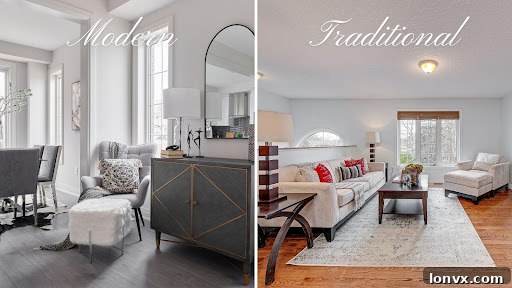
Photo credit: Justin Dadswell & Lorenzo Yenko
3. Intricate Logistics and Seamless Coordination
The practical execution of staging necessitates coordinating numerous moving parts, including the meticulous delivery, precise placement, and eventual removal of all staging items. This phase demands rigorous logistical planning, akin to orchestrating a complex event. It often involves sourcing and renting specific furniture and accessories, arranging specialized transportation, and sometimes coordinating with other essential professionals such as painters, cleaners, or minor repair specialists. A professional stager’s role is to proficiently manage these myriad details, thereby significantly alleviating the considerable burden and stress typically experienced by both sellers and their real estate agents during the often-hectic home sale process. This includes navigating challenges like tight schedules, vehicle access restrictions, and elevator availability, all of which contribute to the operational complexity.
4. Flawless Execution and On-Site Setup
After extensive planning and meticulous coordination, the actual staging day—or often, multiple days—is dedicated to the physical setup. This involves expertly arranging the furniture, strategically placing decor items, and ensuring that every detail is perfectly aligned to maximize the home’s visual appeal for both online listings and in-person viewings. This is a highly labor-intensive and time-consuming process, frequently requiring a dedicated team of four to eight individuals, depending on the scale and intricacy of the project. Every piece is positioned with purpose, from the angle of a sofa to the placement of a vase, all to create an optimal flow and photographic impact. Each of these critical steps contributes significantly to the overall effort, time, and specialized expertise required, none of which are directly proportional to the home’s square footage or its simple room count.
Key Variables Significantly Influencing Home Staging Costs
The cost of professional home staging is shaped by a multitude of dynamic factors, making it inherently impractical to standardize pricing purely by square footage or room count. These influential variables ensure that each staging project is unique, requiring a customized approach:
1. The Property’s Current Condition
The initial state of a home plays a crucial role in determining staging costs. A property that is already well-maintained, meticulously clean, and features attractive existing furniture and accessories might only require minimal staging enhancements to elevate its appeal. Conversely, a home requiring substantial updates, repairs, decluttering, or painting will demand significantly more effort, specialized resources, and potentially unique inventory pieces to be staged effectively. The stager’s scope may expand to include recommending and overseeing pre-staging improvements, adding to the overall project complexity and associated costs.
2. Target Market and Buyer Demographics
The specific market segment and target audience for a home profoundly influence staging decisions and, consequently, its cost. For instance, high-end luxury homes demand a more sophisticated, curated, and often custom-sourced staging inventory, which is inherently more expensive to acquire, transport, and maintain. In contrast, a compact condominium might require smaller, space-saving furniture designed for urban living. Interestingly, specialized “condo-size” furniture can sometimes be more expensive to source and rent than standard-sized pieces due to its specific design and niche market. Understanding the target buyer allows stagers to create a lifestyle vision that resonates deeply, leading to more strategic, and sometimes costlier, choices.
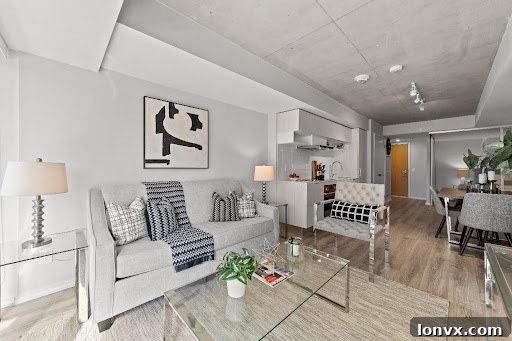
Photo credit: Evios Media
3. The Defined Scope of the Staging Project
The extent of staging required can vary dramatically from one property to another. Vacant homes typically necessitate full staging, involving every major piece of furniture and decor to fill empty spaces and define functional areas. In contrast, occupied homes might only require partial staging, focusing on key rooms, or simple enhancements to existing decor to refresh and modernize the space. Even within homes of the same size or room count, the layout can dictate differing needs; an open-concept living space might require fewer, larger art pieces than a home with numerous wall-filled rooms, yet both could involve similar levels of design effort. Larger, more complex projects often demand additional movers, designers, and installation specialists to ensure flawless execution, all contributing to increased costs.
4. Specific Inventory Requirements
The expenses associated with purchasing, renting, and transporting staging furniture and accessories fluctuate considerably based on their style, quality, and quantity. Luxury items, designer pieces, or unique custom selections naturally command higher prices. Furthermore, the volume of inventory needed for a full staging, the rental duration, and the logistical challenges of managing a diverse collection of items—from sofas to tableware—all factor into the final cost. Staging companies maintain extensive inventories, which represent a significant capital investment, requiring ongoing maintenance, cleaning, and storage, all of which are indirectly factored into staging fees.
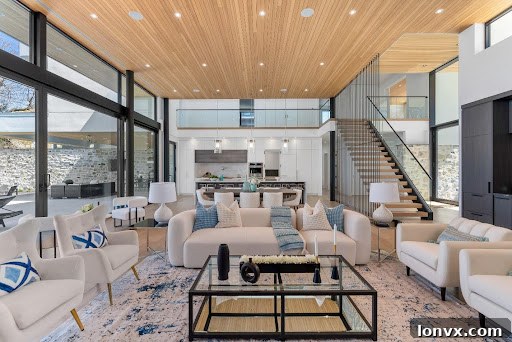
Photo credit: Nat Kay
5. Geographic Location and Accessibility
The geographical location of the property plays a significant role in determining staging costs. Factors such as fluctuating fuel prices directly impact transportation expenses for moving furniture and staff. Additionally, properties located in urban centers, particularly condominiums, often present unique logistical challenges. These can include navigating limited parking, restricted loading dock hours, elevator availability, and strict building regulations, all of which can increase moving costs and labor time. Remote or rural locations might incur higher travel fees due to increased distances.
The Inadequacy of Per-Square-Footage or Per-Room Pricing Models
Attempting to calculate staging fees based purely on square footage or room count fundamentally fails to capture the true complexity, effort, and value involved in professional home staging. Such a simplistic approach overlooks critical nuances:
1. Small Homes with Extensive Needs
Consider a smaller home that is cluttered, outdated, or in need of significant decluttering, painting, and minor repairs. Staging such a property will demand considerably more effort, resources, and time for consultation, planning, and execution than a larger, meticulously maintained home that only requires minimal accent staging. A per-square-foot model would unfairly underprice the immense work required for the smaller, more challenging property.
2. The Demands of High-End Properties
Luxury homes, irrespective of their physical size, inherently require a caliber of furniture, artwork, and decor that is substantially more expensive to source, rent, and transport. The staging of such properties is not merely about filling space; it’s about crafting an aspirational lifestyle, meeting high aesthetic expectations, and appealing to a discerning clientele. This strategic marketing, designed to present the home to its ideal target audience, involves significant investment in premium inventory and design expertise, costs that are disproportionate to square footage alone.
3. Challenges Posed by Unique Layouts
Homes featuring unconventional or unique layouts, such as multi-level designs, irregularly shaped rooms, or expansive open-concept areas, often necessitate highly customized staging solutions. These personalized approaches require greater creative problem-solving, more selective inventory choices, and increased planning time, all of which add to the overall complexity and cost. A simple room count cannot account for the intricate design challenges posed by such architectural peculiarities.
The Logic Behind Value-Based Home Staging Pricing
Professional home staging companies predominantly employ a value-based pricing strategy, which accurately considers the holistic value and tangible impact of the staging service rather than merely the physical dimensions of the property. This approach ensures that the stager’s financial incentives are perfectly aligned with the seller’s ultimate goals: to sell the home faster and for the highest possible price.
Value-based pricing reflects the stager’s expertise in design, market analysis, project management, and their investment in high-quality inventory. It acknowledges that staging is not just an expense, but a strategic investment that yields a significant return. By focusing on the potential increase in marketability and sale price, this model fairly compensates for the customized strategy, skilled execution, and the professional resources deployed to achieve optimal results for the client.
Ultimately, home staging is a nuanced, dynamic, and profoundly multifaceted service that cannot be adequately compressed into a rudimentary per-square-foot or per-room pricing model. The wide array of variables involved—encompassing the home’s specific condition, its defined target market, the quality and type of inventory required, and even its precise geographic location—renders a simplistic, one-size-fits-all approach entirely impractical and inaccurate.
By gaining a deeper understanding of these inherent complexities, both real estate agents and homeowners can cultivate a more profound appreciation for the immense value that professional staging brings to the table and the logical rationale underpinning its sophisticated pricing structure. This informed perspective empowers them to make more strategic, well-considered decisions that ultimately optimize the home sale process, leading to quicker sales and enhanced profitability.
Do you have additional home staging questions for a future column? We invite you to submit them to [email protected].
Get the latest REM articles in your inbox 3x week so you stay up to date on the latest in the Canadian real estate industry