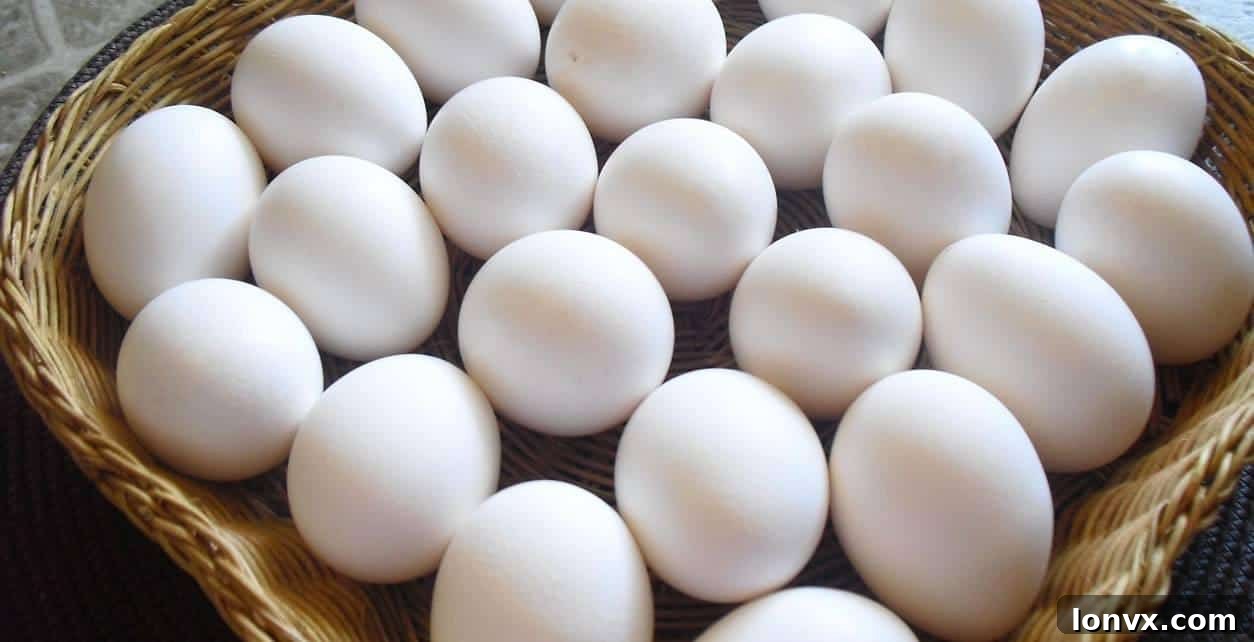
For decades, dietary advice regarding eggs was mired in controversy, leading many to limit their consumption due to concerns about cholesterol. However, modern nutritional science has largely debunked these myths, heralding eggs as a true superfood. Rich in high-quality protein, essential vitamins, and minerals, eggs are now celebrated for their incredible versatility and profound health benefits. From supporting brain health to boosting vision, the humble egg has rightfully reclaimed its place as a staple in kitchens worldwide, inviting us all to rediscover the pleasure of cooking and eating this nutrient-dense ingredient.
Despite their simple appearance, eggs are delicate culinary marvels that demand respect and careful preparation. The difference between a perfectly cooked egg and a rubbery, overdone one often comes down to precise timing and temperature control. Whether you’re aiming for a runny yolk or a firm texture, understanding the nuances of egg cookery is key to unlocking their full potential. Forget the days of tough whites and unappetizing crispy edges; with a few expert tips, you can elevate your egg dishes to gourmet status, ensuring they are always presented in their Sunday best.
Mastering the Art of Egg Cookery: Tips for Perfection
Before diving into specific recipes, let’s consider the foundational principles of cooking eggs. The goal is always to achieve the desired texture without overcooking, which can lead to a dry, unappetizing result. Freshness is paramount; fresher eggs hold their shape better and offer superior flavor. Always start with quality ingredients and pay close attention to your cooking method.
Perfect Soft-Boiled Eggs: A Breakfast Classic
The soft-boiled egg is a quintessential breakfast delight, celebrated for its warm, runny yolk encased in tender, firm whites. Achieving this delicate balance requires precision, but the reward is a truly satisfying culinary experience. Here’s how to master this simple yet elegant dish:
- Preparation: Begin with two large, fresh eggs. Place them gently into a small saucepan and add enough cold water to cover them by about an inch. Adding a pinch of salt to the water can sometimes help prevent cracks and make peeling easier.
- The Boil: Place the saucepan over high heat, leaving it uncovered. Watch the pot closely. The moment the water just begins to boil vigorously – you’ll see large bubbles rapidly breaking the surface – immediately turn off the heat.
- The Sit: Cover the pot with a lid and let the eggs sit in the hot water, off the heat, for exactly six minutes. This precise timing is crucial for a perfectly runny yolk with set whites. If you prefer a slightly firmer, jammy yolk (but not hard-cooked), extend the sitting time to seven minutes. For a solid, fully hard-cooked egg, allow ten minutes. Remember, every second counts!
- Cooling and Serving: As soon as the timer goes off, carefully drain the hot water. Briefly run cold tap water over the eggs while they are still in the pot. This stops the cooking process and makes them easier to handle. For a traditional presentation, use a knife to gently tap and cut off the top third of the shell with a flick of the wrist. Carefully scoop out the soft-boiled egg into your favorite serving bowl or egg cup. Season with a sprinkle of sea salt and freshly ground black pepper.
- Accompaniments: Enjoy your perfect soft-boiled egg with slices of freshly made toast, generously coated with real butter, ideal for dipping into that glorious golden yolk. This method guarantees a perfect texture every single time, offering a truly delightful start to your day.
Silky Smooth Scrambled Eggs: The Bain Marie Method
Often overlooked, the Bain Marie (double boiler) method is the secret to creating the most exquisitely tender and creamy scrambled eggs you’ll ever taste. This gentle cooking technique prevents the eggs from becoming rubbery or dried out, preserving their beautiful yellow color and delicate texture.
- Ingredients: You’ll need one dozen fresh eggs and one cup of milk or rich cereal cream (half-and-half also works wonderfully).
- Preparation: Whisk the eggs and milk/cream together thoroughly in a heatproof stainless steel bowl or a baked enamel bowl until well combined and slightly frothy. Season generously with salt and freshly ground black pepper at this stage.
- The Bain Marie Setup: Fill a larger pot with about an inch or two of water and bring it to a gentle simmer over medium-low heat. Carefully place the bowl containing the egg mixture over the simmering water, ensuring that the bottom of the bowl does not touch the water. The steam from the simmering water will gently cook the eggs.
- Gentle Cooking: Stir the egg mixture gently and continuously with a whisk or a rubber spatula. This slow, even heat allows the proteins to set gradually, resulting in incredibly soft, moist, and fluffy curds. Avoid aggressive stirring, which can break up the curds too much.
- Texture and Doneness: Continue stirring until the eggs reach your desired consistency – soft, creamy, and still slightly moist. They will retain their vibrant yellow color and a delightful, almost custardy texture. The liquid will stay incorporated, unlike high-heat methods where it can sometimes separate.
- Serving: Serve these delightful scrambled eggs immediately. They are fantastic on their own, alongside toast, or as part of a larger breakfast spread. Consider enjoying them al fresco in the garden or on a balcony for a pleasant variation of your morning meal. For added flavor and texture, you can stir in fresh chives, a sprinkle of cheese, or finely diced cooked ham just before serving.
The Art of Scotched Eggs: A Savory Masterpiece
Often associated with picnics and hearty snacks, the Scotched egg is a true culinary marvel – a perfectly cooked egg encased in seasoned sausage meat, breaded, and then fried or baked until golden. While the name might suggest Scottish origins, its true roots are debated, with Fortnum & Mason claiming its invention in London in 1738. Regardless of its history, a well-made Scotched egg is an undeniable pleasure. There are many delicious versions, including some that use soft-boiled eggs for a runny yolk when sliced, while others opt for a firmer, jammy consistency.
Choosing Your Ingredients and Crafting the Meat Mixture
The beauty of Scotched eggs lies in the quality of their components. Start with fresh, good-quality eggs. For the meat casing, you have several options:
- Sausage Meat: Your favorite German bratwurst, Italian sausage (sweet or hot), or even a classic breakfast sausage makes an excellent base. Simply remove the raw meat from its casing.
- Homemade Mixture: For ultimate control, mix your own ground pork, beef, or a combination. This allows for personalized seasoning. A classic blend might include finely chopped onion, fresh sage, thyme, a touch of nutmeg, salt, and black pepper. Some adventurous cooks even add a splash of Scotch whiskey or other spirits to the meat for a unique flavor dimension – the alcohol cooks off, leaving only the aromatic essence. My personal blend, inspired by a butcher named Wally in a nearby town, was based on his delicious German “Wallywurst,” highlighting the joy of regional culinary finds.
Preparing the Eggs for Scotched Eggs
The ideal egg for a Scotched egg is perfectly hard-cooked but not dried out. This ensures it holds up during the wrapping and frying process while still offering a pleasant texture.
- Hard Cooking Method: Gently place medium-large eggs into a pot of cold water. Bring the water to a boil, then immediately reduce the heat to a bare simmer, so the water is just gently bubbling. Sprinkle a little salt into the water. Cook for 5-6 minutes for a firm yet slightly jammy yolk, or up to 7-8 minutes for a fully hard-cooked yolk.
- Immediate Cooling & Peeling: As soon as the cooking time is up, remove the eggs from the heat and immediately run them under cold water or transfer them to an ice bath. This halts the cooking process and, crucially, makes them much easier to peel. Gently tap and roll the eggs on a hard surface to crack the shell, then peel them under cold running water for the smoothest result.
Assembling Your Scotched Eggs
- Forming the Patties: Lightly oil your hands and a clean working surface to prevent the meat from sticking. Take a portion of your seasoned sausage meat and form it into a large, flat, oval patty – large enough to fully encase one hard-cooked, peeled egg.
- Wrapping the Egg: Place one peeled egg in the center of the meat patty. Carefully mold the meat around the egg, ensuring it is completely covered with an even layer. Take your time to seal any gaps or cracks, creating a smooth, uniform sphere.
- Breading: Set up a breading station. You’ll need two shallow bowls: one with a beaten egg (or two, depending on quantity) and another with coarse, generously seasoned breadcrumbs. I often use a blend of dried sage, rosemary, and thyme mixed into Panko breadcrumbs for extra flavor and crunch. Dip each meat-wrapped egg first into the beaten egg, allowing any excess to drip off, then roll it thoroughly in the seasoned breadcrumbs, pressing gently to ensure an even and firm coating.
Cooking the Scotched Eggs: Frying or Baking
While traditionally deep-fried, Scotched eggs can also be baked for a slightly healthier alternative.
- Deep Frying Method: Heat corn oil (or another neutral high-smoke-point oil) in a deep fryer or heavy-bottomed pot to 350°F (175°C). Carefully lower the breaded Scotched eggs into the hot oil, cooking in batches if necessary to avoid overcrowding. Fry for approximately 6-8 minutes, or until the meat is thoroughly cooked through and the breading is a rich, golden brown. It’s crucial that the Scotched eggs are just cooked, not overdone, to retain moisture.
- Baking Method (Healthier Alternative): Preheat your oven to 400°F (200°C). Lightly grease a baking sheet or line it with parchment paper. Place the breaded Scotched eggs on the prepared sheet. Bake for 25-30 minutes, or until the sausage meat is cooked through and the breading is golden and crisp. For extra crispiness, you can lightly mist the eggs with cooking spray before baking.
Serving Your Scotched Eggs
Once cooked, transfer the Scotched eggs to a plate lined with paper towels to drain any excess oil. Allow them to cool slightly until they are comfortable to handle. For serving, cut them in half crosswise (rather than lengthwise) using a wet, serrated knife – this reveals a beautiful cross-section of the egg. Scotched eggs can be enjoyed immediately, warm, or served cold. They are excellent sliced on toasted or grilled bread rounds, perhaps with a side of coarse grainy mustard or a dollop of chutney. Scotched eggs are fantastic picnic food; just be sure to store them in a cooler travel pack. They also make a delightful side dish, perhaps alongside a refreshing gazpacho or with slices of fresh homemade bread and, of course, real butter.
Beyond the Basics: More Ways to Enjoy Eggs
The world of egg cookery extends far beyond these classics. Here are a few more popular methods to expand your repertoire:
- Poached Eggs: The epitome of elegance, a perfectly poached egg boasts a firm white and a luscious, runny yolk. Achieve this by cracking a very fresh egg into a small bowl, creating a gentle swirl in simmering water (with a touch of vinegar) and carefully dropping the egg into the vortex. Cook for 3-4 minutes. Ideal for Eggs Benedict, avocado toast, or atop a salad.
- Fried Eggs: A simple pleasure, fried eggs can be cooked to various degrees of doneness: Sunny-Side Up (runny yolk, unset white on top), Over Easy (runny yolk, lightly set white on both sides), Over Medium (slightly set yolk, fully set white), and Over Hard (fully cooked yolk). Use a non-stick pan with butter or oil over medium heat, cooking until the whites are set and the yolk reaches your desired consistency.
- Omelets: A versatile canvas for various fillings, a classic omelet is light, fluffy, and quickly cooked. Whisk eggs with a splash of milk or water, pour into a hot, buttered pan, and gently push the cooked edges towards the center, tilting the pan to let uncooked egg flow underneath. Fill with cheese, herbs, ham, or vegetables, then fold and serve.
- Frittatas and Quiches: These are essentially baked egg dishes that are perfect for using up leftover vegetables, meats, and cheeses. A frittata is a crustless Italian egg dish, while a quiche features a savory pastry crust. Both are excellent for brunch, lunch, or a light dinner.
The Nutritional Powerhouse: Why Eggs Are Good For You
The re-evaluation of eggs in dietary guidelines has highlighted their impressive nutritional profile. Eggs are one of nature’s most complete and affordable sources of protein, containing all nine essential amino acids necessary for muscle repair, growth, and overall body function. But their benefits extend far beyond protein:
- Choline: A vital nutrient for brain health, memory, and nerve function. Eggs are one of the best dietary sources of choline.
- Lutein and Zeaxanthin: These powerful antioxidants are found in the yolk and are crucial for eye health, helping to protect against age-related macular degeneration and cataracts.
- Vitamins and Minerals: Eggs are packed with essential vitamins like A, D, E, K, and B vitamins (B12, riboflavin, folate), as well as minerals such as iron, zinc, and selenium. Vitamin D, often lacking in many diets, is particularly abundant in eggs.
- Satiety: The high protein content in eggs helps promote feelings of fullness, which can aid in weight management by reducing overall calorie intake.
Modern research indicates that for most healthy individuals, the cholesterol in eggs has a minimal impact on blood cholesterol levels, making them a healthy and beneficial addition to a balanced diet.
Selecting and Storing Eggs for Optimal Freshness
To truly enjoy the full flavor and texture of eggs, proper selection and storage are important:
- Freshness Test: A simple way to check freshness is the float test. Gently place an egg in a bowl of water. If it sinks to the bottom and lies on its side, it’s very fresh. If it stands on one end, it’s still good but older. If it floats, it’s likely too old and should be discarded.
- Storage: Always store eggs in their original carton in the coldest part of your refrigerator, typically the back of a middle shelf, not in the door (where temperatures fluctuate more). The carton protects them from absorbing odors from other foods and helps maintain their freshness.
- Shelf Life: Properly stored, eggs can last for several weeks beyond their pack date.
From a simple boiled egg to an elaborate Scotched egg, this versatile ingredient offers endless possibilities for delicious and nutritious meals. With newfound knowledge and confidence, you can now approach egg cookery with the respect and care it deserves, transforming everyday eggs into extraordinary culinary creations. So go ahead, crack open an egg, and explore the delightful world of flavors and textures that await you!