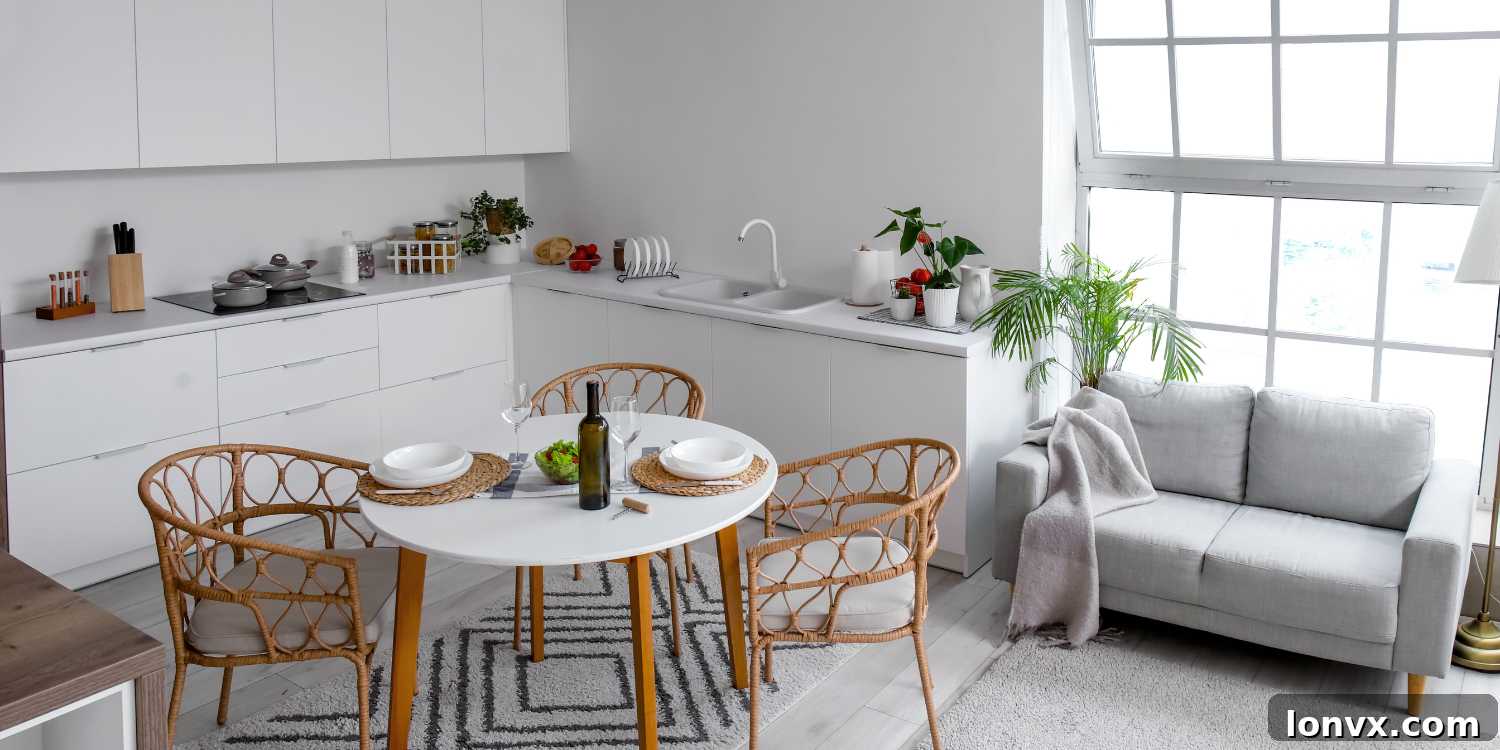
Unlock Your Home’s Potential: The Ultimate Guide to Budget-Friendly Home Staging for a Faster Sale
Preparing a property for sale can feel overwhelming, especially when considering the costs associated with professional home staging. However, dismissing staging as an unnecessary expense, particularly in a competitive buyer’s market, could be a costly mistake. The truth is, effective home staging doesn’t require a lavish budget. With strategic planning and a few clever, budget-friendly tactics, you can transform your property’s appeal, attract more prospective buyers, and potentially secure a quicker sale at a higher price.
This comprehensive guide will walk you through essential, low-cost home staging tips, demonstrating how small changes can lead to significant results. We’ll delve into the ‘why’ behind each recommendation, illustrating the transformations with examples to inspire your own staging journey.
Why Home Staging is an Essential Investment
In today’s dynamic real estate landscape, first impressions are paramount. Home staging is more than just decorating; it’s a strategic marketing tool designed to highlight your home’s best features, minimize its flaws, and help buyers envision themselves living in the space. Studies consistently show that staged homes sell faster and for more money than unstaged ones. This is particularly true in a buyer’s market, where inventory is high, and sellers need every advantage to stand out.
A well-staged home appears well-maintained, spacious, and inviting. It creates an emotional connection with potential buyers, allowing them to overlook personal tastes and focus on the property’s inherent value. The goal is to present a neutral yet appealing canvas that allows a wide range of buyers to project their dreams and aspirations onto your property, ultimately accelerating the sales process and maximizing your return on investment.
Top 5 Budget-Friendly Home Staging Tips
Tip #1: Declutter and Depersonalize for Maximum Impact
Budget Tip: Before anything else, embark on a thorough decluttering mission. This essential first step costs nothing but time and effort. Utilize existing storage containers, old boxes, or even clear plastic bins you might already own to organize items. Categorize every belonging into one of four groups: “pack/keep,” “donate,” “sell,” or “trash.” Be ruthless! This isn’t just about tidying up; it’s about creating a sense of spaciousness and removing distractions. Consider renting a small, temporary storage unit if you have a significant amount of personal items or excess furniture that won’t fit into your new home or can’t be easily stored out of sight. Remember to clear out closets and cabinets too, as buyers will undoubtedly peek inside.
Why It Matters: A clutter-free environment immediately makes any home feel larger, cleaner, and more serene. When buyers walk into a home filled with personal items, family photos, or excessive knick-knacks, they often struggle to envision themselves living there. This act of “depersonalization” allows potential buyers to see the house as their future home, rather than someone else’s. It prevents their attention from being diverted by your personal belongings and instead draws their focus to the property’s architectural features, layout, and overall potential. Furthermore, decluttering before you move simplifies the packing process, making your eventual relocation significantly smoother and less stressful.
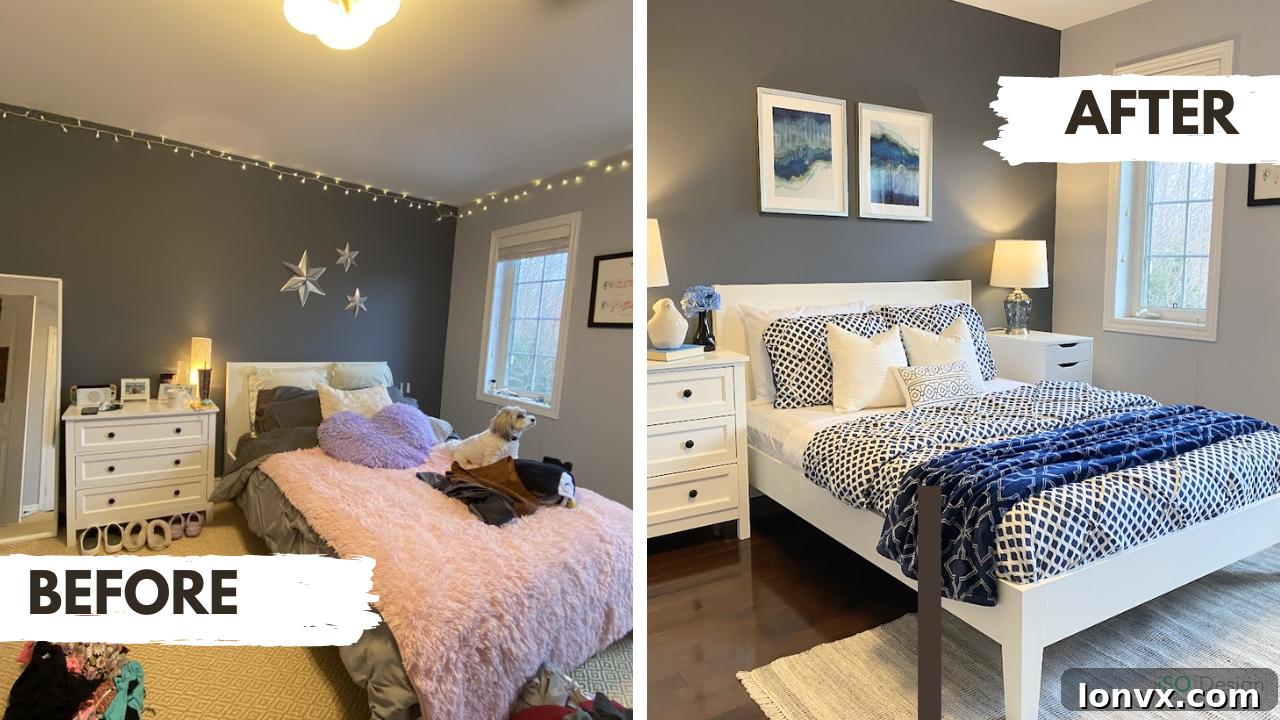
Tip #2: Smart DIY Repairs and Modern Updates That Pay Off
Budget Tip: Don’t underestimate the power of minor repairs and inexpensive updates. Addressing small imperfections yourself can dramatically improve a home’s perceived value without breaking the bank. Patch up any holes in walls, fix leaky faucets, tighten loose doorknobs, and silence squeaky hinges. A fresh coat of neutral paint is one of the most cost-effective ways to update and brighten a space; opt for light greys, whites, or beige tones that appeal to a broad audience. Consider areas that often date a home, such as outdated lighting fixtures, old kitchen cabinet hardware, or worn-out flooring. Swapping out a 1980s brass chandelier for a modern, sleek fixture, or replacing old cabinet pulls with contemporary ones, are relatively inexpensive DIY projects that can instantly modernize a room. If replacing flooring isn’t feasible, a professional deep clean can work wonders.
Why It Matters: A home that appears meticulously maintained instills confidence in potential buyers. When buyers see a myriad of small issues, they often extrapolate these minor problems into assumptions about larger, hidden defects, leading them to either walk away or submit lowball offers. Every repair you make sends a clear message that the home has been cherished and cared for. These thoughtful updates, even if minor, contribute to a sense of quality and attention to detail. They prevent buyers from focusing on perceived deferred maintenance and instead allow them to appreciate the home’s overall condition and potential, ultimately enhancing its market appeal and justifying a higher asking price.
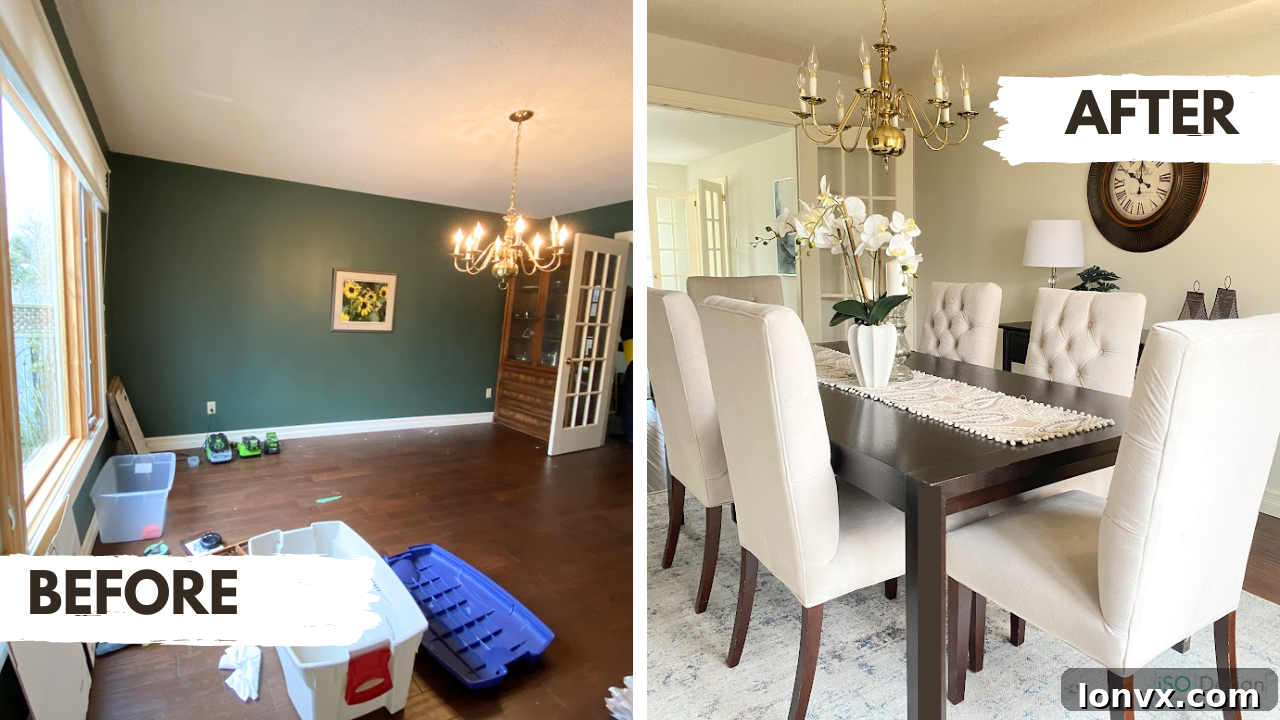
Tip #3: Strategic Furniture Arrangement to Enhance Flow and Space
Budget Tip: You don’t need to buy new furniture to make an impact. Instead, focus on optimizing your existing pieces. The key is to create inviting yet functional spaces that highlight the room’s purpose and natural flow. Begin by removing any excess furniture that makes a room feel cramped or cluttered. Aim for a minimalist approach – less is often more. Arrange furniture to define specific areas, such as a cozy reading nook or a clear dining space, ensuring clear pathways for movement. Step into each room as if you were a buyer, walking through it and identifying any pieces that obstruct views, block natural light, or impede easy movement. Rearrange or remove these items to cultivate a more open, airy, and welcoming atmosphere. The goal is to make each room feel spacious and easy to navigate.
Why It Matters: Strategic furniture placement is crucial for showcasing your home’s full potential. It guides the buyer’s eye, accentuating architectural features and making rooms appear larger and more functional than they might otherwise. A well-arranged space creates a sense of harmony and balance, allowing buyers to visualize how their own furniture might fit and how they would live in the home. Conversely, poorly placed or excessive furniture can make rooms feel small, awkward, and unappealing. Remember, buyers are purchasing the space and the lifestyle it offers, not your personal belongings. By presenting an organized and thoughtfully arranged layout, you enable buyers to connect emotionally with the home’s possibilities, greatly increasing its desirability.
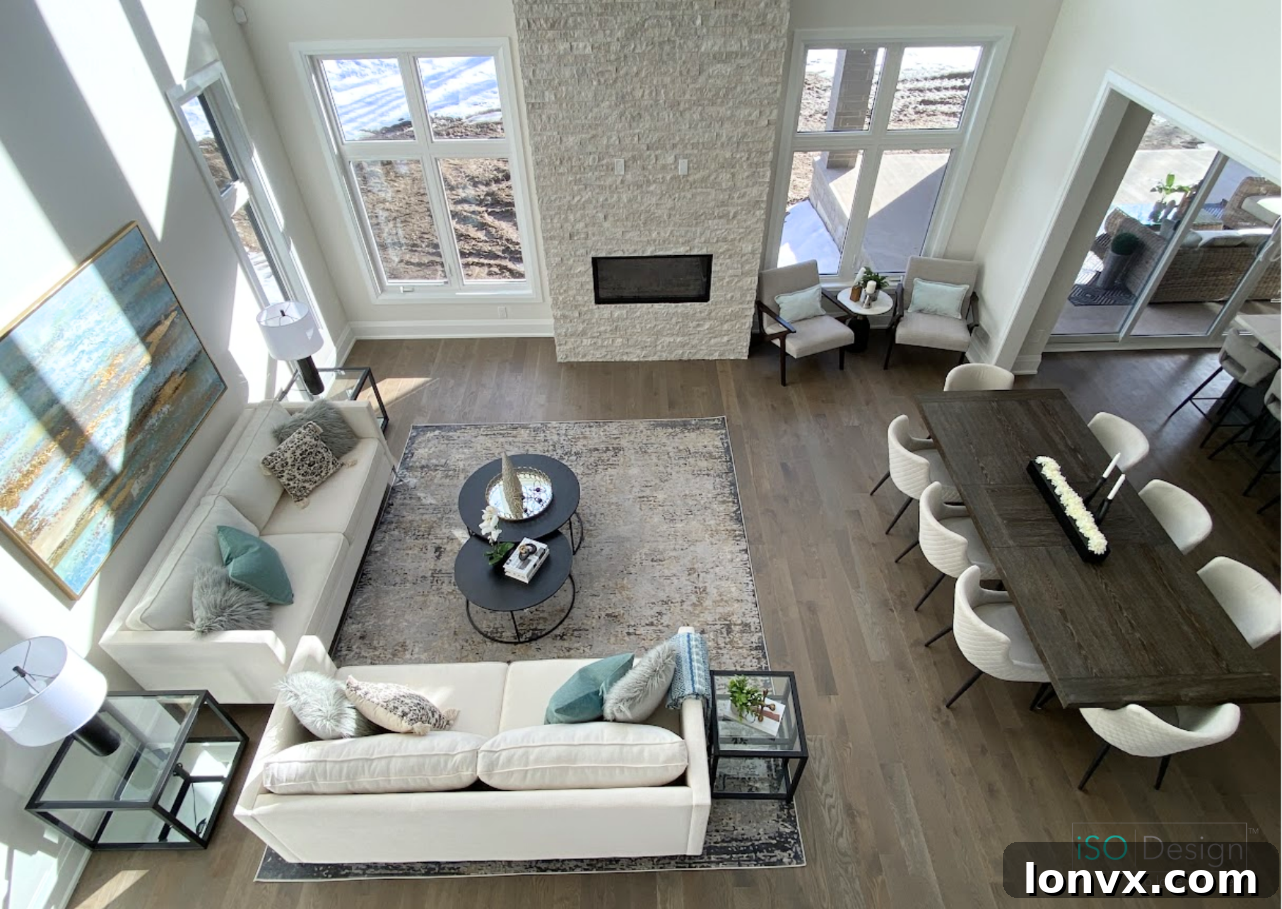
Tip #4: Accessorize Smartly: Adding Warmth and Style on a Shoestring
Budget Tip: While depersonalization is important, adding a few carefully selected accessories can inject warmth and visual interest into your staged home without making it feel overly personal. Affordable items like decorative throw pillows, soft blankets, area rugs, and appealing wall art can instantly update a room’s decor and add a touch of sophistication. You can find excellent options at discount home stores, online marketplaces, or by repurposing items you already own. Focus on a cohesive color palette and style that complements your home’s existing features. Fresh flowers or a bowl of vibrant fruit on a kitchen counter can also add a welcoming, fresh touch. The aim is to create inviting vignettes that appeal to the senses and evoke a desirable lifestyle.
Why It Matters: Accessories are the finishing touches that can elevate a space from bland to brilliant. They help create a subconscious emotional connection with buyers by making the home feel cozy, stylish, and livable. While personal items can be distracting, carefully chosen decorative accents draw attention to key features, add texture, and introduce subtle pops of color, all contributing to an overall aesthetically pleasing experience. Humans are naturally drawn to beautiful surroundings, and smart accessorizing taps into this inclination. These small additions can make a significant difference in how a buyer perceives the home’s appeal, helping them to imagine a desirable lifestyle within its walls and making the property feel more valuable and inviting.
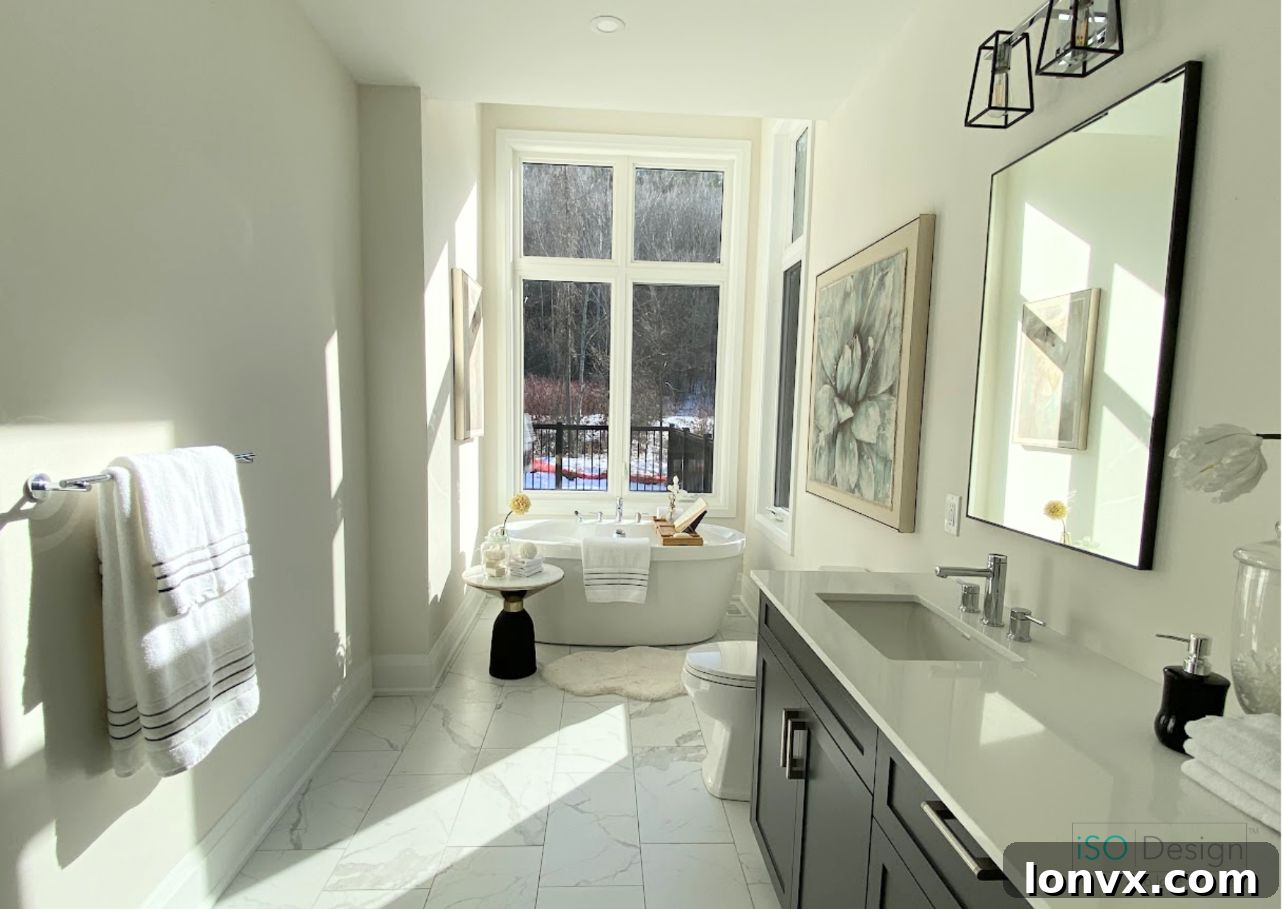
Tip #5: Harnessing the Power of Light: Brighten Your Home for Buyers
Budget Tip: Maximizing both natural and artificial light is one of the most impactful, yet often overlooked, staging techniques. Start by ensuring all windows are sparkling clean and keep curtains and blinds fully open during showings to let in as much natural light as possible. This is particularly crucial during darker seasons or on overcast days. Supplement natural light with strategic artificial lighting. Utilize a combination of ambient (overhead), task (desk or reading lamps), and accent lighting (to highlight artwork or architectural features). Table lamps, floor lamps, and even affordable, modern desk lamps can create a warm, inviting ambiance. Consider upgrading outdated builder-grade ceiling fixtures; many stylish and budget-friendly options are available that can instantly modernize a room and significantly enhance its overall brightness and appeal.
Why It Matters: Well-lit spaces possess an almost magical quality; they instantly feel larger, more open, cleaner, and incredibly inviting. Light has a profound psychological effect, making potential buyers feel more positive and comfortable within your home. A brightly lit home appears more cheerful and expansive, helping to counter any perceptions of crampedness or gloominess. It also ensures that all features of the home, from architectural details to carefully chosen accessories, are seen in their best light. Think of gorgeous lighting as the ‘jewel’ of your room – it’s the finishing touch that adds that undeniable “wow” factor, transforming a good impression into a memorable one and making your home stand out in the marketplace.
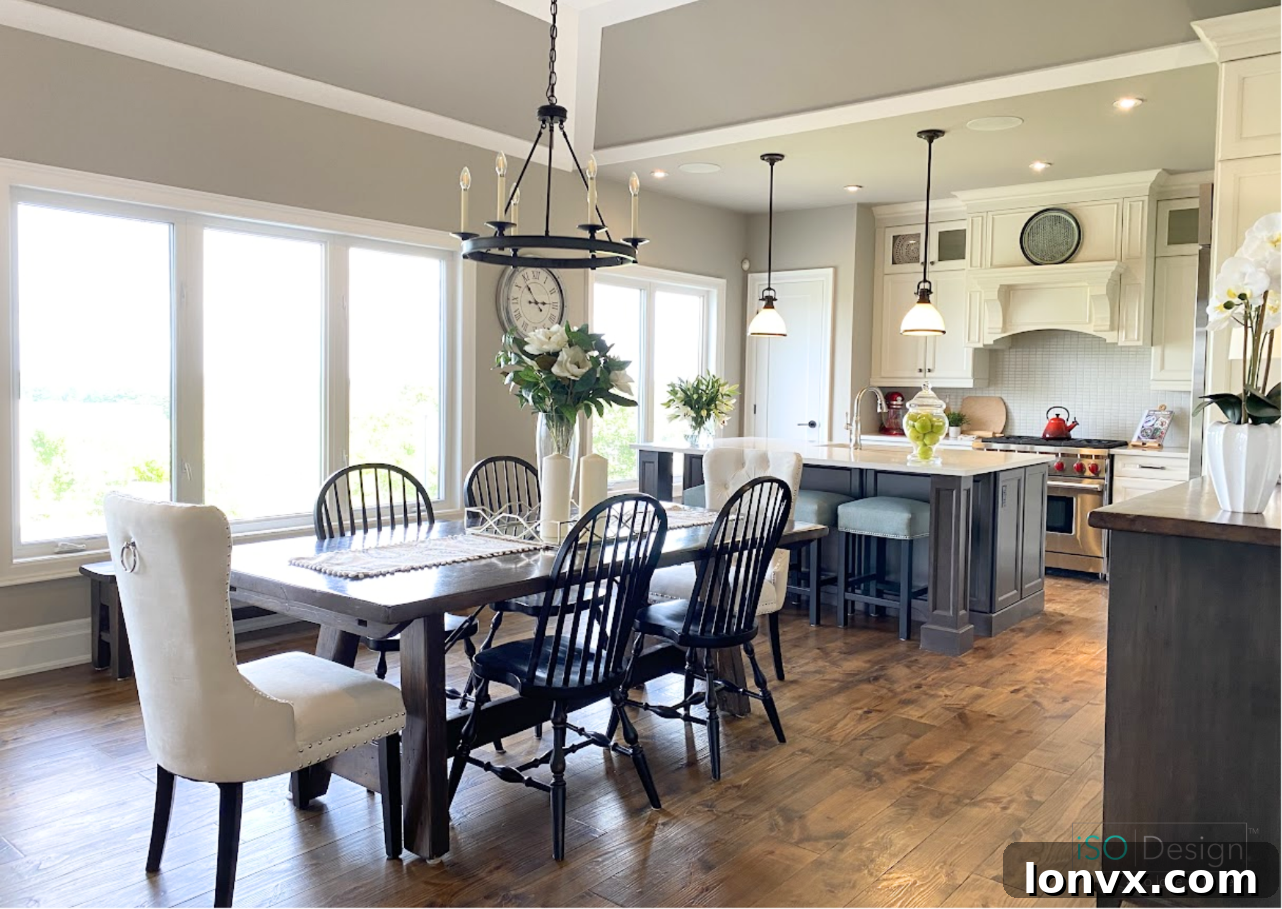
Elevate Your Property’s Appeal with a Home Staging Expert
Even with the best intentions, you might find yourself lacking the time, energy, or objective eye required for effective home staging. This is where a professional home stager can become an invaluable asset. Many staging professionals specialize in budget-friendly solutions, focusing on utilizing your clients’ existing furnishings and belongings to create a polished, market-ready look. These experts possess a keen understanding of real estate market trends and buyer psychology, allowing them to optimize your home’s presentation without incurring excessive costs.
By leveraging a stager’s expertise, you gain an objective perspective on your home’s strengths and weaknesses. They can identify the most impactful changes to make, ensuring every dollar spent contributes directly to increasing buyer appeal. A professional touch ensures your property makes a strong, lasting impression on potential buyers, all while staying comfortably within your financial parameters. Budget-friendly professional staging is not an extravagance; it can be the strategic key to unlocking your home’s full selling potential and achieving a faster, more profitable sale without the stress of managing the process alone.
Final Thoughts on Smart Home Staging
Successfully staging your home for sale is a strategic investment that pays dividends. Always consider the current market conditions, your property’s unique characteristics, and your budget constraints when deciding on the extent of staging required. The overarching goal is to enable potential buyers to effortlessly visualize themselves thriving in the space, fostering an emotional connection that transcends mere aesthetics.
Even the smallest, most thoughtful touches, when executed with purpose and precision, can go a long way in creating a profoundly positive and memorable impression. By applying these budget-friendly staging tips, you’re not just selling a house; you’re selling a dream and a lifestyle, positioning your property for a quicker sale and a more favorable outcome in any real estate market.