Revolutionizing Real Estate: The Art of the Elevated Open House Experience
In an era increasingly dominated by digital interactions and virtual tours, the traditional real estate open house might seem like a relic from the past. However, a growing number of forward-thinking realtors are proving that this timeworn marketing tool is far from obsolete. Instead, they are reimagining and elevating the open house format, transforming simple property viewings into unforgettable, immersive experiences designed to captivate potential buyers and significantly boost a home’s market appeal. This fresh, innovative approach challenges conventional wisdom, demonstrating that when executed strategically and creatively, an open house can still be one of the most powerful strategies in a realtor’s arsenal.
At the forefront of this exciting transformation is Renata Reid, a Calgary-based realtor and Senior Vice President of Sales for Sotheby’s International Realty Canada. Reid operates on a profound philosophy: open houses should transcend mere showings; they must become compelling narrative platforms that tell a rich story about a home and effectively sell a desirable lifestyle. Her pioneering techniques have garnered significant attention throughout the industry, with her brokerage even producing marketing videos specifically designed to inspire and educate agents across the country. This raises a crucial question for today’s fragmented, digitally-driven market: are open houses still truly worthwhile? And what groundbreaking strategies is Reid employing to command such attention and reshape the very future of real estate showcasing?
The Rise of Extreme Open Houses: Crafting Immersive Lifestyle Experiences
Welcome to the dynamic world of extreme open houses, where every single detail is meticulously curated to generate immense buzz, stimulate all five senses, and create an unforgettable, “elevated” experience for every visitor. This approach is far more than simply unlocking a door and letting people wander through; it’s about staging a captivating event designed to forge a deep, emotional connection between potential buyers and the property. Imagine, for a moment, an open house orchestrated with the impeccable taste and unparalleled flair of a renowned lifestyle guru like Martha Stewart, but executed with the sharp strategic insight of a top-tier realtor.
The core principle guiding these extraordinary events is both simple and profoundly effective: make the home come alive with vibrant energy and endless possibilities. Does the property boast a state-of-the-art gourmet kitchen, perfect for culinary adventures? Envision a professional chef on-site, not just serving, but actively preparing delectable appetizers that fill the air with enticing aromas, inviting guests to interact with the space as they would in their own homes. Is there a stunning outdoor living area or a spacious deck that promises countless hours of entertainment? Host an epic barbeque, complete with ambient music and comfortable, inviting seating arrangements, allowing visitors to vividly visualize vibrant social gatherings, tranquil morning coffees, and relaxed family moments unfolding there. The ultimate objective is to help potential buyers move beyond simply viewing walls and rooms; it’s about enabling them to vividly imagine themselves thriving, living, and creating cherished memories within those very spaces.
Reid unequivocally states, “If you don’t do anything out of the ordinary, people won’t come.” She firmly believes that today’s discerning buyers are increasingly drawn to the “immersive experience” she meticulously creates. While there will always be a necessary place for quieter, more traditional open house viewings that cater to specific preferences, the extreme open house is specifically designed for properties that demand a standout, unforgettable presentation—properties where the goal is to make a bold, impactful statement that resonates long after the visit.
At Reid’s meticulously planned events, truly no detail is overlooked. Depending on the property’s asking price and the specific package chosen by the sellers, the atmosphere is completely transformed. Guests might be serenaded by the soothing strains of live music, ranging from an elegant violinist or a wandering professional singer to the vibrant rhythms of a live jazz band. For families, the backyard often transforms into an engaging play zone, thoughtfully equipped with games and exciting prizes to keep children happily occupied, thereby allowing parents to focus their attention fully on the home. Visually, crisp white linen tablecloths, artfully arranged fresh floral displays, and the inviting, comforting scent of fresh baking permeating the air elevate the entire event, making it feel more akin to a sophisticated garden party or a celebratory occasion than a typical open house. Elaborate trays of gourmet food, often perfectly paired with fine wines (where permitted), circulate smoothly, presented by attentive and professional waiters. This unparalleled level of sophistication isn’t solely about showcasing luxury; it’s about demonstrating the property’s inherent value and its immense potential for offering an exceptional, elevated lifestyle.
In one particularly memorable instance of Reid’s innovative approach, she featured an Aston Martin prominently on display, serving as a powerful symbol of “iconic luxury” and perfectly aligning with the aspirational lifestyle the property represented. Beyond just providing exceptional entertainment and gourmet refreshments, Reid strategically integrates industry partners into her events. “I have sponsors for my open houses — mortgage specialists, architects, interior designers — who may be there to give expert advice to potential clients,” Reid explains. This not only significantly enhances the value proposition for attendees by offering direct access to valuable expert insights, but it also cleverly creates a dynamic networking environment, further legitimizing the event as a premier, must-attend showcase.
Building Anticipation: The Crucial Role of Advance Advertising and a Welcoming Presence
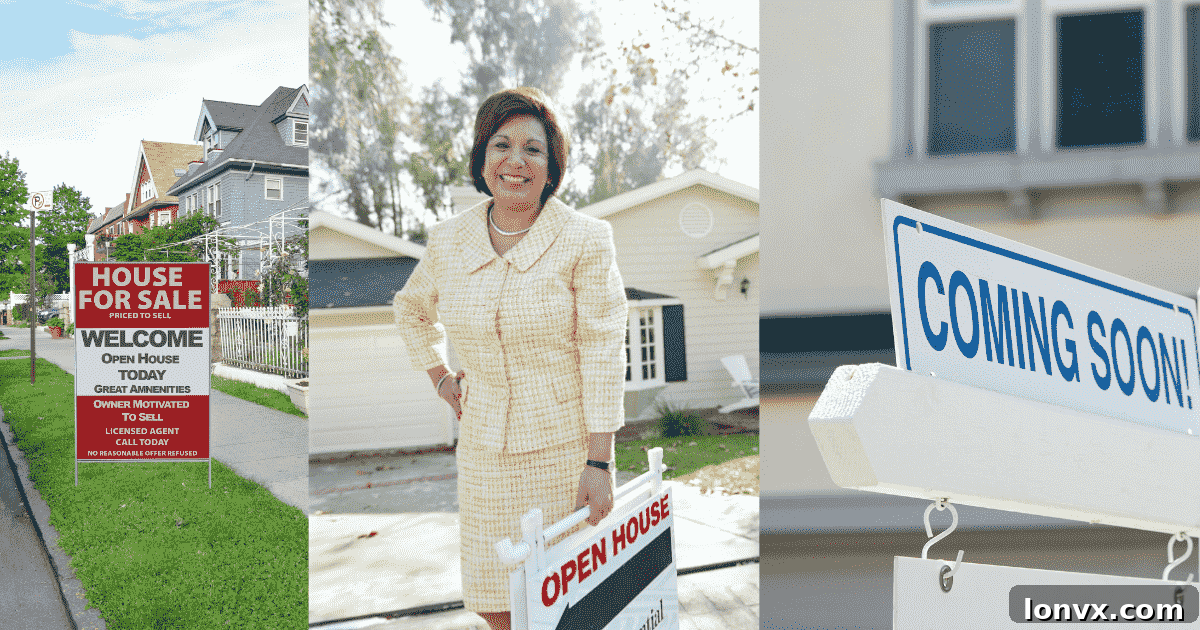
Creating significant momentum and palpable excitement leading up to these “grand open house weekends” is absolutely paramount to generating the desired hype. Reid consistently emphasizes the critical role of extensive and strategic “coming soon” advertising. This proactive and aggressive marketing strategy is designed to build anticipation well in advance, thereby ensuring a robust and enthusiastic turnout on the day of the event. Leveraging a diverse array of marketing channels, from highly targeted social media campaigns and engaging email newsletters to local media placements and distinctive, eye-catching signage, is absolutely key to generating widespread buzz long before the property’s doors even officially open. A well-crafted pre-marketing campaign should meticulously highlight the unique, compelling features of the property and, most crucially, artfully tease the extraordinary open house experience itself, compelling potential attendees to eagerly mark their calendars.
The sentiment regarding the immense importance of advance advertising is strongly echoed by the highly successful wife-and-husband real estate team, Kelly and Michael MacKendrick of Sutton Group Heritage in Ontario. They fully concur that “a lot depends on advertising in advance.” While perhaps not venturing to the same “extreme” lengths as Reid’s elaborate events, their pragmatic approach clearly demonstrates the profound effectiveness of solid pre-event promotion. They successfully managed to pack the open houses for the sale of their own home in Markham, prior to their tranquil move to the charming small town of Meaford. Kelly vividly recalls, “Even during COVID we’d have people lined up out the door for open houses, once they were allowed again,” a powerful testament to the enduring appeal and necessity of these events when they are effectively and strategically promoted.
Beyond the critical pre-event marketing, the on-site experience itself is heavily influenced, perhaps more than anything else, by the realtors who host the event. A warm, genuine, and engaging welcome can truly make all the difference, setting the tone for the entire visit. Many prospective buyers have unfortunately experienced open houses where agents barely acknowledge visitors, resulting in a cold, impersonal, and ultimately uninviting atmosphere. This detached approach is decidedly not the MacKendricks’ style, nor do they believe it is constructive or effective. Instead, they champion genuine hospitality and active engagement, deeply understanding that a positive human connection can significantly enhance a visitor’s perception of both the property and the overall open house experience. A friendly greeting, a sincere offer of assistance, and a readiness to answer questions immediately sets a positive, welcoming tone and makes visitors feel truly valued and comfortable exploring the home.
The Art of Selling: Engaging, Informing, and Forging Connections
“A large part of whether or not you’re successful at an open house comes down to the art of selling,” asserts Michael MacKendrick, highlighting a fundamental truth in real estate. He elaborates further, stating, “If you’re not engaging, I can see why an open house wouldn’t be as effective.” This insightful perspective underscores a crucial distinction: an open house is not merely a passive display of a property; rather, it is an active and dynamic opportunity for selling. It demands far more than just a physical presence; it requires proactive engagement, exceptional communication skills, and a genuine ability to connect meaningfully with a diverse range of individuals who walk through the door.
The MacKendricks are staunch and vocal advocates for open houses, primarily due to their proven ability to maximize exposure for their clients—which, as they astutely point out, is fundamentally “the name of the game” in the competitive world of real estate. Furthermore, these events serve as invaluable potential sources of new clients for diligent agents. Many attendees might be unrepresented buyers, actively seeking a realtor, or they may bring along friends and family who are considering a move in the near future. Unlike some agents who might be hesitant to engage with non-buyers, Kelly and Michael are not at all adverse to extending invitations to people who aren’t immediately in the market to buy. They possess a keen understanding that every interaction, regardless of immediate intent, can be a valuable networking opportunity, helping to effectively “get the word out” about the property and, equally important, about their exceptional services.
This inclusive and forward-thinking approach even extends to neighbors, encompassing both the merely curious and those genuinely interested in local property values. “Some of your best advocates are the neighbours. We’ve gotten clients that way,” says Kelly, emphasizing the unexpected but powerful role neighbors can play. Neighbors often possess a deep, intimate, and authentic knowledge of the area—its hidden gems, unique community nuances, local amenities, and neighborhood dynamics—which they can organically share with prospective buyers. Their testimonials, even informal ones shared over a cup of coffee, can be incredibly powerful and persuasive. Moreover, actively engaging with neighbors provides agents with invaluable “intel on the neighbourhood,” significantly enriching their own understanding of the community and enabling them to better market the lifestyle and communal aspects of the home.
Thinking Beyond the Box: Innovative Strategies for Maximizing Attendance and Impact
To truly differentiate themselves and stand out in a crowded market, realtors must wholeheartedly embrace unconventional and creative thinking when planning and executing open houses. The MacKendricks exemplify this innovative spirit by occasionally holding open houses at what might traditionally be considered “odd” or non-standard times, such as in the late evening or precisely as school is letting out. Their sage advice is clear and concise: “You never know what will work. Look for opportunities.” This invaluable flexibility and willingness to experiment with timing can strategically unlock new demographics of potential buyers who might be unavailable during the more traditional weekend daytime hours. For instance, an evening open house, perhaps subtly and artistically lit to highlight a property’s unique ambiance and cozy atmosphere, could prove particularly appealing to busy working professionals. Similarly, timing an open house to coincide with school dismissal might strategically attract families with children who are seeking convenience and community.
Taking this strategic thinking even further, realtors could significantly boost attendance and generate widespread interest by timing open houses to perfectly coincide with established and popular local events. Imagine the immense potential of a property tour happening during a bustling street fair, a vibrant neighborhood-wide garage sale, an engaging community concert, or any other well-attended public gathering. This symbiotic relationship allows realtors to cleverly tap into an existing and active flow of local traffic, exposing their listing to a much broader and more diverse audience that might not have otherwise sought out a traditional open house. Promoting the open house as a complementary attraction to a popular local event can create a powerful and irresistible draw, effectively positioning the property as an integral and desirable part of a vibrant, thriving community experience.
Beyond innovative timing, consider the impactful potential of thematic open houses. For a historic home brimming with character, a heritage-themed open house, perhaps featuring local artifacts, historical anecdotes, or even actors in period costumes, could create a truly unique and memorable draw. A property boasting a sprawling, meticulously maintained garden could host a charming “garden party” open house, specifically appealing to horticulture enthusiasts and those who appreciate outdoor living. For a modern, minimalist condo, an art exhibition or a smart home tech showcase could attract a design-conscious demographic. The overarching key is to diligently identify the unique selling propositions of the home and the surrounding community, and then creatively and authentically weave these elements into the open house experience to make it truly unforgettable, irresistible, and perfectly aligned with the target buyer’s aspirations.
A Balanced Perspective: Navigating Challenges and Setting Clear Expectations
While the concept of the “extreme” or elevated open house offers undeniable and significant advantages in attracting attention and generating buzz, it is equally crucial to acknowledge and address other perspectives and potential challenges inherent in this marketing approach. Tim Hill, a highly respected top producer and real estate advisor with Re/Max in Greater Vancouver, offers a more cautious and nuanced view. He observes, through years of experience, that sellers’ initial enthusiasm and interest in open houses often tends to taper off after the initial stages of a property’s listing. “Open houses are most effective when a property is just listed,” he asserts, or when it has recently undergone a significant and strategic price reduction. In these specific and targeted scenarios, an open house can incredibly effectively generate initial excitement, capture fresh interest, and strategically re-ignite flagging attention.
Hill further explains that the practice of holding too many open houses can paradoxically “water down” the overall experience for everyone involved, particularly for the sellers. The continuous and demanding cycle of meticulously preparing the home, ensuring it’s absolutely spotless, and then having to vacate for extended periods can lead to significant fatigue, inconvenience, and even frustration for homeowners. This highlights a critical point for realtors: the substantial effort and inconvenience required from sellers must always be justified by the tangible potential return. If open houses become overly frequent without consistently yielding concrete leads or genuine buyer interest, sellers may understandably become disengaged, disheartened, and even resentful, which can negatively impact the entire sales process and the realtor-client relationship.
In Hill’s seasoned professional opinion, open houses, when not strategically planned and managed with precision, “are not the most effective tool.” His primary concern, shared by many, stems from the frequent attendance of “looky-loos”—individuals who are merely curious about homes in the neighborhood, without any serious or immediate intention to buy—and potential buyers who have not been prequalified for a mortgage. This influx of unqualified traffic can consume valuable agent time, energy, and resources without genuinely advancing the sale, often making the event feel unproductive and inefficient. While a certain degree of casual viewing is an inevitable part of the open house dynamic, excessive unqualified traffic can significantly detract from the event’s primary purpose. This clearly suggests a vital need for balance: encouraging broad attendance to maximize exposure while simultaneously implementing smart strategies to identify and genuinely engage with genuinely interested and qualified parties.
Essential Best Practices: Clear Communication and Strategic Pre-Marketing
Despite these familiar and valid concerns, many industry veterans and successful real estate professionals continue to champion the open house, particularly when it is executed with thoughtful planning, robust strategy, and crystal-clear communication. Akash Bedi, a highly respected Re/Max broker and past president of the Winnipeg Regional Real Estate Board, notes a recent and encouraging increase in open house “traffic counts” now that the summer season has concluded, indicating a notable resurgence of buyer interest, even during colder months when activity might typically wane.
Bedi’s invaluable advice for maximizing the effectiveness and impact of open houses is both straightforward and absolutely vital: begin by making seller expectations unequivocally clear from the very outset. This crucial discussion should meticulously outline the precise level of home preparation required, the proposed frequency of events, and the realistic potential outcomes of hosting open houses. Effectively managing expectations upfront can proactively prevent misunderstandings, alleviate seller fatigue, and foster a cooperative relationship. Equally important is allocating ample time for comprehensive pre-marketing—at least “four to five days,” he suggests, is ideal. This crucial lead time ensures that potential attendees are well-informed, have sufficient opportunity to adjust their busy schedules, and arrive at the open house prepared to genuinely engage with and explore the property. Effective pre-marketing should extend far beyond merely listing the time and date; it should expertly build anticipation for the unique experience itself.
Furthermore, Bedi astutely observes that many experienced realtors strategically involve new agents in open houses, both for hosting the events and assisting with their comprehensive marketing. This invaluable practice provides unparalleled, real-world, on-the-job training for budding new talent, exposing them firsthand to crucial client interaction, effective property presentation techniques, and the nuances of direct sales, while simultaneously providing essential additional support for the primary listing agent. From Bedi’s extensive experience and keen observations, it is abundantly evident that the vast majority of agents and their clients across Canada “still use open houses as a listing and marketing tool,” recognizing and valuing their enduring effectiveness and integral role in the complex and competitive home sales process.
Ultimately, the prevailing consensus among many influential voices in the real estate community is clear: open houses, whether executed in a more traditional manner or as highly “elevated” experiences, remain a fundamental and widely expected component of the challenging yet rewarding home selling journey. While not every property will warrant an extreme, celebrity-chef-filled extravaganza, every single open house unequivocally benefits from thoughtful planning, genuine hospitality, a meticulous attention to detail, and a clear, compelling strategy designed to engage, impress, and convert visitors into serious buyers. The key to consistent success lies in adapting the approach to perfectly fit the unique characteristics of the property, the dynamics of the current market, and the specific goals of the seller, thereby ensuring that each open house serves not just as a viewing opportunity, but as a compelling and unforgettable invitation to a new and exciting chapter of life for prospective homeowners.
Most clients, though by no means all, continue to appreciate and genuinely anticipate the open house experience – a powerful testament to the enduring human desire to physically experience and emotionally connect with a potential future home before making one of life’s most significant investments.
Enjoying this article?
Get the latest REM articles in your inbox 3x week so you stay up to date on the latest in the Canadian real estate industry