Transforming a Slow Market: Your Proactive Guide to Unlocking Growth
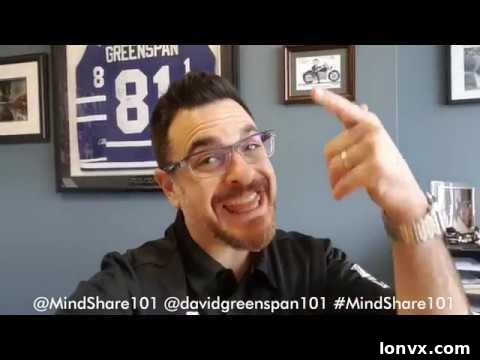
It’s really easy to fall into the trap of complaining about a slow market. The headlines might be grim, customer spending habits shift, and the general economic outlook can feel daunting. However, in any challenging climate, there’s a powerful truth: your success isn’t solely dictated by external conditions, but by your internal response. It’s up to you to make it better. This article, echoing the insights of industry leaders like David Greenspan, will outline the essential steps you need to take to stop waiting for change and start actively turning things around for your business, your team, and your bottom line.
The Allure and Illusion of the “Slow Market” Complaint
The phrase “slow market” often becomes a convenient shield, a collective excuse that allows individuals and businesses to justify stagnation. It’s a comfortable narrative because it externalizes blame, shifting the responsibility away from personal agency. While economic cycles and market fluctuations are undeniable realities, succumbing to the “slow market” mentality can be the most significant barrier to innovation and growth. This mindset fosters passivity, leading to reduced effort, diminished creativity, and a reluctance to explore new avenues. True leaders and successful entrepreneurs understand that the market is merely a landscape; it’s how you navigate it that determines your journey.
Instead of viewing a slow market as an insurmountable obstacle, it should be perceived as a catalyst for introspection and strategic realignment. It’s an opportunity to scrutinize existing practices, identify vulnerabilities, and uncover untapped potential that might have been overlooked during more prosperous times. The illusion of the “slow market” is that it controls you; the reality is that you possess the power to control your response to it.
David Greenspan’s Core Philosophy: Embracing Radical Ownership
As highlighted by thought leaders such as David Greenspan, the cornerstone of navigating any market condition, especially a challenging one, is radical ownership. This philosophy posits that regardless of external circumstances, you are ultimately responsible for your outcomes. It’s about shifting from a victim mentality to one of empowerment. When the market appears sluggish, it’s not a signal to retreat, but a demand to increase your effort, sharpen your strategies, and elevate your value proposition. Greenspan’s perspective implicitly urges professionals to look inward, not outward, for solutions, emphasizing that your attitude, actions, and adaptiveness are the most potent tools in your arsenal.
This ownership extends to every facet of your professional life: your sales pipeline, your marketing efforts, your client relationships, and your personal development. It means taking accountability for every lead not generated, every follow-up not made, and every opportunity not seized. By adopting this mindset, you transform from a passive observer of market trends into an active shaper of your own destiny, creating momentum even when the wider economy seems to be at a standstill. It’s a powerful shift from “what is the market doing to me?” to “what am I doing for the market and my clients?”
Re-evaluating Your Strategy: When Old Approaches No Longer Serve
Analyzing Current Performance and Identifying Gaps
The first tangible step in turning things around is a comprehensive and honest evaluation of your current strategies. What worked six months or a year ago might be ineffective today. Are your marketing messages still resonating? Is your sales approach still closing deals at an acceptable rate? Dig deep into your data. Look at conversion rates, lead sources, client acquisition costs, and retention figures. Pinpoint exactly where the slowdown is occurring. Is it a problem with lead generation, qualification, negotiation, or closing? A clear understanding of the “where” and “why” is crucial before you can devise effective solutions.
Innovating Your Offerings and Value Proposition
A slow market often means customers are more discerning, budget-conscious, and risk-averse. This is the perfect time to innovate and refine your value proposition. How can you make your product or service indispensable? Can you bundle services, offer more flexible terms, or provide unique guarantees? Focus on solving pressing customer problems with renewed vigor. Perhaps your market needs a more cost-effective solution, a quicker turnaround, or a more personalized experience. Differentiating yourself by offering superior value is paramount. Be creative; consider how you can add value that competitors are overlooking, turning potential weaknesses into unique selling points.
Adapting Your Communication and Outreach
Your communication strategy must also evolve. Generic messages are easily ignored in a cautious market. Personalization and empathy become critical. Understand the specific challenges your clients are facing and tailor your conversations to address those directly. This might involve shifting from broad-stroke advertising to highly targeted campaigns, or from aggressive sales pitches to consultative problem-solving. Engage with your audience where they are, listen more than you speak, and demonstrate genuine understanding of their current pain points.
Boosting Proactive Engagement and Expanding Your Reach
Intensified Outreach and Strategic Networking
In a slow market, simply waiting for leads to come to you is a recipe for failure. You need to significantly intensify your proactive outreach. This means more phone calls, more emails, more personalized messages, and more face-to-face (or virtual) meetings. Revitalize your networking efforts; attend industry events, join relevant online communities, and actively seek out new connections. Leverage your existing network for introductions and referrals. Remember, every “no” brings you closer to a “yes,” and a slow market demands a higher volume of activity to achieve the same results as a booming one.
Reinventing Your Value and Cultivating Relationships
Beyond initial outreach, focus on building and nurturing relationships. In times of uncertainty, trust becomes an even more valuable currency. Provide exceptional service to your existing clients; they are your best source of repeat business and referrals. Offer free advice, share valuable content, and position yourself as a helpful resource, not just a salesperson. This long-term relationship building creates loyalty that pays dividends when the market eventually picks up, and it can sustain you during leaner times through word-of-mouth recommendations.
Leveraging Technology for Efficiency and Impact
Technology is your ally in a slow market. Utilize CRM systems to manage your leads and client interactions efficiently. Automate repetitive tasks to free up time for high-value activities. Employ advanced analytics to understand your customer behavior better and personalize your outreach. Social media platforms can be powerful tools for thought leadership and engagement, allowing you to reach a wider audience and establish your expertise without significant traditional marketing spend. Explore new digital tools that can streamline your operations, enhance your customer experience, or provide a competitive edge.
Cultivating a Resilient Mindset for Sustained Success
Overcoming Negative Headwinds and Maintaining Momentum
The psychological toll of a slow market cannot be underestimated. It’s easy for negativity and discouragement to creep in, impacting motivation and productivity. Cultivating a resilient mindset is not about ignoring challenges, but about developing the mental fortitude to push through them. Set small, achievable goals to maintain a sense of progress. Celebrate minor victories. Surround yourself with positive influences and mentors who can offer encouragement and fresh perspectives. Your internal dialogue significantly impacts your external actions, so consciously choose optimism and determination over despair.
Embracing Continuous Learning and Personal Development
A slow market is an opportune time for self-improvement and skill development. Invest in continuous learning – read industry books, take online courses, attend webinars, or seek out coaching. Sharpen your sales techniques, improve your marketing knowledge, or learn a new skill that could open up new opportunities. The more knowledgeable and skilled you become, the more adaptable and valuable you are, regardless of market conditions. View this period as a strategic pause for personal and professional growth, making you stronger when the market rebounds.
Setting Realistic Expectations While Aiming High
While maintaining a positive outlook, it’s also important to set realistic expectations. Growth might be slower, and deals might take longer to close. Acknowledge these realities without letting them deflate your ambition. Adjust your KPIs (Key Performance Indicators) to reflect the current climate, but ensure they still challenge you. The goal isn’t to pretend the market isn’t slow, but to establish ambitious yet attainable targets that keep you focused and motivated, driving consistent effort towards a brighter future.
Data-Driven Decisions in a Challenging Landscape
In a slow market, every resource, every minute, and every strategy must be optimized for maximum impact. This necessitates a strong reliance on data-driven decision-making. Move beyond guesswork and gut feelings. Track your metrics diligently: conversion rates at each stage of your sales funnel, sources of leads, customer feedback, and the return on investment for all your marketing and sales activities. Data provides undeniable insights into what is working, what isn’t, and where adjustments are critically needed. Identifying bottlenecks in your process or underperforming channels becomes easier with clear, measurable data.
Beyond tracking, actively use this data to perform A/B testing on your outreach messages, website calls-to-action, or service offerings. Experiment with different approaches and let the data guide your optimization efforts. A slow market demands agility; being able to quickly identify successful strategies and discard ineffective ones based on real numbers is a significant competitive advantage. Data doesn’t just tell you what happened; it informs what you should do next, enabling a proactive and responsive strategy.
Actionable Steps You Can Implement Today to Turn the Tide
Complaining serves no purpose. Action, however, changes everything. Here are concrete steps you can take starting today:
- Audit Your Pipeline: Go through every lead and client in your CRM. Identify who needs a follow-up, a value-add message, or a re-engagement strategy. Don’t let any potential opportunity slip through the cracks.
- Identify New Lead Sources: Brainstorm at least three new, unconventional ways to generate leads. Could it be a strategic partnership, a niche online community, or a local business collaboration?
- Refine Your Pitch: Practice your elevator pitch and your core value proposition. Ensure it’s concise, compelling, and directly addresses current customer challenges. Get feedback from peers.
- Invest in Your Skills: Dedicate 30 minutes daily to learning something new related to your industry, sales, or marketing. Watch a tutorial, read an article, or listen to a relevant podcast.
- Seek Mentorship or Coaching: Connect with someone who has successfully navigated challenging markets before. Their insights can be invaluable in guiding your actions and boosting your confidence.
- Block Dedicated Prospecting Time: Schedule specific, non-negotiable blocks of time each day or week purely for proactive outreach and lead generation. Treat these appointments as sacred.
- Focus on Value Over Price: In conversations, emphasize the long-term benefits, problem-solving capabilities, and ROI of your offering, rather than leading with price.