Navigating the Shifting Landscape: Climate Change, Natural Disasters, and the Future of Real Estate
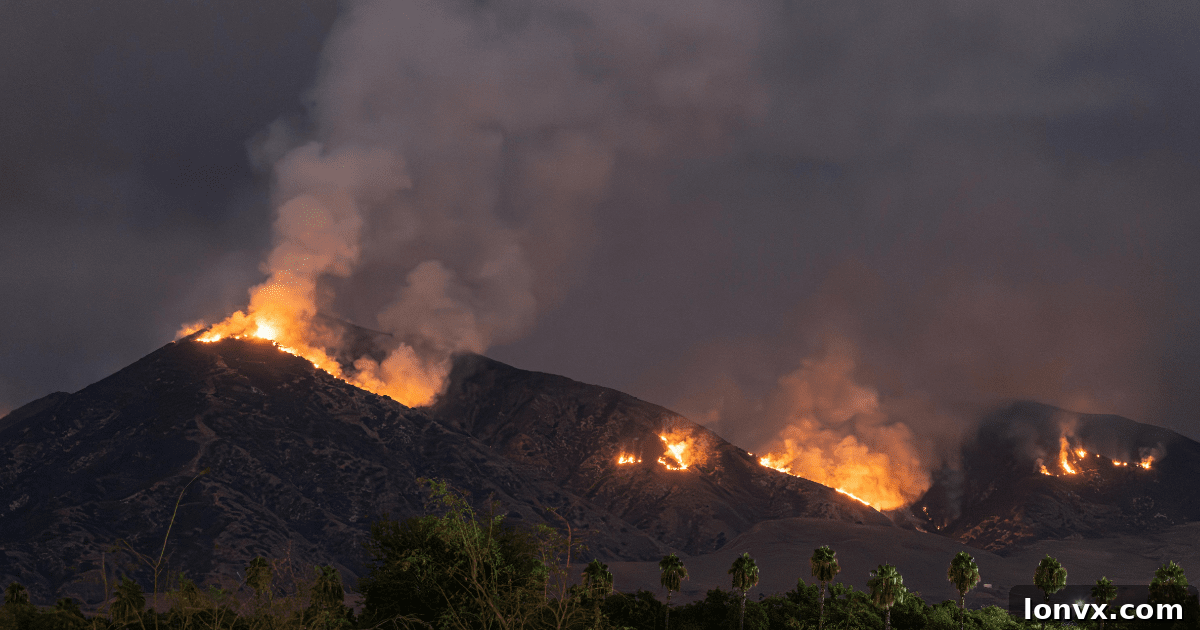
Natural disasters are no longer distant news; they are an urgent reality shaping communities across the globe. Just recently, the world watched in dismay as wildfires ravaged parts of Jasper, consuming a significant portion of the town’s structures, leading to the evacuation of 25,000 residents, and tragically claiming the life of a firefighter, alongside an staggering $880-million in insurance claims. Simultaneously, devastating fires in Los Angeles underscored the growing threat, resulting in numerous fatalities, hundreds of thousands displaced, and thousands of structures damaged or destroyed. These events serve as stark reminders of the escalating risks faced by homeowners and the broader real estate sector.
The aftermath of such disasters presents an immediate and profound housing challenge. When thousands of homes are rendered uninhabitable, the need for alternative accommodation skyrockets. Imagine the immense pressure on Canada’s already strained housing market if a disaster of similar scale were to strike a heavily populated area. Our existing housing crisis would be exacerbated by the sudden demand for tens of thousands of homes, creating an unprecedented logistical and social challenge.
Canada’s Growing Vulnerability: “It Can Happen Here”
It’s easy to think of these catastrophic events as distant problems, confined to specific geographies. However, dismissing the possibility of similar crises in Canada would be a grave mistake. The parallels between regions like Los Angeles and British Columbia’s Lower Mainland are too significant to ignore. Los Angeles experienced its driest nine-month period on record before the recent wildfires, a grim echo of B.C.’s unforgettable “heat dome” event, which left a lasting impact on residents.
While B.C. may not typically experience the intensely dry, hot winds characteristic of California’s Santa Anas, our region is no stranger to powerful outflow winds emanating from high-pressure systems in the B.C. Interior. These conditions, combined with warming temperatures and dry landscapes, create fertile ground for extreme fire behavior. Moreover, the risks extend beyond wildfires, encompassing a spectrum of climate-related threats that demand our immediate attention and proactive measures.
Beyond Wildfires: Floods, Sea-Level Rise, and Other Hazards
British Columbia, like many other Canadian provinces, faces a diverse array of natural hazards that are being amplified by a changing climate. Beyond the increasingly frequent and severe wildfires, we contend with significant flood risks, as evidenced by catastrophic flooding events that have submerged communities and caused widespread damage. Looking further ahead, sea-level rise represents a slower but relentless threat, particularly to coastal communities and infrastructure. These varied risks mean that a comprehensive approach to climate adaptation is imperative for the long-term sustainability of our communities and economy.
Climate Change: The Undeniable Amplifier of Natural Disasters
While climate change alone may not be the sole “cause” of every wildfire or flood, its role as a significant amplifier of environmental conditions is undeniable. Decades of insufficient preventative measures, coupled with a warming planet, have created a landscape where natural events can escalate into catastrophic disasters with far greater ease and intensity. Rising global temperatures contribute to prolonged droughts, create drier vegetation that acts as fuel for fires, and intensify weather patterns, leading to more extreme precipitation and flooding.
The impact of these intensified disasters is multifaceted, extending far beyond immediate financial losses. While insurance claims can reach astronomical figures, quantifying the full human cost is far more challenging. Deaths, injuries, mass displacement, the destruction of cherished family heirlooms, and the irreversible loss of personal memories leave deep, lasting scars on individuals and communities. The psychological trauma experienced by survivors, coupled with the disruption of social fabric, underscores the profound and enduring consequences of these events.
The Future of Real Estate in High-Risk Zones: A Paradigm Shift
The escalating frequency and severity of natural disasters are fundamentally altering the landscape of real estate, particularly in areas identified as high-risk. Property values, market demand, and the very feasibility of homeownership are increasingly influenced by climate-related vulnerabilities. This shift demands a critical re-evaluation of how properties are assessed, insured, and transacted.
The Growing Insurance Crisis: Premiums, Refusals, and Market Impact
One of the most immediate and impactful consequences of increasing natural disaster risks is the transformation of the property insurance market. Properties situated in riverfront, lakeside, oceanfront, or heavily forested areas, once considered prime real estate, are now facing intense scrutiny from insurers. This heightened risk assessment translates directly into rapidly rising annual premiums, with some homeowners experiencing exponential increases. Even more concerning, insurance companies are increasingly refusing to renew policies in the highest-risk regions, leaving property owners without vital coverage.
Without adequate property insurance, financial institutions are often unwilling to grant mortgages. This creates a significant barrier to homeownership, effectively limiting potential buyers to those who can afford cash-only deals. This severely constrains the market, potentially leading to stagnation or decline in property values in vulnerable areas. The fundamental question for any prospective buyer becomes: who would be willing to invest substantial equity in a property they cannot adequately insure against foreseeable risks?
Affordability Challenges and the Mandate for Mitigation
Even where insurance remains attainable for homes in higher-risk locations, it comes at an exceptionally high cost, further eroding property affordability. This elevated expense adds a significant burden to homeowners, impacting their overall financial stability and making homeownership less accessible, particularly for first-time buyers or those with limited financial flexibility. This also disproportionately affects lower-income communities, exacerbating social inequities.
Furthermore, insurance coverage may increasingly come with stringent caveats. Insurers are beginning to mandate specific risk mitigation measures as a prerequisite for coverage. This could include requirements for flood protection levees, the creation of defensible space through separation from forest interfaces, or the exclusive use of fire-resistant roofing and cladding materials. While these measures are crucial for protecting properties, they represent additional, often significant, costs for homeowners. The financial feasibility of implementing such upgrades will become a critical factor in maintaining insurance coverage and, by extension, mortgage eligibility.
Homeowner Protection and Evolving Consumer Awareness
Beyond the financial implications, the personal safety and well-being of homeowners are paramount. Prospective purchasers are increasingly considering the risks to their families, such as prolonged exposure to poor air quality from wildfire smoke or the psychological stress and practical challenges of emergency evacuations due to flood or fire warnings. These tangible threats are fundamentally altering consumer preferences and perceptions of “desirable” locations.
As public awareness of property-specific climate risks grows, the willingness to pay top dollar for properties previously considered idyllic or highly desirable is likely to decline. Buyers are becoming more discerning, prioritizing safety, resilience, and long-term livability. This shift will undoubtedly lead to a re-evaluation of property values in vulnerable areas, pushing demand towards more resilient locations or properties that have demonstrably invested in climate adaptation measures.
The Indispensable Role of Real Estate Professionals
In this evolving landscape, the role of Realtors is more critical than ever. As the first point of contact for many buyers and sellers, real estate professionals are uniquely positioned to guide clients through these complex considerations. This necessitates a proactive approach to understanding and communicating climate-related risks.
Enhanced Disclosure and Informed Decision-Making
From a regulatory standpoint, governments are expected to impose higher disclosure requirements, ensuring that prospective home buyers are fully informed of potential climate change-induced hazards. It will be incumbent upon Realtors to provide comprehensive information, empowering buyers to make informed decisions with a full understanding of the potential risks associated with a property. This includes understanding the nuances of flood plains, wildfire interface zones, and local climate adaptation plans.
Becoming Trusted Advisors in a New Market Reality
While no one expects Realtors to become overnight subject-matter experts in climatology or environmental engineering, developing foundational knowledge about which areas are susceptible to seasonal or overland flooding, or at the highest risk from wildfires, will be essential. This includes knowing where to access relevant municipal flood maps, wildfire hazard assessments, and geological reports. Realtors can become trusted advisors by actively seeking out and disseminating this crucial information, potentially collaborating with environmental consultants, insurance brokers, and local planning departments.
The days of ignoring the realities of climate change because its impacts weren’t immediately visible are definitively over. The residents of Jasper and Los Angeles can attest to the immediate and devastating consequences. As real estate professionals, our commitment to due diligence, transparency, and client education will define our success in navigating this new and challenging era.
Building a Resilient Future: A Collective Responsibility
Addressing the profound challenges posed by climate change and natural disasters in the real estate sector requires a concerted, collective effort. This encompasses robust government policies that prioritize climate adaptation and resilience in urban planning and infrastructure development. It demands community-level preparedness, fostering collaboration among residents, local authorities, and emergency services. And it requires individual homeowners to take proactive steps to protect their properties and families.
Investing in resilient infrastructure, implementing effective land-use planning that respects natural hazards, and promoting sustainable building practices are no longer optional but essential. By working together, we can mitigate the risks, safeguard our communities, and build a more secure and resilient future for generations to come. The time for action is now.
Enjoying this article?
Get the latest industry insights directly to your inbox 3 times a week so you stay up to date on the latest in the Canadian real estate industry.