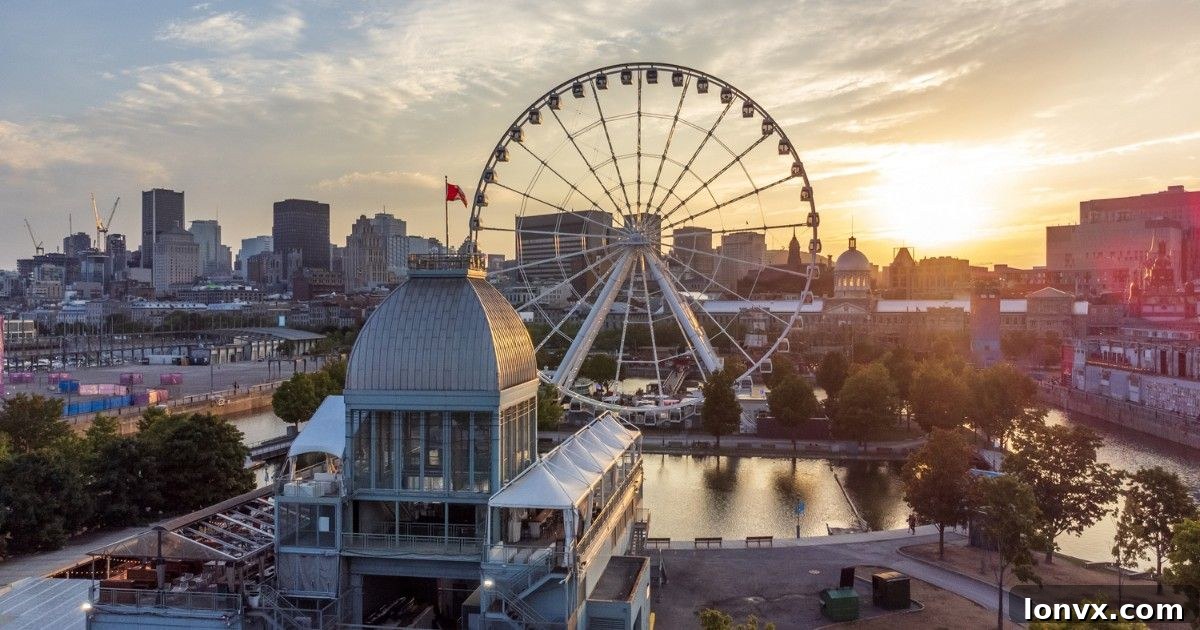
Greater Montreal’s housing market experienced a remarkable surge in July, with home sales escalating by a robust 10 percent year-over-year. This notable increase, as reported by the Quebec Professional Association of Real Estate Brokers (QPAREB), underscores the enduring strength and resilience of the region’s real estate sector. Over 3,700 properties successfully changed hands last month, signaling a vibrant market propelled by consistent buyer demand and a steady increase in property values. The competitive nature of the market was further highlighted by the prevalence of overbidding, where successful bids exceeded the asking price by at least five percent, occurring in 11 percent of all transactions. This dynamic points to a healthy, albeit challenging, environment for prospective buyers, as demand continues to outstrip available supply in many segments.
The percentage of overbid sales recorded in July mirrors figures from the previous year, suggesting a sustained pattern of intense competition among buyers. This consistency is particularly noteworthy given the broader economic landscape, which has seen its share of fluctuations. Hélène Bégin, a senior economist at QPAREB, emphasized Montreal’s unique market position, stating, “Despite the volatility in the economy, Montreal’s real estate market experienced a very active month of July and stands out positively compared to certain Canadian markets—particularly Vancouver and Toronto—where sales and prices dropped in early spring due to disruptions caused by the first wave of U.S. tariff hikes.” Her analysis highlights Montreal’s ability to navigate external economic pressures with greater stability, cementing its reputation as a reliable and attractive real estate investment hub within Canada. This resilience is a testament to various underlying factors, including a diversified local economy, a steady influx of new residents, and a comparatively more affordable entry point than its larger counterparts.
Greater Montreal Real Estate Defies Broader Economic Headwinds
The impressive 10 percent year-over-year increase in sales volume in Greater Montreal during July is more than just a statistic; it reflects a deep-seated confidence in the region’s economic stability and future growth. With over 3,700 homes sold, the market demonstrated significant transactional activity, providing ample evidence of a thriving housing sector. This robust performance contrasts sharply with the slowdown observed in other major Canadian urban centers, where fluctuating interest rates and broader economic uncertainties have tempered buyer enthusiasm. Montreal’s ability to maintain, and even accelerate, its sales pace indicates a unique market dynamic at play, driven by local factors that buffer it from national or international economic turbulences. The continued influx of immigrants, a strong job market, and a vibrant cultural scene all contribute to making Greater Montreal a highly desirable place to live, thus sustaining demand for housing across all categories.
The phenomenon of overbidding, which occurred in 11 percent of transactions, serves as a clear indicator of the intensity of buyer competition. This isn’t merely about individual homes selling for more than their asking price; it’s a symptom of a market where desirable properties, particularly those in sought-after neighborhoods or with specific features, receive multiple offers. This competitive environment empowers sellers, often allowing them to secure prices significantly above their initial expectations. The fact that this level of overbidding remained consistent with the previous year’s July figures further underscores the persistent imbalance between supply and demand. For buyers, this means being well-prepared, having pre-approved financing, and potentially needing to act swiftly and decisively to secure a property in a market that strongly favors sellers. Understanding these dynamics is crucial for anyone looking to enter or exit the Greater Montreal real estate market.
Expert Insights: Unpacking Montreal’s Unique Market Resilience
Hélène Bégin’s expert analysis from QPAREB offers critical insight into why Greater Montreal’s real estate market continues to thrive amidst economic volatility. The “disruptions caused by the first wave of U.S. tariff hikes” she refers to created ripples across various sectors, impacting consumer confidence and investment strategies in other major Canadian cities. Markets like Vancouver and Toronto, often characterized by higher price points and a larger share of speculative investment, proved more sensitive to these external economic pressures, leading to declines in both sales volumes and average prices. Montreal, however, appears to have weathered these storms with greater fortitude.
Several factors contribute to Montreal’s distinct resilience. Firstly, the city’s real estate market is often perceived as more fundamentally driven by local demand and less by international speculative capital compared to some of its counterparts. This domestic-centric demand fosters greater stability. Secondly, Montreal boasts a diverse economy with strong sectors in technology, aerospace, pharmaceuticals, and education, creating a steady stream of employment opportunities and attracting a skilled workforce. This economic diversity reduces reliance on any single industry, cushioning the market against sectoral downturns. Thirdly, the relative affordability of housing in Montreal, when compared to Vancouver or Toronto, continues to attract both domestic and international buyers seeking value and quality of life. This affordability factor acts as a significant draw, ensuring a continuous flow of new residents and investors who find the market accessible and promising. These combined elements paint a picture of a robust market with solid foundational support, distinguishing it in the national real estate landscape.
Rising Prices Amidst Stable Inventory: A Seller’s Paradise Unfolds
The most compelling narrative emerging from Greater Montreal’s July real estate report is the significant escalation in property prices occurring concurrently with a relatively stable inventory. This combination inherently defines a seller’s market, where the dynamics of supply and demand are heavily skewed in favor of property owners. The number of active listings only saw a modest two percent increase, a figure insufficient to satiate the growing appetite of buyers. In a market characterized by rising sales volumes and limited new listings, competition intensifies, naturally driving up property values across all residential categories.
The Dynamics of a Seller’s Market
A seller’s market is fundamentally defined by a scenario where buyer demand outstrips the available supply of homes. The modest two percent increase in active listings, while technically a growth, is dwarfed by the 10 percent surge in sales. This means homes are selling faster than new ones are coming onto the market, or at least at a pace that prevents inventory from accumulating significantly. For sellers, this translates into several advantages: reduced time on market, often multiple offers, and the ability to negotiate from a position of strength, frequently leading to sales above the asking price. Buyers, on the other hand, face heightened competition, requiring them to be pre-approved for mortgages, make strong initial offers, and potentially waive certain conditions to make their bids more attractive. This environment necessitates strategic planning and quick decision-making from all participants.
Single-Family Homes Lead the Charge in Price Appreciation
Among the various residential property types, single-family homes in the Greater Montreal area demonstrated the most substantial price growth. The median price for a single-family home climbed by an impressive seven percent year-over-year, reaching $625,000. This segment remains a cornerstone of the market, driven by persistent demand from families seeking more space, private outdoor areas, and a sense of permanence. The appeal of single-family homes intensified during recent years, as preferences shifted towards properties offering greater comfort and room for remote work or schooling. The limited inventory of these highly coveted properties, particularly in desirable suburban and urban-fringe areas, continues to exert upward pressure on prices. For many, acquiring a single-family home represents a significant life milestone and a sound long-term investment, further fueling this robust demand despite rising costs.
Condo Market: Steady Growth and Urban Appeal
The condominium market in Greater Montreal also demonstrated steady appreciation, with prices rising three percent year-over-year. While not as dramatic as single-family homes, this growth is significant and reflects the continued appeal of urban living, affordability relative to detached homes, and investment potential. Condos often serve as an accessible entry point for first-time buyers into the property market, offering a blend of modern amenities, convenient locations, and a lower maintenance lifestyle. The diverse range of condo offerings, from vibrant downtown units to more spacious options in surrounding boroughs, caters to a broad demographic, including young professionals, downsizers, and investors. This segment’s consistent growth underscores Montreal’s enduring appeal as a vibrant metropolitan center where urban living remains a highly sought-after choice for many residents.
Multiplexes: Investment Opportunities Flourish
Perhaps the most indicative of Montreal’s unique housing culture is the performance of multiplexes. Properties with up to five units saw an impressive eight percent increase in prices, showcasing a thriving market for multi-unit dwellings. Multiplexes hold a special place in Montreal’s urban fabric, offering compelling opportunities for both owner-occupiers and investors. For many, purchasing a multiplex allows for income generation from rental units, significantly offsetting mortgage costs and making homeownership more attainable. They also provide flexible living arrangements, ideal for multi-generational families or those seeking to live close to loved ones while maintaining separate residences. Investors are drawn to multiplexes for their stable rental income potential and long-term capital appreciation, particularly in a city with strong rental demand. This robust growth in the multiplex segment underscores the multifaceted nature of Montreal’s real estate market and its sustained appeal for diverse investment and living strategies.
Navigating the Greater Montreal Real Estate Landscape
For both buyers and sellers, understanding the current dynamics of Greater Montreal’s real estate market is paramount to making informed decisions. The robust sales figures, rising prices, and prevalence of overbidding indicate a competitive environment that demands careful planning and strategic execution.
Advice for Prospective Buyers
In a seller’s market, prospective buyers must be exceptionally well-prepared. Securing mortgage pre-approval is not just recommended; it’s often a necessity to be taken seriously by sellers. This process provides a clear understanding of your budget and demonstrates your readiness to make a firm offer. Working with an experienced local real estate agent who possesses in-depth knowledge of Montreal’s diverse neighborhoods and current market trends is invaluable. They can help identify suitable properties, provide comparable sales data, and guide you through the complexities of making competitive offers, especially in overbidding situations. Being flexible with your criteria and acting swiftly when the right property emerges can significantly improve your chances of success in this dynamic landscape.
Strategic Considerations for Sellers
Sellers in Greater Montreal are currently in a highly advantageous position. However, maximizing this opportunity still requires strategic thinking. Accurate pricing, while seemingly straightforward in a hot market, is crucial to attract the widest pool of qualified buyers and potentially spark a bidding war. Overpricing can deter interest, while underpricing might leave money on the table. Professional staging and high-quality photography can significantly enhance a property’s appeal, creating a strong first impression. When managing multiple offers, carefully evaluate not just the price, but also the conditions attached, closing dates, and buyer qualifications. An experienced agent can provide invaluable guidance in navigating these complex negotiations to secure the best possible outcome.
Future Outlook and Sustained Growth for Greater Montreal
Looking ahead, the Greater Montreal real estate market appears poised for continued stability and growth. Several underlying factors suggest that the region’s housing sector will maintain its positive trajectory. The sustained economic vitality of Montreal, fueled by its diversified industries and robust job creation, will continue to attract new residents and foster strong local demand for housing. Furthermore, Quebec’s attractive immigration policies play a crucial role, bringing a steady stream of newcomers who will inevitably seek housing, adding to the inherent demand.
While future interest rate adjustments by central banks remain a point of consideration, Montreal’s market has demonstrated a remarkable ability to adapt. Its relative affordability compared to other major Canadian cities provides a buffer against rising borrowing costs, making homeownership more attainable for a larger segment of the population. This foundational strength, combined with Montreal’s vibrant cultural scene, world-class educational institutions, and high quality of life, solidifies its long-term appeal as both a place to live and a sound investment destination. The QPAREB’s July report is not just a snapshot of a successful month, but a strong indicator of the sustained health and promising future of Greater Montreal’s dynamic real estate market.