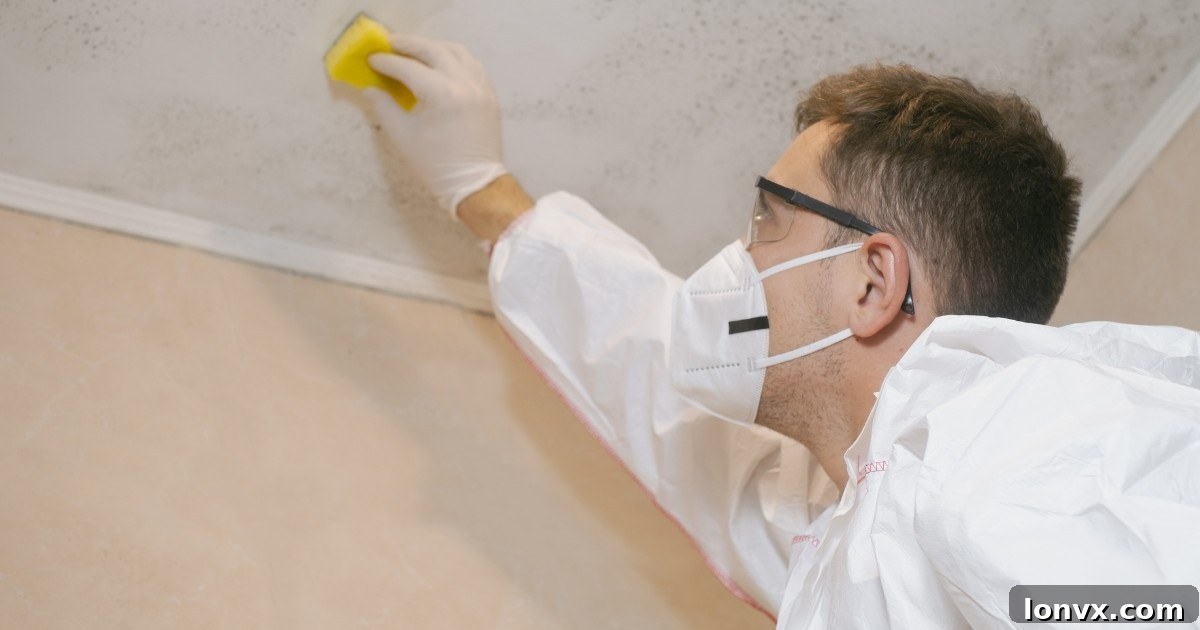
Imagine purchasing a beautiful new home, only to discover it once served as a clandestine fentanyl laboratory. Or, as a dedicated real estate professional, how would you feel about listing such a property, knowing the hidden dangers it might conceal? The unsettling truth is, you may have already encountered one without full awareness of its past. Properties previously utilized for illicit drug production, often referred to as “drug homes,” present a complex array of severe health and safety risks that extend far beyond mere cosmetic damage.
From the pervasive chemical contamination and potential structural compromise inflicted by sophisticated clandestine labs to the insidious electrical hazards and rampant mold growth associated with large-scale cannabis grow operations, the dangers are profound and multifaceted. These properties are not just a risk to unsuspecting new owners or tenants; they also pose significant threats to a wide spectrum of individuals, including first responders, property inspectors, real estate agents, and various tradespeople who might unwittingly enter or work on the premises. Yet, despite the gravity of these inherent risks, the regulatory landscape governing the remediation and safe reintroduction of these properties into the market across British Columbia remains alarmingly inconsistent, characterized by a fragmented assortment of municipal bylaws. This lack of a unified provincial approach creates a perilous gap in public safety and market integrity.
Comprehensive University Studies Highlight the Urgent Need for Reform
The British Columbia Real Estate Association (BCREA) has long been a leading advocate for a more cohesive and standardized strategy concerning the remediation of drug homes. The current situation, where each municipality within the province operates under its own distinct and often vastly different remediation protocols, leads to significant disparities in methodology, enforcement, and ultimate safety outcomes. This jurisdictional mosaic not only amplifies the inherent risks for prospective buyers who might unknowingly invest in a compromised property, but it also creates considerable hurdles when they attempt to secure essential financing from lenders or obtain adequate insurance coverage, as these institutions are often wary of properties with an undocumented or inconsistently remediated history.
Recognizing the urgency of this issue, the BCREA took proactive steps. In 2017, the association commissioned a comprehensive report from the esteemed Centre for Public Safety and Criminal Justice Research at the University of the Fraser Valley (UFV). This groundbreaking study meticulously detailed the deeply fragmented nature of existing local policies and remediation processes across the province. The report’s findings unequivocally underscored the critical need for a robust, provincial-level framework that could effectively replace the current inconsistent, often inadequate, and sometimes entirely absent regulations found within individual municipal bylaws. It was a clear call to action for systemic change.
Building upon these foundational insights, the BCREA followed up last year with a second pivotal UFV study. This subsequent research delved even deeper, undertaking a thorough review of bylaws from 20 diverse municipalities and districts across British Columbia. Crucially, it also incorporated valuable qualitative data through in-depth interviews with 14 leading experts and key stakeholders from various sectors, including public health, law enforcement, real estate, and remediation. The consolidated findings from this second study forcefully reinforced the original concerns: the existing system, characterized by its lack of standardization and vastly differing municipal resources and approaches, leaves far too much to chance, jeopardizing public health and undermining consumer confidence.
The specific inconsistencies identified were glaring. For instance, some municipalities possess stringent requirements for the certification and qualification of remediation contractors, ensuring a minimum standard of expertise and safety. In stark contrast, other municipalities have no such mandates, allowing uncertified or inadequately trained individuals to undertake complex and hazardous decontamination work. Similarly, while some jurisdictions legally oblige the disclosure of a property’s history as a former drug operation, providing crucial transparency for buyers, many others do not, leaving prospective purchasers in the dark about significant latent defects. These profound discrepancies not only erode public trust in the remediation process and the real estate market but also generate immense confusion and uncertainty for buyers, lenders, and real estate professionals attempting to navigate transactions involving these high-risk homes. The absence of a uniform approach means that a property deemed “safe” in one municipality might not meet the standards of another, creating a dangerous regulatory arbitrage.
A Standardized Four-Step Designation: A Blueprint for Safety
The health risks associated with former drug production sites are not merely theoretical or speculative; they are alarmingly real and often insidious. Potent substances such as fentanyl and other synthetic opioids can leave behind highly toxic residues that pose significant hazards even in minuscule, trace amounts. These chemical contaminants can permeate building materials, linger in ventilation systems, and become embedded in flooring, posing inhalation, dermal, and ingestion risks long after the illicit operations have ceased. Beyond chemical dangers, former drug labs and grow-ops often harbor a host of other immediate safety hazards. These can include dangerously modified or bypassed electrical systems, which present severe fire and electrocution risks, as well as widespread mold growth and other biological contaminants, particularly prevalent in high-humidity grow operations, which can trigger severe respiratory issues and allergies. Without clear, comprehensive, and universally enforceable provincial standards, there can be no genuine guarantee that a remediated home is truly safe for occupancy. As a progressive province, British Columbia has a moral and public health imperative to perform better in safeguarding its citizens.
In response to these critical challenges, the initial UFV report, commissioned by BCREA, put forth a crucial recommendation: the implementation of a standardized, provincial-scope four-step process for the remediation and designation of former drug production properties. This process is designed to introduce rigor, transparency, and accountability into a system currently lacking these vital components. The four proposed steps are:
-
Inspection #1: Initial Hazard Assessment and Sampling
This crucial first step involves a comprehensive initial inspection by qualified professionals to identify the type and extent of contamination and damage. This includes meticulous sampling for chemical residues (e.g., fentanyl, methamphetamine byproducts), assessment of structural integrity, identification of electrical hazards, and evaluation of mold presence. This phase establishes the baseline understanding of the property’s compromised state.
-
Remediation: Professional Decontamination and Restoration
Following the initial assessment, specialized, certified remediation contractors would undertake the thorough decontamination and restoration of the property. This involves precise protocols for removing contaminated materials, neutralizing chemical residues, repairing structural damage, correcting electrical deficiencies, and eradicating mold. The remediation must adhere to strict, provincially mandated health and safety guidelines.
-
Inspection #2: Post-Remediation Verification and Clearance
Once remediation is complete, a second, independent inspection is conducted. This phase is critical for verifying the effectiveness of the remediation efforts. It involves re-sampling and testing to ensure that all contaminants have been reduced to safe, acceptable levels as defined by provincial standards. This inspection provides objective evidence that the property is no longer a health hazard.
-
Designation: Official Certification of Safety
The final step involves the official designation or certification of the property as safe for occupancy, contingent upon successful completion of the preceding three steps. This designation would be recorded in a centralized registry, providing clear, undeniable proof that the property has undergone a rigorous, standardized remediation process and meets all provincial safety standards.
This proposed standardized process is designed to create a far more reliable, transparent, and robust system of remediation and certification. By doing so, it would provide significantly stronger protections for potential homebuyers, offering them genuine peace of mind regarding the safety of their investment. Furthermore, it would furnish financial institutions and insurance providers with a higher degree of assurance, enabling them to confidently verify that comprehensive and proper remediation has been executed, thereby streamlining lending and insurance processes for these properties.
A Unified Call to Action: Essential Reforms for British Columbia
The British Columbia Real Estate Association, supported by a growing coalition of concerned stakeholders, is issuing a compelling call to action, urging the provincial government to swiftly adopt four critical reforms. These reforms are not merely suggestions; they are foundational pillars for establishing a safer, more transparent, and trustworthy real estate market in British Columbia:
-
1. Establish Enforceable Provincial Health and Safety Standards: First and foremost, BCREA advocates for the creation and implementation of clear, enforceable provincial health and safety standards under the existing Public Health Act. These standards must precisely define safe and acceptable levels of contaminant exposure for all substances commonly found in former drug production sites, including various opioids, amphetamines, and associated chemicals. Without these baseline definitions, consistent and effective remediation is impossible.
-
2. Mandate Licensing and Training for Remediation Professionals and Home Inspectors: Second, it is imperative to require comprehensive licensing and specialized training for all professionals involved in the assessment and remediation of drug-contaminated properties, as well as for home inspectors who evaluate such sites. This licensing and training regime should be rigorously overseen by WorkSafeBC, ensuring that only qualified and competent individuals handle these hazardous situations, thereby minimizing risks to workers and future occupants.
-
3. Implement a Province-Wide, Standardized Remediation Process: Third, BCREA calls for the immediate implementation of the aforementioned province-wide, standardized four-step process for remediation. This uniform approach will eliminate the current municipal inconsistencies, streamline procedures, enhance efficiency, and most importantly, guarantee a consistent level of safety and thoroughness for every remediated property across British Columbia.
-
4. Develop a Centralized, Publicly Accessible Registry of Records: And, finally, a crucial reform involves the development and maintenance of a centralized, publicly accessible registry that contains detailed inspection and remediation records for all identified drug-contaminated properties. This registry would serve as an invaluable resource, offering unprecedented transparency to prospective buyers, real estate professionals, lenders, and insurers, allowing them to make fully informed decisions and track the history of remediation.
These recommendations are far from radical; they are eminently practical, meticulously evidence-based, and critically necessary for public safety. They are backed by a rapidly growing and diverse coalition of industry professionals, including the Canadian Mortgage Brokers Association – British Columbia, the Appraisal Institute of Canada – British Columbia, and the Mortgage and Title Insurance Industry Association of Canada, alongside public health experts and law enforcement agencies. This broad support underscores the consensus that such reforms are not just beneficial, but essential.
We acknowledge that the stigma associated with homes once used for drug production is a legitimate concern. Properties with such a history can unfortunately face diminished market value and significant buyer hesitation. However, it is precisely for this reason that stronger, standardized, and transparent processes of remediation are so vital. By establishing clear, verifiable standards and a public record of compliance, these reforms will dramatically increase public trust, making it significantly easier for prospective buyers to access necessary lending and insurance, thereby helping to mitigate stigma and restore property value.
The real estate sector in British Columbia stands ready and willing to do its part, embracing these reforms and advocating for their implementation. Now, the time has come for decisive provincial leadership to step forward and do the same. We must move beyond the current, inadequate patchwork of municipal bylaws and proactively forge a consistent, robust, and universally applied system that comprehensively protects buyers, sellers, real estate professionals, and communities across the entire province.
A Blueprint for National Safety and Market Integrity
The implications of British Columbia successfully implementing its standardized framework extend far beyond provincial borders. Once established and proven effective, this comprehensive system for drug home remediation could serve as an exemplary blueprint, a best-practice model for other Canadian provinces grappling with similar challenges. Ontario, for example, currently operates under a fragmented regulatory framework mirroring many of the issues faced by BC, indicating a widespread national problem that demands a national solution.
The undeniable reality is that illicit drug production is an insidious issue affecting communities in every corner of the country. The current fragmented and inconsistent approach to addressing these properties within the real estate sector yields suboptimal and often dangerous outcomes. With a coordinated and consistent approach to drug home remediation, the implications and outcomes for the real estate sector, and indeed for public health and safety, could be vastly improved and handled with greater effectiveness and transparency. Ultimately, this proactive approach would lead to stronger, healthier, and better-protected communities across Canada.
With the continuous emergence of new and increasingly dangerous synthetic substances entering our communities, a coordinated, standardized, and consistently applied approach to drug home remediation is no longer a matter of choice or a desirable option. It has become an absolute necessity, an essential pillar of modern public health and safety policy. The time for deliberation is over. The time for decisive action is not sometime in the distant future. It is unequivocally now.