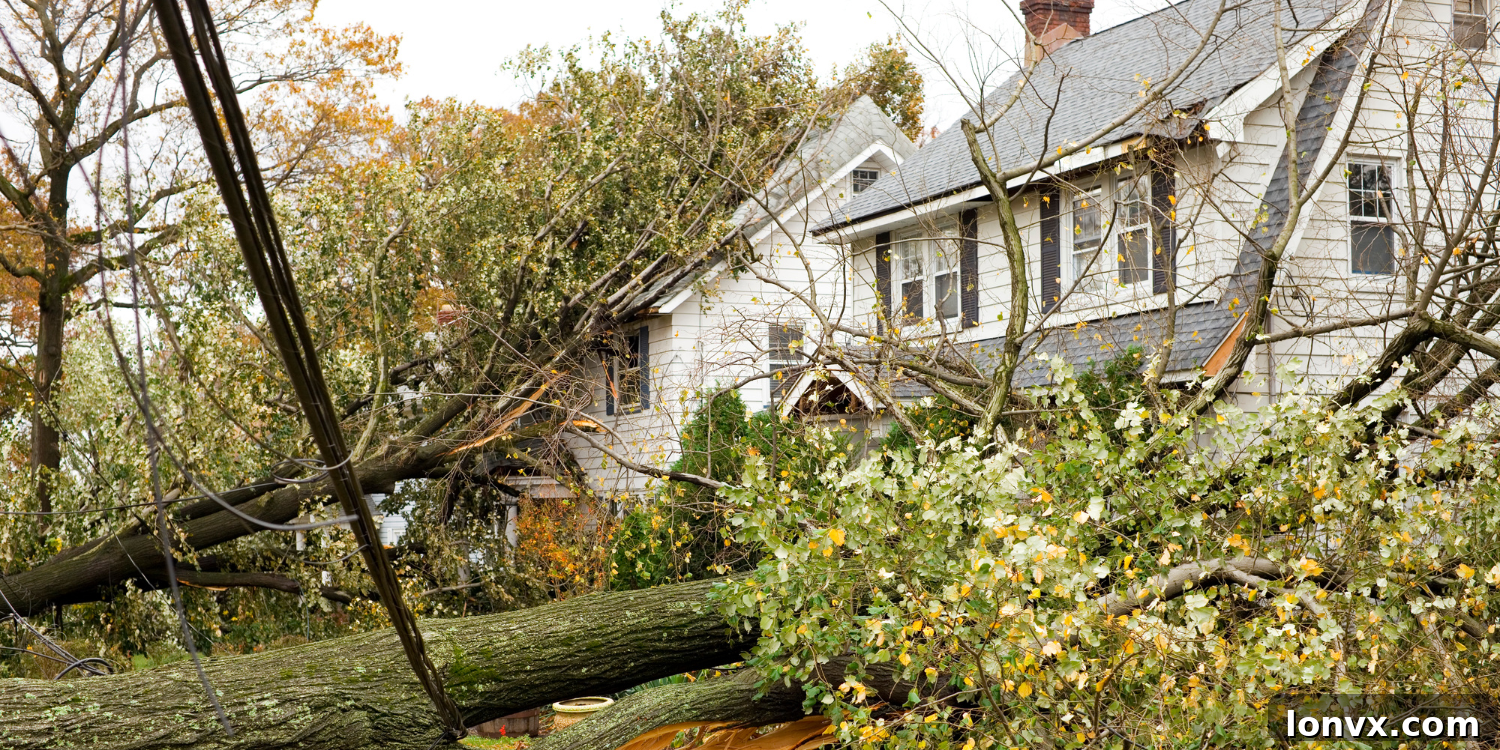
On September 24, 2022, Hurricane Fiona unleashed its fury on Canada’s east coast, leaving an unimaginable trail of destruction. The full scope of the damage to homes and properties across the Atlantic provinces was initially unknown, but the eventual costs proved staggering. Insurable losses alone soared to an estimated $800 million, yet the actual economic and social losses significantly exceeded this figure. Communities were devastated; many residents were forced to evacuate, and in Port aux Basques, over 100 homes were permanently lost, necessitating relocation to higher, safer ground.
This catastrophic event served as a stark reminder of a growing reality: extreme weather phenomena, such as hurricanes, are becoming increasingly frequent, intense, and destructive. Their profound impact is now undeniably reshaping real estate markets across the entirety of Canada, presenting unprecedented challenges and demanding urgent adaptation.
Climate Change is Reshaping Canadian Real Estate: Risks and Resilience
The escalating frequency and intensity of extreme weather events in Canada are undeniable. From devastating wildfires to severe floods and derechos, the financial and social costs are mounting, directly affecting the stability and future of the nation’s real estate sector. Understanding these evolving risks is crucial for homeowners, investors, and industry professionals alike.
Every Canadian Feels the Impact of Extreme Weather
The effects of a changing climate are no longer abstract; they are tangible and widespread, impacting every corner of Canada. The past few years alone offer a sobering catalogue of natural disasters:
- 2023 Wildfires: British Columbia’s interior, Alberta, Quebec, and Nova Scotia experienced relentless wildfires, consuming an unprecedented 5 percent of Canada’s vast forestland. Beyond the immediate destruction of homes and communities, these fires left behind lasting health impacts from smoke, ecological devastation, and significant economic disruption due to evacuations and rebuilding efforts.
- 2022 Ontario and Quebec Derecho: This severe windstorm caused an estimated $875 million in insured losses, felling trees, damaging infrastructure, and leaving hundreds of thousands without power for extended periods. The rapid onset and widespread destruction of such events highlight the vulnerability of even well-developed urban and suburban areas.
- 2021 B.C. Atmospheric River: This event triggered catastrophic flooding and mudslides, resulting in $450 million in insured losses and severing vital transportation links. The long-term recovery involved massive infrastructure repairs and significant challenges for agricultural communities.
- 2019 Ottawa-Gatineau, Muskoka, and New Brunswick Floods: These widespread floods forced thousands from their homes, leading to extensive property damage and underscoring the persistent threat of riverine and overland flooding in many regions.
Canada is truly reeling from these unprecedented losses, which collectively underscore a critical link: the liveability, insurability, and saleability of properties are intrinsically tied to investments in resilience. These events highlight that properties across the country are grappling with the ramifications of changing weather patterns.
Along Canada’s famously expansive ocean coastlines, communities face increased threats from storm surges, rising sea levels, and stronger wind speeds, leading to both severe shoreline erosion and direct property damage. In the Arctic, the diminishing reliability of winter ice profoundly impacts traditional ways of life, while thawing permafrost creates complex challenges for existing and new construction in Canada’s northern territories. These wide-ranging impacts from erratic weather affect every segment of society, from individual homeowners and farmers to insurance providers, municipalities, and all levels of government.
As weather patterns become increasingly erratic and unpredictable, property owners are often bearing the brunt of the immediate risks and financial losses. However, the ripple effect extends across the entire housing supply chain. From realtors navigating evolving market demands to insurers reassessing risk models, lenders adjusting mortgage criteria, and municipalities grappling with infrastructure needs, every stakeholder will inevitably feel the impact. The encouraging news is that, in many instances, we possess the knowledge and tools to effectively reduce these risks at both the property and community levels.
Strategic Risk Assessment: A Prerequisite for Real Estate Investment
Whether your focus lies in commercial real estate, residential investment properties, or the general homeowner marketplace, a rapidly increasing number of investors are integrating natural hazard risks into their due diligence process before making purchasing decisions. A thorough understanding of these risks is no longer optional; it is a fundamental requirement for making informed investment choices and for strategically allocating resources towards asset protection and enhancement.
While comprehensive, granular hazard mapping is still an evolving field in Canada, the scientific ability to match specific perils with effective resiliency interventions is well-established. For instance, proactive programs like “FireSmart” significantly reduce wildfire risk by promoting fire-resistant landscaping, building materials, and community planning. Similarly, interventions designed to mitigate basement flooding, such as the installation of sump pumps with battery backups and backflow prevention valves, are becoming increasingly common and valuable property protection investments. These measures are often encouraged and financially supported through municipal government incentives, recognizing their broader community benefit.
Beyond these individual property improvements, larger-scale community initiatives are also gaining traction. Investments in natural infrastructure, such as restoring wetlands and maintaining natural floodplains, provide cost-effective and environmentally friendly protection against flooding. Coastal communities are exploring living shorelines and enhanced seawalls to combat erosion and storm surges. For all these measures, understanding the local risk profile through emerging data and local expert knowledge is paramount.
The Lingering Shadow of Location Risk-Stigma
The aftermath of catastrophic weather events often leaves an indelible mark on property markets, leading to what is known as “location risk-stigma.” This phenomenon can cause property values to plummet and dampen overall market sentiment in affected areas for years. A notable example is Calgary’s housing market in 2014, a year after the devastating Bow River flood. Some directly affected homes saw price drops ranging from 10 to 25 percent, with an average assessed value loss of $208,870 per damaged home. This illustrates how communities that gain news notoriety for natural hazard events can suffer lasting effects, driven by market memory and perceived stigma. The severity of the event, the extent of media coverage, and the visible nature of the damage all contribute to how deeply and for how long this stigma persists, influencing buyer perceptions and market liquidity.
This stigma isn’t just a temporary dip; it can fundamentally alter buyer behavior, with potential purchasers shying away from perceived high-risk areas, even if significant mitigation efforts have been undertaken. Lenders may also become more cautious, impacting mortgage availability and terms. Consequently, homeowners in stigmatized locations might find it harder to sell their properties or realize their full market value, creating a cycle of reduced investment and slower recovery. For realtors, understanding and addressing this stigma requires transparent communication and a focus on long-term resilience strategies rather than short-term market fluctuations.
The Emergence of Climate Gentrification
A groundbreaking report from Harvard University introduced the term “climate gentrification,” describing a concerning trend where wealthier investors in vulnerable coastal, flood, and wildfire zones strategically relocate, driving up property prices in historically less desirable, but climate-resilient, neighborhoods. This phenomenon creates a significant disparity, often leaving property owners with fewer financial means trapped with “stranded assets” – homes in high-risk flood and wildfire zones that become increasingly difficult to insure, maintain, or sell.
The Urban Land Institute (ULI) has extensively examined real estate asset exposure to climate risk, concluding that major metropolitan markets, such as New York and San Francisco (and by direct comparison, Canada’s high-value urban centers like Toronto and Vancouver), face intense climate risks due to their high concentration of valuable assets. When these locations are struck by catastrophic events, the marketplace experiences not only substantial value losses but also significant disruptions to economic productivity, coupled with large-scale insurance payouts. This highlights a critical vulnerability in global financial systems, where high-value urban areas, despite their economic power, are disproportionately exposed to climate-related financial shocks. The consequences include not only immediate property damage but also long-term shifts in investment patterns, urban planning, and socio-economic equity.
Key Market Disruption Indicators
The first and most immediate indicator of marketplace disruption due to climate change is the escalating challenge of insurability. Insured and uninsured losses are already having a profound and direct impact on the personal wealth of Canadian families. According to Catastrophe Indices and Quantification Inc., insured damage from severe weather events across Canada reached a staggering $3.1 billion last year alone, marking a consistent upward trend. This rise isn’t merely about higher premiums; it signifies a fundamental shift in risk assessment by the insurance industry, potentially leading to reduced coverage, stricter policy terms, or in some cases, the outright refusal to insure properties in high-risk zones.
Beyond the escalating costs and reduced availability of insurance, the impacts of natural hazard risk on property values are multifaceted:
- Direct Loss in Value: Properties in repeatedly affected or high-risk areas may experience permanent depreciation.
- Loss of Use and Rent: Damages from extreme weather can render properties uninhabitable or unrentable for extended periods, leading to significant income loss for owners.
- Increased Maintenance and Repair Costs: Even without catastrophic damage, properties exposed to frequent severe weather often incur higher ongoing maintenance and repair expenses.
- Higher Property Taxes: Municipalities facing increased costs for resilience infrastructure (e.g., upgraded storm sewers, seawalls) and post-disaster recovery may pass these expenses onto property owners through higher taxes.
- Increased Mortgage Costs: Lenders are beginning to factor climate risk into their mortgage underwriting, potentially leading to higher interest rates or more stringent requirements for properties in vulnerable areas.
Collectively, these factors contribute to a higher “TMI” (Taxes, Maintenance, and Insurance) burden for real estate with elevated climate risk compared to low-risk properties. This growing cost differential will increasingly influence investment decisions and market dynamics, favoring resilient assets.
Impact on Asset Valuation: A Significant Opportunity for Realtors
A critical challenge currently facing the real estate market is the inadequate integration of natural hazard risk into standard asset valuation processes. As a result, two seemingly similar homes might appear to have comparable market values, yet the inherent risk of future value loss or loss of use due to climate-related events is often not properly factored into their assessed worth. This creates a significant blind spot for buyers, sellers, and lenders alike.
However, this gap presents a tremendous opportunity for realtors. Many experienced realtors possess deep expertise in their local marketplaces, extending beyond mere sales figures to a comprehensive understanding of the social, environmental, and historical context of their communities. This intimate knowledge positions them uniquely to become indispensable advisors in a climate-sensitive market.
By leveraging this granular marketplace knowledge, realtors can build significant brand equity and differentiate themselves. Providing insightful, data-driven advice related to historical natural hazard events and future climate vulnerabilities is increasingly crucial for homeowners and potential buyers. Until widely accessible and reliable predictive risk mapping becomes ubiquitous, there will be a strong dependency on the expertise of local market professionals. Their personal experience, anecdotal knowledge, and understanding of community resilience efforts become invaluable assets, enabling them to offer nuanced and essential guidance that online data alone cannot replicate.
This means realtors can transition from being just transaction facilitators to trusted climate navigators, guiding clients through complex decisions and helping them secure properties that are not only financially sound but also resilient for the long term. This expanded role benefits not just individual clients but also contributes to a more informed and stable real estate market.
Empowering Clients: Solutions to Save Money and Boost Property Value
Realtors can significantly enhance their value proposition by building upon their existing expertise with a detailed understanding of municipal incentives for risk reduction. Offering insights into subsidies for installations like backflow valves, which prevent sewage backups during heavy rainfall, provides a critical touchpoint for connecting with clients and reinforces a customer-centric service model. These practical solutions directly address homeowners’ concerns about property protection and potential financial losses.
Similarly, in regions such as Saskatchewan, Manitoba, and Alberta, where hail is a significant seasonal risk, providing clients with solutions that bolster property resilience is a highly valued service. Recommending and educating clients on options like hail-tolerant shingles, for instance, demonstrates specialized expertise and foresight that Canadians increasingly appreciate. Such advice helps clients safeguard their investments and often results in long-term savings on maintenance and insurance costs.
Beyond these specific examples, realtors can advise on a broader range of resilience-building measures:
- Energy Efficiency and Retrofitting: Suggesting energy-efficient upgrades, which often overlap with resilience (e.g., better insulation can protect against extreme temperatures), can save money and increase property value.
- Landscaping for Resilience: Recommending drought-resistant plants for wildfire zones or permeable surfaces to manage stormwater in flood-prone areas.
- Community Programs: Connecting clients with local community initiatives or government grants related to climate adaptation and property protection.
- Insurance Considerations: Guiding clients on how to discuss specific resilience upgrades with their insurance providers to potentially secure better rates or more comprehensive coverage.
These proactive measures protect properties and preserve hard-earned home equity. This conversation about resilience is particularly vital for vulnerable members of society, including those aging in place or facing housing insecurity, who may have limited resources for adaptation.
It is crucial to recognize that natural hazards are not directly influenced by government policies or economic performance. Regardless of the political landscape, the increasing risk inevitably translates into higher costs for recovery. Therefore, protection through strategic investment in asset resilience is an indispensable component of a comprehensive, total-society approach to mitigating losses from catastrophic events. This protection begins at home, as property value, wealth, health, and overall quality of life are fundamentally rooted in the security of one’s dwelling.
Helping your clients reduce their exposure to natural hazards is a beneficial endeavor, both for your professional standing and for the well-being of your community. It fosters trust, demonstrates leadership, and builds a more sustainable future for everyone involved in the real estate market. Engage actively, stay informed about the latest climate science and adaptation strategies, and proactively bring resilience-focused solutions to your clients’ real estate investments.
Enjoying this article?
Get the latest real estate insights and analyses delivered directly to your inbox three times a week. Stay informed on critical developments in the Canadian real estate industry.