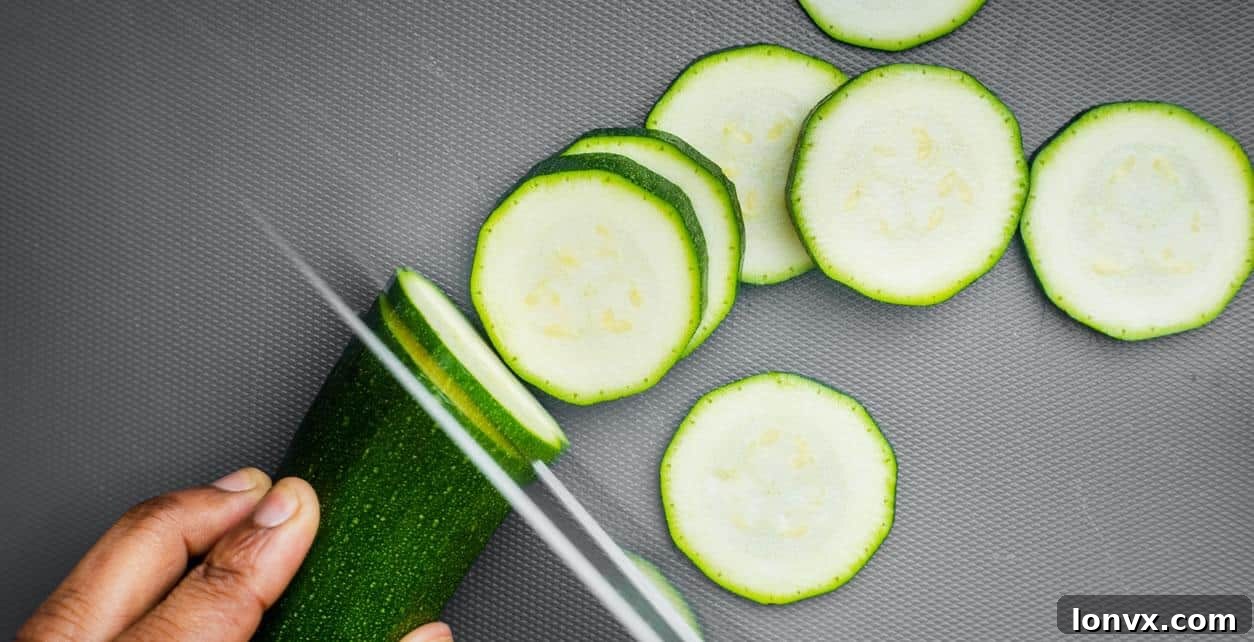
Growing up in Canada, a child of English heritage, my palate was introduced to the delicate art of simple yet profound flavors. Few culinary memories are as vivid as the taste of homemade bread and butter pickle sandwiches or the abundance of paper-thin cucumber tea-time sandwiches. The fresh, crisp fragrance of sliced cucumber remains unparalleled in its natural elegance – a scent no perfume could ever hope to replicate.
Post-Second World War, a particular delight involved homemade bread and butter pickles, carefully arranged on white Wonder Bread generously spread with salted butter. Later, with the introduction of Kraft Cheese (Velveeta), this tradition evolved; the processed cheese would be spread over the buttered bread, then the pickles would be meticulously lined up in even rows, creating a perfect balance of creamy, tangy, and soft textures in every bite.
In keeping with time-honored “English” sandwich customs, the crusts were invariably removed. This practice, often met with dismay by Continental Europeans who viewed it as “such waste,” particularly in war-torn regions facing food scarcity, was a hallmark of refined presentation. These pristine sandwiches were typically cut into “soldiers” (long, thin rectangles) or quartered triangles. For truly special occasions, the bread might even be cut into small, elegant circles, elevating the simple sandwich to an item of gourmet sophistication.
The tradition of serving crustless sandwiches persists today, both in private homes and in the most exclusive restaurants overseas. Indeed, it’s a well-known anecdote that the Queen Mother, much like her daughter Queen Elizabeth, harbored a fondness for gin. One might even imagine her lightly spritzing gin over the meticulously sliced, paper-thin cucumber in her tiny round tea-time sandwiches or her bite-sized bread and butter pickle creations. Gin, with its botanical notes, complements the freshness of cucumber beautifully, adding an unexpected layer of sophistication to these classic bites.
My childhood memories often recall the rationing era in Canada following the war, a time when resourcefulness in the kitchen was paramount. I’ve frequently recounted these culinary reflections, and recently, in an add-on recipe comment, I again reminisced about the simple pleasure of paper-thin, fresh garden cucumber sandwiches – always crusts removed. Their inherent delicacy makes me ponder whether the English originally conceived these as an *amuse-bouche*, designed for royalty who needed to elegantly consume bite-sized morsels quickly while engaging in conversation, walking, and shaking hands, all without fuss or mess.
During my formative years, store-bought unsalted butter was virtually unheard of on this side of the Atlantic. A reader recently shared that she exclusively buys salted butter and noted I’m the only person she knows who opts for unsalted, declaring, “It’s a European thing.” The truth is, these two types of butter possess distinct characteristics that can significantly alter the outcome of various recipes, making the choice a crucial one for any discerning cook.
Our family was occasionally treated to homemade butter, brought from visits to local, family-owned dairy farms. I recall the pristine centrifuge in the dairy, separating warm milk fresh from the cows, its creamy essence destined for butter. Then, the labor-intensive process of butter churning: a broom handle-like plunger paddle, wielded with significant shoulder strength in a large wooden vessel on the floor, transforming cream into butter from a standing position. It was a true testament to the dedication and physical effort involved in producing such a simple, yet essential, foodstuff.
Naturally curious, I, at around grade one age, tiny-boned as I was, had to ask for a turn. I was surprised by the unexpected strength I mustered, sloshing the nascent butter within its natural buttermilk. The following day, the freshly made butter, buttermilk, and the remaining milk and cream from the centrifuge would be delivered by the farm owner’s horse and wagon into town. Amidst towering bales of hay and giant blocks of ice, these wholesome dairy products made their way to local customers, a weekly ritual connecting farm to table.
Thank you, Eric (from Food Network and *Saveur*), for prompting this delightful journey down memory lane with the bread and butter sandwich. The nearly paper-thin pickles are truly a joy, and for those who make their own sweet bread and butter pickles, the experience is all the more rewarding. Does anyone else out there share these fond culinary recollections?
To recreate the iconic English cucumber tea sandwich, begin by using a mandoline to slice a fresh, firm, unpeeled medium-sized cucumber lengthwise into elegant, see-through, paper-thin strips. Once sliced, immerse these delicate cucumber ribbons in a bowl of ice water for a few minutes; this step is crucial for maintaining their crispness. Gently pat them dry before assembly.
Present a grand platter of fresh cucumber English tea sandwiches. For a decorative touch, roll one end of a few ribbon strips slightly and tuck them artfully in-between the assembled sandwiches, interspersed randomly. Just before serving, bestow a light spritz of ice-cold Hendricks Gin over the platter; the gin’s botanicals will subtly awaken the flavors of the cucumber.
Complementing these sandwiches, create visually stunning blooming radishes. Select medium-sized red radishes and carefully make four vertical slits in each, near the outside edge circumference, taking care not to cut all the way through to the bottom. This intricate cutting transforms a simple vegetable into an edible floral accent.
Briefly place the cut radishes in a bowl of ice water. The cold water will cause the cuts to exaggerate, forming petal-like sides, making the radishes “bloom” into open, vibrant flowers. Arrange these crispy, cold (and thoroughly patted dry) radishes among the cucumber sandwiches for an instant gourmet presentation. A delicate sprinkling of Amagansett finishing salt over the radishes will enhance their flavor, and a minuscule spritz of gin just before serving can remarkably wake up the taste buds upon biting into the radish, adding a layer of aromatic complexity.
This exquisite platter, assembled in mere minutes, will undoubtedly disappear even faster. Therefore, it’s always wise to prepare plenty. Serve immediately to enjoy the peak freshness, or if preparing in advance, cover the cucumber tea sandwiches on a cold metal plate with moistened layers of clean, never-used muslin or cheesecloth. Refrigerate until ready to serve; this method effectively prevents the thin bread from drying out and maintains the sandwiches’ delicate texture.
When it’s time to serve, lightly spritz the cucumber rolls with gin, being cautious not to over-saturate the thin bread of these 4 o’clock tea sandwiches. A little freshly ground pepper added to the rolls can introduce a subtle warmth and aroma. For an additional briny note, scatter a few randomly placed, rinsed capers on the serving plate. As an interesting texture alternative to capers, consider using roasted, popped chickpeas, prepared in a hot, dry sauté pan and seasoned with coarse salt, offering a delightful crunch.
As a refreshing and complementary side dish, prepare celery stalks. Cut them into short (approximately four-inch) segments. Then, split one end of each cut stalk into a couple of inches of very thin strips. Place these prepared celery stalks in ice water, and marvel as the thin strips curl gracefully, forming an attractive flower-like end. This simple technique transforms ordinary celery into an elegant edible garnish.
The hollow channel of these celery stalks is perfect for stuffing with my signature refrigerated overnight warm blue cheese dressing. When this dressing cools, it congeals, achieving a spreadable consistency almost akin to a rich cheese pâté. For a professional and elegant finish, you could pipe the congealed dressing into the celery stalks using a forcing bag fitted with a large, ribbed-end nozzle, creating a beautifully presented appetizer.
This delightful, crispy, and fresh summer plate is destined to become a staple on hot days, whether in lockdown or simply enjoying the season. Its versatility, however, ensures it can be savored year-round, adding a touch of elegance and freshness to any meal or gathering at any time.
Consider an intriguing addition to my gazpacho recipe: a few dollops of my Hendricks Gin cucumber tzatziki. This infusion of gin and cucumber will introduce a refreshing, aromatic complexity to the chilled soup, elevating its profile and offering a delightful surprise to the palate.
When serving, just before eating, use a fork to lightly stir each portion of gazpacho, creating inviting waves of white swirls from the tzatziki. To further enhance the experience, drizzle a modest amount of “limon” (fresh lemon juice) or Bacardi Lemon Rum around the perimeter of each bowl, adding a bright, zesty aroma and flavor that perfectly complements the gazpacho.
Following the proper etiquette for eating soup from a bowl with a spoon—dipping the spoon facing away from you and tipping it up from the far side of your bowl—you will effortlessly collect that delightful lemon rum edge with your very first spoonful, ensuring a burst of flavor with each bite.
You might also discover immense pleasure in swirling my special gin-enhanced tzatziki into my rich roasted bell pepper soup, or even incorporating it into my comforting roasted tomato soup. The creamy, herbaceous tzatziki, with its subtle gin notes, adds a fantastic counterpoint to the sweetness and depth of these vegetable-based soups, creating a truly memorable culinary experience.
My Tzatziki Sauce: A Wonderful Cucumber Dip
To prepare this exceptional cucumber dip, grate one-third of a cup of seeded cucumber using a box grater. Combine this with two cups of full-fat sour cream. Introduce an eighth of a teaspoon of fresh garlic, finely minced and mashed with a pinch of salt and lemon juice to form a paste, ensuring its pungent flavor is evenly distributed.
Next, add a quarter teaspoon of fresh chopped mint, ideally from your own garden for peak flavor, or opt for the convenient freeze-dried LiteHouse brand. For an adventurous twist, you could even create candied, deep-fried mint, prepared in the same manner as my candied, dried fried sage, and store it in an airtight container alongside your pantry sage for future use.
Stir into the sour cream mixture a teaspoon of white balsamic vinegar, which provides a delicate tang without overpowering the other flavors. Just before serving, finely chop fresh or dried dill and incorporate it into the sauce; dill’s aromatic qualities are best appreciated fresh.
As an elegant alternative to white balsamic vinegar, consider stirring in a teaspoon of the congealed figgy brandy marinating jus found in your black mission fig jar. This will impart a subtle sweetness and depth, adding an unexpected layer of sophisticated flavor to the tzatziki.
Serve this versatile tzatziki with any fresh salad, or as a delightful side dish alongside roasted or barbecued lamb, where its cool, tangy profile beautifully balances the richness of the meat. It also makes an exquisite dipping sauce for your Celebrity brand Canadian white cheddar goat cheese sandwich, elevating a simple meal into something truly special.
I particularly adore my gin tzatziki sauce served within stuffed pita pockets, offering a communal and interactive dining experience. Present separate dishes filled with a variety of fresh ingredients, allowing everyone to build their own personalized pita pocket according to their preferences:
- Chopped firm red fresh tomato (or any vibrant color of your choice)
- Brunoise-cut seeded cucumber (lightly spritzed with Hendricks Gin for an aromatic kick)
- Finely shredded iceberg lettuce, adding a crisp texture
- Mixed hard cheeses, grated on the large-hole side of a box grater (don’t miss the opportunity to add Canadian Celebrity brand white cheddar goat cheese for its unique tang)
- Creamy full-fat sour cream or, for an extra layer of flavor, my homemade gin tzatziki sauce
- Finely chopped marinated red or Spanish onion, for a pungent, sweet-and-sour element
- Coarsely chopped raw white button mushrooms, offering an earthy freshness
- Your favorite chutney or salsa, to introduce a personalized sweet, spicy, or tangy note
- Sautéed top-grade ground beef, or freshly ground/minced in your food processor, generously drizzled with your preferred taco sauce for a savory core.
Accompanying these delightful pita creations, provide a side dish of my exquisite tomato butter and another side of my spectacular barbecue serving sauce. For a touch of elegant sweetness, a bowl of Elderflower St-Germain Date Confit would be a perfect complement. The beauty of this spread is that everything can be prepared in advance, ready to serve whenever hunger strikes. This makes it an ideal treat for après-ski relaxation, poolside gatherings, or during/after sporting events. It’s an excellent excuse to create your own celebration, no special occasion needed, perfect for enjoyment all year round.
Popsicle Your Salad Cucumbers
For a whimsical and refreshing treat, begin by using your mandoline to slice a small-diameter, garden-fresh cucumber into impeccably paper-thin slices. Then, cut these thin slices into quarters. Heavily salt the cucumber pieces and set them aside in a covered glass dish; the salt will draw out excess moisture, concentrating their flavor and crispness.
In parallel, prepare my Hendricks Gin tzatziki, ensuring it is thoroughly chilled. Place it in a covered glass bowl in the coldest section of your refrigerator, allowing the flavors to meld and the consistency to firm up.
After salting, rinse the cucumber slices gently in a colander under cold running water; this removes the excess salt while retaining the crisp texture. Gently pat them dry by tumbling them in a clean white tea towel. For an extra zest and flavor kick, spritz just a tiny amount of Bacardi lemon rum onto the cucumber slices. Finally, fold these invigorated cucumber slices into the thick, cold tzatziki mixture.
Using a tablespoon, carefully fill individual pockets in a popsicle tray with the cucumber tzatziki mixture. Insert popsicle sticks into each pocket and freeze overnight in the coldest part of your freezer until solid.
These delightful popsicles offer a truly refreshing cold adult treat on a hot summer day. For an extra layer of indulgence, you might consider serving them with small individual dipping dishes of my beurre blanc sauce, served chilled. The creamy, rich sauce provides a luxurious contrast to the crisp, tangy popsicle.
Beurre Blanc
Just when you are ready to serve, offer a small portion of slightly cooled grapefruit beurre blanc. To make this variant, begin by sautéing a small amount of minced pomegranate shell (the inner pith) in a quarter cup of unsalted butter. To this, add a quarter cup of Noilly Prat vermouth and a quarter cup of fresh grapefruit juice (either pink or white will work). Heat this mixture thoroughly but ensure it does not boil, as this can break the emulsion.
Gradually incorporate a cup of half-and-half cream and a tablespoon of sugar, stirring gently to combine. One by one, whisk in tablespoon-sized cubes of very cold unsalted butter. The sauce will progressively thicken as the cold butter emulsifies with the warm liquid. It’s crucial to monitor the heat carefully; lift the pot off the burner if necessary to prevent the cream from scorching. Maintain a warm temperature, but again, avoid boiling.
Once thickened and smooth, remove the saucepan from the heat and allow the beurre blanc to cool to room temperature. Strain the sauce to remove any pomegranate shell fragments, then chill it thoroughly in the coldest section of your refrigerator. Just before serving, stir in a half cup of fresh pomegranate seeds for a burst of color and a delightful textural contrast.
(For a related concept, refer to my grapefruit Carpaccio recipe column add-on comments).
Note: If you possess a spiralizer, you have an alternative method for creating these exquisite popsicles. Instead of using a mandoline, you can make paper-thin cucumber strings. For added color and texture, you could even blanch delicate carrot “strings” very quickly, immediately plunge them into ice water to stop the cooking, pat them dry, and then incorporate them along with the cucumber into my gin tzatziki. This variation adds an extra layer of flavor and visual appeal, making these delicious popsicles even more captivating.
Your friends will undoubtedly be eager for the recipe, making these popsicles a fantastic take-along conversation starter for a potluck. Just ensure they are packed in a freezer cooler for transport, especially if the travel time is brief, to maintain their frozen integrity.
Last but certainly not least, consider enhancing your collection of frozen compound butter, a versatile staple for any chef. To your existing container, add this new creation: Mash a half pound of cool, unsalted butter with two generous tablespoons of my gin cucumber tzatziki, a teaspoon of bright lemon zest, and mix until thoroughly combined. Roll this flavorful mixture tightly in cling wrap to form a neat log. As is customary, once frozen but not yet rock-hard, slice the log into half-inch pieces using a sharp, thin knife. Re-wrap the individual slices and freeze them hard. This compound butter offers a myriad of uses in your cooking. You could, for instance, melt a slice into your beurre blanc for added depth, top succulent ground lamb burgers with a pat, or use it when preparing crostini or your favorite bruschetta to paint the grilled bread, infusing it with incredible flavor.
© Spirits in My Kitchen: Lady Ralston – Canadian Cooking with Bouquets and Aromas – Good Food Made Better Adding Spirits