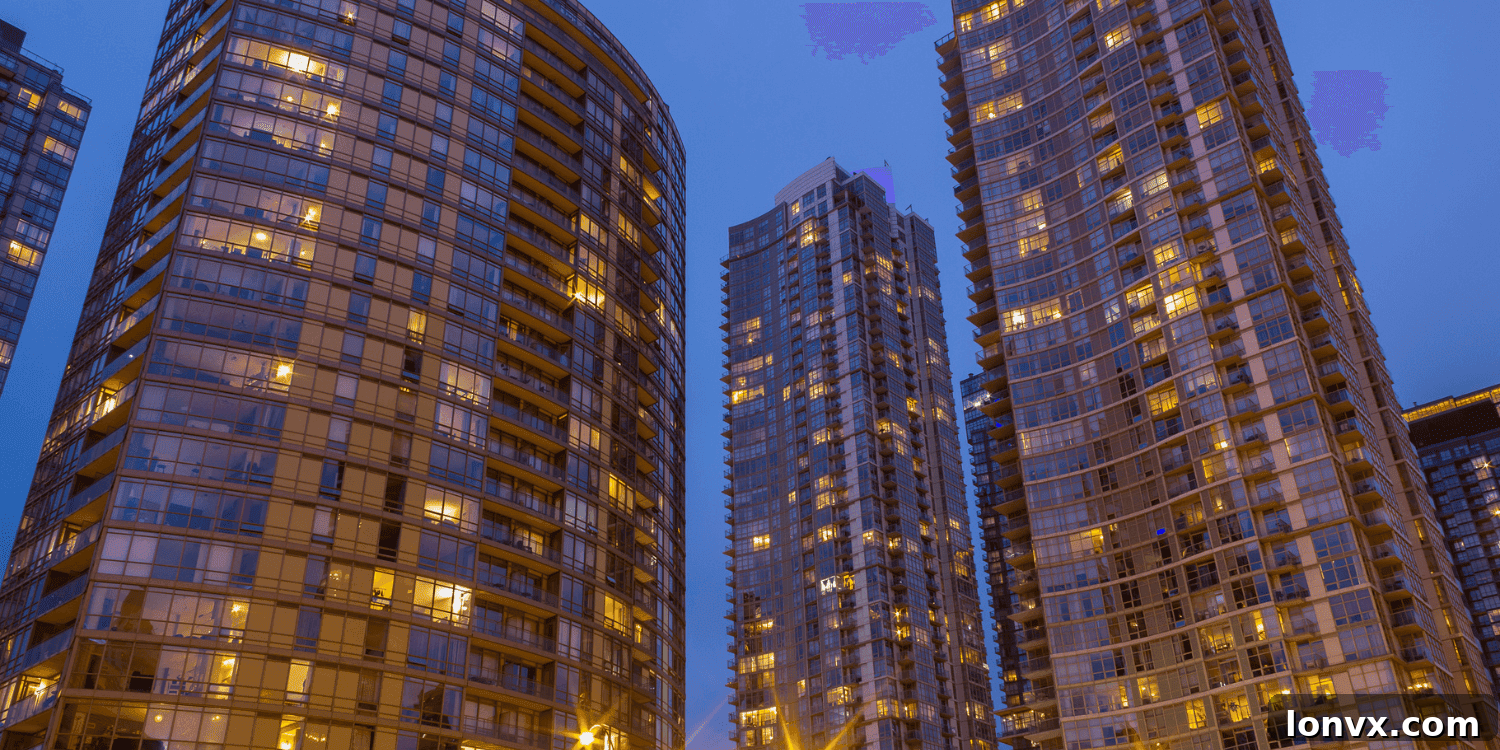
The Greater Toronto Area (GTA) real estate market presented a fascinating paradox in the fourth quarter (Q4) of 2022, with condo selling prices defying broader market downturns while rental rates for these same units experienced unprecedented surges. According to the latest comprehensive data released by the Toronto Regional Real Estate Board (TRREB), this dual dynamic highlights a deeply complex and increasingly polarized housing landscape within one of North America’s most vibrant metropolitan regions. While the overall real estate sector grappled with cooling demand and price adjustments, the condominium segment demonstrated a remarkable resilience in its ownership market, simultaneously witnessing an intense escalation in rental costs, painting a clear picture of persistent demand against constrained supply.
During Q4 2022, the average selling price for condos in the GTA remarkably held steady, aligning closely with figures from Q4 2021. This stability in prices occurred even as the number of sales transactions more than halved year-over-year, indicating a unique market equilibrium where demand, though reduced in volume, remained robust enough to underpin values. This resilience stands in stark contrast to other housing types which often experienced more significant price corrections during the same period. TRREB President Paul Baron pointed to this very characteristic, stating, “While condo market conditions have become more balanced over the past year, there has been enough demand relative to supply to support selling prices. On average, the condo market segment is the most affordable entry point for many looking to live in the GTA.” This statement underscores the condo market’s crucial role in providing accessible homeownership options within a high-cost urban environment, a factor that continues to buffer it against more severe market fluctuations.
GTA Condo Sales and Price Resilience in Q4 2022
A closer examination of the data reveals the specifics of the condo market’s performance. The total number of condo apartment sales recorded in Q4 2022 amounted to 3,582 units. This figure represents a substantial 54.1 percent decline when compared to the 8,027 sales reported in Q4 2021. Such a sharp drop in transaction volume would typically be associated with a corresponding fall in average prices. However, the GTA condo market presented a different scenario. The average selling price in Q4 2022 stood at $710,520, which was marginally higher than the Q4 2021 average of $710,246, effectively making prices flat year-over-year. This price stability, despite significantly fewer transactions, suggests that available inventory was quickly absorbed, or that sellers were less willing to drop prices, buoyed by underlying market strength.
Further contributing to this market dynamic was a reduction in new listings. The number of new condo listings also saw a decline, albeit at a lesser rate, falling by 14.3 percent on a year-over-year basis. Fewer new properties entering the market combined with consistent demand effectively limited downward pressure on prices. TRREB’s analysis confirmed that this trend of average selling prices remaining largely flat compared to the previous year was not isolated to the overall GTA but was consistently observed across individual regions within the Greater Toronto Area. This broad-based stability across the region points to systemic factors supporting condo values.
TRREB Chief Market Analyst Jason Mercer offered a critical perspective on the future trajectory of the condo market, particularly regarding demand. “As immigration into Canada continues at a record pace for the foreseeable future, the GTA will welcome many new households,” Mercer noted. “This should see the demand for condos, in both the ownership and rental markets, strengthen moving forward.” This insight is crucial, as new immigrants often gravitate towards more affordable housing options, including condominiums, upon arriving in a new city. The GTA, as a major economic hub and destination for newcomers, is uniquely positioned to experience sustained demand for condos as its population continues to grow. This demographic tailwind is a powerful force counteracting other potential market headwinds, ensuring that condos remain a sought-after housing type.
The Ascent of Condo Rental Rates: A Double-Digit Surge
While the ownership market for condos demonstrated stability, the rental market for these same units experienced an altogether different, and far more aggressive, trend: a dramatic surge in average rents. TRREB reported that average rents for condominium apartments continued their upward trajectory, experiencing double-digit increases throughout Q4 2022. This relentless rise in rental costs is a significant concern for residents and underscores the severe pressures within the GTA’s housing ecosystem.
The statistics are compelling: The average rent for a one-bedroom condominium apartment climbed by a substantial 19 percent year-over-year, reaching $2,503 in the fourth quarter of 2022. Similarly, over the same period, the average rent for a two-bedroom unit increased by 14.1 percent, hitting $3,178. These figures represent not just incremental adjustments but significant jumps that place considerable financial strain on tenants. For many individuals and families, these escalating costs translate into a larger portion of their income being allocated to housing, reducing disposable income and impacting overall financial well-being.
Compounding the issue of soaring rents was a reduction in available rental options. The number of condominium apartment rental transactions reported through TRREB’s MLS system saw a year-over-year decrease of 19.9 percent in Q4 2022. This decline in transactions indicates a tighter market where units are rented quickly, often with multiple applicants competing for limited availability. Mirroring this, the number of rental listings was also down over the same period, by an annual rate of 11.8 percent. Although the drop in listings was less severe than the drop in transactions, it still points to a shrinking pool of available units, which naturally fuels competition and upward pressure on rental prices. The combination of fewer available units and strong demand creates a landlord’s market, where rent increases become inevitable.
Understanding the Supply and Demand Imbalance
The contrasting yet interconnected trends in the GTA’s condo ownership and rental markets can be largely attributed to a fundamental and persistent imbalance between supply and demand. Jason Mercer’s analysis succinctly captures this critical issue: “Tight rental market conditions and strong rent increases will be the norm more often than not for the foreseeable future. On one hand, we will continue to experience strong rental demand in the GTA based on solid fundamentals. On the other hand, the persistent supply shortage will continue to result in strong competition between would-be renters, exerting upward pressure on rents.”
The “solid fundamentals” driving demand in the GTA are multifaceted. Rapid population growth, primarily fueled by record levels of immigration, stands out as a primary driver. Newcomers, along with a growing number of young professionals and students, consistently seek housing in the region, initially often through the rental market. The GTA’s robust job market, diverse economy, and status as a global city also act as magnets for individuals and families, further intensifying the demand for both ownership and rental housing. Additionally, the increasing cost of homeownership has priced many potential buyers out of the market, forcing them to remain in the rental pool for longer periods, thereby increasing pressure on rental stock.
Conversely, the “persistent supply shortage” is a complex problem rooted in several factors. Land constraints, particularly within the urban core and surrounding greenbelt areas, limit the physical space available for new construction. Regulatory hurdles, including lengthy approval processes, complex zoning bylaws, and high development charges, can significantly delay or even deter new projects. Construction costs, exacerbated by inflation and labor shortages, also contribute to the challenge, making it financially difficult for developers to bring new, affordable units to market. Furthermore, a historical underinvestment in purpose-built rental housing has left a significant gap that the current market struggles to fill. The slow pace of new supply coming online simply cannot keep pace with the accelerating demand, creating a structural imbalance that continuously drives up prices.
Future Outlook and the Urgent Need for Policy Intervention
Looking ahead, the trends observed in Q4 2022 are likely to persist, if not intensify, without significant policy changes. The GTA’s continued appeal as a destination for immigration and economic growth ensures a steady influx of new residents, perpetuating the demand for housing. Without a substantial increase in supply, the competition for both purchased and rented condominium units will remain fierce, keeping prices and rents at elevated levels. This scenario raises serious concerns about housing affordability, which is becoming an increasingly critical issue for the region’s long-term economic health and social equity.
The solutions, as highlighted by TRREB’s Chief Market Analyst, are clear but require concerted action from all levels of government. “The solution is no secret: we need to see new policies pointed on more supply to translate into shovels in the ground for many years to come,” Mercer emphasized. This call to action is not merely about increasing the quantity of housing but also about strategically planning for diverse housing types that meet the needs of a growing and varied population. Policy interventions could include streamlining the development approval process, incentivizing the construction of purpose-built rental housing, exploring innovative housing models such as co-ownership and co-living, and investing in infrastructure to support higher-density developments in transit-friendly areas.
Addressing the supply shortage also necessitates a collaborative approach involving municipal, provincial, and federal governments, alongside private sector developers and community stakeholders. Policies could aim to unlock more land for development, perhaps through judicious intensification within existing urban boundaries or exploring responsible expansion in designated growth areas. Encouraging sustainable building practices and accelerating the construction of new units, while ensuring they are integrated into complete, livable communities, will be paramount. Without a decisive and sustained focus on increasing housing supply, the GTA risks exacerbating its affordability crisis, potentially leading to social and economic consequences that could diminish its appeal as a global city.
Conclusion: Navigating the Complexities of the GTA Condo Market
The Greater Toronto Area’s condo market in Q4 2022 presented a compelling case study of resilience in ownership prices amidst a broader market slowdown, coupled with an alarming escalation in rental costs. This unique dynamic, expertly captured by TRREB’s data, underscores the powerful interplay of robust population growth driven by immigration, persistent housing supply constraints, and the inherent demand for affordable entry points into urban living. While condo selling prices remained stable due to a balanced, albeit less transacted, ownership market, the rental sector bore the brunt of intense competition, leading to double-digit rent increases across the board. The clear message emanating from these trends is that the fundamental issue of inadequate housing supply continues to cast a long shadow over the GTA. As the region continues to grow and attract new residents, the imperative for strategic, multi-faceted policy interventions to accelerate housing construction and ensure long-term affordability has never been more urgent. Only through concerted efforts to address the supply-demand imbalance can the GTA hope to foster a sustainable and equitable housing market for all its residents.