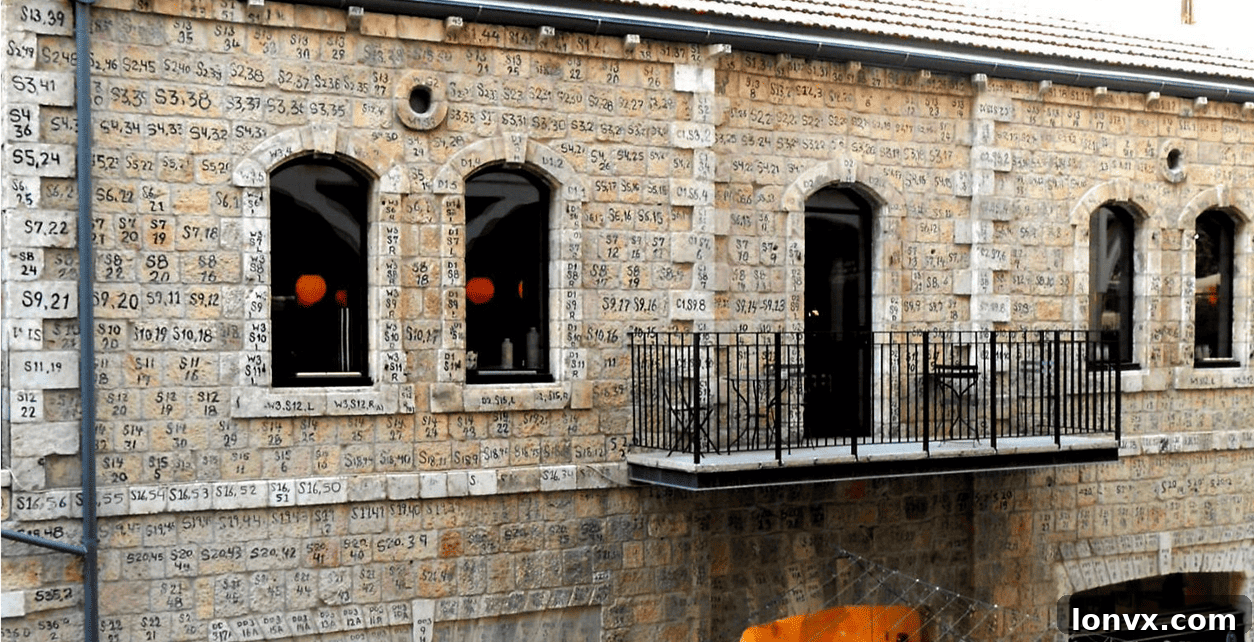
Mamilla Avenue: Where Jerusalem’s Past and Present Converge Through Numbered Stones
Nestled against the ancient walls of Jerusalem, Mamilla Avenue stands as a testament to meticulous urban renewal and the profound respect for history. This bustling pedestrian mall, officially known as Alrov Mamilla Avenue, represents a remarkable achievement in blending centuries-old architecture with modern design and vibrant commerce. Its story is not merely one of construction but of careful deconstruction, preservation, and an innovative artistic vision that literally numbers its way into the hearts of both residents and visitors.
The ambitious project to transform Mamilla Avenue into the captivating destination it is today began with an extraordinary challenge: preserving the very essence of its historic structures. As workers diligently embarked on the demolition of dilapidated buildings, immense care was taken not to destroy the venerable masonry blocks. Each stone, weathered by time and witness to generations of Jerusalem’s evolving story, was deemed precious. The ultimate goal was not replacement, but rather a grand reconstruction, where many of these original blocks would be meticulously reincorporated into the fabric of the new pedestrian mall, ensuring the avenue retained its authentic historical character.
The Architectural Vision: Moshe Safdie and the Numbered Bricks
To orchestrate this colossal jigsaw puzzle, where fragments of the past would be precisely reassembled, a practical system was essential. Each substantial brick was painted with a unique number, acting as a crucial identifier for its original position and intended placement in the reconstruction process. However, what began as a mere logistical necessity was soon transformed into an iconic design element, thanks to the ingenuity of the Israeli-Canadian architect at the helm, Moshe Safdie.
Fashionable locals like to photograph themselves in front of one of the numbered buildings on Mamilla Avenue. Photo by Diane Slawych.
Safdie’s overarching vision for Mamilla was to seamlessly integrate the historical architecture with contemporary design, creating a space that felt both ancient and refreshingly modern. Many of the existing structures dated back to the 1800s, carrying with them tales of Ottoman rule and early Zionist pioneers. One pivotal day, Safdie conceived an unconventional, yet brilliantly public, method to highlight the extensive preservation efforts. Instead of concealing or sandblasting off the numbers painted on the bricks once reconstruction was complete, he decided they should remain visible, deliberately positioned outwards to become an integral part of the structures’ façades. This bold decision transformed a utilitarian mark into a unique architectural signature, turning the very process of preservation into a public art display.
Mamilla Avenue Today: A Vibrant Cultural and Commercial Hub
Completed in 2008, the renovated Mamilla Avenue has since blossomed into one of Jerusalem’s most popular open-air destinations. Stretching approximately 600 metres, it serves as a dynamic link between the new city and the revered Jaffa Gate entrance to the Old City. This strategic location makes it a magnet for both locals and tourists, offering an unparalleled blend of shopping, dining, and cultural experiences within a setting rich with historical resonance.
The promenade boasts an impressive array of over 140 establishments, catering to diverse tastes and preferences. High-end international fashion chains stand alongside exclusive Israeli designer boutiques, creating a sophisticated retail environment. Interspersed among these shops are charming cafes and world-class restaurants, inviting visitors to pause, relax, and savor local and international cuisine while soaking in the unique atmosphere. The careful curation of businesses ensures that the avenue maintains its upscale appeal while remaining accessible and welcoming.
While several low-rise buildings on Mamilla Avenue are entirely new constructions, thoughtfully designed to harmonize with their historic surroundings, it is the historic structures that truly capture the imagination. Approximately half a dozen of these original buildings prominently display the numbered bricks, each telling a silent story of dismantling and reassembly. These distinctive façades never fail to pique the curiosity of passersby, often sparking conversations about the avenue’s unique history and the architectural marvel behind its revival. Furthermore, in an age of digital connectivity, these visually striking walls frequently serve as an intriguing, almost graffiti-like, backdrop for “selfie-obsessed hipsters” and photographers, making the avenue a modern cultural landmark.
The Stern House: A Pillar of History and Heritage
Among the most celebrated reconstructed buildings on Mamilla Avenue, bearing its proud numbered bricks, is the iconic Stern House. This magnificent structure, originally a two-storey private residence, dates back to 1877, a period when Jerusalem was under Ottoman rule. Its historical significance is further amplified by a brief but memorable visit from none other than Theodor Herzl, the visionary founder of modern Zionism, who lodged overnight here during his pivotal visit to Jerusalem in 1898. The Stern House stands as a tangible link to foundational moments in both local and international history, embodying the spirit of a bygone era.
Today, the Stern House has been thoughtfully repurposed to continue its legacy as a vibrant community space. It now hosts a welcoming bookstore, where visitors can browse a wide selection of literature, and an inviting outdoor cafe, perfect for enjoying a cup of coffee amidst historical grandeur. Additionally, a small museum within its walls offers insights into the building’s rich past and its connection to significant figures and events. The Stern House perfectly exemplifies the philosophy of Mamilla Avenue: honoring the past by giving historic buildings renewed purpose and integrating them seamlessly into contemporary life.
A Storied Past Reclaimed: From Desolation to Destination
The history of Mamilla Avenue is as complex and layered as the city it resides in. Before its current renaissance, the avenue endured periods of profound change and neglect. At the end of the 19th century, it flourished as a fashionable district, a bustling hub where Jerusalem’s elite would stroll and socialize. This era of prosperity, however, was tragically interrupted by geopolitical turmoil.
Following the devastating 1948 Arab-Israeli War, a significant portion of Mamilla Avenue lay in ruins, a stark reminder of the conflict. For approximately four years, it became a poignant “no man’s land,” a desolate buffer zone between the newly divided sectors of Jerusalem. Eventually, immigrant families, seeking new beginnings, moved into and occupied the derelict buildings, injecting life back into the scarred landscape, albeit under vastly different circumstances than its earlier grandeur. This period of dereliction and subsequent informal habitation lasted for decades, until the ambitious urban renewal project conceived by Moshe Safdie and his team began to restore its former glory and elevate it to new heights. The avenue’s transformation from a forgotten relic to a celebrated landmark is a powerful narrative of resilience and rebirth.
Mamilla: A Dynamic Canvas for Art, Culture, and Celebration
Beyond its historical architecture and commercial offerings, Mamilla Avenue has firmly established itself as a dynamic cultural hub. The open-air promenade serves as an ever-evolving gallery for changing art and sculpture exhibits. These artistic installations, many of which are available for sale, continuously amuse and inspire passersby, adding an enriching layer to the shopping and dining experience. This commitment to public art fosters a vibrant, creative atmosphere, ensuring there’s always something new and intriguing to discover around every corner.
The avenue truly comes alive during summer evenings and Jewish holidays, when it hosts a plethora of free concerts and lively street performances. These events transform the promenade into a festive gathering place, where music, dance, and communal celebration fill the air, attracting families, couples, and individuals of all ages. As night falls, strings of elegant white lights crisscross above the promenade, casting a warm, magical glow that enhances the festive ambiance, making Mamilla an enchanting destination for evening strolls and social gatherings. It’s a place where the echoes of history blend effortlessly with contemporary joy and communal spirit.
A Successful Symphony of Old and New
Moshe Safdie, the visionary architect whose leadership guided this complex undertaking, has every reason to be satisfied with the remarkable outcome. His innovative approach to preservation, particularly the decision to highlight the numbered bricks, has created a truly unique and meaningful landmark. The success of Mamilla Avenue is widely acknowledged, not just by its creators, but, more importantly, by the countless citizens of Jerusalem and visitors from around the globe who flock to experience its distinctive charm.
The project stands as a shining example of how sensitive urban development can honor a city’s rich past while simultaneously paving the way for a vibrant future. Mamilla Avenue is more than just a shopping district or a historical site; it is a living, breathing testament to successful architectural innovation and thoughtful heritage preservation. In this extraordinary endeavor, it seems, all the numbers truly do add up to a triumph.