
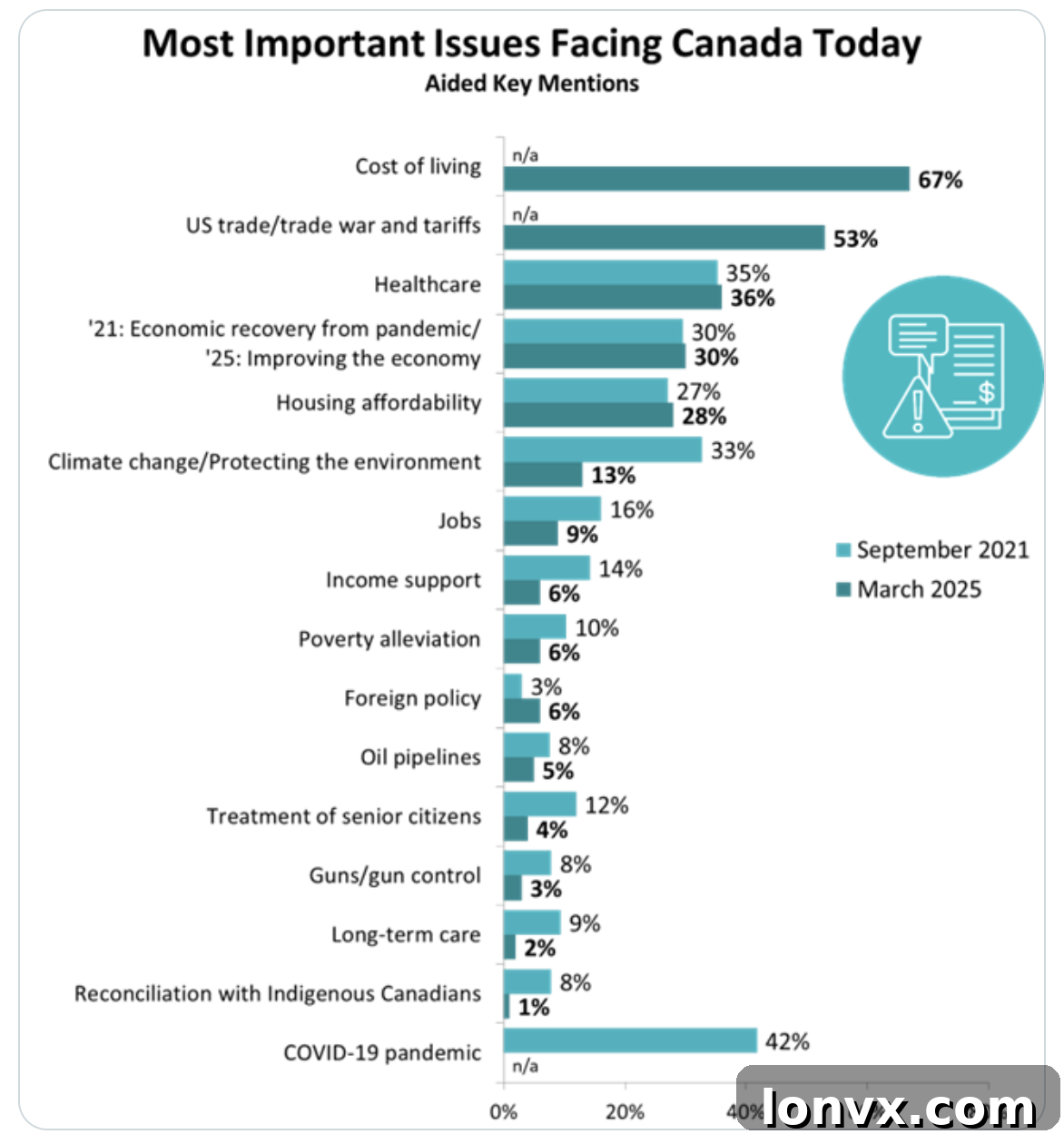
In Canada, real estate transcends the simple concept of shelter; it has historically been a cornerstone of wealth accumulation, a pivotal component of retirement planning, and a valuable family legacy. However, this cherished asset is increasingly becoming a stark fault line in the discourse around intergenerational fairness, exacerbating the divide between those who possess significant property assets and those struggling to enter the market. As Canada approaches its 2025 federal election, the escalating tensions surrounding housing affordability are poised to be a dominant and defining political battleground.
Over the past two decades, the issue of housing affordability has evolved from a niche policy concern into a central defining challenge for millions of Canadians. For a significant segment of younger voters, the dream of homeownership feels more elusive and unattainable than ever before, pushing them to the brink of frustration and economic insecurity. Conversely, for many older investors, their property holdings have yielded substantial financial windfalls, deepening the generational wealth disparity. This divergence has propelled housing from being merely an economic or social policy concern to a highly charged and critical political issue, shaping the platforms and strategies of every major political party.
In response to this national crisis, Canada’s leading political parties—the Conservatives, Liberals, and New Democratic Party (NDP)—have each meticulously crafted and unveiled distinct visions aimed at reforming and ultimately stabilizing the Canadian housing system. These proposals, while all addressing the same core problem, vary significantly in their underlying economic philosophies, their proposed mechanisms for execution, and their overarching tone, offering Canadians a clear choice in how the nation’s housing future will be shaped.
Source: Valery.ca
Conservatives: Unlocking Trapped Wealth to Fuel Economic Growth and Enhance Housing Supply
A Strategic Tax Deferral to Reinvigorate Capital Movement
The Conservative Party’s flagship proposal, dubbed the “Canada First Reinvestment Tax Cut,” directly addresses the substantial amount of capital currently held in passive assets, particularly real estate and other investment properties. This innovative plan seeks to stimulate the Canadian economy by allowing individuals and businesses to defer capital gains taxes on the sale of these assets. The crucial condition for this deferral is that the proceeds from such sales must be strategically reinvested into active, productive Canadian businesses, thereby shifting dormant wealth into job-creating and innovation-driving sectors.
Unlike conventional tax cuts that permanently reduce tax obligations, this Conservative initiative operates as a deferral mechanism. It does not forgive taxes entirely but rather postpones their payment until the new, active investment is either sold off or moved outside of Canada. This design is specifically engineered to encourage domestic reinvestment and to funnel passive capital—often sitting idly in appreciating assets—into more dynamic and growth-oriented segments of the Canadian economy, aiming to boost productivity and foster national prosperity.
Inspired by the U.S. 1031 Exchange—But with Broader Economic Ambitions
This policy bears a clear resemblance to the long-standing U.S. 1031 exchange, a provision that permits real estate investors to defer capital gains taxes by reinvesting the proceeds from a property sale into a new “like-kind” investment property. However, the Canadian Conservative version significantly broadens this concept beyond the confines of real estate. Under their proposed “Canada First Reinvestment Tax Cut,” investors would possess the flexibility to sell a property and then reinvest the capital into a diverse array of active Canadian industries, ranging from cutting-edge technology startups and burgeoning clean energy projects to vital manufacturing sectors. This expanded scope is designed to catalyze cross-sector investment and diversification, aiming for a more profound and widespread economic impact.
Profound Implications for Real Estate Investors and Property Sellers
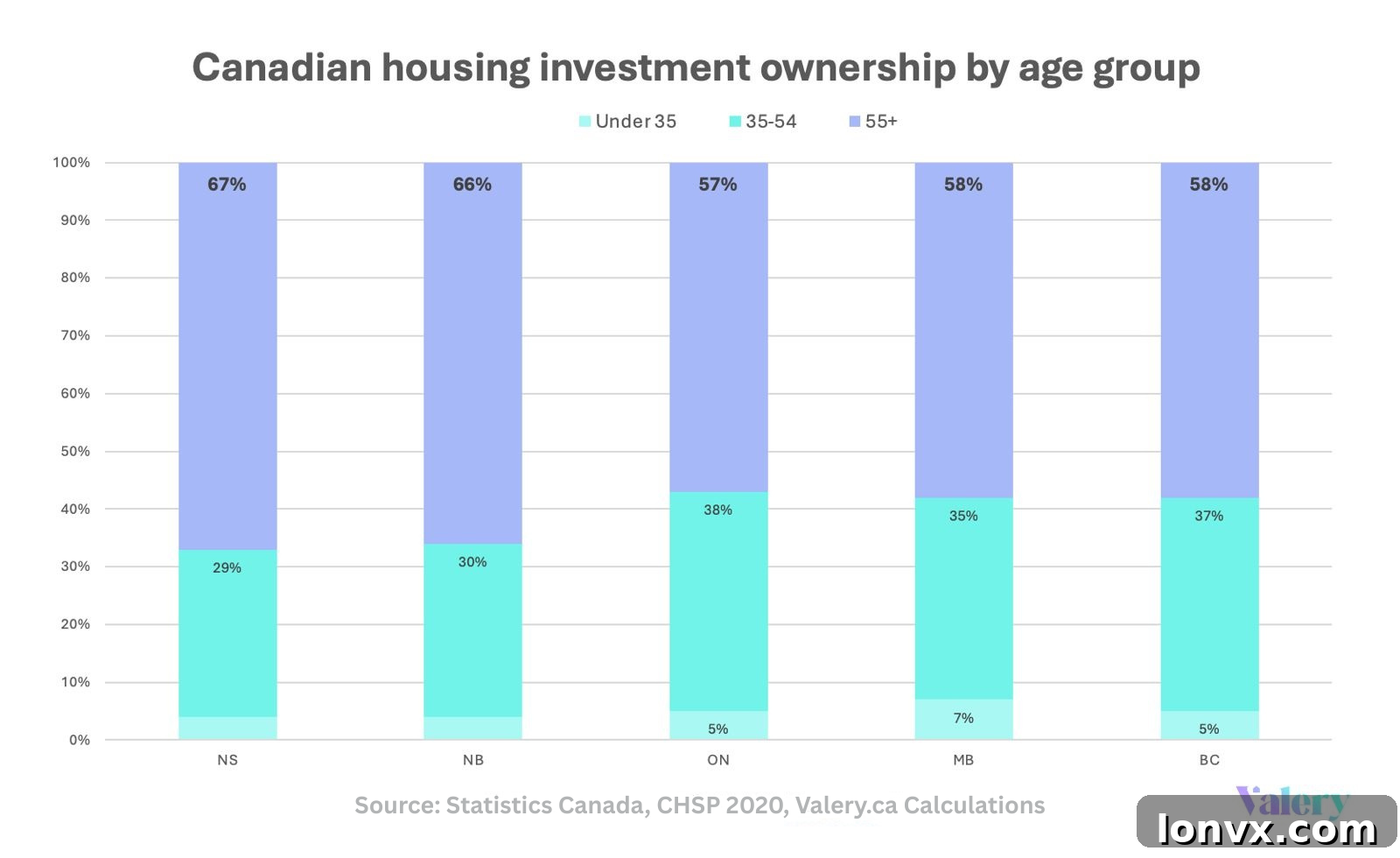
For real estate investors, particularly those aged 55 and older—a demographic that, according to Statistics Canada, constitutes the majority of investment property owners in key provinces like Ontario, British Columbia, and Nova Scotia—this proposal could introduce a highly attractive and tax-efficient strategy for divesting from the real estate market. By enabling the deferral of capital gains taxes, the plan creates a powerful incentive for these long-term property holders to sell their assets without facing an immediate and substantial tax burden. This mechanism has the potential to unlock a significant volume of existing housing supply, especially properties held by those looking to transition their wealth into other ventures or for retirement planning.
Source: Valery.ca
Such a shift could alleviate some of the acute pressure in Canada’s tight housing markets by increasing listing volumes, thereby offering more choices to prospective buyers. More broadly, it aims to redirect dormant capital, currently tied up in passive real estate, into more productive and innovative sectors of the Canadian economy, fostering job creation and enhancing overall economic resilience. Furthermore, this policy reflects a subtle but strategic bet by the Conservatives: that given a compelling choice, Canadian investors would prefer to reinvest their wealth within the national economy rather than parking it in foreign assets. This belief is underscored by recent trends, such as Canadians ranking as the top foreign buyers of U.S. real estate in 2024, a phenomenon this policy aims to reverse by making domestic reinvestment more attractive.

Source: Valery.ca
Liberals: Committing to Housing Development at a Historic Scale
The Build Canada Homes (BCH) Proposal: Doubling Housing Supply Ambitions
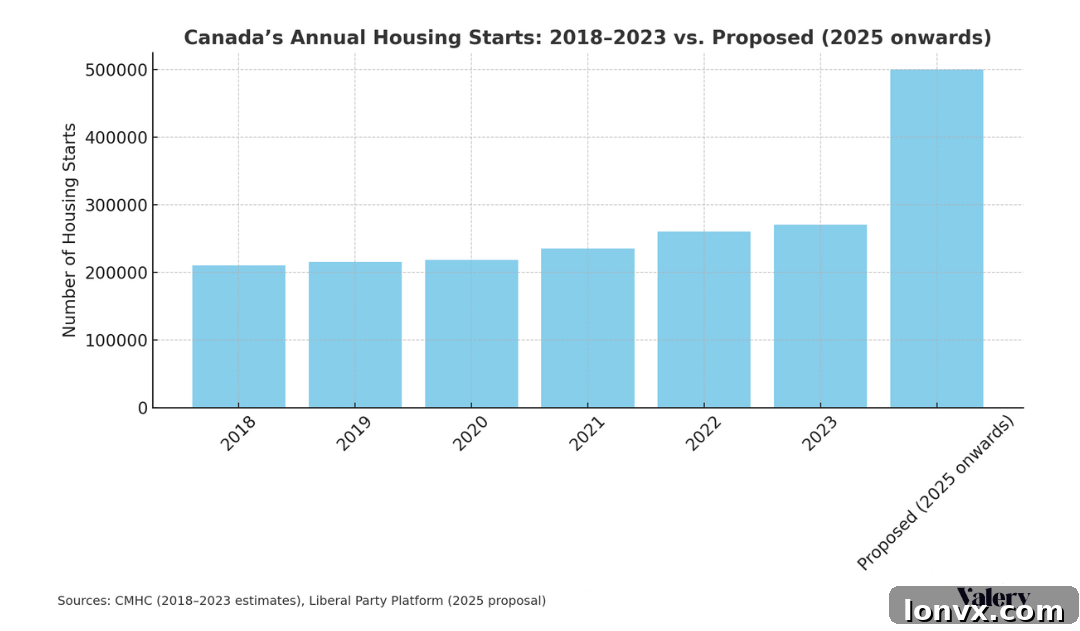
Under the strategic guidance of Mark Carney, the Liberal Party has unveiled its ambitious Build Canada Homes (BCH) proposal, a comprehensive plan designed to dramatically escalate Canada’s annual housing output. The core objective is to double the current production to an unprecedented 500,000 new homes per year. This target signifies a level of direct government involvement and intervention in the housing market not witnessed since the post-World War II era, when the federal government played a crucial role in housing returning soldiers and booming populations.
To truly grasp the magnitude of this ambition, one must compare the proposed target to Canada’s actual housing starts over the past six years. Historically, Canada has managed to produce between 210,000 and 270,000 homes annually. The BCH target, therefore, represents a near-doubling of this rate, illustrating a profound and dramatic intended increase in national housing output. Achieving this would require monumental efforts in coordination, funding, and construction capacity, reshaping the entire housing landscape.
The strategy to achieve this bold goal is multi-faceted. It includes leveraging vast tracts of public land for residential development, making significant investments in advanced prefabricated housing technologies to accelerate construction and reduce costs, and offering substantial incentives to encourage the construction of affordable housing units. These pillars are crucial for overcoming existing bottlenecks in labor, materials, and land availability.
Strategies for Lowering Costs for Both Buyers and Builders
A central tenet of the BCH platform is a direct financial relief measure: the elimination of the Goods and Services Tax (GST) on new homes valued under $1 million for first-time buyers. In highly competitive and expensive markets such as Toronto or Vancouver, this policy alone could translate into immediate savings of tens of thousands of dollars for eligible buyers, significantly easing the burden of entry into the housing market. Beyond this, the Liberals propose additional measures, including reducing development fees imposed by municipalities and fast-tracking zoning approvals. These initiatives are designed to collectively lower construction costs, mitigate financial risks for developers, and crucially, speed up the delivery of new housing projects, ensuring that supply can keep pace with demand.
Projected Impacts on the Canadian Real Estate Market
In the immediate future, first-time buyers are slated to be the primary beneficiaries of the BCH plan. The combination of potentially cheaper construction costs, reduced tax burdens, and a substantially increased housing supply could unlock homeownership opportunities that have remained out of reach for many over the past decade. For real estate investors and developers, however, the implications are more nuanced and complex. A sudden and significant increase in housing supply, while beneficial for affordability, could temper the rate of price appreciation and potentially compress rental margins, influencing investment returns. Conversely, the acceleration of zoning approvals and substantial federal funding for new builds could de-risk projects, making new construction more attractive and viable for developers.
The BCH plan envisions a return to a more active role for the federal government in housing development, akin to its post-war efforts. However, the ultimate success of this ambitious plan hinges on critical factors such as the government’s ability to adhere to aggressive timelines, maintain strict cost controls, and ensure seamless intergovernmental coordination across various levels of jurisdiction. The execution of such a grand-scale project will undoubtedly face formidable challenges.
NDP: Empowering Buyers and Restraining Speculation to Ensure Housing as a Right
Targeted Mortgage Relief for First-Time Buyers
The New Democratic Party (NDP) has anchored its housing platform firmly on the principle of affordability for everyday Canadians, prioritizing access over profit. Their most prominent policy initiative is the introduction of a federally backed low-interest fixed mortgage program, designed exclusively for first-time buyers. This program aims to directly alleviate the financial strain of high borrowing costs, which are currently among the highest in recent history.
In an environment where interest rates significantly impact monthly payments, a reduction of even 0.5 percent in mortgage rates through this program could translate into substantial savings for buyers, potentially ranging from $9,000 to $12,000 over a five-year term. Such savings could be a critical lifeline for many struggling to afford a down payment or manage their monthly housing expenses, making homeownership a more realistic prospect.
Addressing the Rise of Corporate Landlords and Speculation
A cornerstone of the NDP’s strategy to combat the housing crisis is a proposed ban on corporate landlords from acquiring existing affordable housing units. This bold move is specifically designed to curb the aggressive entry of large institutional firms into the rental market, which often leads to the displacement of tenants, inflated rents, and a shrinking supply of genuinely affordable housing. The NDP contends that by restricting corporate acquisitions, they can protect existing affordable housing stock and prevent speculative forces from further destabilizing local communities.
Furthermore, the party advocates for significant additional funding for non-profit housing initiatives and robust support for co-operative housing models. These measures underscore the NDP’s unwavering commitment to treating housing as a fundamental public good rather than a speculative commodity. By investing in community-driven housing solutions, they aim to build a more equitable and stable housing system that prioritizes human needs over corporate profits.
Rebalancing the Investor Equation and Promoting Social Equity
Of the three major parties, the NDP’s proposal is arguably the most critical and challenging toward the traditional investor class. It explicitly prioritizes long-term affordability and social equity over short-term profit maximization, signaling a significant ideological shift towards a more heavily regulated rental landscape. While socially motivated investors and non-profit organizations might find new opportunities and support within this framework, for-profit landlords could face increased scrutiny, tighter acquisition paths, and potentially squeezed profit margins.
The NDP’s message on housing is unequivocal and resonates with a core tenet of their political philosophy: housing is a fundamental human right, and the unregulated forces of the market alone cannot be relied upon to deliver fair, accessible, and equitable outcomes for all Canadians. Their policies aim to fundamentally reshape the dynamics of the housing market to ensure it serves the needs of people first.
Why First-Time Buyers Are the Essential Key to a Healthy Real Estate Market
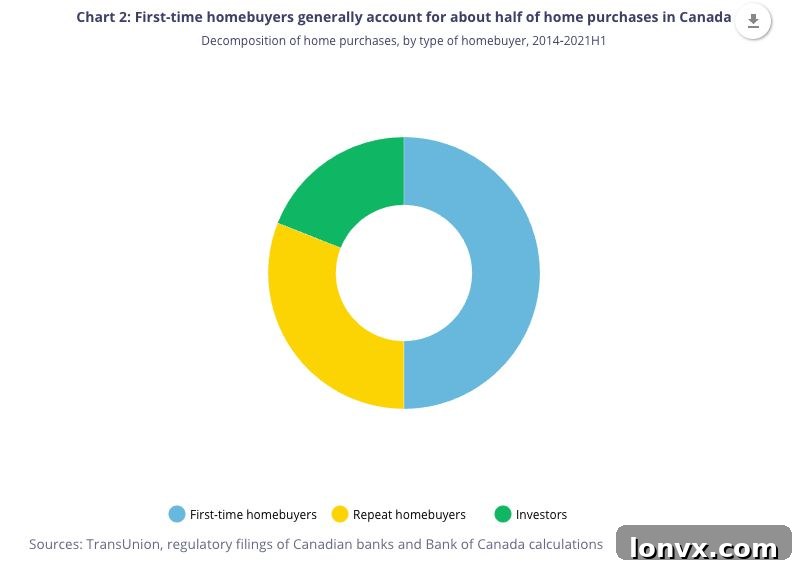
Focusing policy efforts on first-time buyers isn’t merely a shrewd political strategy; it is, more importantly, a foundational principle of sound economics for any housing market. According to comprehensive data from the Bank of Canada, first-time buyers consistently represent a vital segment, typically accounting for around half of all home purchases across Canada annually. As the accompanying chart vividly illustrates, this demographic constitutes the single largest group of purchasers, surpassing the combined total of repeat buyers and real estate investors.
The entry of first-time buyers into the market triggers a crucial ripple effect that revitalizes the entire housing ecosystem. When new buyers acquire starter homes, it enables existing homeowners to sell their properties and move up the housing ladder, freeing up mid-market inventory. This upward mobility, in turn, creates demand for new construction, which is then absorbed more efficiently into the market. Critically, this continuous flow eases pressure on the rental market by converting renters into homeowners, thereby increasing the availability of rental units and potentially stabilizing rents. In essence, a housing market characterized by active and empowered first-time buyers is a dynamic, fluid, and healthy housing market, essential for overall economic stability.
This fundamental economic truth explains why both the Liberal Party and the New Democratic Party have strategically placed first-time buyers at the core of their respective housing platforms. Any policy framework that overlooks or neglects the needs of this crucial demographic risks leaving the entire housing system stagnant, sluggish, and unable to effectively address the deep-seated affordability challenges facing Canada.
Competing Visions, Shared Stakes: Navigating Canada’s Housing Future
While each of Canada’s major political parties—the Conservatives, Liberals, and NDP—presents a distinct and often contrasting solution to the nation’s pressing housing crisis, their proposals ultimately reflect deeper, fundamental philosophical differences regarding the role of government, the market, and social welfare.
The Conservatives advocate for unlocking private capital and strategically redirecting it toward productive economic activity, believing in market-driven incentives to increase supply and efficiency. The Liberals, conversely, champion aggressive, large-scale building initiatives and systemic reductions in bureaucratic friction, embracing a more direct government role in boosting housing supply. The NDP, however, prioritizes the protection of housing affordability and seeks to rein in what they perceive as excessive corporate control and speculation, viewing housing as a social right requiring significant market regulation.
For real estate investors across Canada, these diverging proposals carry significant implications, potentially reshaping everything from their exit strategies and capital deployment decisions to their ongoing regulatory compliance requirements. For existing homeowners, and particularly for the aspirational first-time buyers, the outcome of these policy debates could determine whether the dream of a down payment remains an achievable goal or slips further out of reach.
What undeniably unites all three of these competing visions is a shared and urgent recognition: Canada’s housing system, in its current state, is fundamentally not working as it should, failing to meet the needs of a growing population and exacerbating societal inequities. As the 2025 federal election approaches, housing policy will not merely dictate which party wins power; it holds the profound potential to determine who among Canada’s citizens gets to truly call this country home, defining the future of Canadian prosperity and fairness for generations to come.