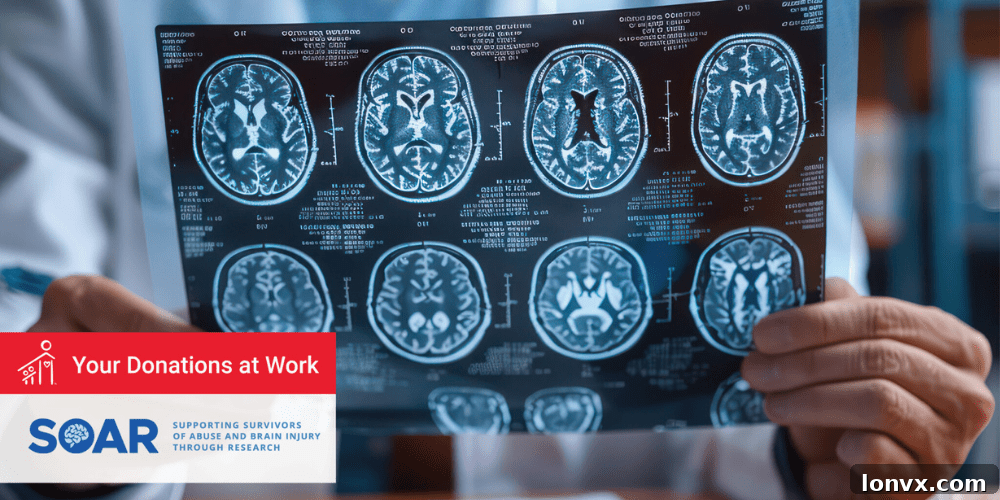
Unmasking the Hidden Trauma: Addressing Brain Injury in Survivors of Intimate Partner Violence in Canada
Intimate partner violence (IPV) remains a pervasive and devastating issue across Canada, affecting countless individuals and families. While the immediate physical and emotional scars of abuse are often recognized, a silent and profound consequence frequently goes unaddressed: brain injury. Startling statistics reveal the depth of this crisis, with over 40 percent of Canadian women reporting experiencing violence at the hands of an intimate partner. Even more alarming, nearly all of these survivors endure at least one brain injury as a direct result of the abuse. Recognizing this critical gap in support and understanding, British Columbia-based charity Supporting Survivors of Abuse and Brain Injury Through Research (SOAR) is dedicating its efforts to shed light on this hidden trauma and revolutionize the way survivors are supported.
A Crucial $75,000 Grant Fuels National Training Initiative
The Royal LePage Shelter Foundation (RLSF), a prominent advocate for women and children fleeing domestic abuse, has stepped forward with a significant grant of $75,000 to bolster SOAR’s vital work. This substantial funding is earmarked to launch an innovative and desperately needed training program, designed specifically for women’s shelters across Canada. The initiative aims to empower front-line staff—the dedicated individuals who are often the first point of contact for survivors—with the essential knowledge and specialized skills required to identify, understand, and effectively support women who have sustained a brain injury as a consequence of intimate partner violence.
Lisa Gibbs, Executive Director of the RLSF, articulated the profound necessity of this project, stating, “When we first heard the horrifying statistics on how many women were suffering a brain injury from intimate partner violence and learned how many shelter workers still didn’t know how to recognize or respond to it, we knew this was a project we had to support as part of our commitment to helping women and children find safety and healing from domestic abuse.” Her words underscore the urgency and the moral imperative driving RLSF’s investment in this groundbreaking program, highlighting a widespread systemic oversight that has left many survivors without appropriate care.
Understanding the Silent Epidemic: IPV and Brain Injury
The connection between intimate partner violence and traumatic brain injury (TBI) is increasingly recognized as a critical public health concern. Unlike injuries sustained in accidents or sports, IPV-related brain injuries often occur through repeated assaults, strangulation, head trauma, and other forms of physical abuse. These incidents can lead to concussions, mild traumatic brain injuries (mTBI), or even more severe neurological damage. The insidious nature of IPV means that these injuries are frequently overlooked, misdiagnosed, or dismissed, with survivors often facing significant barriers to receiving specialized medical attention or appropriate post-injury care.
Symptoms of brain injury, such as memory loss, difficulty concentrating, headaches, fatigue, dizziness, and emotional dysregulation, can profoundly impact a survivor’s ability to navigate complex systems, make decisions, maintain employment, or even articulate their experiences of abuse. This creates a vicious cycle where the injury itself can hinder their escape from violence and their journey toward recovery. Without proper identification and targeted support, these women are at a heightened risk of continued vulnerability, re-victimization, and prolonged suffering.
Forging New Pathways: Standardized Best Practices for Survivor Support
Karen Mason, co-founder and Executive Director of SOAR, expressed profound gratitude for RLSF’s visionary support, emphasizing the transformative potential of the project. “This project has the potential to form the basis for new, standardized best practices in identifying and supporting survivors at what is often their first point of contact after leaving an abusive relationship — a shelter — leading to better outcomes overall,” Mason added. Her statement highlights the core objective: to establish consistent, evidence-based approaches that can be replicated across Canada, ensuring that every survivor, regardless of where they seek refuge, receives the highest standard of care tailored to their unique needs.
The training program developed by SOAR, with RLSF’s funding, will address this critical gap by equipping shelter staff with comprehensive tools. The curriculum is expected to cover a wide range of topics, including:
- Recognition of Symptoms: Teaching staff to identify the subtle and overt signs of brain injury, which can often be mistaken for other conditions like mental health issues or substance abuse.
- Trauma-Informed Assessment: Providing methods for conducting sensitive assessments that acknowledge the survivor’s trauma history and avoid re-traumatization.
- Effective Communication Strategies: Guiding staff on how to communicate with individuals experiencing cognitive difficulties, ensuring clarity and patience.
- Tailored Safety Planning: Adapting safety plans to account for memory issues, processing delays, or executive function challenges that brain injury survivors may face.
- Referral Pathways: Establishing clear guidelines for connecting survivors with specialized medical, neurological, and rehabilitation services.
- Long-Term Support: Educating staff on the ongoing needs of brain injury survivors, fostering a holistic approach to recovery that extends beyond their stay at the shelter.
By standardizing these practices, SOAR and RLSF aim to ensure that shelters evolve into truly comprehensive healing environments. This initiative will not only enhance the immediate safety of survivors but also significantly improve their prospects for long-term recovery, independence, and a life free from violence. The ripple effect of such a program is immense, impacting not just individual women but also their children, families, and communities.
The Broader Impact: A Call for Collective Action
The commitment shown by SOAR and RLSF serves as a powerful testament to the importance of specialized intervention in the fight against intimate partner violence. Recognizing brain injury as a core component of IPV recovery is a crucial step towards creating more effective and compassionate support systems. This project is a beacon of hope, demonstrating that with focused attention and dedicated resources, it is possible to transform the landscape of survivor support in Canada.
The long-term success of this initiative will undoubtedly hinge on continued collaboration among various stakeholders, including healthcare providers, government agencies, community organizations, and the broader public. Raising awareness about the prevalence and impact of IPV-related brain injury is paramount. Education campaigns can help destigmatize brain injury among survivors, encourage them to seek help, and empower front-line workers to provide better care. Furthermore, advocating for policy changes that prioritize comprehensive care for survivors, including access to specialized medical and rehabilitative services, will be critical.
Ultimately, by addressing this often-unseen trauma, SOAR and RLSF are not merely offering a new training program; they are laying the groundwork for a more just and empathetic society where every survivor of intimate partner violence, including those with brain injuries, is seen, heard, and supported on their path to healing and empowerment. This endeavor represents a vital step forward in ensuring that Canadian women can find not just safety, but also the full, holistic recovery they deserve.
Photo: RoyalLePageLeadingEdge.ca
Enjoying this article?
Get the latest industry articles in your inbox three times a week so you stay up to date on crucial developments.