Ontario Real Estate Regulator Unveils Sweeping Reforms for Enhanced Consumer Protection and Professional Integrity
RECO Administrator Jean Lépine Outlines Transformative Initiatives at OREA’s Annual General Meeting
In a landmark move poised to reshape Ontario’s real estate landscape, the Real Estate Council of Ontario (RECO) has announced a comprehensive overhaul of its regulatory framework. This sweeping modernization effort, driven by a commitment to fortify consumer protection and prevent future financial misconduct, includes a pivotal requirement for brokerages to file mandatory annual financial statements. The reforms underscore a proactive approach to maintaining the integrity of the profession, addressing critical vulnerabilities exposed by a series of high-profile enforcement cases.
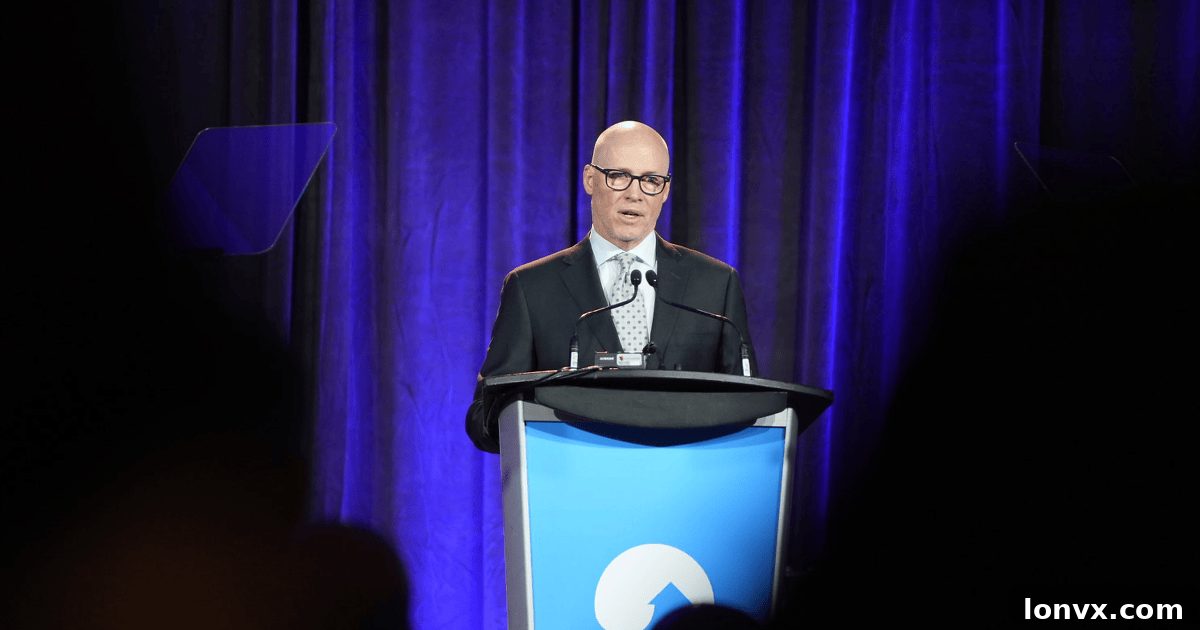
Jean Lépine, the Administrator and acting Chief Executive Officer of RECO, detailed these significant changes during the Ontario Real Estate Association’s (OREA) annual general meeting. Lépine framed these initiatives as central to a broader transformation agenda, designed to restore and enhance public trust in an organization still navigating the aftermath of the devastating iPro Realty Ltd. trust account scandal. The message was clear: RECO is evolving to become a more vigilant, transparent, and technologically advanced regulator.
“Our goal is simple — to make RECO the most modern, technologically advanced real estate services regulator in the country,” Lépine affirmed, emphasizing the ambition behind the reforms. This strategic redirection aims not only to react to past issues but to build a robust, future-proof system that champions ethical practice and safeguards consumer interests at every turn.
The Imperative for Reform: Learning from High-Profile Scandals
The urgency behind RECO’s transformative agenda is deeply rooted in the consequences of the $10-million iPro Realty matter. This significant trust account scandal triggered a scathing audit by Dentons Canada LLP, leading to the Ontario government’s appointment of Lépine as administrator in December 2025. The fallout was substantial: over 500 consumer claims have been processed and closed, with 1,540 of 2,559 commission claims fully paid to date, yet the shadow of financial mismanagement cast a long pall over the industry.
The iPro incident served as a stark reminder of the critical need for enhanced oversight and preventative measures within the real estate sector. However, it was not an isolated event. Recent months have brought to light additional enforcement actions, further underscoring the systemic vulnerabilities that RECO is now determined to eradicate:
- Save Max Brokerages (February): RECO issued notices of proposal to revoke registration, immediate suspension orders, and freeze orders against four Save Max brokerages. A comprehensive forensic review revealed that a staggering $2.7 million had been improperly withdrawn from trust accounts at these Mississauga-based operations, impacting approximately 400 agents. Save Max is currently appealing these regulatory actions, highlighting the contentious nature of these enforcement cases.
- HomeLife Today Realty Ltd. (December): The regulator took decisive action by freezing accounts at Scarborough-based HomeLife Today Realty Ltd. following the discovery of a substantial $580,000 trust account shortfall. Such incidents not only result in significant financial losses but also erode the fundamental trust that clients place in real estate professionals and the regulatory bodies overseeing them.
These cases collectively painted a compelling picture of an industry grappling with compliance challenges and the potential for abuse, making RECO’s current reforms not just timely, but absolutely essential for the long-term health and credibility of Ontario’s real estate market.
Pioneering Financial Transparency: Mandatory Annual Filings and Risk-Based Compliance
At the heart of RECO’s preventative strategy is the new mandatory annual financial filing requirement for all brokerages, expected to be fully implemented later this year. This proactive measure is specifically designed to enable the earlier identification of financial irregularities and potential risks, moving away from a purely reactive enforcement model. RECO has committed to sharing the detailed requirements with brokerages this spring, ensuring ample time for preparation and compliance.
Lépine articulated the philosophy behind this initiative, stating, “This work is not about burdening good operators or creating unnecessary red tape. It is about ensuring that a small number of bad actors do not undermine the integrity of the entire profession.” This statement reassures the vast majority of compliant brokerages while sending a clear warning to those who might consider unethical practices.
The new filings will serve as crucial inputs for RECO’s enhanced risk-based compliance framework. This sophisticated system is designed to allow most registrants to serve their clients without undue disruption, while simultaneously focusing regulatory attention and resources where the risks are greatest. Lépine underscored that any compliance tools would be applied proportionately, with a strong emphasis on early intervention and guidance rather than solely on punitive measures. This approach aims to foster a culture of compliance and continuous improvement within the industry.
The Ontario Real Estate Association (OREA) has enthusiastically welcomed RECO’s announcement. Kim Fairley, OREA’s 2026 president, stated, “OREA is thrilled to see RECO and the Government of Ontario heed our calls for increased financial oversight and trust account reforms for brokerages, which will go a long way towards building back trust in the regulator.” This endorsement from a key industry association highlights the collaborative spirit driving these reforms and the shared vision for a more trustworthy and accountable real estate sector.
The implementation of mandatory financial filings represents a significant step towards greater transparency and accountability, equipping RECO with the necessary data to proactively monitor the financial health of brokerages. This shift is expected to mitigate the risks of large-scale trust account shortfalls, protecting both consumers and the reputation of dedicated real estate professionals.
Ensuring Sustainability: An Independent Review of RECO Fees
Acknowledging the economic pressures confronting registrants amidst years of market volatility and regulatory uncertainty, Lépine, approximately three months into his tenure, directly addressed RECO’s financial sustainability. A critical component of the ongoing transformation is an independent third-party review of the cost associated with delivering on RECO’s vital mandate.
This transparent assessment aims to ensure that RECO’s fee structure is equitable, sustainable, and reflective of the services it provides and the regulatory burden it manages. Lépine committed that any necessary fee adjustments would be communicated with ample advance notice, demonstrating an understanding of the financial realities faced by professionals within the real estate sector. This proactive engagement with the industry on financial matters is crucial for maintaining trust and fostering a collaborative regulatory environment.
“A strong regulator supports a strong profession,” Lépine emphasized. “When consumers trust the system, they trust the professionals within it.” This statement encapsulates the symbiotic relationship between robust regulation and a thriving, respected profession. By ensuring RECO’s financial stability, the organization can continue to invest in the tools, technologies, and personnel required to effectively police the industry and uphold high standards, ultimately benefiting all stakeholders.
Elevating Professional Standards: Education Modernization on the Horizon
Beyond financial oversight, RECO is also setting its sights on a significant overhaul of its education program in 2026. This initiative aims to transform real estate education from a mere passive requirement into an active, dynamic regulatory tool. A pivotal summit is scheduled for April 9, marking the commencement of this ambitious project.
Lépine articulated the vision: the goal is to develop a clear, strategic roadmap for education modernization by year-end. This involves a thorough review of existing curricula, teaching methodologies, and assessment strategies to ensure that future and current real estate professionals are equipped with the most relevant knowledge, ethical understanding, and practical skills. The modernization effort will likely focus on:
- Enhanced Ethical Training: Strengthening components related to professional conduct, trust account management, and consumer protection.
- Practical Skill Development: Ensuring registrants are well-prepared for real-world scenarios, including complex transactions and conflict resolution.
- Continuous Learning Frameworks: Moving towards ongoing professional development that adapts to market changes and emerging regulatory challenges.
- Technology Integration: Leveraging digital tools and platforms to deliver more engaging and accessible education.
By making education an active regulatory instrument, RECO aims to proactively raise the bar for professional standards, fostering a more competent and accountable workforce. This preventative approach through education is seen as a key strategy in minimizing future misconduct and enhancing the overall professionalism of the industry.
Empowering Consumers: A New Public Awareness Campaign
Complementing its internal reforms, RECO is also poised to launch a comprehensive public awareness campaign this fall. This initiative is designed to clarify and communicate RECO’s crucial role as the real estate regulator to the broader public. Many consumers may not fully understand the protections afforded to them by RECO, or how to seek recourse when issues arise. The campaign will aim to:
- Educate consumers about their rights when engaging in real estate transactions.
- Explain RECO’s mandate in licensing, regulating, and enforcing professional standards.
- Provide clear guidance on how to identify registered professionals and report concerns.
- Build greater public confidence in the regulated real estate market in Ontario.
By empowering consumers with knowledge, RECO seeks to foster a more informed marketplace where individuals can make confident decisions, knowing that robust regulatory safeguards are in place. This campaign is a vital step in reinforcing the trust that is essential for a healthy and thriving real estate ecosystem.
A New Era for Ontario’s Real Estate Industry
The reforms being spearheaded by Jean Lépine and RECO mark a pivotal moment for the real estate industry in Ontario. From mandatory financial filings to a refreshed approach to education and public engagement, these initiatives collectively form a robust framework aimed at strengthening consumer protection, eradicating past vulnerabilities, and elevating the professional standards across the province. The journey towards a fully modernized and technologically advanced regulatory body is ambitious, yet essential for the long-term credibility and integrity of the real estate sector.
By taking decisive action and learning from past challenges, RECO is not merely reacting but proactively shaping an environment where trust, transparency, and accountability are paramount. The commitment to early intervention, proportionate application of compliance tools, and continuous improvement underscores a forward-thinking approach that will benefit both the dedicated real estate professionals who adhere to high standards and the countless consumers who rely on their expertise. Ontario’s real estate market is entering a new era, defined by enhanced oversight, empowered consumers, and a renewed commitment to excellence.