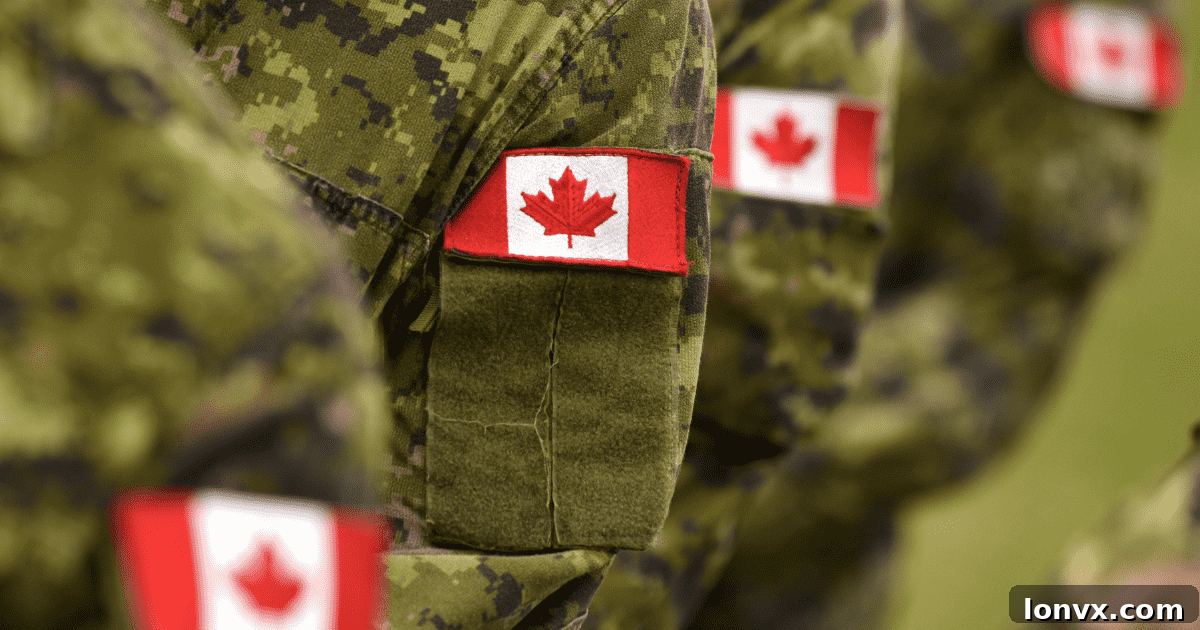
Securing Canada’s Future: Addressing the Critical Housing Crisis for Our Armed Forces
The readiness and resilience of the Canadian Armed Forces (CAF) are directly linked to the well-being of its members. Yet, a looming challenge threatens to undermine Canada’s military capabilities: a profound and persistent shortage of adequate housing for service personnel and veterans. The Central Lakes Association of Realtors (CLAR), a prominent voice representing over 2,600 real estate professionals across key regions including the home of CFB Trenton, has issued a powerful warning. In a comprehensive new report, CLAR urges the federal government to elevate housing as a central pillar in its strategy to rebuild and expand the CAF, highlighting how the current housing crisis is severely impacting recruitment efforts, retention rates, and overall morale within the ranks. This isn’t merely a logistical hurdle; it’s a critical issue with far-reaching implications for national security and Canada’s ability to meet its international commitments.
CLAR’s insightful report, “Housing Our Heroes: A Blueprint for a Stronger Canadian Armed Forces,” outlines a proactive framework comprising eleven specific policy measures designed to modernize, expand, and significantly improve the management of housing for both serving military members and veterans. The association, with its deep understanding of local real estate markets in areas vital to Canada’s defense infrastructure—such as Durham Region, Northumberland County, Peterborough County, Kawartha Lakes, and the Quinte Region, which encompasses Canada’s largest Air Force base, CFB Trenton—is uniquely positioned to speak on this issue. Their call to action is clear: a robust military starts with ensuring its people have a stable, affordable place to call home.
Christine Riley, the incoming 2025 CLAR President, emphasized the fundamental importance of this issue: “Canada’s ability to build and sustain a strong, modern military begins with supporting the people who serve us. Ensuring that every CAF member, whether a recruit taking their first steps in service or a seasoned veteran transitioning to civilian life, has access to stable, affordable housing is essential to the recruitment, retention, and the overall well-being of our military and its members.” She further articulated that strengthening CAF housing infrastructure is more than just an operational necessity; it is “an investment in Canada’s future” and absolutely critical for Canada to uphold its responsibilities to NATO and its allies. The stakes, therefore, could not be higher.
The Auditor General’s Stark Findings: A Housing Crisis Unveiled
The urgency of CLAR’s report is underscored by the alarming findings of the Auditor General of Canada’s investigation in October 2025. This independent review painted a stark picture of systemic failures within National Defence, revealing its inability to meet the basic operational housing needs of its personnel. As of March 2025, the Canadian Forces Housing Agency (CFHA) managed approximately 11,700 homes. However, the operational requirement for adequate military housing ranged significantly higher, between 17,000 and 19,000 units. This critical disparity translates into an egregious shortfall of up to 7,200 housing units, leaving thousands of dedicated service members without appropriate accommodation.
The Auditor General’s report further exposed profound deficiencies in the maintenance and upkeep of existing military housing. Across the three bases specifically examined, a shocking statistic emerged: merely five percent of high-priority repairs had been completed. This neglect leads to deteriorating living conditions, impacting the health, safety, and morale of military families. Concurrently, more than 3,700 CAF members were languishing on waitlists for on-base housing, a staggering 17:1 gap between applicants and available units. This imbalance forces many service members into volatile and expensive private rental markets, often far from their duty stations.
Beyond the sheer numbers, the quality of the housing managed by the CFHA also came under severe scrutiny. Nearly 1,445 homes were found to be below standard, indicating widespread issues with structural integrity, outdated systems, and inadequate living conditions. The report attributed much of this decline to chronic underinvestment in maintenance. Spending on maintenance was a paltry 1.4 percent of the total asset value, falling significantly short of the recommended two percent target. Even more concerning was the abysmal performance in preventive maintenance, which stood at a mere 27.8 percent against an ambitious but necessary 80 percent target. These figures illustrate a clear pattern of reactive rather than proactive management, leading to costly emergency repairs and a continuous cycle of degradation.
Kirby Eady, CLAR President-Elect, articulated the unique challenges faced by military families: “Canadian Armed Forces members are often required to relocate multiple times during their careers. Finding affordable, good-quality housing where duty demands can be challenging. Many bases are in remote locations or in some of Canada’s highest-cost housing markets where the supply of attainable homes both on and off base is limited.” This constant flux, combined with scarcity and unaffordability, adds immense stress to military families, often forcing them to make difficult choices between their careers and their family’s stability.
Impact on Recruitment, Retention, and Morale: A Threat to National Security
The implications of this pervasive housing crisis extend far beyond individual discomfort; they strike at the very core of Canada’s defense capabilities. A strong military is built on the strength and dedication of its personnel, and the inability to provide stable, affordable housing directly undermines these pillars. The federal government’s ambitious plan to grow the CAF to 86,000 members faces an insurmountable hurdle if basic living conditions are not guaranteed.
**Recruitment Challenges:** Prospective recruits, especially those with families, increasingly consider quality of life factors when choosing a career path. If the promise of service comes with the burden of housing insecurity, prolonged waitlists, and substandard living conditions, the CAF struggles to attract the brightest and best. Young Canadians are less likely to choose a career that demands frequent relocations to areas where suitable housing is scarce or prohibitively expensive, effectively narrowing the talent pool from which the CAF can draw.
**Retention Crisis:** Experienced service members, who represent years of training, knowledge, and leadership, are crucial for military effectiveness. When these seasoned professionals and their families face ongoing housing instability, financial strain, or poor living conditions, the temptation to leave the service for more stable civilian opportunities becomes significant. Losing experienced personnel not only impacts operational readiness but also results in a substantial loss of institutional memory and a heavy financial cost in training replacements. This “brain drain” from the military ranks is a serious concern for long-term strategic planning.
**Erosion of Morale:** The psychological toll of housing insecurity on service members and their families cannot be overstated. Constant worry about where one’s family will live, the stress of long commutes from unaffordable off-base housing, or the frustration of living in dilapidated conditions directly impacts morale, focus, and overall well-being. A military member preoccupied with family housing issues cannot fully dedicate themselves to their demanding duties, potentially compromising operational effectiveness and safety. This sense of being undervalued or forgotten by the very nation they serve can lead to disengagement and a decline in espirit de corps, which is vital for unit cohesion and combat readiness. Ultimately, if the Forces cannot promise an affordable home, they cannot promise stability, and without stability, the foundation of military life crumbles.
CLAR’s Comprehensive Blueprint: Modernization, Partnerships, and Veteran Support
Recognizing the multifaceted nature of the CAF housing crisis, CLAR’s report offers a robust and comprehensive set of solutions structured around three interconnected priorities. These recommendations aim not only to alleviate immediate pressures but also to build a sustainable, resilient housing framework for Canada’s military community for decades to come.
1. Scaling and Modernizing On-Base Housing
The first pillar focuses on direct investment in and transformation of existing military housing assets. CLAR urgently calls upon the federal government to accelerate the renovation of existing Residential Housing Units (RHUs) and to embark on an ambitious program of new construction. This requires not just funding, but also streamlined procurement processes and innovative building techniques to ensure efficiency and modernity. Modernizing these units means incorporating energy-efficient designs, up-to-date amenities, and flexible layouts that cater to diverse family sizes and needs. Investing in on-base housing directly improves the quality of life for service members, reduces their financial burden, and reinforces the sense of community within military bases. Such an effort would also address the significant backlog of high-priority repairs and bring all units up to acceptable standards, demonstrating a tangible commitment to the welfare of those who serve.
2. Developing Robust Near-Base Community Partnerships
Recognizing that on-base housing alone cannot solve the entire problem, CLAR advocates for the development of strategic housing partnerships with municipalities and non-profit organizations situated near military bases. These collaborations could take various forms, including joint development projects, land leases, or subsidized housing initiatives tailored for military families. A key recommendation involves leveraging surplus public lands near bases for the development of new military and veteran homes. This approach not only increases the supply of affordable housing but also fosters stronger relationships between military communities and their civilian neighbours. Such partnerships are crucial in mitigating the “spillover effects” that military demand can have on local housing markets, where concentrated need can inflate rents and limit supply for everyone, including service families seeking off-base options. By working together, local governments, non-profits, and the CAF can create integrated housing solutions that benefit both military and civilian populations.
3. Supporting Veterans’ Transition and Homeownership
The third critical pillar addresses the needs of veterans as they transition from military service to civilian life. Among its eleven recommendations, CLAR proposes the creation of a “Canada Veteran Home Ownership Benefit.” This innovative program would be a flexible loan system, explicitly modeled on the highly successful U.S. Veterans Affairs (VA) loan system. The U.S. VA loan program helps eligible service members, veterans, and surviving spouses purchase homes with no down payment, competitive interest rates, and no private mortgage insurance. A similar program in Canada would empower transitioning CAF members to build equity and achieve long-term stability after their service, providing a tangible benefit for their immense sacrifice. This support is vital in preventing veteran homelessness and ensuring a smooth, dignified transition to civilian life.
Additionally, CLAR calls upon the Province of Ontario to establish a “Provincial Veterans’ Housing Advisory Council.” The purpose of this council would be to coordinate provincial housing policies specifically tailored for veterans, monitor progress on housing initiatives, and identify regional needs and opportunities. A dedicated provincial body would ensure that veterans receive the targeted support they require, bridging gaps in services and fostering collaboration across different levels of government and community organizations. Similar councils across other provinces would create a harmonized national approach to veteran housing.
National Security and the Promise to Our Heroes
The shortage of military housing is not a localized inconvenience; it is a profound national security challenge. Areas surrounding major bases like CFB Trenton experience particularly acute pressure, as the housing needs of service members and their families strain already tight local markets. This creates a ripple effect, pushing up rents and limiting housing options for both military personnel and the civilian population alike. Wendy Giroux, CEO of CLAR, rightly asserts that addressing this issue is “about keeping a promise to Canada’s heroes.” It is a moral imperative that transcends political divides and economic considerations.
A nation’s commitment to its armed forces is reflected in the support it provides to those who stand ready to defend it. The housing crisis within the CAF is a clear indicator that this commitment is faltering. By failing to provide stable, affordable, and quality housing, Canada risks jeopardizing its military’s operational effectiveness, its ability to recruit and retain top talent, and ultimately, its standing on the global stage. CLAR’s report concludes with an unequivocal message: resolving the CAF housing crisis is not merely a matter of affordability or logistics, but a fundamental issue of national security. Every Canadian understands that those who serve our country with courage and dedication deserve a safe, stable place to live. It is time for the federal government to act decisively on this critical issue, transforming housing from a barrier to a foundation of strength for the Canadian Armed Forces and for Canada as a whole.