
Navigating Toronto’s 2026 Real Estate Landscape: A Critical Review of TRREB’s Market Outlook
The Toronto Regional Real Estate Board (TRREB) recently unveiled its comprehensive 2026 market outlook and annual review, presenting a forecast that projects an uptick in sales activity but a notably cautious, almost bearish stance on property prices across the Greater Toronto Area (GTA). This highly anticipated report offers valuable insights into the dynamic forces shaping one of Canada’s most scrutinized housing markets, providing a detailed snapshot for homeowners, prospective buyers, and real estate professionals alike.
One of the report’s most commendable aspects is TRREB’s proactive engagement with MIT researchers. This collaboration focused on rigorously evaluating Toronto’s recent multiplex zoning reforms – a significant policy shift designed to increase housing density in low-rise neighborhoods. Such a commitment to evidence-based analysis, rather than mere speculation, truly elevates TRREB’s credibility and sets a benchmark for other industry bodies. It demonstrates a genuine effort to ground policy advocacy in robust data, a move that deserves widespread recognition and emulation within the real estate sector.
Despite the admirable research efforts, the overall optimism permeating TRREB’s outlook for 2026 sales volume, particularly when it suggests surpassing 2025 figures, appears overly sanguine. Only a few months prior, I shared a similar sentiment, anticipating that a combination of potentially lower interest rates and stabilized, or even slightly reduced, property prices would enhance affordability. This, in turn, was expected to draw a larger pool of buyers back into the market, thereby stimulating sales. The rationale seemed straightforward: increased affordability should naturally lead to heightened buyer activity, pushing transaction volumes upwards.
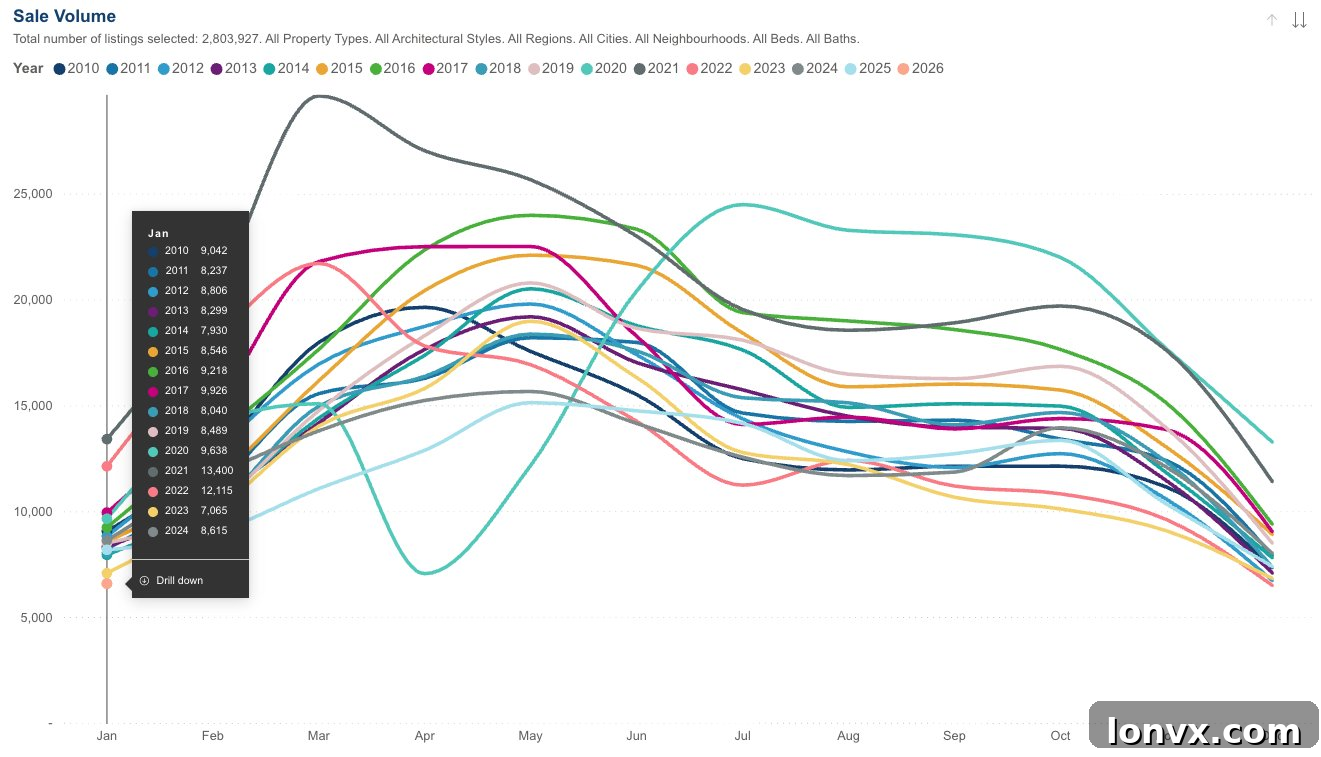
However, the initial data for the year has introduced a sobering reality check. January 2026 witnessed one of the weakest starts to a year for sales ever recorded on TRREB’s Habistat platform, signaling a pronounced market slowdown. While it’s plausible that TRREB’s forecast was finalized before these early-year figures emerged, the current trends significantly temper any previous optimism. Based on the persistent sluggishness in sales, I now find it increasingly probable that 2026 could, in fact, underperform compared to 2025. This article will delve deeper into TRREB’s forecast, examining its premises and highlighting areas where our perspectives diverge, ultimately seeking to provide a more balanced and realistic perspective on Toronto’s housing market for the year.
My revised assessment stems from a convergence of worsening macroeconomic conditions, escalating global trade tensions, and a distinct early-year sales slump, with transactions plummeting by approximately 20 percent year-over-year. The current economic landscape presents a formidable array of headwinds, ranging from a notable rise in mortgage delinquencies to a palpable cooling in the job market, particularly within the Toronto region. These factors collectively undermine the basis for unbridled optimism in the housing sector. Before we dissect these challenges, let us first acknowledge and commend TRREB for its valuable contributions, particularly in the realm of policy-oriented research, and then explore the specific points where a more cautious outlook appears warranted.
Multiplex Zoning Research: A New Standard for Data-Driven Insight
A particularly exciting highlight of TRREB’s latest report is its pioneering research into multiplex housing. As someone deeply involved in advocating for and developing multiplex properties across Canada, I recognize the profound importance of this topic and commend the allocation of significant resources towards its comprehensive study. This initiative underscores a commitment to understanding nuanced policy impacts, moving beyond anecdotal evidence to empirical data that can truly inform urban planning and housing strategies.
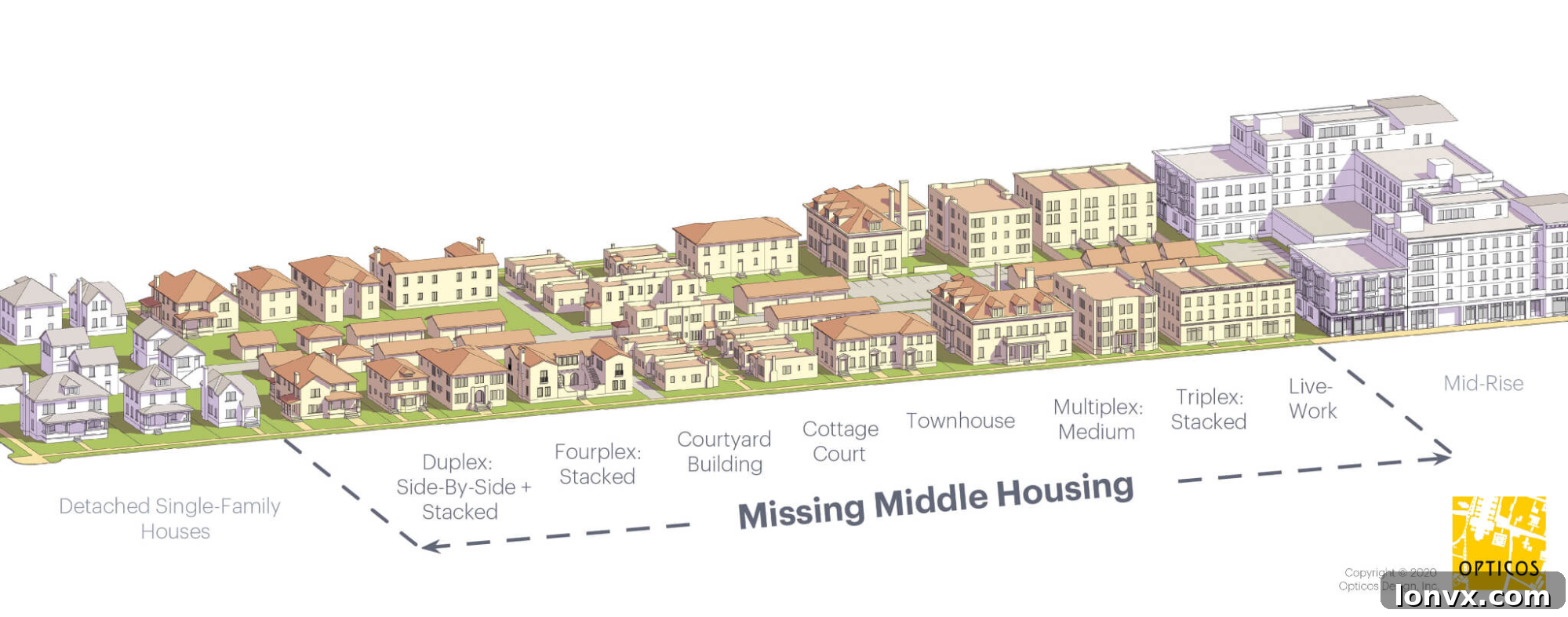
TRREB’s decision to partner with MIT experts to analyze the true impact of multiplex zoning reforms stands out as a beacon of academic rigor within the real estate sector. Last year, Toronto implemented a city-wide upzoning policy, permitting the construction of duplexes, triplexes, and fourplexes in what were traditionally low-rise, single-family neighborhoods. Instead of simply forecasting or assuming outcomes, TRREB commissioned MIT to quantitatively assess the effects of this policy change. The critical finding from this in-depth study was clear: any discernible price impact attributable to the multiplex reform has been minimal, largely overshadowed by broader, more powerful market dynamics. Essentially, the ability to build more units on a single lot has not, to date, triggered a significant surge in underlying land values. While a marginal premium on lots zoned for multiplex development might exist, it’s typically in the range of a few percentage points – a negligible figure when compared to the dramatic fluctuations caused by shifting interest rates and overall market volatility.
This invaluable, data-driven insight offers crucial reminders for both policymakers and market participants:
• Comprehensive policy changes, particularly in urban development and housing, require considerable time and the presence of favorable economic conditions to manifest their intended results effectively.
• Even seemingly potent “bullish” catalysts, designed to stimulate growth or change, can often be rendered ineffective or at least significantly muted when confronted with strong negative economic headwinds. The current macroeconomic climate serves as a prime example of this phenomenon.
The multiplex reform undeniably represents a forward-thinking, long-term strategic move aimed at diversifying and expanding Toronto’s housing options. It addresses a crucial component of the “missing middle” in housing supply, offering alternatives between high-rise apartments and detached homes. However, the MIT research unequivocally confirms that this reform is not a “silver bullet” or a quick fix for the immediate challenges plaguing the current market. By committing to such sophisticated, independent analysis, TRREB has unequivocally elevated the standard for industry forecasts, ensuring that its assertions are not just opinions but are robustly supported by empirical evidence. (For those interested in a deeper dive, I am currently preparing a special report dedicated entirely to exploring Toronto’s evolving multiplex trend, as its complexities warrant extensive discussion.)
Furthermore, for individuals eager to gain deeper knowledge and connect with leading experts in multiplex development, we annually host a premier event in Toronto that convenes some of the brightest minds and most successful practitioners in this innovative housing sector. Exclusive super early-bird tickets are currently available to REM readers, offering a unique opportunity to engage with cutting-edge strategies and insights directly from the industry’s forefront.
TRREB’s Bullish Market Forecast: A Closer Look at the Underlying Assumptions
Following its rigorous deep dive into multiplex zoning, TRREB’s primary market forecast for the remainder of 2026 adopts a notably confident posture. The board projects that Greater Toronto Area (GTA) home sales will stabilize within the 60,000 to 70,000 unit range, indicating a market activity level largely consistent with recent years. Concurrently, the average selling price is expected to hover between $1.0 million and $1.03 million, suggesting minimal year-over-year change. The report also candidly acknowledges that “year-over-year declines in the mid-to-high single digits will be the norm in the first half of the year,” setting a tempered expectation for immediate performance.
In essence, TRREB envisions a continuation of the gradual, deliberate market trajectory witnessed over the past few years – characterized by neither a dramatic crash nor a significant rebound. This outlook anticipates a relatively stable market environment, potentially punctuated by a late-year uptick, contingent on a notable improvement in consumer confidence and broader economic sentiment, which they believe will materialize in the latter half of the year.
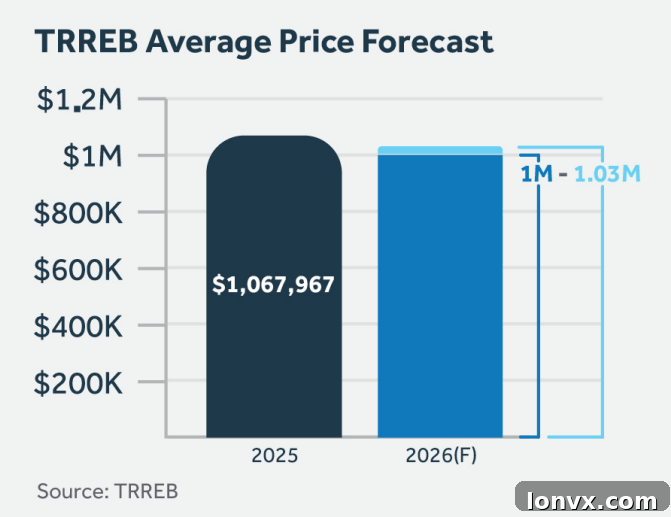
While the aspiration for market stability is entirely understandable and indeed welcome after the significant volatility experienced between 2020 and 2022, the foundation of this optimistic projection appears to rest on several potentially shaky assumptions. The report postulates that a considerable amount of “pent-up demand” will materialize in the latter half of 2026, driven by an anticipated improvement in economic conditions. It further cites enhanced affordability (relative to peak prices) and sustained high immigration levels as crucial pillars of support. Notably, TRREB’s survey indicates that 22 percent of households intend to purchase a home in 2026, a dip from 27 percent in 2025. Additionally, the report rightly emphasizes ongoing population growth and persistently tight rental markets as underlying drivers of housing need.
However, a critical examination reveals that many of these positive factors are either inherently long-term in their impact or highly conditional on uncertain future economic improvements. For instance, while robust immigration undeniably fuels long-term housing demand, a significant portion of new arrivals typically enter the rental market first, often for several years, before accumulating the financial capital and credit history required for homeownership. Similarly, while first-time buyers remain a vital segment, they continue to grapple with substantial affordability constraints. Even with some price moderation, the dual challenges of qualifying for stringent mortgages under current stress test rules and accumulating a sizable down payment persist as formidable barriers, hindering market entry.
The decline in buying intent, as revealed by TRREB’s own polling data, is particularly telling; it signals a prevailing sense of caution among potential purchasers, rather than an impending surge of demand. The narrative of “pent-up demand” largely assumes that buyers who were sidelined by elevated interest rates will swiftly re-enter the market once conditions are perceived as safer or more favorable. Yet, evidence from late 2025, despite a relatively stabilizing interest rate environment, showed little indication of such a phenomenon. This begs the crucial question: what specific, significant improvements in macroeconomic conditions are expected in 2026 that would fundamentally alter this behavior, especially considering the current trajectory of Canada’s economy, which still faces considerable headwinds?
Crucially, TRREB’s forecast is heavily predicated on a significant “if”: its projected stability and potential late-year rally are entirely contingent upon a marked strengthening of the economy and a corresponding boost in consumer and investor confidence later in the year – an outcome that is far from guaranteed. A stark reality check from early 2026 underscores this skepticism: January home sales plunged by 19.3 percent compared to January 2025, a performance hardly indicative of demand roaring back. Both sales volumes and new listings began the year significantly below the pace observed in the previous year. Reconciling these irrefutable facts with an overtly optimistic outlook proves challenging. Absent an unexpected and dramatic economic upturn, merely matching 2025’s performance might itself be an uphill battle, let alone exceeding it. The market appears to be in a more precarious state than a purely optimistic lens might suggest.
Storm Clouds on the Horizon: Key Risks Shaping Toronto’s 2026 Real Estate Outlook
As we navigate further into 2026, several significant headwinds are not only persistent but appear to be intensifying, casting a shadow of caution over the Toronto real estate market. These factors collectively pose substantial risks to the optimistic forecasts and warrant close attention from all stakeholders, from homebuyers to investors and policymakers.
Escalating Household Financial Strain and Mortgage Delinquencies
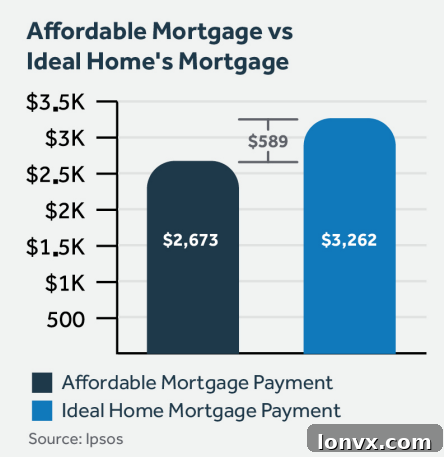
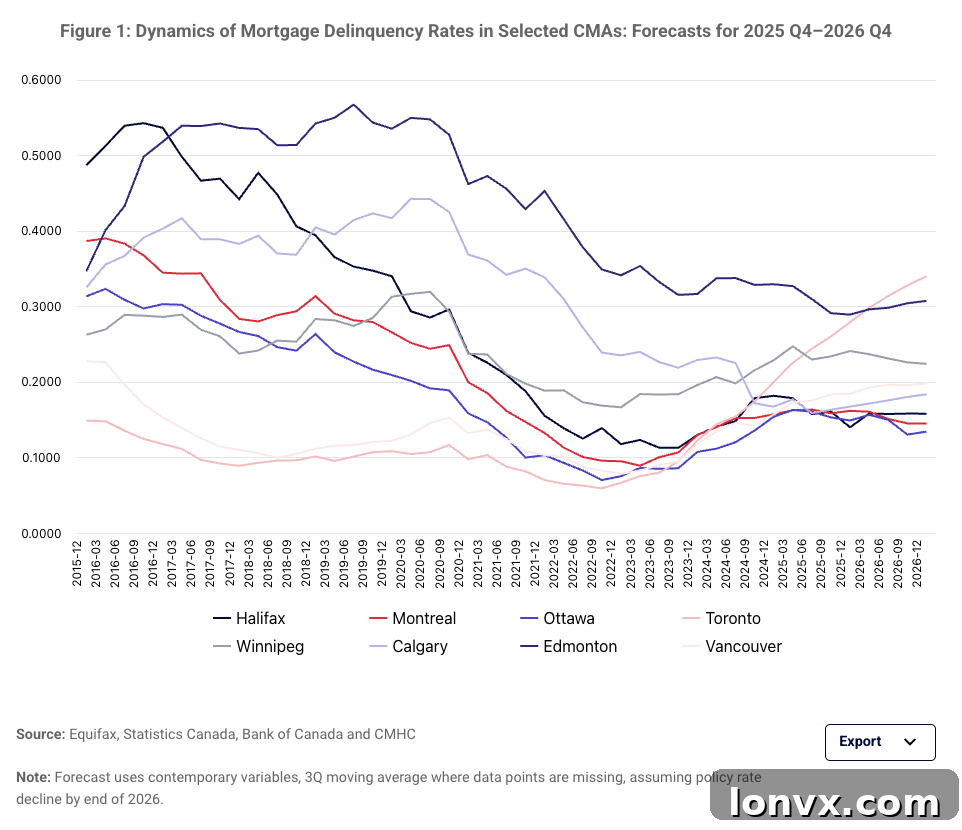
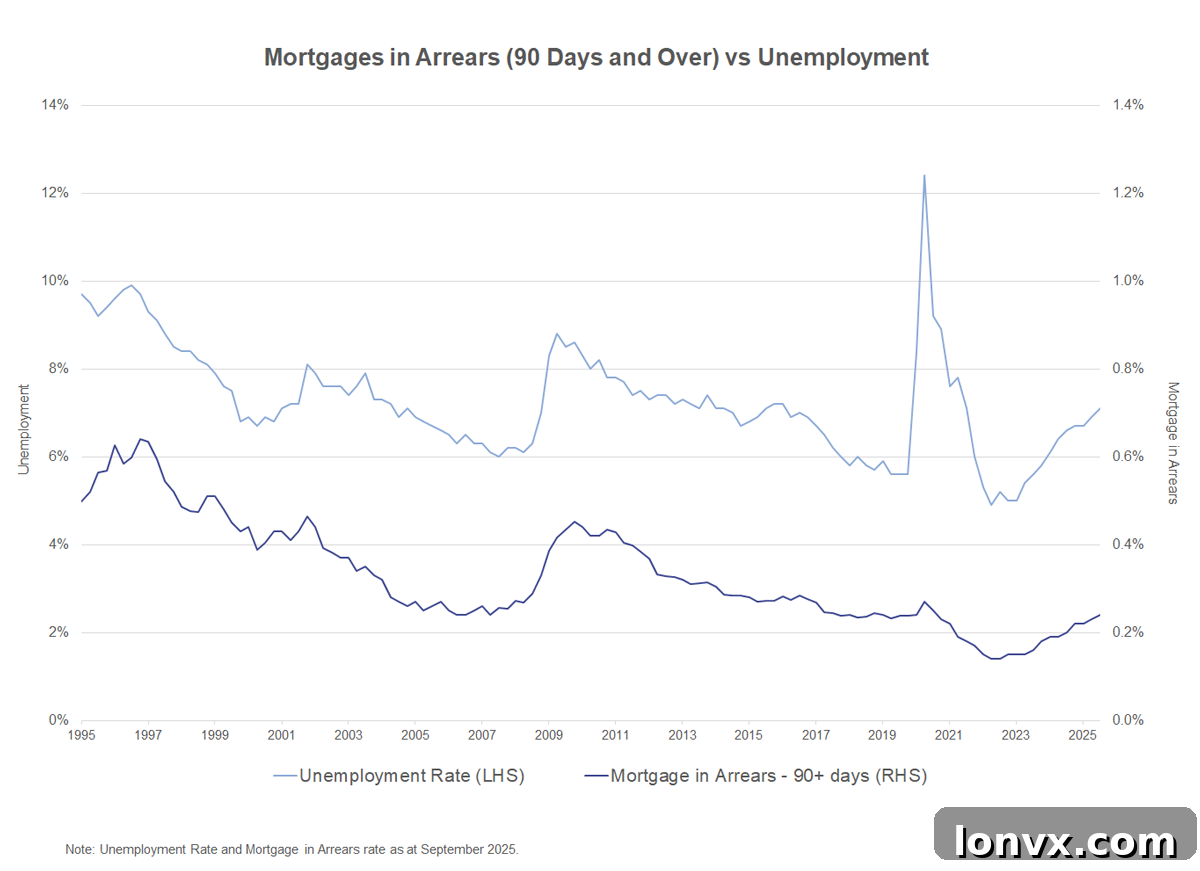
The prevailing environment of elevated interest rates coupled with broader economic stresses is placing immense financial pressure on homeowners across Toronto. Recent observations from the Canada Mortgage and Housing Corporation (CMHC) indicate a troubling surge in mortgage delinquencies within the city. Mortgage arrears have more than quadrupled from their pandemic-era lows and are projected to continue their upward trajectory throughout 2026. Toronto, alarmingly, is experiencing the most pronounced increase in delinquency risk nationwide. This trend is particularly acute for those who secured mortgages during periods of ultra-low rates and are now confronting significantly higher payments upon renewal. Simultaneously, new buyers face increasingly stringent lending tests, making entry into homeownership more challenging. TRREB’s own data reveals a considerable affordability gap: a typical renter household faces a deficit of approximately $600 per month between what they can realistically afford and the mortgage payments for an entry-level home. In essence, these mounting financial pressures are acting as a powerful brake on overall housing demand. A sustained market recovery simply cannot take root while a growing number of existing homeowners struggle with their loan obligations and a vast segment of renters remain unable to qualify for home purchases.
 Source: Canadian Bankers Association
Persistent Employment Weakness and Broad Economic Uncertainty
The job market, a critical engine for real estate confidence, is currently offering little in the way of robust support. Toronto’s unemployment rate registered at approximately nine percent in 2025, placing it among the highest for Canada’s major metropolitan centers. This sustained weakness in employment, alongside the inherent anxiety it generates, naturally leads individuals and families to reconsider or postpone major financial commitments, such as purchasing a home. Beyond domestic concerns, broader economic uncertainty looms large on the horizon. The upcoming 2026 review of the Canada-United States-Mexico Agreement (CUSMA), for instance, introduces the potential for renewed trade frictions and tariff disputes, which could disproportionately impact Ontario’s vital export-oriented industries. Should businesses perceive heightened uncertainty, this could easily translate into a slowdown in hiring and a stagnation in income growth, further dampening consumer confidence. It is exceedingly difficult to envision a surge in buyer activity until the populace feels secure in their employment prospects and possesses a clearer, more positive outlook on the overall economic trajectory.
 Source: Statistics Canada; Valery.ca calculations
Evolving Demographics and a Surge in New Housing Supply
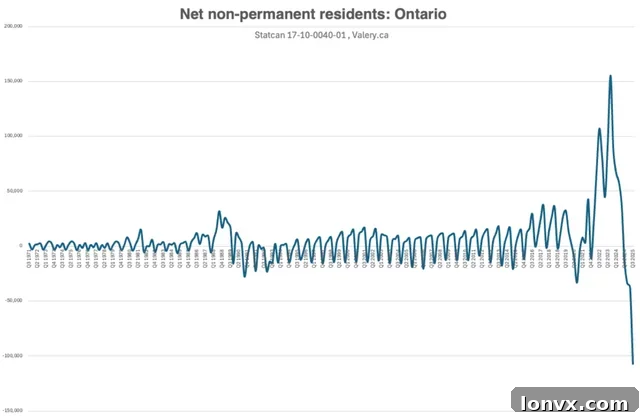
While Toronto’s long-term housing demand is undeniably underpinned by robust population growth, the immediate-term strength of this engine appears somewhat muted. Canada’s overall population growth has decelerated from its peak levels observed in 2022. Notably, Ontario experienced a rare, albeit likely temporary, dip in its population during the second quarter of 2025, a period marked by some residents relocating to other regions and a temporary cooling of international immigration. This anomaly serves as a crucial reminder that even fundamental demand drivers cannot be taken for granted in the short run.
Concurrently, the market is bracing for a significant influx of new housing supply. A substantial number of condominium and housing projects, initiated during the frenetic boom of 2021, are now reaching completion throughout 2025 and 2026. This wave of completions is poised to introduce a record number of new units onto the market. Nationally, housing starts in 2025 approached historic highs, and a considerable portion of these will contribute to the available inventory in 2026. This surge in supply fundamentally shifts the market dynamic, offering prospective buyers a wider array of choices and, critically, diminishing the sense of urgency that has often characterized Toronto’s competitive market. When combined with a cautious and restrained demand side, this substantial increase in inventory sets the stage for a slower, more balanced market environment. The absorption of this new housing stock will undoubtedly require time, potentially extending the period of subdued price growth.
In summary, the confluence of escalating household financial strain, persistent employment risks, and a significant rebalancing of the supply-demand equation are all exerting considerable downward pressure on the Toronto real estate market. While Toronto’s enduring long-term fundamentals – its inherent desirability and geographically limited land base – remain firmly intact, in the immediate context of 2026, these strengths are being largely overshadowed and muted by the prevailing economic cycle.
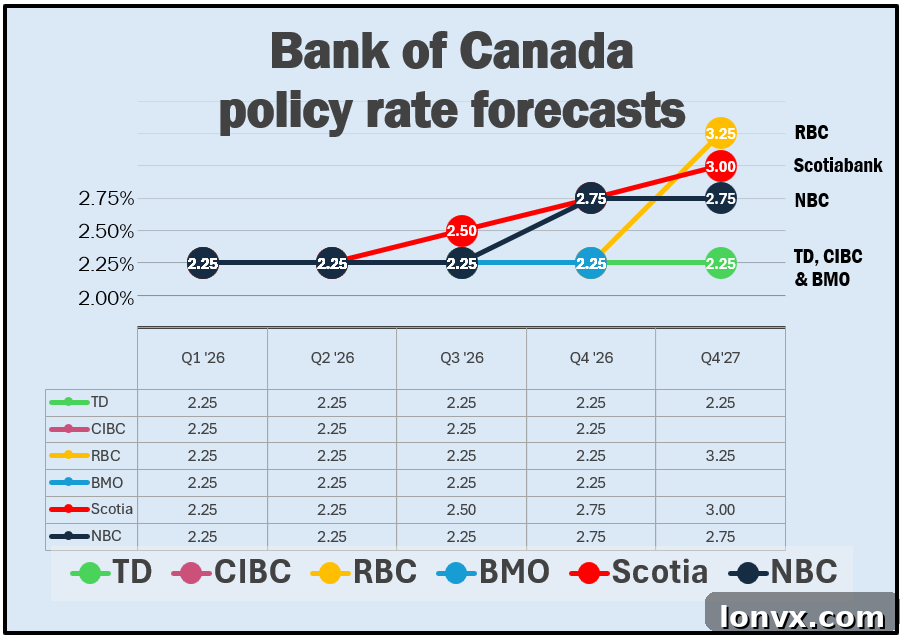
It is often speculated that these adverse factors could be ameliorated should a significant recession materialize, theoretically providing the Bank of Canada greater latitude to implement aggressive interest rate reductions. Such a scenario, it is argued, would bolster the buying power of those purportedly “waiting on the sidelines.” However, this remains a highly speculative and improbable outcome. Reports from Canadian Mortgage Trends, reflecting the consensus among major financial institutions, consistently forecast little to no significant rate decreases, indicating a prolonged period of higher borrowing costs.
Unchanged Mortgage Stress Test: A Missed Opportunity for Market Stimulation
Some market participants held a glimmer of optimism that the Office of the Superintendent of Financial Institutions (OSFI) might introduce reforms to the stringent mortgage stress test in January. This expectation arose after a year-long period of study concerning a potential loan-to-income cap. Regrettably, no such adjustments were implemented. OSFI has explicitly confirmed its decision to maintain the existing stress test requirements, and crucially, the loan-to-income limits for uninsured mortgages will remain firmly in effect. While OSFI did not issue new immediate guidance on the qualifying rate itself, it did initiate a six-month public consultation period as part of a broader, ongoing review of its mortgage qualification framework. This lack of immediate relief means that accessibility to mortgages for many prospective buyers will continue to be constrained, further contributing to the subdued demand environment.
A Prudent and Realistic Outlook for the Year Ahead
Given the multifaceted and intensifying headwinds detailed above, my outlook for the Toronto real estate market in 2026 remains distinctly guarded. Contrary to the gentle upward trend in sales volume that TRREB’s forecast optimistically anticipates, it is more probable that the year will conclude with sales figures that are either flat or even softer than those recorded in 2025. It is crucial to remember that 2025 itself was one of the weakest years for real estate transactions on record. My perspective is not offered with any sense of satisfaction or vindication, despite my occasional moniker as the industry’s “permabear.” Instead, it is delivered with the same professional diligence and care that real estate advisors should exercise when counseling buyers and sellers in such a complex and challenging market. The paramount objective must be to foster realistic expectations based on current data and prevailing economic indicators.
I would not be surprised if the total volume of home sales concludes slightly below last year’s levels, with average prices continuing to exhibit a subdued performance. While I do not anticipate a significant market turnaround or a robust flattening trend towards the end of 2026, I foresee a more tangible stabilization and potential gradual recovery emerging in 2027. Any genuine improvement in the market over the next 12 months is highly likely to be gradual, contingent upon either significant relief in real interest rates – a prospect currently deemed unlikely by major banks – or a substantial and sustained pickup in employment figures across the GTA.
For real estate professionals navigating these conditions, embracing realism must be the top priority. Sellers should adopt competitive pricing strategies, understanding that longer listing times are becoming the new norm. Accurate market analysis and flexible negotiation will be key to successful transactions. Conversely, buyers will find themselves with increased negotiating power due to higher inventory and reduced competition; however, they must remain acutely aware of the persistently high carrying costs associated with current mortgage rates and property taxes. In essence, 2026 will be a year that heavily favors those who are grounded in verifiable data, adopt pragmatic strategies, and demonstrate patience. The frenetic, often speculative, deal-making environment of the pandemic years is firmly in the rearview mirror; the current market demands strategic thinking and a cautious, long-term perspective.
On a more positive note, it is encouraging to observe that the industry is actively engaging with and addressing structural impediments to housing supply. TRREB’s report, for instance, advocates for crucial reforms such as streamlining development approvals and providing enhanced support for new housing construction. These systemic efforts, alongside the ongoing implementation of progressive zoning reforms like multiplexing, represent vital long-term steps towards creating a more sustainable and diverse housing ecosystem in Toronto. However, it is imperative to acknowledge that these critical long-term initiatives will not fundamentally alter the short-term reality: 2026 remains a year that requires careful navigation, strategic planning, and a deep understanding of evolving market dynamics.
In conclusion, while TRREB’s inherent optimism regarding the Toronto housing market is certainly understandable and appreciated, a healthy degree of skepticism, tempered by current data, is undoubtedly the wiser approach. The most effective strategy for both professionals and prospective homeowners alike is to hope for the most favorable outcomes while simultaneously planning meticulously for a market that is likely to remain challenging. By maintaining an unwavering commitment to data honesty – exemplified by TRREB’s exemplary MIT study on multiplexes – we can effectively guide our clients and ourselves through whatever complexities 2026 may present. Toronto’s enduring real estate journey is far from over, but for the immediate future, prudence, caution, and clear-eyed clarity will be our most valuable allies.
Foch: TRREB’s 2026 outlook underestimates growing market risks