
The Unprecedented Rise of Solo Renting in Canada: A Deep Dive into Shifting Demographics and Housing Trends
Canada’s housing landscape is undergoing a significant transformation, marked by the burgeoning trend of solo renting. A comprehensive study by Point2Homes reveals that this shift is predominantly driven by seniors aged 65 and older, who now represent the largest demographic embracing independent rental living. This growing preference for one-person households has seen a remarkable doubling since 1991, with solo renters now comprising over 50% of this group, ultimately surpassing the number of solo homeowners across the nation.
This surge in individual rental living is a direct reflection of profound societal and economic changes. Escalating housing costs, particularly in Canada’s bustling urban centers like Toronto, Vancouver, and Montreal, have made traditional homeownership an increasingly unattainable dream for many. Renting, therefore, emerges as a more accessible and financially manageable alternative, empowering individuals to maintain their independence without the long-term financial commitments and responsibilities associated with property ownership. Furthermore, evolving societal values, such as an increased emphasis on personal freedom, delayed family formation, and a growing desire for a hassle-free lifestyle, are significant contributors to this defining trend.
Seniors Leading the Solo Renter Revolution in Canada
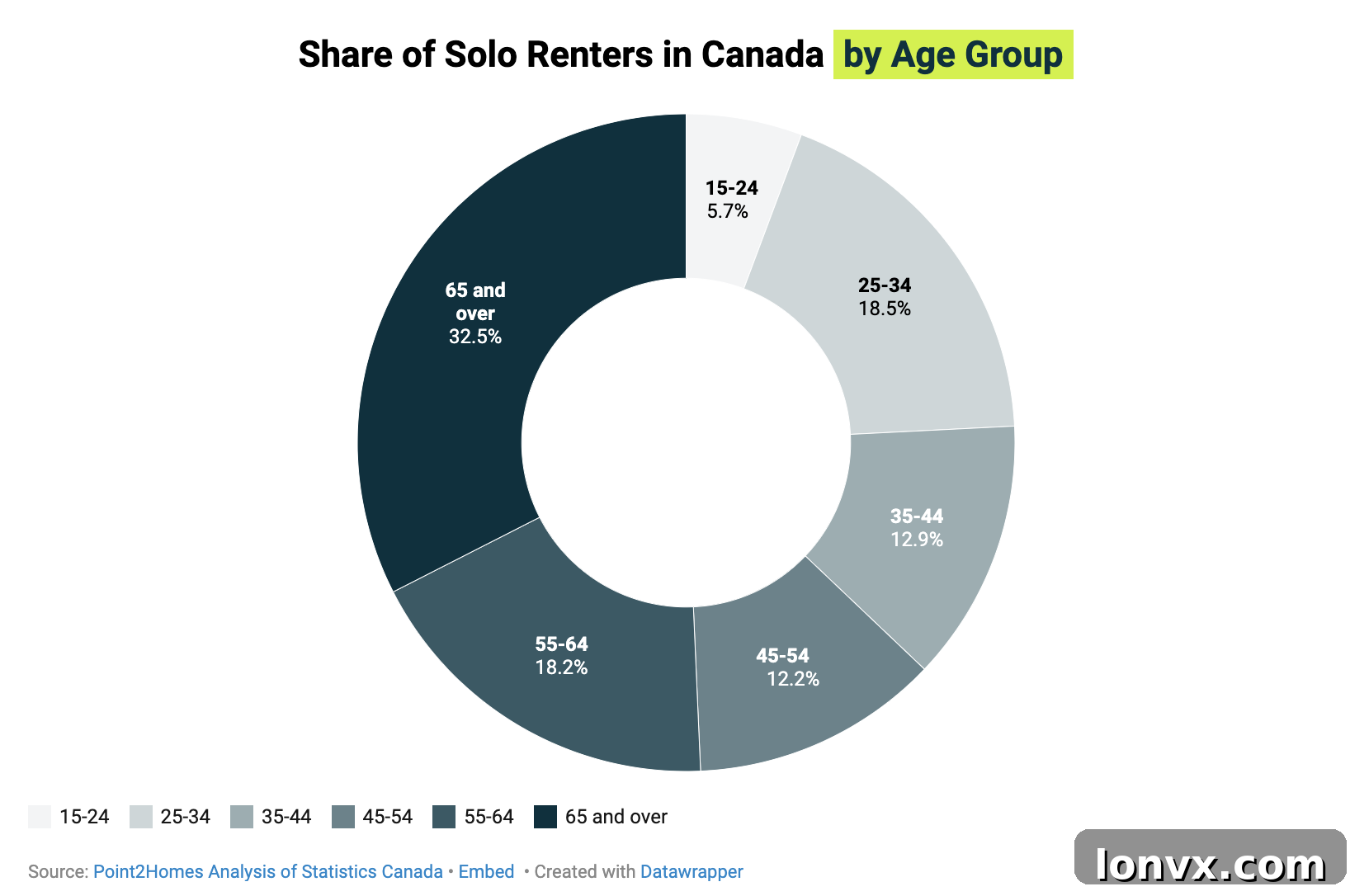
A striking finding from recent analyses indicates that seniors now account for a substantial one-third of Canada’s solo renter population. This demographic’s share of solo renters has grown faster than any other age group between 2016 and 2021, signaling a profound shift in how older Canadians choose to live. The appeal of renting for seniors is multifaceted, often rooted in life transitions such as widowhood or divorce, which necessitate adaptable living arrangements. Downsizing becomes a practical choice, offering flexibility and significantly reducing the burdens of home maintenance and property taxes.
For many older adults, renting provides a liberating experience, allowing them to shed the responsibilities of property upkeep, maintenance, and the financial pressures of homeownership. This flexibility is crucial for those navigating significant life changes, offering a fresh start without the commitment of buying a new property. Moreover, rental communities can provide opportunities for social engagement, combating potential isolation often faced by seniors living alone. In regions like Ontario’s Halton Hills and Caledon, the trend is even more pronounced, with over half of solo renters being seniors, underscoring a broader demographic realignment within these communities. This preference highlights a desire for comfort, convenience, and community integration, often found in purpose-built rental accommodations that cater to an aging population.
Understanding the Younger Generation of Solo Renters in Urban Hubs
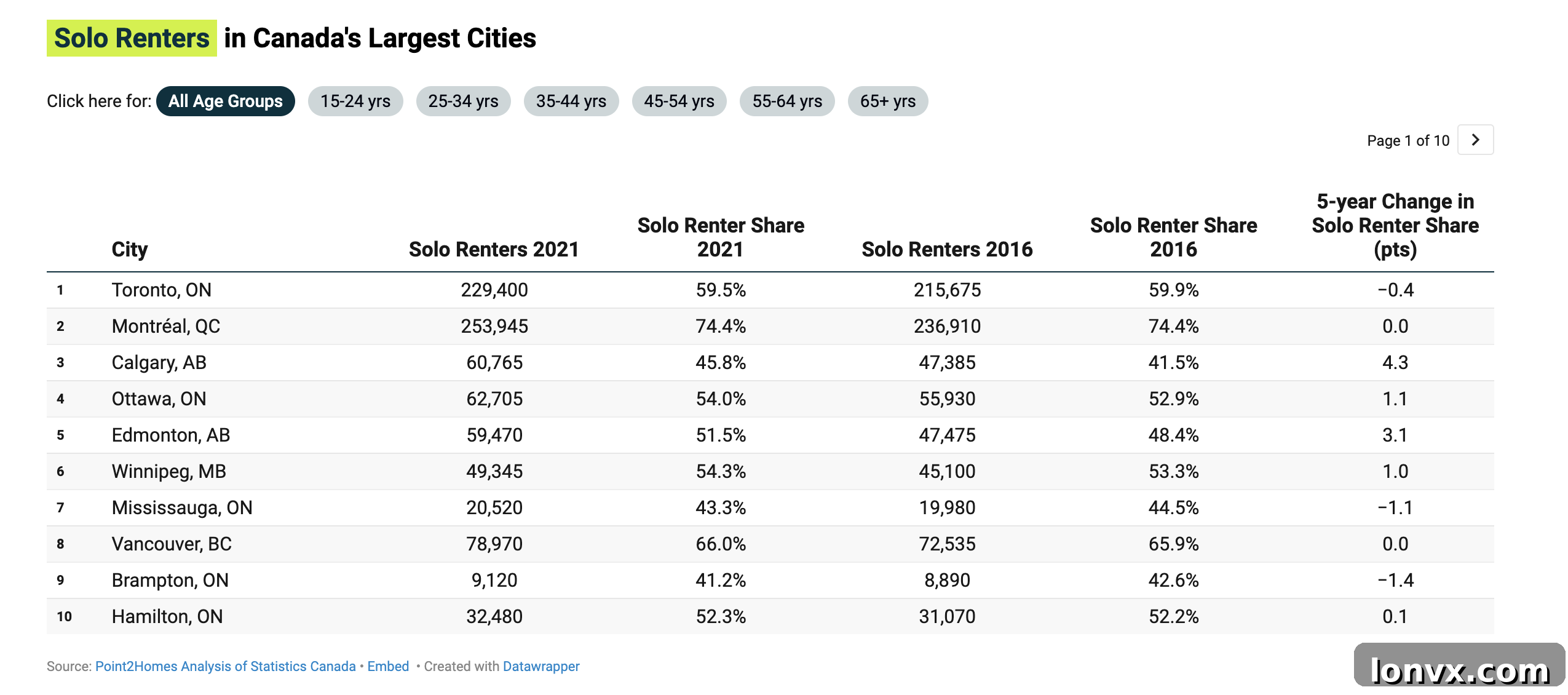
While seniors represent the fastest-growing segment, younger solo renters continue to gravitate towards Canada’s vibrant urban centers. Cities like Toronto and Montreal are magnets for these younger individuals, drawing them in with promises of diverse educational institutions, abundant career opportunities, and a rich tapestry of cultural attractions. The allure of city life, with its dynamic social scene and convenient amenities, remains strong for millennials and Gen Z seeking to establish their independence.
However, despite their considerable numbers and their desire for urban living, younger generations face significant hurdles in affording solo accommodations. Sky-high housing costs, often exacerbated by student debt and the competitive nature of the job market, make independent living a financial strain for many. This economic pressure frequently leads to the postponement of traditional life milestones such as marriage, starting a family, or purchasing a home. Consequently, solo renting, while a choice for independence, often becomes a necessity dictated by financial realities, forcing many to navigate the complexities of affordability in some of the world’s most expensive rental markets. Their choices underscore a growing gap between aspirations for independence and the economic realities of achieving it.
Evolving Preferences: The Shift Towards Single-Family Rental Homes
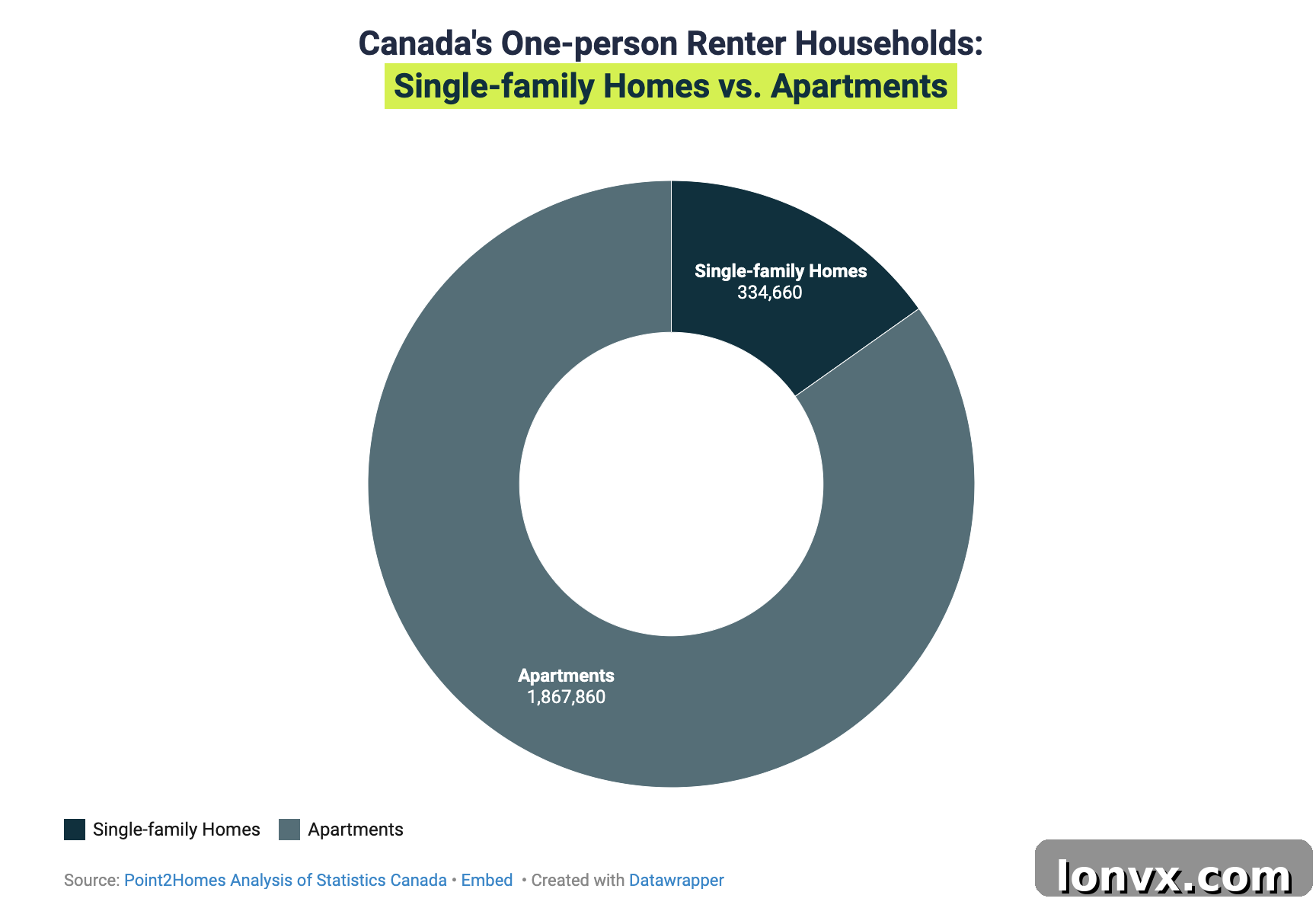
Beyond the demographic shifts, the preferences of solo renters regarding housing types are also undergoing a significant evolution. While traditional apartments continue to hold their appeal, there is a noticeable and growing trend towards single-family homes and two-bedroom units. This shift signals a pronounced desire among solo renters for greater flexibility and additional living space, which can accommodate a variety of modern lifestyle needs. The rise of remote work has made a dedicated home office an essential requirement for many, while others seek a guest room for visitors, extra space for hobbies, or simply more comfortable and spacious living conditions than a typical studio or one-bedroom apartment offers.
This inclination towards larger rental units, particularly single-family homes, reflects a desire for a sense of permanence and privacy often associated with homeownership, but without the attendant financial burdens and maintenance responsibilities. Single house renters now constitute over 25% of the renter population in 16 Canadian cities, indicating a significant market segment that property developers and landlords can no longer overlook. This demand is also influenced by lifestyle choices such as pet ownership, a desire for outdoor space for gardening or recreation, and the need for more storage. The ability to secure a detached or semi-detached home as a rental provides solo individuals with the freedom to personalize their living environment and enjoy a higher quality of life, balancing independence with an enhanced sense of domestic comfort.
Implications for the Canadian Housing Market
The increasing prominence of solo renters, particularly seniors, carries significant implications for Canada’s housing market. This trend necessitates a re-evaluation of current housing supply strategies and a focus on developing properties that prioritize accessibility, comfort, and seamless community integration. For real estate developers and investors, understanding these evolving demands is crucial. There’s a growing need for diverse housing options, including accessible ground-floor units, properties with elevator access, and communities designed with amenities that foster social interaction and combat isolation among single residents. This includes co-housing models, senior-specific rental complexes with shared facilities, and mixed-use developments that integrate residential units with essential services.
The rise of solo renting also places additional pressure on the overall rental supply, potentially driving up rental costs further in an already competitive market. This requires policymakers to consider innovative solutions, such as incentivizing the construction of more purpose-built rental housing and exploring zoning reforms that allow for a greater diversity of housing types. For realtors, adapting to these new realities means specializing in the rental market, understanding the unique needs of different demographics, and leveraging digital platforms to connect solo renters with suitable properties. The shift also highlights the importance of property management companies that can offer tailored services, from maintenance support to community-building initiatives, catering to the specific needs of an increasingly independent tenant base.
Designing for Independent Futures: Accessibility and Community Integration
As solo renting becomes a defining feature of Canada’s housing landscape, particularly among its aging population, the focus on creating supportive and accessible living environments has never been more critical. Addressing social isolation, which can often accompany living alone, requires thoughtful urban planning and community design. This includes fostering vibrant public spaces, developing walkable neighborhoods with easy access to amenities, and encouraging intergenerational interactions within residential complexes. Furthermore, financial challenges faced by solo renters, especially seniors on fixed incomes or younger individuals grappling with high costs, demand attention. Affordable housing initiatives, rental assistance programs, and financial literacy resources can play a vital role in ensuring independent living remains sustainable for all.
The need for adaptable spaces is also paramount. Housing units should be designed with flexibility in mind, allowing for modifications as residents’ needs change over time. Features such as wider doorways, no-step entries, easily adjustable fixtures, and smart home technology can significantly enhance the quality of life for solo renters. By proactively addressing these multifaceted challenges – social isolation, financial strain, and the demand for adaptable, accessible spaces – Canada’s housing market can better serve its diverse population. This forward-thinking approach will not only cater to the immediate needs of current solo renters but also lay the groundwork for a future where independent living is redefined, accessible, and enriching for generations to come, fostering resilient and inclusive communities across the nation.
For a comprehensive understanding of this transformative trend, review the full report here.
Enjoying this article?
Get the latest REM articles in your inbox 3x week so you stay up to date on the latest in the Canadian real estate industry