Gourmet Fig & Cognac Chicken Escalopes: An Exquisite Culinary Journey
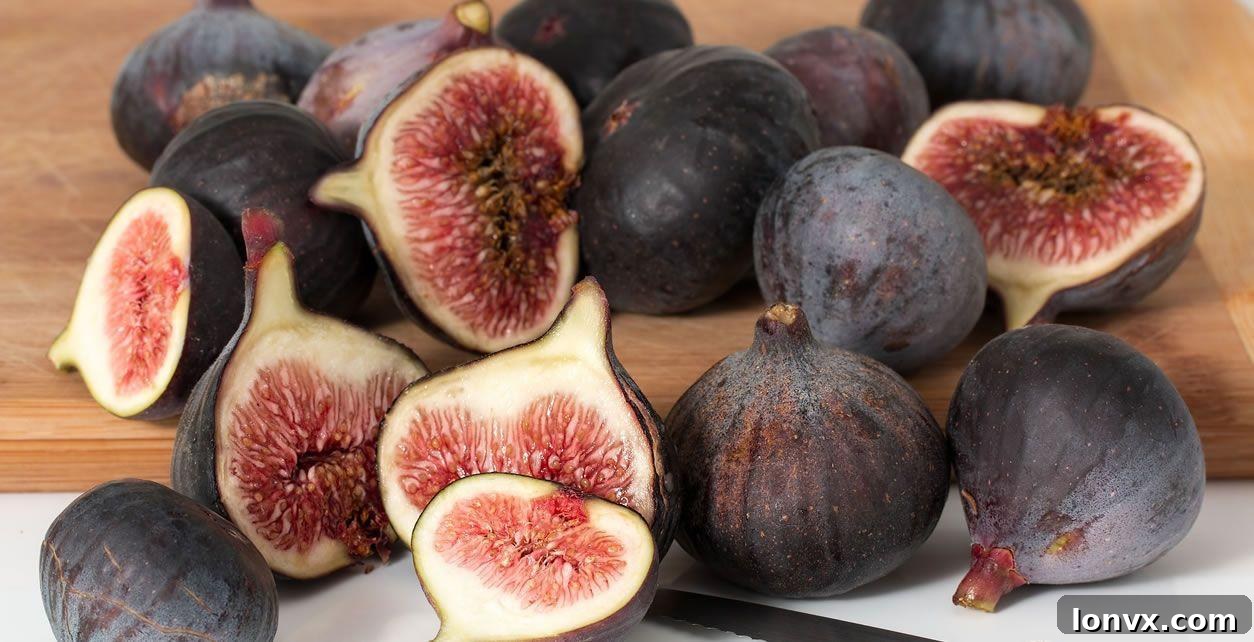
Figs, whether you call them “fig” or “figue,” universally evoke a sense of culinary delight. Once a rarity in many supermarkets, these luscious fruits are now more accessible, bringing their unique sweetness and texture to kitchens worldwide. Their delicate nature, however, means a short shelf life, which is why encountering them fresh is always a special treat. This recipe celebrates the fig by pairing it with tender chicken and the rich warmth of cognac, creating a dish that is both sophisticated and surprisingly simple to prepare. Designed to impress, this meal promises to be a fast favorite, disappearing from dinner plates almost as quickly as it’s cooked.
The Art of Preparing Fig & Cognac Chicken
Ingredients for Four Generous Servings:
- Two large, fresh, boneless, skinless chicken breasts
- A splash of neutral corn oil (e.g., Mazola Corn Oil)
- Salt and freshly ground black pepper to taste
- A pinch of garlic salt
- A whisper of nutmeg
- A little crushed dried thyme
- Clarified butter
- One whole garlic clove (preferably poached in chicken stock, stored in oil)
- ½ cup Asbach Uralt cognac (or similar high-quality brandy)
- ½ cup figgy jus from your cognac-marinated black mission figs
- 1 cup heavy cream
- 1 cup coarsely chopped black mission figs, marinated in cognac
Preparation: Crafting the Perfect Escalope
Begin with two generous, never-frozen, boneless, skinless chicken breasts. Each breast should be cut into three equal portions. Gently pound these chicken pieces until they are slightly enlarged and uniform in thickness. This isn’t about creating a paper-thin schnitzel, but rather ensuring even cooking and a tender result. The goal is to achieve pieces that will cook quickly and consistently, yielding a perfectly moist interior.
Season the chicken meticulously. Lightly coat each piece with a tiny bit of corn oil, followed by a generous sprinkle of salt, pepper, and a touch of garlic salt. For an added layer of complexity, incorporate just a pinch of nutmeg and a little crushed dried thyme. These spices complement the chicken without overpowering it, setting the stage for the fig and cognac flavors to shine. (A personal note: while olive oil is a kitchen staple, some find its distinct flavor can interfere with chicken’s natural taste. A neutral corn oil allows the chicken and seasonings to truly stand out.)
The Searing Process: Building Flavor
Select a wide skillet with low sides, ideal for searing and turning. Heat a small amount of clarified butter and a tiny bit of corn oil in the skillet over medium heat. The key here is not to brown the butter, but to achieve a shimmering heat perfect for searing. Briefly lift the skillet from the burner to control the temperature and carefully place each seasoned chicken piece into the pan, ensuring they are spaced apart and not touching. This allows for optimal browning and prevents steaming.
As the chicken begins to cook, add a whole garlic clove—ideally, one that has been previously poached in chicken stock and stored in oil. This gentle cooking method for the garlic infuses the butter with a subtle aroma without the risk of burning, which can turn garlic bitter. Watch the chicken closely; it cooks remarkably fast. Once the underside of each piece develops a beautiful, light golden hue, it’s time to carefully turn them one by one. Maintain a vigilant eye on the stovetop; perfection is achieved swiftly, ensuring the chicken remains fork-tender.
The Dramatic Flambé: A Touch of Culinary Theater
Once the chicken is exquisitely tender, it’s time for the show-stopping flambé. Carefully add half a cup of Asbach Uralt cognac to the skillet. This is a substantial amount of brandy, so exercise caution and stand back to avoid any singeing. The alcohol will naturally ignite from the heat of the pan, creating a dramatic flame that quickly cooks off the alcohol, leaving behind the rich, complex flavors of the cognac.
Important Flambé Safety Note: Never, under any circumstances, pour spirits directly from the liquor bottle into a hot skillet. The flame can travel up the stream of alcohol into the bottle, leading to a dangerous explosion. Always measure the spirits into a cup with a pouring lip, ensuring a controlled and safe addition to the pan. The heat from the skillet will naturally ignite the alcohol. If your kitchen features overhead cabinets or a built-in microwave near the stovetop, it’s a wise precaution to briefly remove the very hot pan from the burner immediately before lighting the alcohol. Once the flames subside, return the pan to the heat. With careful practice, flambéing can be a safe and exhilarating cooking technique.
Kitchen Safety Beyond the Flambé
Mind Your Attire
Safety in the kitchen extends beyond the immediate cooking process. When working with food, especially open flames, always tie back long hair. This isn’t just about hygiene—no one wants to find a stray hair in their meal—but also about preventing accidental contact with heat sources. It’s a surprising oversight often seen in cooking shows, but in a home kitchen, it’s a critical detail. Similarly, be mindful of your clothing. Loose, floppy long sleeves or flowing garments like a Sunday morning dressing gown can pose significant fire hazards. Additionally, splatters from cooking can permanently ruin clothing. Consider investing in a quality cooking garment, such as a flame-resistant lab coat with three-quarter length sleeves and snap closures. Such an item protects your clothing from splatters and offers an added layer of safety, far surpassing the utility of a simple apron. Your arms, in particular, should be covered to guard against potential burns from hot liquids.
Pets and the Kitchen
Speaking of safety, it is imperative to keep pets out of the kitchen, particularly during active cooking. A curious Fido or feline underfoot can be a dangerous distraction, especially when dealing with hot pans, open flames, or deep-frying. Designate the kitchen as a pet-free zone during cooking hours to ensure both your safety and theirs.
Finishing Touches: The Sauce and Serving
Developing the Sauce
Do not overcook the chicken escalopes. As soon as the test juices run clear, remove the chicken pieces to a warming platter immediately. This ensures they remain succulent. Allow the brandy in the skillet to reduce slightly. Then, add half a cup of the rich, figgy jus from your cognac-marinated black mission figs. Use a wooden spoon or spatula to scrape up any delicious stuck-on bits from the bottom of the pan, incorporating all that concentrated flavor into the sauce.
Next, pour in a full cup of heavy cream. Bring the mixture to a gentle scald, allowing the cream to thicken just slightly. This creates a luxurious, velvety base for your sauce. Taste and adjust the seasonings as needed, ensuring a perfect balance of sweet, savory, and tangy notes.
Finally, coarsely chop a cup of your marinated black mission figs (ensuring they are marinated but not macerated, to retain some texture). Stir these succulent figs into the cream sauce, and then generously pour the entire sauce over the warm chicken escalopes on your platter. The combination of tender chicken, sweet figs, and rich cognac cream creates a truly unforgettable dish.
Beyond the Main Course: Delightful Accompaniments and Desserts
Alternate Flavor Profile: Marsala Wine
For a completely different, yet equally exquisite, culinary experience, consider replacing the Asbach Uralt cognac with Italian red Marsala wine. Marsala offers a distinct, complex flavor profile that transforms the dish into something entirely new, showcasing the versatility of the fig-chicken pairing.
Perfect Pairings: Gnocchi and Spaetzle
Serve your sauce-laden chicken with homemade gnocchi or spaetzle. Homemade gnocchi can be prepared in advance and even frozen, ready to be dropped into boiling salted water without thawing. They cook in minutes, offering a wonderfully soft and comforting accompaniment. Spaetzle, on the other hand, is best made and enjoyed immediately for optimal texture. Once cooked, drain the gnocchi or spaetzle in a colander or remove with a slotted spoon. Drizzle with hot melted butter, or elevate the dish further by topping with pucks of your frozen herb butters or even marinated Celebrity goat cheese. The residual heat from the pasta will beautifully melt the cheese, creating a luscious coating. When serving with gnocchi, present the chicken escalopes elegantly on the side of a wide, shallow soup plate, allowing guests to appreciate each component.
Should you be fortunate enough to have leftover gnocchi in sauce, gently reheat it for a delightful next-day lunch using a bain-marie. A slice of crispy, toasted, buttered black-olive bread alongside will perfectly complete this tasty leftover meal.
A Special Side or Dessert: Baked Stuffed Figs
For an extraordinary side dish, or even a sophisticated dessert, prepare baked stuffed figs. Using a sharp paring knife, carefully hollow out a small, round hole from the bottom of each fresh fig. In a separate bowl, mash a log of plain Canadian Celebrity goat cheese. Stir in fresh, crushed, candied walnuts from your pantry jar, along with a little minced candied citrus rind from your citrus sugar pantry jar. This creates a sweet and tangy, nutty cheese filling. Transfer this mixture into a decorating forcing bag fitted with a nozzle that matches the size of the fig’s opening. Carefully pipe the cheese mixture into the bottom of each fig, filling it generously.
Arrange the stuffed figs upright in a baking dish, ensuring they are stable and won’t tip over. Bake in a 400°F (200°C) oven for approximately eight minutes, watching them closely to prevent overcooking. Once removed from the oven, drizzle the hot figs with additional figgy jus from your cognac marinating jar, ensuring no flavorful drippings in the baking dish go to waste.
Serve these exquisite stuffed figs using a large soup serving spoon, placing each one into a bowl of Chantilly Cream, or atop a small bed of soft, warm baked brie cheese for an extra layer of decadence. A scoop of homemade vanilla ice cream would also be a magnificent topping. For an elegant presentation, consider serving them in wide-mouthed, old-fashioned champagne stem glasses—the kind no longer used for champagne, making them perfect for unique desserts. Paired with a flute of sparkling pink (champagne), such as the French Royal de Neuville, this delightful treat could easily become a cherished habit.