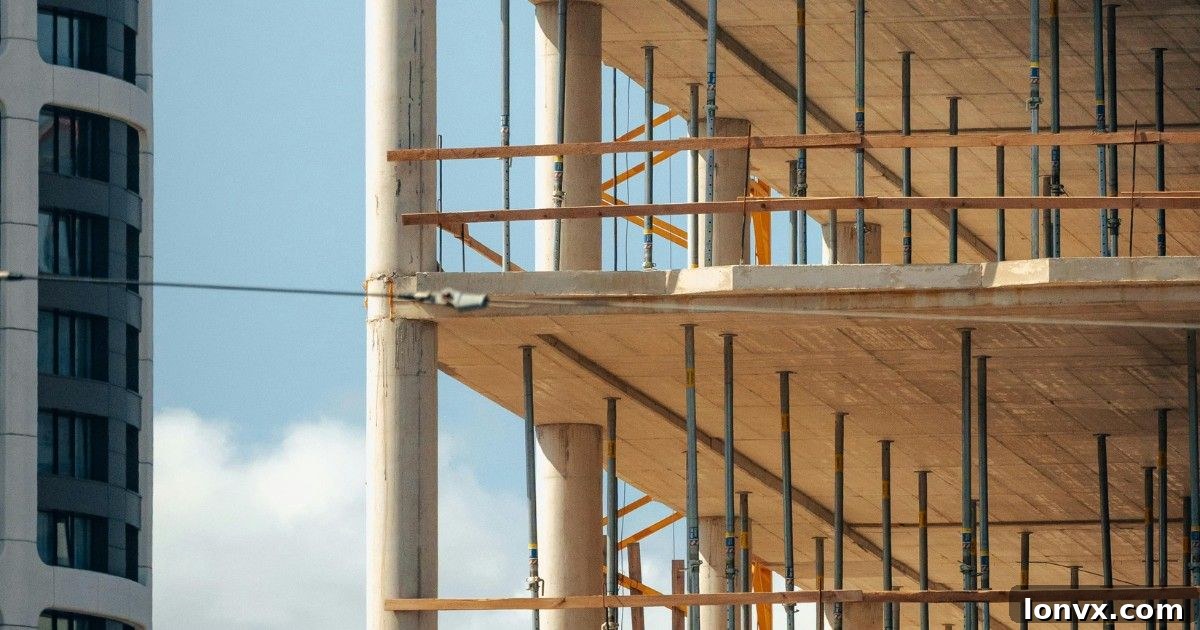
Navigating the Complexities of New Construction: Protecting Realtor Commissions in a Volatile Market
The dynamic world of real estate presents unique challenges, and few are as daunting for a Realtor as a failed new construction deal. Imagine the scenario: an agreement meticulously signed months, or even years, ago. The agent has already received partial commission payments, funds that have been diligently invested back into their business operations and personal life. Then, suddenly, the developer demands the return of those funds in full. This isn’t merely a hypothetical dread; it’s a rapidly escalating reality confronting more and more real estate professionals as the market experiences a significant uptick in failed new construction transactions.
The numbers underscore the severity of this trend. Urbanation reports a staggering 10 projects were cancelled in the third quarter of 2025 alone. This alarming figure brought the year-to-date total to 18 cancelled projects, impacting a monumental 4,040 residential units that will now never reach completion for their original buyers. Such widespread cancellations create a ripple effect, profoundly impacting developers, buyers, and critically, the real estate agents who facilitated these initial agreements.
“Prior to 2022, witnessing a new construction deal fall through was an exceptionally rare occurrence,” states David Ionico, a distinguished partner at McHugh Whitmore law firm in Stoney Creek, Ontario. “However, in just the last few years, it has regrettably become an all-too-common phenomenon. I now find myself referring cases involving failed deals to litigation on what seems like a weekly basis.” This dramatic shift highlights a pressing need for Realtors to gain a deeper understanding of the inherent risks and specific contractual nuances associated with new construction sales in today’s unpredictable economic climate.
Understanding the Root Causes of Failed New Construction Deals
The reasons behind this alarming increase in failed new construction deals are complex and interconnected, often stemming from evolving economic conditions. While various factors can contribute, the most prevalent issues in the current market revolve around challenges faced by purchasers in securing adequate financing.
Stricter Lending Requirements and Heightened Lender Caution
One of the primary drivers of deal failures is the significant tightening of lending requirements. “Lenders appear to have become considerably stricter with their criteria and are exercising far greater caution when approving mortgages,” Ionico explains. This means that a buyer who was pre-approved at the time of signing a purchase agreement, perhaps a year or two prior, may no longer qualify for the same mortgage amount. Factors such as rising interest rates, changes in the buyer’s personal financial situation (e.g., job loss, increased debt), or the implementation of more stringent mortgage stress tests can all lead to a withdrawal of financing offers, leaving the buyer unable to fulfill their contractual obligations.
The Impact of Lower-Than-Expected Appraisals
Another critical hurdle is the issue of property appraisals. “Additionally, appraisals are frequently coming in much lower than what was anticipated at the time of purchase,” Ionico points out. In a rapidly changing market, the value of a property can fluctuate significantly between the initial sale date and the completion date. If the appraised value at closing is substantially lower than the agreed-upon purchase price, lenders will only finance a percentage of the *appraised* value, not the original contract price. This creates an “appraisal gap” that the buyer must bridge out-of-pocket, often amounting to tens of thousands of dollars. Many buyers simply do not have these additional funds readily available, leading inevitably to the collapse of the deal.
These financial obstacles, combined with the often-extended timelines characteristic of new construction, create a volatile environment where even well-intentioned buyers can find themselves unable to close. This volatility, in turn, amplifies the risks for the real estate agents involved.
Unique Contractual Implications for Real Estate Agents: The Repayment Clause
Unlike the relatively standardized “confirmation of co-operation” forms used for existing home sales, transactions involving new developments typically require Realtors to sign a distinct document known as an “Agreement to Co-operate.” This agreement carries unique clauses that profoundly impact an agent’s commission structure and their financial liability.
Staggered Commission Payouts: A Developer’s Strategy
A key feature of these developer agreements is the outline for staggered commission payouts. Instead of a single, lump-sum payment upon final closing, agents often receive their commission in installments tied to specific construction milestones. For instance, the agreement might stipulate that the first commission payment of one percent is disbursed upon the successful completion of the building’s roof, with a second one percent paid once the developer secures a mortgage commitment for the project. These payment conditions and commission percentages are not uniform; they vary significantly from one developer to another, requiring careful review of each specific agreement.
The Growing Threat: The “Clawback Clause”
However, an increasingly common and particularly impactful clause within these agreements is the repayment clause, widely known as a “clawback clause.” This critical condition empowers developers to rescind, or claw back, commission payments that have already been made to Realtors should the buyer ultimately fail to close the deal. This means that funds an agent received months, or even years, prior – funds they have likely used to manage their business expenses, marketing efforts, or personal finances – can be legally demanded back. The unexpected nature and financial weight of such a demand can be devastating for an agent’s financial stability.
The Pervasive Misunderstanding: A Silent Threat to Agent Finances
Sam Hassaan, the esteemed broker of record at Royal LePage Real Estate Services in Oakville, Ontario, confirms that these clawback clauses have rapidly become “the industry standard for most major developers.” Despite their widespread prevalence and significant financial implications, Hassaan highlights a concerning trend: agents often fail to raise concerns about these clauses, primarily because they may not fully comprehend their profound ramifications.
The Costly Oversight of Inadequate Comprehension
“A significant number of agents routinely sign these agreements without truly understanding the full scope of the financial risks and potential consequences that arise when a deal ultimately fails to close,” Hassaan cautions. This lack of thorough understanding can transform a seemingly standard contractual detail into a ticking financial time bomb. When a deal collapses, the sudden and unexpected demand for commission repayment can leave agents in a state of financial shock, scrambling to repay funds that may no longer be liquid or readily available.
Developers’ Perspective: Risk Mitigation and Buyer Qualification
While the clawback clause places Realtors in a vulnerable position, it’s essential to appreciate the developers’ rationale for its inclusion. “Simply put, a substantial number of deals are not closing as expected,” Ionico explains. “Similar to other types of real estate transactions, the expectation is that the non-defaulting party – in this instance, the developer – should not be obligated to pay commissions if the deal fails through no fault of their own.” From a developer’s standpoint, this clause serves as a vital risk mitigation tool, protecting their financial interests on properties that remain unsold. Furthermore, Ionico adds, “These clauses also serve to incentivize co-operating agents to bring forth purchasers who are genuinely qualified and possess a higher likelihood of successfully closing the deal.” It places a shared responsibility on the agent to exercise thorough due diligence in vetting potential buyers.
The Golden Rule: “Read Before You Sign” – Essential Strategies for Agent Protection
The increasing enforcement of repayment clauses, particularly in bustling new development markets such as the Greater Toronto Area, makes it absolutely critical for Realtors to adopt proactive and robust strategies to safeguard their hard-earned commissions and financial well-being.
Challenges in Negotiation and Legal Enforceability
While Hassaan advises Realtors to attempt negotiating the removal or modification of clawback clauses, Ionico suggests that the success of such negotiations is heavily contingent on the individual developer and the prevailing market dynamics. “Given the heightened risk of deals falling through these days, I am genuinely uncertain whether my builder clients would be willing to negotiate this specific clause,” Ionico admits. This indicates that for many agents, particularly when dealing with large-scale developers in competitive markets, the clawback clause may effectively be a non-negotiable term of the agreement.
Furthermore, Ionico stresses the futility of disputing a properly drafted clawback clause without a legitimate legal basis. “I have observed agents attempt to contest clawback clauses, but rarely with any valid legal justification to support their claims,” he states. “Assuming the clause has been meticulously drafted and clearly outlines its intent and conditions, its enforceability in a court of law is generally considered indisputable.” This underscores the paramount importance of understanding the legal weight and implications of such clauses from the very outset of any new construction transaction.
Empowering Agents Through Continuous Education and Diligence
Knowledge and continuous learning truly represent the most effective defense for Realtors venturing into the dynamic and often complex realm of new development sales. While formal educational pathways, such as Ontario’s Real Estate Salesperson Program, include dedicated sessions on new construction, many forward-thinking brokerages also offer specialized pre-construction training. These advanced training programs are invaluable, equipping agents with crucial insights into the unique contractual agreements, extended timelines, inherent risks, and best practices associated with selling pre-build properties.
Implementing Robust Brokerage Policies for Enhanced Protection
Progressive brokerages are actively recognizing the escalating risks associated with new construction deals and are implementing proactive policies to protect their agents. For example, Royal LePage Real Estate Services has established a specific brokerage policy for pre-construction transactions. Their strategy involves meticulously holding multiple commission installments in a designated trust account until the deal’s final closing is successfully completed and confirmed. While this approach may necessitate a significant delay in an agent receiving their full commission payout, it provides an essential layer of protection for both the Realtor and the brokerage. This proactive measure ensures that if a deal ultimately fails to close, the necessary funds are readily available to repay the developer, thereby shielding agents from potential personal financial liability and immense stress.
Personal Financial Prudence: Safeguarding Your Earned Commissions
For Realtors whose brokerages may not yet have such comprehensive protective policies in place, adopting similar personal financial measures is paramount to safeguarding their earnings. A simple, yet highly effective, strategy involves setting aside the first or second commission installment into a separate, dedicated savings account. These funds should remain untouched and be specifically earmarked for potential repayment until the final closing is unequivocally confirmed, and the deal successfully concludes without any hitches. This disciplined approach prevents the premature expenditure of funds that may ultimately need to be returned, significantly mitigating the financial shock and emotional distress that accompanies a clawback demand.
The Indispensable Role of Expert Legal Counsel
Ultimately, David Ionico’s most fundamental piece of advice remains timeless, universally applicable, and critically important for every real estate professional: “Read before you sign.” He elaborates, “If any aspect of the agreement is unclear, ambiguous, contains complex legal jargon, or raises even the slightest concern, it is absolutely paramount to have a qualified and experienced real estate lawyer meticulously review the document thoroughly before committing to it.” Engaging independent legal counsel provides an unbiased, expert analysis of the contract’s terms and conditions, clarifies potential risks and liabilities, and ensures that the Realtor fully comprehends all their obligations. This proactive legal review can often be the crucial difference between a secure, successful transaction and a financially draining, potentially career-damaging legal dispute. In an increasingly complex and challenging new construction market, awareness, education, proactive financial planning, and expert legal consultation are not merely advisable; they are indispensable for every Realtor striving to navigate these waters successfully and protect their hard-earned commissions.