
Toronto Real Estate Market: A Definitive Shift Towards a Buyer’s Landscape
For the first time in what feels like an eternity, the Toronto real estate market has undergone a significant transformation, settling firmly into buyer’s market territory. After years of relentless competition, bidding wars, and escalating prices that seemed to defy gravity, prospective homeowners and investors in the Greater Toronto Area (GTA) are now experiencing a welcome, albeit cautious, shift in dynamics. This pivotal moment, characterized by a substantial increase in available properties and a noticeable cooling in demand, presents both unique opportunities and complex challenges for all participants. The era of sellers holding absolute power appears to be drawing to a close, ushering in a period where buyers can approach the market with greater leverage, more choice, and the luxury of thoughtful consideration rather than rushed decisions. This article will delve into the critical indicators signaling this profound change, examine the implications for both buyers and sellers, and explore the potential trajectory of Toronto’s housing market in the coming months and years.
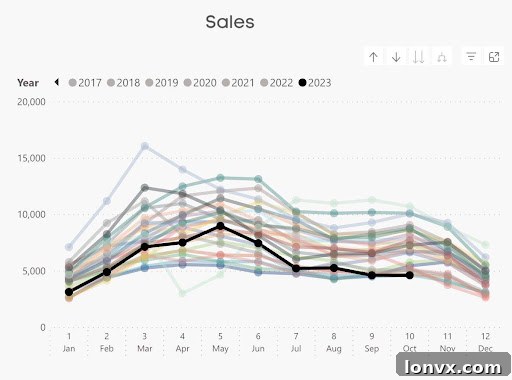
Declining Sales: A Market Recession Signal
The recent data for October paints a stark picture of the Toronto real estate market’s ongoing recalibration. Marking yet another month of historically low activity, October 2023 witnessed a substantial 5.8 percent decrease in home sales compared to the previous year. This figure is not merely a minor dip; it represents one of the lowest recorded numbers for October home sales in recent history, signaling a profound contraction in buyer confidence and activity. Such a significant suppression in sales figures is a robust indicator that the Toronto real estate market is experiencing a period of significant deceleration, aligning with broader economic recessionary pressures that have influenced consumer spending and investment decisions across Canada.
Several converging factors are contributing to this downturn in sales. Foremost among them are the persistently high interest rates, which have dramatically increased the cost of borrowing for prospective homebuyers. The Bank of Canada’s aggressive rate hikes, aimed at combating inflation, have pushed mortgage rates to levels not seen in over a decade, effectively eroding affordability and tempering demand. Many potential buyers, who might have qualified for a mortgage at lower rates, now find themselves priced out or opting to wait on the sidelines in anticipation of more favorable borrowing conditions. Furthermore, broader economic uncertainties, including concerns about job stability and the rising cost of living, have fostered a cautious sentiment among consumers. This widespread hesitation translates directly into fewer transactions, longer market times, and a palpable shift in the psychological landscape of buying and selling homes in the GTA. For sellers, this means a significantly reduced pool of eager buyers, intensifying the competition among available listings and necessitating a strategic re-evaluation of pricing and marketing approaches.
Surging Inventory: Empowering Toronto Buyers
Compounding the narrative of declining sales is the undeniable surge in housing inventory, a critical element solidifying Toronto’s transition into a buyer’s market. The latest figures reveal a significant uptick in properties available for sale. Monthly new listings have risen by an impressive 38 percent compared to October of the previous year, a trend that, while robust, aligns closely with the long-term average for new properties entering the market during this season. However, the more striking statistic lies in the growth of active listings. This October, active listings were a staggering 50.1 percent higher than in October 2022, a figure that far surpasses the long-term average.
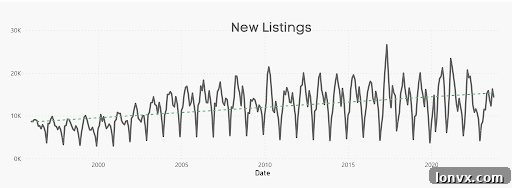
This substantial increase in active listings is a clear and unequivocal signal that the supply entering the market is simply not being absorbed by current demand. Homes are staying on the market for longer periods, leading to an accumulation of available properties. Sellers, faced with slower sales cycles and fewer offers, are often compelled to keep their listings active, hoping to eventually find a suitable buyer, rather than withdrawing them. This creates a compounding effect, where a growing pool of unsold homes further enhances buyer choice and negotiation power.
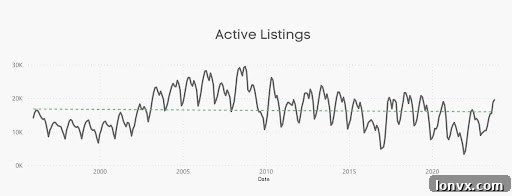
To truly understand the implications of this inventory surge, it’s essential to look at key market metrics such as ‘months of inventory’ and the ‘sales-to-new-listings ratio.’ Months of inventory indicates how long it would take to sell all current active listings at the current rate of sales. A higher number typically signifies a buyer’s market. Similarly, a low sales-to-new-listings ratio, which measures the proportion of new listings that result in a sale within a given period, points to an imbalance where supply outstrips demand. Both these metrics currently underscore the prevailing buyer-friendly conditions in Toronto.
The trajectory of this inventory growth is critical. If the supply of homes continues to accumulate at its current pace, particularly through the typically slower winter months, the market could tilt even more decisively in favor of buyers. This scenario would provide buyers with an unprecedented level of choice, potentially leading to more competitive pricing from sellers eager to offload properties, and further empowering buyers to dictate terms and conditions. The interplay between surging inventory and subdued demand is the fundamental force reshaping the Toronto real estate landscape.
Price Stability: A Temporary Reprieve or a New Normal?
Despite the significant shifts in sales volume and inventory, one aspect of the Toronto real estate market has shown surprising resilience: house prices. Currently, prices have remained relatively stable, maintaining a position comfortably above the long-term trendline. This stability, for the moment, suggests that while the market has firmly entered buyer’s territory, it hasn’t yet translated into a scenario where buyers are aggressively dictating price discovery. Sellers, it appears, are still holding firm on their price expectations, perhaps reluctant to accept lower offers after years of appreciating values. This creates a fascinating tension within the market, where increased supply and reduced demand haven’t yet caused a widespread collapse in asking prices.
However, the question of ‘what’s next’ for prices remains paramount. The long-term trendline represents the historical average growth trajectory of housing values, providing a benchmark for sustainable market appreciation. While current prices hover above it, the prevailing market forces strongly suggest that a return to this trendline is a plausible, if not probable, outcome. This doesn’t necessarily imply a sharp, immediate correction. Instead, it would not be unreasonable to anticipate a period where the market ‘trades sideways’ – meaning prices remain relatively flat or experience only minor fluctuations – for the foreseeable future. This sideways movement would allow the market to gradually ‘catch up’ with its long-term average over several years, without the shock of a sudden downturn.
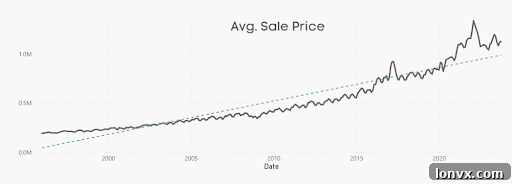
Historical precedent offers valuable insights. The Canadian real estate market experienced a similar, major housing cycle in the 1990s. Following a period of rapid growth and subsequent correction, that cycle culminated in a ‘sideways market’ that persisted for two to three years once the perceived ‘bottom’ had been reached. During such periods, price stability can offer a sense of consolidation, allowing economic conditions to re-align and buyer confidence to slowly rebuild. For Toronto, this might mean that while prices aren’t soaring, they also aren’t plummeting, offering a more predictable environment for both buyers and sellers to strategize. The pace and duration of this potential sideways market will ultimately depend on a confluence of factors, including future interest rate decisions by the Bank of Canada, inflationary pressures, employment rates, and continued population growth in the GTA. Monitoring these macroeconomic indicators will be crucial for understanding the evolving price landscape.
Charts source: Chartography.ca
Enjoying this article?
Get the latest REM articles in your inbox 3x week so you stay up to date on the latest in the Canadian real estate industry