Combating Pyrrhotite: A Unified Front for Quebec Homeowners and Future Construction
The Quebec Federation of Real Estate Boards (QFREB) has expressed profound satisfaction with a recent provincial and federal government initiative: new research funding specifically dedicated to eradicating the persistent issues caused by pyrrhotite damage in concrete. This collaborative effort signals a crucial turning point for thousands of Quebec households grappling with the devastating effects of this mineral on their homes.
For many years, communities primarily in the Mauricie and Centre-du-Quebec regions have been at the epicenter of this structural crisis. Pyrrhotite, a common iron sulfide mineral when embedded within concrete aggregates, reacts with moisture and oxygen. This reaction leads to a gradual but relentless expansion of the concrete, resulting in severe and often irreparable damage to building foundations. The QFREB has consistently highlighted the dire consequences for homeowners, including substantial financial burdens and significant stress.
Hassan Chellah, president of the Mauricie Real Estate Board, articulated the gravity of the situation, stating, “In the Trois-Rivières region, many owners of homes built between 1996 and 2008 have unfortunately discovered in recent years that their home’s foundation has been contaminated by pyrrhotite.” This specific timeframe points to a period when aggregates containing the problematic mineral may have been more commonly used, affecting an entire generation of homes and property owners.
In a significant step forward, a new research chair has been jointly established at the National Research Council of Canada and Laval University. This dedicated academic and scientific platform will spearhead in-depth studies into the complexities of pyrrhotite-induced damage, aiming to develop both remedial solutions and preventative measures. This initiative is a beacon of hope for communities scarred by the mineral’s destructive power.
Patrick Juanéda, president of the QFREB, warmly welcomed the government’s announcement, emphasizing the broader economic and social benefits. “The QFREB welcomes the announcement made by both levels of government and believes that this initiative will reduce the economic impact of pyrrhotite in Quebec and better protect Quebec households struggling with this scourge,” he remarked. This sentiment underscores the widespread relief and optimism surrounding the concerted action being taken.
Understanding the Silent Threat: What is Pyrrhotite?
To fully appreciate the scope of the problem and the significance of the new research, it’s essential to understand what pyrrhotite is and how it wreaks havoc on concrete. Pyrrhotite is a naturally occurring iron sulfide mineral that, under specific environmental conditions (primarily the presence of oxygen and moisture), undergoes an oxidation process. When this mineral is present as an aggregate in concrete, its oxidation leads to a volumetric expansion. This expansion creates internal stresses within the concrete, which manifest as cracks, heaving, and spalling of the foundation. Over time, these structural defects can compromise the entire integrity of a building, rendering it unsafe or requiring extremely costly repairs.
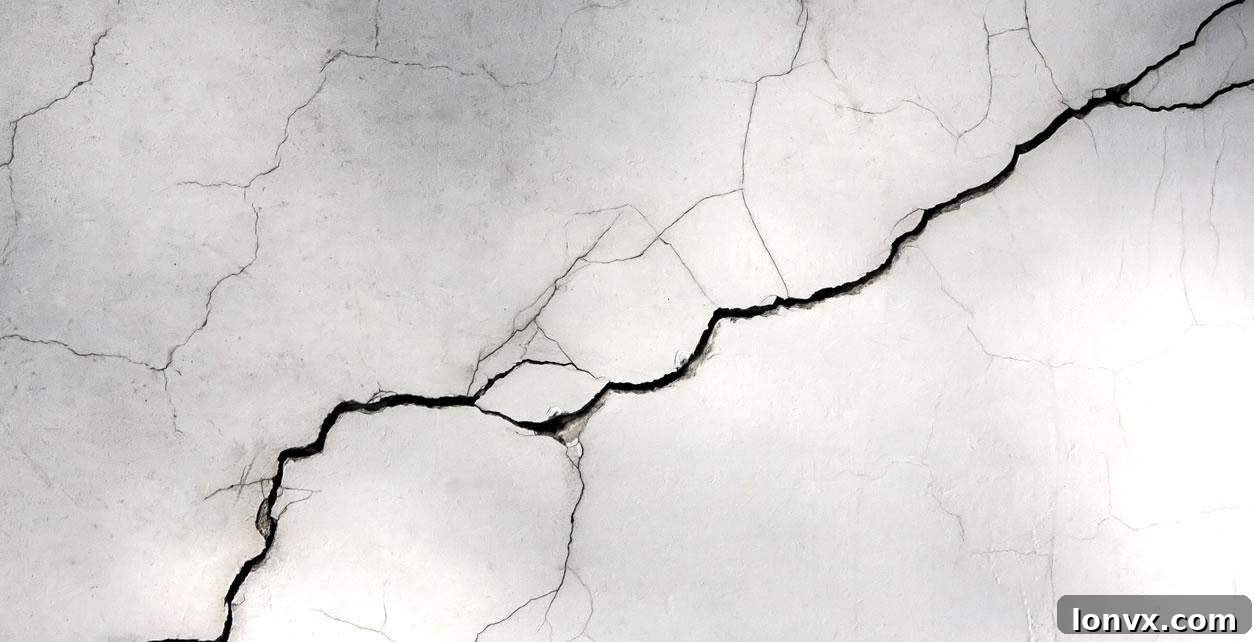
The damage caused by pyrrhotite is insidious and progressive. It often begins subtly, with hairline cracks that may go unnoticed by homeowners. As the oxidation process continues, these cracks widen, and the concrete begins to bulge or crumble. Detecting pyrrhotite damage in its early stages is challenging without expert assessment, making the need for advanced detection methods a critical area of research.
Quebec’s Battle: A Regional Crisis with Far-Reaching Impact
The prevalence of pyrrhotite-affected homes in Quebec, particularly in the Mauricie and Centre-du-Quebec regions and notably Trois-Rivières, is not a coincidence. It is largely attributed to the use of aggregates sourced from quarries that inadvertently supplied materials containing the mineral during specific construction booms. The estimated period of 1996 to 2008 highlights a critical window where many homes were built using these contaminated materials.
The financial and emotional toll on homeowners has been immense. Property values plummet, insurance coverage can be contentious, and the cost of foundation replacement – often the only permanent solution – can run into hundreds of thousands of dollars, far exceeding the means of many families. This has created a significant socio-economic challenge, impacting not only individual households but also the local real estate market and the overall economic stability of these regions. The QFREB has been at the forefront of advocating for these homeowners, recognizing the systemic nature of the problem and the need for collective action.
Advocacy and Assistance: QFREB’s Crucial Role
The QFREB has been a steadfast advocate for homeowners affected by pyrrhotite, consistently pushing for sustainable solutions and financial relief. A key aspect of their advocacy has been the continuation and enhancement of the “Program for Residences Damaged by Pyrrhotite,” which has been in effect since July 2011. This vital program offers financial assistance to homeowners whose foundations have been compromised by the mineral, helping them undertake the necessary and often extensive renovation work.
Since its inception, it is estimated that over 1,000 households have benefited from this program. This assistance is not merely a handout; it is a critical lifeline that allows families to restore the safety and value of their homes, preventing widespread economic hardship and the social displacement that could otherwise occur. The QFREB’s ongoing call for the program’s continuation underscores its belief in the long-term commitment required to fully address the consequences of pyrrhotite.
A Beacon of Hope: Collaborative Research and Innovation
The establishment of the new research chair at the National Research Council of Canada and Laval University represents a significant investment in scientific inquiry and innovation. This collaboration between a federal research powerhouse and a leading provincial academic institution is designed to tackle the pyrrhotite problem from multiple angles. The objectives of this research are multi-faceted and ambitious:
- Enhanced Understanding: Deepening the scientific knowledge of pyrrhotite’s chemical reactions in concrete, including the long-term mechanisms of expansion and degradation.
- Advanced Detection Methods: Developing more accurate, faster, and less invasive techniques for identifying the presence of pyrrhotite in existing structures and new aggregates.
- Innovative Repair Techniques: Exploring new, more cost-effective, and durable methods for repairing or mitigating damage in affected foundations, potentially moving beyond complete replacement.
- Prevention Strategies: Establishing rigorous testing protocols and improved standards for aggregate suppliers and concrete manufacturers to prevent the use of contaminated materials in future construction projects.
- Material Science and Engineering: Investigating alternative concrete formulations or additives that could neutralize the effects of pyrrhotite or make concrete more resilient to its presence.
The significant financial backing from both the federal and provincial governments underscores the national and regional importance attributed to solving this issue. It signifies a commitment to leveraging scientific expertise to protect homeowners, stabilize the real estate market, and ensure the quality and longevity of future infrastructure in Quebec.
The Broader Impact: Real Estate Market and Future Construction
The presence of pyrrhotite has had a profound impact on Quebec’s real estate market, particularly in the affected regions. Properties with known pyrrhotite damage face significant devaluation and are often extremely difficult to sell. This uncertainty creates a ripple effect, impacting property taxes, local economies, and the general confidence of homebuyers and investors. The proactive research and support initiatives, therefore, are not just about fixing concrete; they are about restoring faith in the construction sector and providing stability to the real estate market.
Looking ahead, the insights gained from this research chair will be invaluable. They will inform stricter regulatory frameworks for aggregate sourcing and concrete production, ensuring that future generations of Quebec homeowners do not face the same predicament. This preventative approach, combined with effective remediation strategies, is crucial for building resilient communities and safeguarding the significant investment that homeownership represents.
A Unified Vision for a Stronger Quebec
The ongoing commitment from the Quebec Federation of Real Estate Boards, coupled with the decisive funding from the provincial and federal governments for cutting-edge research at the National Research Council of Canada and Laval University, marks a pivotal moment in Quebec’s efforts to combat pyrrhotite damage. This unified front—combining advocacy, financial assistance, and scientific innovation—demonstrates a comprehensive approach to a complex problem.
Ultimately, the goal is clear: to mitigate the economic and emotional burden on current homeowners, reduce the pervasive impact of pyrrhotite on the real estate market, and implement robust measures to prevent future occurrences. By investing in research and supporting affected households, Quebec is building a stronger, more resilient foundation for its communities, ensuring peace of mind for homeowners for generations to come and reinforcing the structural integrity of its future. This collaborative model serves as an inspiring example of how diverse stakeholders can unite to address pressing challenges with lasting solutions.