
Canadian Real Estate Outlook 2023: Resilience in Residential and Industrial Sectors Amid Economic Shifts
According to the latest comprehensive report from Morguard, a leading real estate investment company, the Canadian multi-suite residential rental and industrial sectors are poised for continued robust demand throughout 2023. This projection stems from persistent market fundamentals characterized by a significant imbalance between limited supply and escalating demand across key urban centers.
Morguard’s highly anticipated 2023 Canadian Economic Outlook and Market Fundamentals Report offers an in-depth analysis of market performance in 2022, alongside strategic trend predictions for the upcoming year. This annual publication is a critical resource for investors, developers, and policymakers seeking to navigate Canada’s dynamic real estate landscape.
“Investor confidence is expected to remain exceptionally strong within the multi-suite residential and industrial segments, a testament to these sectors’ proven track record of healthy performance even during periods of economic uncertainty,” stated Keith Reading, Director of Research at Morguard. He further cautioned, “However, it’s crucial for stakeholders to recognize that commercial property performance, particularly in some sub-sectors, will likely face elevated risks throughout 2023 as the broader economic environment shifts.” This nuanced perspective underscores the selective resilience within Canada’s real estate market.
Multi-Suite Residential Real Estate: A Pillar of Stability
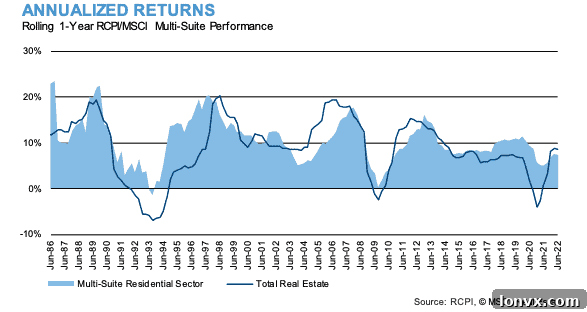
The multi-suite residential rental market experienced an extraordinary surge in demand throughout 2022, driven by a confluence of powerful demographic and economic forces. Morguard’s report highlights several key contributors to this upward trend, painting a clear picture of its underlying strength.
Key Drivers of Demand and Market Tightening
- Robust Economic Recovery and Employment Growth: Canada’s post-pandemic economic rebound played a pivotal role. A significant boost in employment, particularly for young workers aged 15 to 24, enabled a smoother transition into the rental market. These demographic groups, often facing hurdles to homeownership, found rental accommodations to be a viable and flexible housing solution.
- Lifting of Pandemic Restrictions: The gradual loosening and eventual removal of pandemic-related restrictions led to increased mobility and a return to urban centers. This spurred demand for conveniently located rental units, especially from individuals and families seeking proximity to employment, amenities, and social activities.
- Surging International Migration: Canada’s proactive immigration policies have continuously fueled population growth. The influx of new permanent residents and temporary foreign workers directly translates into heightened demand for rental housing, particularly in major gateway cities. This demographic tailwind is expected to continue for the foreseeable future.
- Return of In-Person Learning: The full resumption of in-person classes at post-secondary institutions, coupled with a significant return of international students, created immense pressure on rental markets adjacent to university and college campuses. Students, a traditional driver of rental demand, often require purpose-built or multi-suite options.
As these demand-side pressures intensified, the availability of rental units became increasingly constrained across several key Canadian markets. This tightening environment inevitably led to substantial rent increases. Rentals.ca reported a nearly 12 percent year-over-year increase in average rents nationwide by October, underscoring the severity of the supply-demand imbalance and the growing affordability challenges faced by renters.
Despite these challenges, or perhaps because of the strong fundamentals they represent, the rent growth and robust rental market dynamics supported record-high investment sales activity in the multi-suite residential sector throughout 2022. Investors recognized the sector’s defensive characteristics and potential for stable, long-term returns.
2023 Outlook for Multi-Suite Residential
Looking ahead to 2023, Morguard anticipates that Canada’s multi-suite residential rental market will continue its tightening trend. Demand is projected to consistently outpace new supply, primarily because the high cost of homeownership across the country will continue to push many families and individuals towards renting as a more accessible and financially prudent option. Rising interest rates further exacerbate the affordability gap for potential homebuyers, thereby sustaining strong rental demand.
The company reaffirms that investors will continue to exhibit strong confidence in Canada’s multi-suite residential rental sector over the near term. This confidence is underpinned by the sector’s predictable income streams, inflation-hedging qualities, and the undeniable demographic tailwinds of population growth and urbanization.
Commercial Real Estate: Diverse Performance and Emerging Trends
The commercial real estate landscape in Canada presents a more varied picture, with some sectors demonstrating exceptional strength while others face significant headwinds. Morguard’s report meticulously dissects these trends, providing crucial insights for market participants.
Industrial Real Estate: The Undisputed Leader
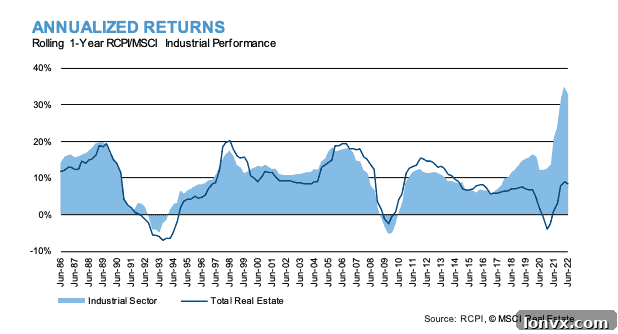
The industrial property sector continued its impressive run in 2022, attracting substantial investor capital. Morguard notes that investors strategically targeted income-producing commercial properties characterized by secure, long-term income streams. The most sought-after assets were those located in major urban centers or in close proximity to mass transit hubs, reflecting the critical importance of last-mile logistics and efficient labor access.
The overall investment market trends for industrial properties were overwhelmingly positive in 2022, a trajectory that Morguard confidently expects will persist throughout 2023. The first six months of 2022 alone witnessed a staggering $11.7 billion in investment transaction volume, representing a remarkable 57.5 percent increase over the same period the previous year. This growth highlights the intense competition for prime industrial assets.
A primary driver of this robust performance is the historically low supply of industrial property and space across Canada. In 2022, availability plummeted to an all-time low of 1.6 percent by the midway mark of the year. This severe scarcity, fueled by the relentless expansion of e-commerce, supply chain re-shoring initiatives, and the need for enhanced inventory management, has pushed rents higher and created favorable conditions for landlords and developers.
For 2023, the generally positive leasing outlook for the industrial sector is expected to continue attracting significant investment capital. Investor confidence remains exceptionally elevated, given the fundamental shifts in retail and manufacturing that continue to underpin demand for modern logistics and distribution facilities. The long-term growth prospects, coupled with strong rent growth, make industrial assets a highly desirable investment class.
Office Real Estate: Navigating Uncertainty
While the initial report included office investment data under a broader commercial section, its distinct dynamics warrant a separate focus. The office sector is undergoing a profound transformation driven by evolving work patterns and economic uncertainty.
Despite an increased level of perceived sector risk, the first half of 2022 still recorded $5.5 billion in office property investment sales, a substantial 187 percent increase year-over-year. This seemingly counter-intuitive surge can be attributed to specific opportunities, such as the sale of trophy assets, strategic repositioning plays, or institutional investors making long-term bets on the future of office work in prime locations. However, the underlying sentiment for the broader office market remains cautious.
In 2023, Morguard anticipates that many office tenants will further delay long-term leasing commitments. The widespread adoption of hybrid work models has created uncertainty regarding future space requirements, leading companies to adopt a “wait and see” approach. Corporations, government agencies, and departments are continuously adjusting to new office space usage patterns, often prioritizing flexibility, collaboration-focused designs, and enhanced amenities to attract employees back to the office.
This ongoing adjustment means that older, less amenity-rich office stock will likely face greater challenges, while premium, well-located, and highly amenitized buildings may experience a “flight to quality” as tenants seek spaces that support modern work strategies.
Retail Real Estate: A Cautious Rebound
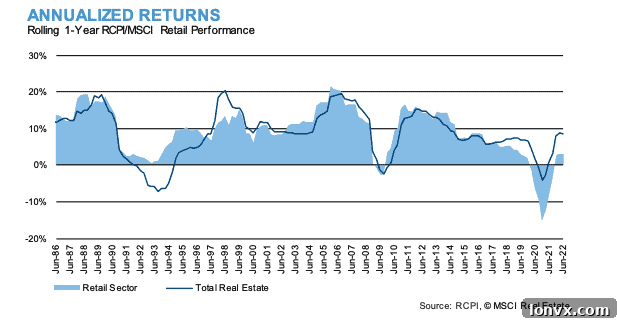
The Canadian retail leasing market experienced a welcome rebound in 2022, primarily driven by the removal of lingering pandemic restrictions on brick-and-mortar store capacities. As consumers returned to physical shopping environments, vacancies began to level off in certain market segments, a positive reversal after steadily climbing across much of the country over the preceding years.
This resurgence in the leasing market provided a foundation for moderately attractive investment returns. The report highlights a 3.1 percent total investment return for retail properties contained within the MSCI Index for the year ending June 30, 2022. This performance indicates a degree of stability and renewed confidence in the brick-and-mortar retail experience, particularly for essential services, experiential retail, and well-located community centers.
However, the outlook for 2023 for retail remains cautious. While Morguard expects Canada’s retail leasing market to continue its stabilization, the elevated probability of a broader economic downturn in 2023 leaves the retail property investment market exposed to increased risk over the near term. Consumer discretionary spending is highly sensitive to economic conditions, inflation, and interest rates. Therefore, investors will need to carefully assess the resilience of specific retail segments and locations.
Macroeconomic Headwinds: Shaping the 2023 Landscape
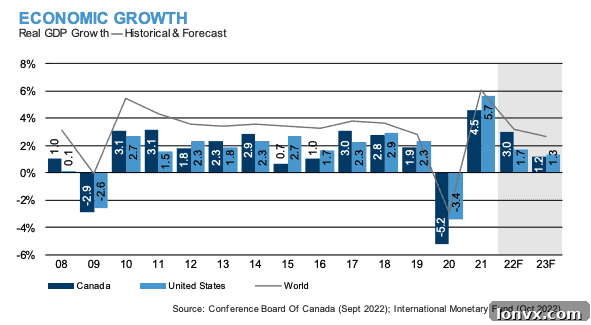
The broader Canadian economic environment will undoubtedly exert significant influence over real estate markets in 2023. Morguard predicts a notable slowdown in Canadian economic growth, stemming from a combination of interconnected factors.
Key Economic Factors
- Aggressive Interest Rate Hikes: The Bank of Canada’s sustained efforts to combat record-high inflation through successive interest rate hikes will be a primary dampening force. These hikes increase borrowing costs for businesses and consumers, slowing investment and consumption.
- Declining Household Wealth: A combination of volatile equity markets and a moderation in housing values contributes to declining household wealth, impacting consumer confidence and spending capacity.
- Persistent Record-High Inflation: Elevated inflation rates continue to erode purchasing power, forcing households to allocate a larger portion of their budgets to necessities, thereby reducing discretionary spending.
Consumer spending patterns are anticipated to continue their deceleration through 2023. This trend is primarily driven by the erosion of disposable income, as households contend with higher costs for essential goods and services, alongside a more cautious approach to discretionary purchases. Similarly, residential investment is expected to moderate further, with shoppers delaying big-ticket purchases such as new appliances and home renovations due to economic uncertainty and higher financing costs. The ongoing implementation of interest rate hikes will undeniably weigh heavily on households and act as a significant drag on overall economic growth throughout the year.
Labour Market Dynamics
In 2022, Morguard observed that labour shortages were a pervasive issue across most sectors of the Canadian economy, effectively limiting potential growth. While the unemployment rate rose 50 basis points to 5.4 percent in August 2022 from a record low of 4.9 percent in July 2022, the labour market remains remarkably tight.
For 2023, the unemployment rate is expected to range at a more sustainable level, offering some relief from the extreme tightness observed previously, but ongoing labour shortages will persist in various sectors. Despite the rising trend in the unemployment rate, Canada’s labour market is projected to remain tight over the near term. This indicates that while the pace of job creation may slow, employers will still face challenges in finding skilled workers, potentially leading to continued wage pressures and a focus on immigration as a solution to long-term labour supply issues.
Conclusion: Strategic Resilience in a Shifting Economy
Morguard’s 2023 Canadian Economic Outlook and Market Fundamentals Report paints a detailed picture of a real estate market characterized by selective strength amid broader economic deceleration. While the overall economy faces headwinds from interest rate hikes and inflation, the multi-suite residential rental and industrial sectors stand out for their robust demand and investor appeal.
Investors and stakeholders are encouraged to leverage the detailed insights within this report to make informed decisions. The resilience of certain property types, driven by fundamental demographic shifts and structural economic changes, offers compelling opportunities, even as other commercial sectors navigate significant transformations and heightened risks. Adaptability and a deep understanding of market fundamentals will be key to success in the dynamic Canadian real estate landscape of 2023.
For a comprehensive understanding of these trends and more detailed analysis, read Morguard’s full 2023 Canadian Economic Outlook and Market Fundamentals Report here.