Embracing Nature: The Unseen Value of Biophilic Design in Real Estate
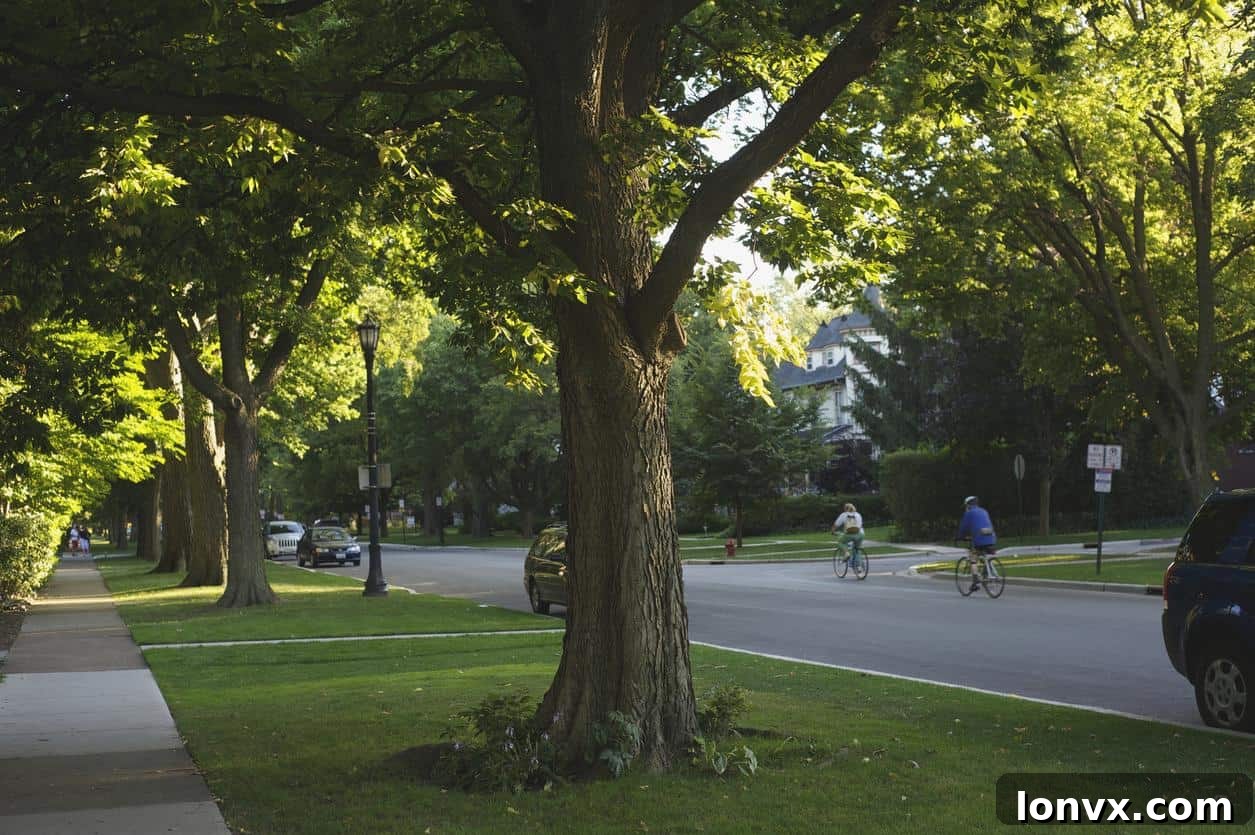
Biophilia, derived from the Greek words “bio” (nature) and “philia” (love), describes the innate human tendency to connect with nature and other living systems. Biophilic design, therefore, is an architectural and interior design philosophy that integrates natural elements and processes into the built environment. In the realm of real estate, this intrinsic human connection translates into tangible value, influencing everything from property desirability to market prices. The most immediate and perhaps most profound indicator of good biophilic character is a sense of comfort and tranquility we feel when immersed in or observing natural settings. Whether it’s the sweeping panorama of a coastal waterfront, the majestic view of a mountain range, or the welcoming approach to a home nestled on a lush, tree-lined street, the feeling of ease and contentment is undeniable.
This profound impact of nature on our well-being is not merely anecdotal; it’s a driving force in today’s real estate market. Recent reports, including those from Sotheby’s highlighting 2021 trends, consistently affirm the surging demand for both private and public natural spaces. This isn’t a new phenomenon, but rather an acceleration of an enduring preference. For generations, real estate listings have celebrated properties with picturesque views, expansive panoramas, proximity to green spaces, and the charm of tree-lined avenues. These descriptions aren’t just poetic; they are direct appeals to our biophilic tendencies, hinting at a lifestyle enriched by nature.
Beyond the Wish List: Understanding Subconscious Preferences
When clients articulate their ideal home, their wish lists often prioritize practicalities: a specific number of bedrooms and bathrooms, ample parking, or a gourmet kitchen. Rarely do they explicitly state that a tree-lined street is a non-negotiable requirement. However, the true impact of biophilic elements often operates on a subconscious level. When these same clients visit a home situated in a neighborhood with a mature tree canopy, their response is visibly different. They feel a greater sense of peace, an enhanced appreciation for the property, and are often more willing to commit to a higher price. This discrepancy between stated preferences and observed behavior underscores the powerful, often unspoken, influence of biophilic design elements.
Academic research further substantiates this market phenomenon. In a study presented at Grey to Green in 2014, I compared sales data across four distinct neighborhoods within the City of Toronto. The analysis focused specifically on streets characterized by mature tree canopies versus those without. The findings were compelling: properties situated on tree-lined streets not only commanded higher sale prices but also experienced less frequent turnover. This reduced sales frequency indicates a greater satisfaction and desire to remain in such environments, further cementing the real estate value inherent in biophilic features. It’s a clear market signal that homeowners are willing to pay a premium for the improved quality of life and aesthetic appeal that nature integration provides.
The Pandemic’s Catalytic Role: Reawakening a Deeper Appreciation for Nature
The global COVID-19 pandemic served as a powerful catalyst, heightening public awareness and appreciation for the critical value of nature in our daily lives. Confined to our homes, many rediscovered the solace and rejuvenation offered by even small patches of greenery or a clear view of the sky. As Don Kottick, president and CEO of Sotheby’s International Canada, aptly observed, people “have become more appreciative of the impact of the natural environment on their own quality of life.” This shift in perspective has profoundly influenced real estate trends, with a pronounced surge in demand for properties offering access to private outdoor spaces, larger yards, and proximity to parks or natural landscapes. The pandemic underscored that access to nature is not a luxury, but a fundamental component of well-being, driving its prioritization in home-buying decisions.
The Foundational Pillars of Biophilic Design: Three Categories of Experience
Biophilic design, far from being a novel concept, is deeply rooted in our evolutionary history and innate psychological makeup. It recognizes that humans are hardwired to connect with the natural world. This understanding is translated into design through three primary categories of experience:
1. Direct Contact with Nature: Immersive Sensory Experiences
This category involves the immediate, unfiltered engagement of our senses with natural elements. It’s about bringing nature physically into our living and working spaces. Examples abound: a vibrant indoor garden where one can participate in cultivating life, or a soothing water feature whose gentle sounds and visual flow create a calming ambiance. Direct contact also encompasses vital connections to the outdoors, such as natural airflow provided by operable windows and balconies, allowing us to feel the breeze and hear the subtle symphony of bird songs. Maximizing natural light exposure is another cornerstone, harnessing the sun’s rhythm to regulate our circadian cycles and enhance mood. The traditional concept of the “hearth” – the protective warmth and mesmerizing dance of fire – also falls within this category, symbolizing comfort, safety, and a primeval connection to a life-giving element. These direct engagements with nature contribute significantly to reduced stress, improved cognitive function, and enhanced overall well-being.
2. Indirect Contact with Nature: Mimicry and Evocation
When direct access to nature is limited, biophilic design employs indirect methods to evoke natural forms and processes. This involves incorporating designs that mimic nature’s inherent beauty and complexity through various architectural and aesthetic choices. Think of organic shapes, earthy color palettes, and textures that echo natural materials like wood grain or rough stone. The replication of natural light patterns through strategic lighting design, or even the subtle integration of nature sounds via advanced audio systems, can create a powerful sense of connection. Biomimicry, the innovative practice of imitating nature’s designs and processes to solve human problems, is a sophisticated form of indirect biophilia, influencing structural integrity, energy efficiency, and material choices. Furthermore, art depicting natural landscapes, or abstract pieces utilizing natural colors and lines that intuitively resonate as natural forms, also fall under this category. These indirect connections subtly influence our subconscious, fostering a sense of calm and natural harmony within artificial environments.
3. Experience of Place and Space: Refuge, Prospect, and Flow
This category delves into how the design of a space impacts our psychological comfort, sense of security, and ease of navigation. The fundamental idea of “home” often revolves around creating a refuge from the elements, a safe haven. Central to this is the strategic connection between indoor and outdoor spaces, primarily through windows and “view sheds” that offer expansive or curated vistas of nature. Christopher Alexander, in his seminal work A Pattern Language, explored how design principles can be understood through a framework of repeatable patterns that fulfill human needs. Many of Alexander’s patterns, such as “A Room with a View,” “Outdoor Room,” or “Light on Two Sides of Every Room,” are profoundly biophilic in their intent, emphasizing a harmonious relationship between built structures and their natural surroundings. In everyday real estate practice, this concept often manifests as “flow” – a term frequently used to describe a space or home with an intuitive and comfortable transition between areas. Biophilic design interprets this flow as not just physical movement but also a visual and sensory connection between spaces, making way-finding effortless and contributing to a holistic sense of well-being. Patterns like “prospect” (an unimpeded view, offering a sense of control and safety) and “refuge” (a protected space for retreat and contemplation) are key elements, providing psychological comfort and enhancing our experience of a place.
The Tangible and Intangible Returns of Biophilic Design
All these principles are intricately woven into the fabric of effective biophilic design. These designs resonate deeply within us, often on an intuitive level. We don’t just see it; we feel it, sense it, and sometimes even smell it. The love of nature, when seamlessly integrated into our living environments, translates into tangible improvements in quality of life. This includes reduced stress, improved mood, enhanced cognitive function, and even faster healing times in healthcare settings. For homeowners, this means a more comfortable, healthier, and ultimately more valuable property.
The inherent value of nature in real estate is increasingly recognized beyond conventional metrics like frontage and land improvements. As a profound admirer of nature, I firmly believe that often, untouched natural land holds an immense, often undervalued, intrinsic worth. There is a rapidly emerging market understanding that nature delivers unparalleled quality of life benefits – benefits that are becoming highly valued premiums in real estate markets across Canada and around the globe. Integrating biophilic principles into design and development is no longer just an aesthetic choice; it is a strategic investment in human well-being, sustainability, and long-term property value. Homes and communities designed with nature at their core are not just places to live; they are environments that foster health, happiness, and a deeper connection to the world around us.