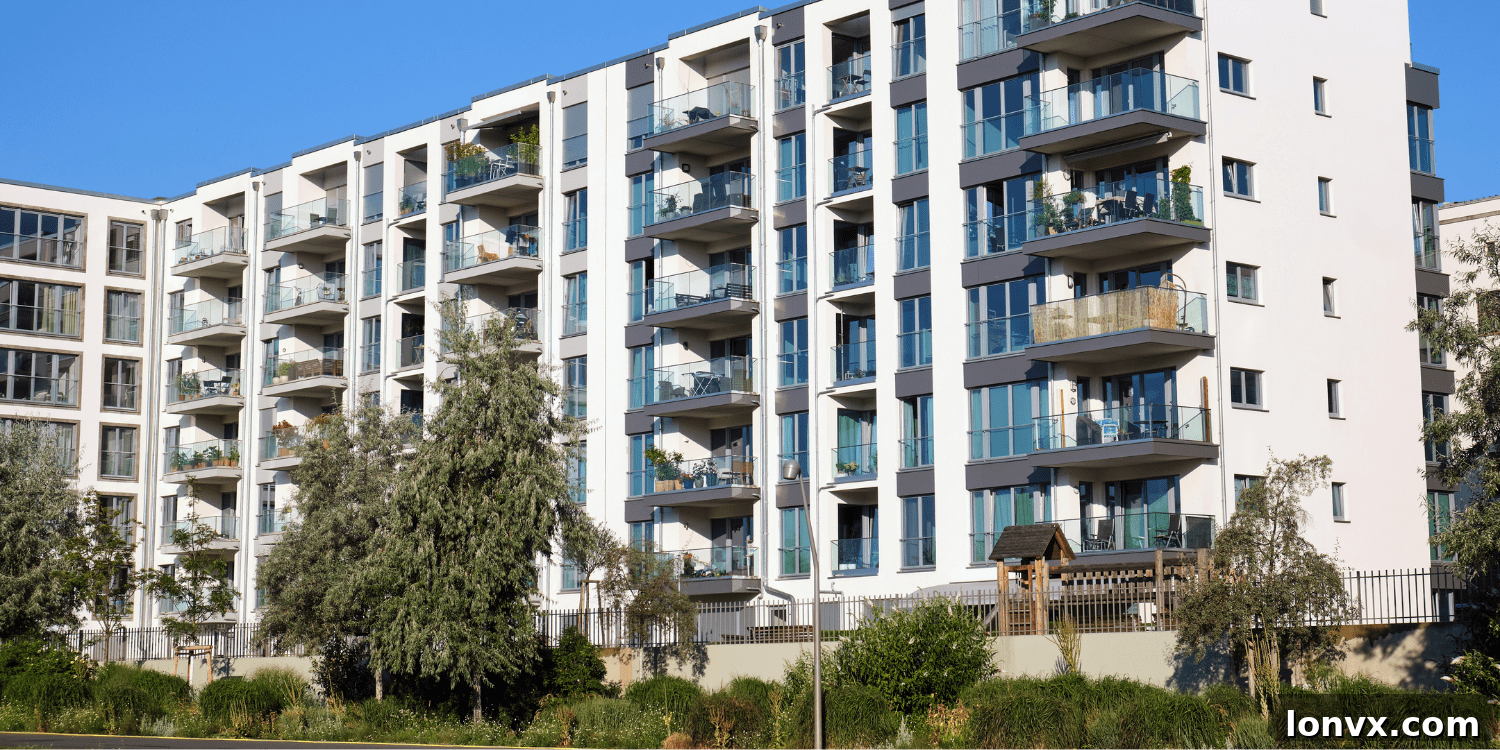
The Rise of Purpose-Built Rental Communities: A Strategic Investment in Modern Living
In the dynamic and ever-evolving landscape of residential real estate, a significant shift is underway. With the demand for rental units experiencing a robust ascent and the traditional aspiration to purchase single-family homes showing signs of decline, purpose-built rental (PBR) communities are rapidly transcending their status as a mere trend. They are firmly establishing themselves as a highly valuable, stable, and increasingly attractive asset class for astute investors.
Creating and managing these modern rental communities involves a multifaceted approach, where several key aspects contribute to their increasing value and exceptional returns over time. These critical components include meticulous market research, innovative design principles, robust financial planning, strategic marketing, and diligent maintenance strategies. Each of these elements is instrumental in cultivating a successful rental community that not only meets but exceeds the demands and expectations of today’s discerning renters.
Understanding Purpose-Built Rental Communities
At its core, a purpose-built rental property is a residential building or complex meticulously designed and constructed with the sole intention of renting out every single unit. This fundamentally differentiates them from condominium developments, where individual units are sold to owner-occupiers. By embracing the purpose-built model, developers gain the strategic advantage of tailoring every aspect of the community to appeal directly to their target rental demographic.
This holistic approach allows for the deliberate integration of amenities and features that genuinely resonate with potential renters in a specific geographic area. Whether it’s a state-of-the-art fitness center, convenient on-site laundry facilities, private balconies, communal workspaces, or a vibrant mix of recreational spaces, PBRs are designed from the ground up to offer a comprehensive living experience. This foresight ensures that the development fills existing market gaps and provides unparalleled value to residents.
Benefits for Developers and Investors
For developers and investors, purpose-built rentals represent a compelling proposition. They offer a predictable and consistent income stream, underpinning long-term investment stability. Through meticulous analysis of market data and sophisticated forecasting models, developers can accurately project rental rates, confident that these units will continue to generate revenue as long as tenant leases are in effect. Furthermore, the single ownership structure of PBRs allows for streamlined management, economies of scale in maintenance, and greater control over the entire property’s branding and resident experience. This centralized control fosters a consistent quality standard, which in turn enhances asset value and attracts premium tenants.
Advantages for Residents
Residents within purpose-built rental communities enjoy a distinct array of advantages. Typically, these properties boast a wider and more thoughtfully curated selection of amenities compared to traditional rental units. Crucially, these amenities are often designed to address specific needs or gaps within the local community – for instance, providing a well-equipped gym in an area lacking accessible fitness options. Beyond the physical amenities, PBRs are inherently designed to foster a strong sense of community. The integration of various communal spaces, such as lounges, co-working areas, rooftop patios, and event rooms, encourages social interaction and connection among residents, transforming a building into a true neighborhood.
Market Research and Strategic Planning
The journey to a successful purpose-built rental community begins long before ground is broken, rooted deeply in comprehensive market research and strategic planning. The initial phases demand a thorough understanding of the intended demographic, as this knowledge will dictate virtually every subsequent decision.
Demographic Analysis
The needs and desires of a young professional differ significantly from those of a growing family or a retiree. A family, for example, might prioritize spacious unit layouts, on-site playgrounds, and proximity to schools. Young professionals, conversely, might seek flexible co-working spaces, quick access to public transport, and vibrant nightlife. Retirees, on the other hand, may value accessible design, quiet common areas, and health-focused amenities. Pinpointing the majority resident profile enables developers to tailor amenities, unit sizes, and overall functionality to maximum appeal and utility.
Location, Location, Location
Location remains paramount. Proximity to major employment hubs, efficient public transportation networks, and essential services are perpetual drivers of rental demand. A PBR situated near educational institutions or community centers might naturally attract small families, whereas one close to trendy restaurants, boutique shops, and entertainment venues would likely appeal more to young urbanites. Location also influences practical considerations like parking solutions, the necessity of vehicle storage, and the selection of outdoor amenities; a property adjacent to a large public park, for instance, might negate the need for its own dog run or extensive green space. Thorough location analysis should also consider future infrastructure developments and zoning changes that could impact the property’s long-term viability and desirability.
Competitive Analysis and Gap Identification
Crucially, developers must conduct exhaustive research into existing rental properties within the area, encompassing both purpose-built and traditional offerings. This competitive analysis helps identify market gaps – unfulfilled needs or underserved segments. Understanding what the competition offers, and more importantly, what it lacks, provides a blueprint for differentiation. It allows developers to position their PBR community as a superior alternative by offering unique amenities, enhanced services, or a more compelling value proposition that truly fills a void in the local rental market.
Innovative Design and Sustainable Development
The design phase of a purpose-built rental is an opportunity to craft not just buildings, but vibrant, functional communities. Central to this is creating layouts that prioritize community interaction and accessibility, while increasingly incorporating sustainable practices.
Community-Centered Layouts and Accessibility
A successful PBR fosters a sense of belonging. This is achieved through thoughtful design of common areas such as shared lounges, outdoor plazas, fitness centers, and multi-purpose rooms that encourage organic interaction among residents. Beyond social spaces, accessibility must be a core design principle. Ensuring barrier-free access to all units and amenities not only expands the potential tenant pool but also significantly enhances the quality of life for all residents, including those with mobility challenges, young families with strollers, or seniors. Wide hallways, accessible elevators, and universal design principles contribute to a thriving, interconnected culture within the building.
Sustainable Design and Eco-Friendly Practices
Sustainability is no longer a niche preference but a significant concern for a growing segment of modern renters. Integrating eco-friendly design elements and sustainable practices offers a multitude of benefits. Beyond reducing the environmental impact of development, these features can be a powerful draw for environmentally conscious tenants. This includes energy-efficient appliances, smart home technology for climate control, LED lighting, low-flow water fixtures, and robust waste management and recycling programs. Furthermore, sustainable building practices can lead to long-term operational savings, qualify developers for various government grants or incentives, and potentially attract specialized “green” financing options, enhancing the project’s financial viability.
Thoughtful Unit Design and Features
Beyond common areas, the individual units themselves must be designed with modern living in mind. This includes flexible layouts that can adapt to different lifestyles, ample storage solutions, high-quality finishes, and the potential for private outdoor spaces like balconies or patios. Incorporating smart home features, reliable high-speed internet infrastructure, and soundproofing are also increasingly expected by today’s renters.
Strategic Financial Considerations
Developing a purpose-built rental community represents a substantial financial undertaking, requiring meticulous planning and strategic resource allocation. Understanding the full scope of financial considerations is paramount to a project’s success and long-term profitability.
Funding and Investment Opportunities
Securing the necessary capital is the initial hurdle. Beyond traditional bank loans and private equity, developers can explore diverse funding avenues. As previously mentioned, integrating sustainable elements into the design can unlock specialized green financing, impact investment funds, or government subsidies aimed at promoting eco-friendly development. Furthermore, some investors specifically target particular community development areas or niche housing solutions, offering tailored partnership opportunities. A thorough understanding of available funding options is crucial for prioritizing project features and aligning with investor expectations.
Revenue Forecasting and Valuation Models
Central to financial planning is accurate revenue forecasting. This involves not only projecting future rent per square foot but also meticulously assessing how various amenities will influence the desired rental price, benchmarked against current market rents in the area. A sophisticated financial team, adept at running complex spend-versus-future-income combinations and employing advanced forecasting models, is indispensable. These models must account for vacancy rates, potential rent growth, operational expenses (including property taxes, insurance, utilities, and ongoing maintenance), and capital expenditures over the life of the asset. The goal is to build a robust pro forma that demonstrates a clear path to profitability and attractive returns on investment (ROI).
Long-Term Asset Appreciation
Unlike single-unit investments, a PBR represents a cohesive asset class that can appreciate significantly over time. Its value is driven not just by market forces but also by effective management, continuous tenant satisfaction, and strategic upgrades. Investors are drawn to the predictable cash flow and the potential for substantial asset appreciation, often viewing PBRs as a hedge against inflation and a stable component of a diversified portfolio.
Effective Marketing and Leasing Strategy
A purpose-built rental community, no matter how impeccably designed or financially sound, cannot succeed without its residents. Therefore, developing a clear, targeted, and effective marketing and leasing strategy is fundamental to achieving high occupancy rates and sustained success.
Targeted Outreach and Brand Identity
The marketing approach must be meticulously tailored to the identified target demographic, drawing directly from the initial market research regarding location and cost considerations. For example, while young professionals might be heavily influenced by social media campaigns and digital advertising, retirees may respond more effectively to traditional print media, community outreach events, or partnerships with local senior organizations. Creating a distinct and memorable brand identity is equally vital. Potential tenants need to visualize themselves and their lifestyle seamlessly integrated within the community’s walls. This requires compelling visuals, clear messaging, and a narrative that speaks directly to their aspirations and needs.
Building Trust and Reputation Management
Trust is a critical factor in a prospective renter’s decision-making process. They are choosing not just a unit, but a home and a community for their future. Therefore, brand awareness and proactive reputation management are paramount. This involves consistent branding across all touchpoints, showcasing testimonials, and maintaining a strong online presence through reviews and social media engagement. A transparent and efficient leasing process, from initial inquiry to lease signing, significantly contributes to positive brand perception and tenant satisfaction.
Streamlined Leasing Process and High Occupancy
A well-defined marketing-to-leasing strategy and an efficient leasing process are crucial for maintaining a high occupancy rate and ensuring continued resident satisfaction. Many property management teams leverage skilled rental agents to facilitate a seamless tour-to-rental journey, providing personalized experiences and promptly addressing inquiries. Integrating this aspect into the financial modeling and forecasting phase ensures that the costs associated with a robust leasing team and technology (such as online application portals, virtual tours, and CRM systems) are accounted for, ultimately supporting the community’s long-term financial health and reputation.
Proactive Management and Comprehensive Maintenance
The allure of high-quality amenities in purpose-built rental communities is undeniable, but their true value is realized only when they are meticulously managed and impeccably maintained. Ensuring functionality, safety, and the sustained quality that residents expect and deserve is critical for long-term success.
Professional Property Management
Effective property management is the backbone of a successful PBR. This can involve establishing a dedicated in-house team or partnering with a reputable third-party management company. The team is responsible for day-to-day operations, including tenant relations, rent collection, lease administration, and enforcing community policies. Their proactive approach to fostering a positive living environment directly impacts tenant retention and overall satisfaction.
Proactive Maintenance and Responsive Service
A comprehensive maintenance plan, supported by adequate staffing for both communal amenities and individual residential units, is fundamental. This goes beyond reactive repairs; it encompasses preventative maintenance schedules for all building systems, landscaping, and amenities to prevent issues before they arise. When repairs are necessary, a prompt and efficient response to requests is paramount. Maintenance and safety are consistently reported as two of the top concerns by renters who choose to terminate a lease agreement. Addressing these swiftly and professionally not only resolves immediate problems but also significantly enhances overall resident satisfaction, reinforces trust, and contributes to a positive community reputation. Leveraging smart maintenance systems and tenant portals can further streamline this process, allowing residents to easily submit requests and track progress.
Enhancing Resident Experience and Security
Beyond basic maintenance, property management teams can enhance the resident experience through community events, feedback mechanisms, and the integration of technology like smart access systems or dedicated resident communication apps. Robust security features, including controlled access, surveillance systems, and well-lit common areas, are also vital for providing peace of mind to residents and protecting the investment.
Putting it into Practice: The Enduring Appeal of Purpose-Built Rentals
Creating and operating purpose-built rental communities is a multi-faceted and often multi-year endeavor, demanding meticulous planning and strategic consideration across every aspect, from initial market research to ongoing management upon completion. By keenly focusing on the distinct needs and preferences of their target demographic, selecting an optimal and future-proof location, and thoughtfully incorporating community-oriented and sustainable design elements, developers are empowered to create rental communities that not only stand out in a competitive market but truly thrive.
Purpose-built rental communities offer a powerful dual benefit. For investors, they represent a steady, predictable income stream coupled with significant potential for long-term asset appreciation. For residents, they provide a thoughtfully designed, amenity-rich living environment that transcends mere housing, actively fostering a strong sense of community and seamlessly meeting their evolving lifestyle needs. As demographic shifts continue and the demand for flexible, high-quality rental options intensifies, the appeal and necessity of purpose-built rental communities will only continue to grow, solidifying their integral role in the future of residential real estate.