Calgary’s Real Estate Market Defies Odds: A Deep Dive into Overbidding and Unprecedented Demand
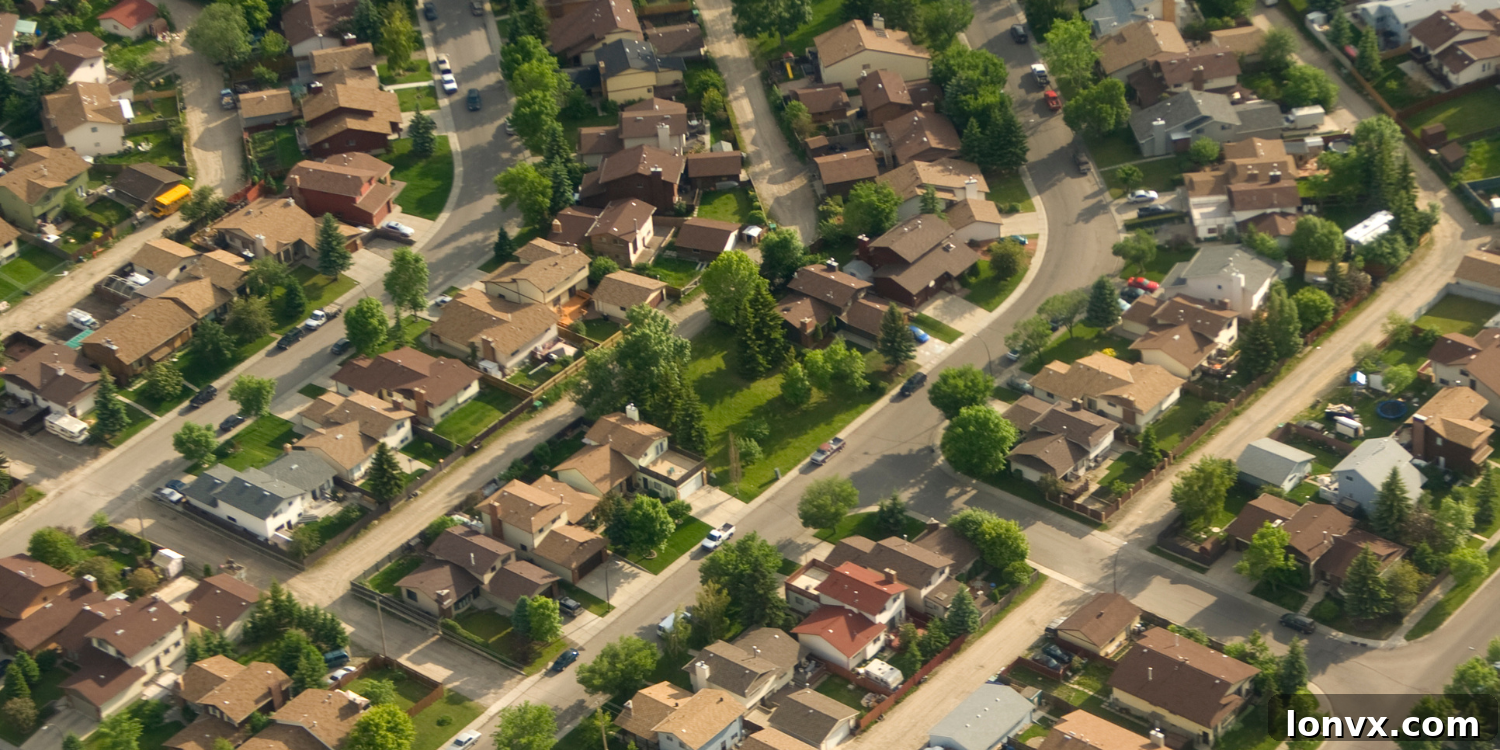
In a landscape marked by persistent affordability concerns and elevated interest rates across Canada, Calgary’s real estate market continues to demonstrate remarkable resilience and vigor. A recent analysis from Wahi’s Calgary Market Pulse report highlights this robust activity, revealing that between January and April of this year, a significant 92 homes—representing 49 percent of the city’s neighborhoods—transacted for prices above their initial asking. This compelling trend positions Calgary as a unique outlier in the national housing narrative, attracting attention from both local and inter-provincial buyers.
While nearly half of Calgary’s neighborhoods experienced intense bidding wars, the market also showed areas of equilibrium and slight buyer advantage. During the same four-month period, 14 percent of the city’s communities saw 27 homes sell exactly at their asking price, reflecting a balanced negotiation. Conversely, 37 percent of neighborhoods recorded 70 homes selling below their list price, suggesting pockets where buyers held more leverage or where properties faced less competitive pressure. However, the dominant narrative remains one of intense competition, especially in specific segments of the market.
Affordability Fuels Competition: Median Prices Below $750,000 Drive Demand
A critical factor underpinning Calgary’s competitive edge is its relative affordability, particularly when compared to other major Canadian urban centers. Wahi’s report underscores that the median sale prices in the city’s most highly overbid neighborhoods consistently remained below the $750,000 mark. This stands in stark contrast to neighborhoods experiencing underbidding, which often featured significantly higher price points, deterring a broader pool of buyers.
Benjy Katchen, CEO of Wahi, articulates this dynamic perfectly: “Whether it’s buyers from other provinces attracted by Calgary’s relative affordability or locals benefiting from Alberta’s resilient economy, demand remains strong for Calgary real estate.” This statement encapsulates the dual forces at play: a steady influx of individuals and families seeking more attainable homeownership opportunities than those found in Vancouver or Toronto, coupled with a robust local economy providing stability and purchasing power for current residents. The allure of a vibrant urban lifestyle combined with more accessible housing costs makes Calgary an increasingly desirable destination for a diverse demographic of homebuyers.
This affordability factor doesn’t just attract first-time homebuyers or those seeking to upgrade; it also appeals to investors looking for stronger returns in a rapidly appreciating market. The sub-$750,000 price point allows for greater accessibility into the market, fostering a broader base of potential purchasers and intensifying the competitive environment for desirable properties.
Calgary: A Beacon of Competitiveness in the Canadian Real Estate Landscape
Wahi’s research firmly establishes Calgary as a more competitive market than its counterparts across Canada, a distinction that becomes even more apparent when examining national trends. The divergence in market activity is striking. For instance, in April, the Greater Toronto Area (GTA) saw its neighborhoods decline month-to-month in terms of overbidding for the first time this year. Specifically, 39 percent of GTA neighborhoods experienced overbidding, a notable drop from 43 percent in the preceding month. Additionally, only four percent of homes in the GTA sold at asking, with the vast majority, 57 percent, selling under asking.
Further demonstrating Calgary’s unique position, the first quarter of 2024 revealed that a mere two percent of Ottawa neighborhoods registered overbidding. These comparisons paint a clear picture: while other major markets are experiencing a cooling trend or a shift towards buyer-friendly conditions, Calgary’s market remains largely insulated, driven by distinct local and provincial economic strengths and demographic shifts. The sustained buyer confidence and aggressive bidding culture in Calgary underscore a fundamental imbalance between supply and demand that continues to favor sellers.
The relatively stable economic conditions in Alberta, buoyed by the energy sector and diversifying industries, contribute significantly to this market strength. Unlike some other provinces heavily reliant on tech or service industries that have faced recent headwinds, Alberta’s economy has shown resilience, translating directly into stronger consumer confidence and sustained demand for housing. This economic foundation, combined with migration patterns, creates a powerful upward pressure on Calgary home prices.
Nine All-Cash Offers: A Dalhousie Home Sets a New Neighborhood Benchmark with a $136,000 Over-Ask Sale
The intense competitive trend in Calgary was vividly illustrated by a remarkable sale witnessed firsthand by CIR Realty during the first weekend of May. An open house for a single-family home in Calgary’s desirable Dalhousie community drew a queue of over 50 eager potential buyers. Realtor Kim Twohey had listed the property at $700,000, despite her initial assessment valuing it closer to $675,000, anticipating strong interest.
The market’s fervent demand quickly validated her strategy. The home swiftly sold for an astonishing $136,000 over its asking price, culminating from a torrent of 11 offers. What made this sale particularly noteworthy was the quality of these offers: nine were all-cash bids, accompanied by substantial deposits and crucially, no conditions. This level of commitment from buyers highlights the lengths to which individuals are willing to go to secure a property in Calgary’s current environment.
Intriguingly, Twohey revealed that the ultimate winning offer, while exceptionally strong, was not the highest financially. The sellers, driven by a profound desire to preserve the community’s integrity and see their cherished family home passed on to another family, prioritized legacy over maximum profit. They were staunchly opposed to selling to a builder who might demolish the property for redevelopment. This sentiment was so strong that, as Twohey recounts, “The family said that even for a million dollars, they would not sell their family home to a builder who would tear it down to rebuild. It was very important the integrity of the community was maintained.”
To facilitate this, an unconventional but highly effective strategy was employed: a section was added to the private listing comments, requesting that all offers include a letter detailing the buyers’ intentions for the home. The winning bid came from a young family who submitted a heartfelt, handwritten letter along with a photo, expressing their genuine desire to settle into the community and establish deep roots. This personal touch, coupled with an all-cash, no-conditions offer, resonated deeply with the sellers, showcasing a unique dimension of value beyond pure monetary gain in Calgary’s emotionally charged market.
Twohey’s experience encapsulates the broader market dynamics: “Buyer demand, low inventory and the narrative around blanket rezoning are putting the real estate market into a frenzy right now,” she observes, adding that, “Sellers are in a position to ask for whatever they want.” Her personal track record this year further corroborates this trend, with every listing she has handled receiving multiple offers, and every buyer she has represented engaging in competing bids on properties listed by other agents. This anecdote serves as a powerful testament to the extraordinary conditions currently defining Calgary’s housing sector.
Key Drivers and the Future Outlook for Calgary’s Housing Market
The factors propelling Calgary’s real estate market into this competitive frenzy are multi-faceted and deeply interconnected. At its core is sustained buyer demand, which originates not only from within Alberta but increasingly from other Canadian provinces. Individuals and families are drawn to Calgary’s vibrant job market, its diverse economy, and, most importantly, the prospect of achieving homeownership at a price point that has become unattainable in cities like Toronto and Vancouver. This inter-provincial migration is a powerful demographic force shaping the city’s housing needs.
Compounding this robust demand is a critically low inventory of homes for sale. A scarcity of listings means that the available properties attract a disproportionately high number of interested buyers, leading to bidding wars and rapidly escalating prices. This supply-demand imbalance creates a seller’s market where properties, especially well-maintained ones in desirable neighborhoods, are snapped up quickly, often above asking price.
Adding another layer of complexity and speculation to the market is the ongoing discussion and implementation of blanket rezoning initiatives. While intended to increase housing supply in the long term by allowing for higher density development, the immediate effects can create uncertainty and further fuel the ‘fear of missing out’ among buyers. Developers may hold off on projects, or existing homeowners might delay selling, anticipating future changes to property values, inadvertently tightening the current supply even further. This narrative can spark speculative buying, as individuals anticipate future value appreciation or seek to acquire land before potential changes in zoning regulations take full effect.
Looking ahead, Calgary’s real estate market is poised to remain a strong performer. The city’s economic fundamentals, coupled with a consistent appeal to new residents, suggest that demand will continue to outstrip supply for the foreseeable future. While interest rates and broader economic conditions will always play a role, Calgary’s unique blend of affordability (relative to national benchmarks), economic stability, and a growing population ensures its continued status as a highly attractive market for both homeowners and investors. The market’s current vigor is not merely a temporary spike but indicative of a deeper, structural shift in Canada’s housing landscape, with Calgary firmly positioned as a leading player.