
Canada’s vital social and affordable rental housing stock is facing a significant challenge: widespread aging infrastructure requiring extensive repairs, all while national rent prices continue their upward trajectory. This stark reality comes to light through new, comprehensive data released by the Canada Mortgage and Housing Corporation (CMHC), underscoring a deepening crisis for vulnerable populations across the country.
The CMHC’s latest findings, meticulously compiled from a combination of survey responses and administrative records, provide an invaluable snapshot into the current state of nearly 593,000 subsidized housing units. This extensive dataset spans all provinces and territories, covering the critical period from 2019 to 2024, offering detailed insights into the condition, rental costs, and vacancy rates within this crucial segment of the housing market. By focusing on these subsidized units, the report sheds light on the challenges faced by low-to-moderate income households and the infrastructure supporting them.
While the survey encompasses a broad geographical scope, its findings predominantly highlight conditions within Canada’s major urban centres, where the need for affordable housing is often most acute. For instance, Toronto alone accounts for an substantial 30 per cent of the total surveyed units, reflecting its immense size and the concentration of its social housing programs. Furthermore, other key urban hubs such as Vancouver, Ottawa, and Montreal collectively contribute another 17 per cent to the surveyed housing stock. This geographical focus means the report offers particularly pertinent data for these high-demand, high-cost metropolitan areas, where housing affordability remains a paramount concern for residents and policymakers alike.
On a national level, the vacancy rate for social and affordable housing units experienced a modest increase, rising from 1.6 per cent in 2019 to 2.9 per cent in 2024. This slight uptick suggests a marginal, though perhaps insufficient, easing of supply pressures across most regions. However, this national trend masks a highly significant outlier: Manitoba. In stark contrast to the rest of the country, Manitoba witnessed an alarming surge in its overall vacancy rate, skyrocketing from 1.2 per cent to 13.7 per cent over the same five-year period. This dramatic increase warrants closer examination, potentially pointing to specific regional economic shifts, population movements, or changes in provincial housing policies that diverge sharply from national patterns, and could have complex implications for housing support in the province.
The Alarming Rise of Units in Poor Condition Across Canada’s Social Housing
The health and safety of residents in social and affordable housing are directly tied to the physical condition of their homes. Disturbingly, the latest CMHC report reveals a concerning trend: a significant and increasing proportion of these essential units are falling into disrepair. Among all surveyed units, a mere 43.5 per cent are currently rated in good-to-excellent condition, suggesting that a majority are not performing at optimal levels. Another 19 per cent fall into the “average” category, indicating a need for ongoing maintenance and potential upgrades to prevent further deterioration.
However, the most alarming statistic lies in the “fair-to-poor” category, which encompasses just over one-third of the total housing stock. Within this segment, a staggering 23 per cent of units are specifically deemed to be in “poor” condition. This represents a substantial and worrisome increase from just 2.5 per cent recorded in 2019, indicating a rapid decline in the structural integrity and liveability of a considerable portion of Canada’s social housing. This sharp rise in poorly maintained units directly impacts the quality of life for residents, posing potential health and safety risks, and undermining the very purpose of affordable housing programs.
The report clarifies that this decline is not merely an isolated incident but a systemic shift: fewer units are now being rated as in “good” or even “fair” condition, meaning that once-adequate buildings are moving down the scale of quality. This widespread downgrade suggests a systemic lack of proactive maintenance and sufficient investment in capital repairs. Concurrently, the number of structures expected to require no repairs within the next five years has sharply declined, plummeting from 34 per cent to a mere 23 per cent. This indicates a growing backlog of maintenance needs and signals future expenditures that will only increase in scope and urgency if not addressed promptly.
The state of building conditions also varies significantly across different regions of Canada, highlighting uneven investment and differing challenges. For instance, Saskatchewan presents a particularly stark picture, with only 15 per cent of its social and affordable housing units rated as excellent or good. This contrasts sharply with provinces like British Columbia and Quebec, where a much healthier 60-70 per cent of units receive excellent or good ratings. These regional disparities could be attributed to a variety of factors, including the age of the housing stock, provincial funding priorities, climatic conditions, and the effectiveness of local management bodies. Understanding these variations is critical for tailoring effective provincial and territorial housing strategies.
A clear correlation exists between the age of a building and its current condition. Units constructed more recently, specifically since 2003, are demonstrably more likely to be in superior shape, with 77 per cent of them categorized as in good or excellent condition. This highlights the benefits of modern building codes, improved construction techniques, and better initial material quality. Conversely, older buildings, those built before 2003, fare far worse; only 38 per cent of these units are rated similarly. This underscores the substantial long-term maintenance burden posed by an aging housing infrastructure, often built to older standards and having endured decades of wear and tear.
The age profile of Canada’s social and affordable housing stock also varies dramatically by province and territory, reflecting historical investment patterns and population growth. Quebec and Canada’s three territories (Yukon, Northwest Territories, and Nunavut) show a more modern profile, with over one-third of their housing stock built after 2003. This suggests more recent investments in social housing infrastructure in these regions. In stark contrast, Ontario, the Prairies (Alberta, Saskatchewan, and Manitoba), and the Atlantic provinces (New Brunswick, Nova Scotia, Prince Edward Island, and Newfoundland and Labrador) rely heavily on much older housing. A staggering 65 per cent to 90 per cent of their stock was constructed before 1987. This reliance on decades-old infrastructure in these regions presents unique and intensified challenges in terms of maintenance, energy efficiency, and meeting contemporary housing standards, further exacerbating the existing affordability crisis and contributing to the mounting repair backlog identified by CMHC.
Unprecedented Rent Increases Exacerbate Canada’s Housing Affordability Crisis
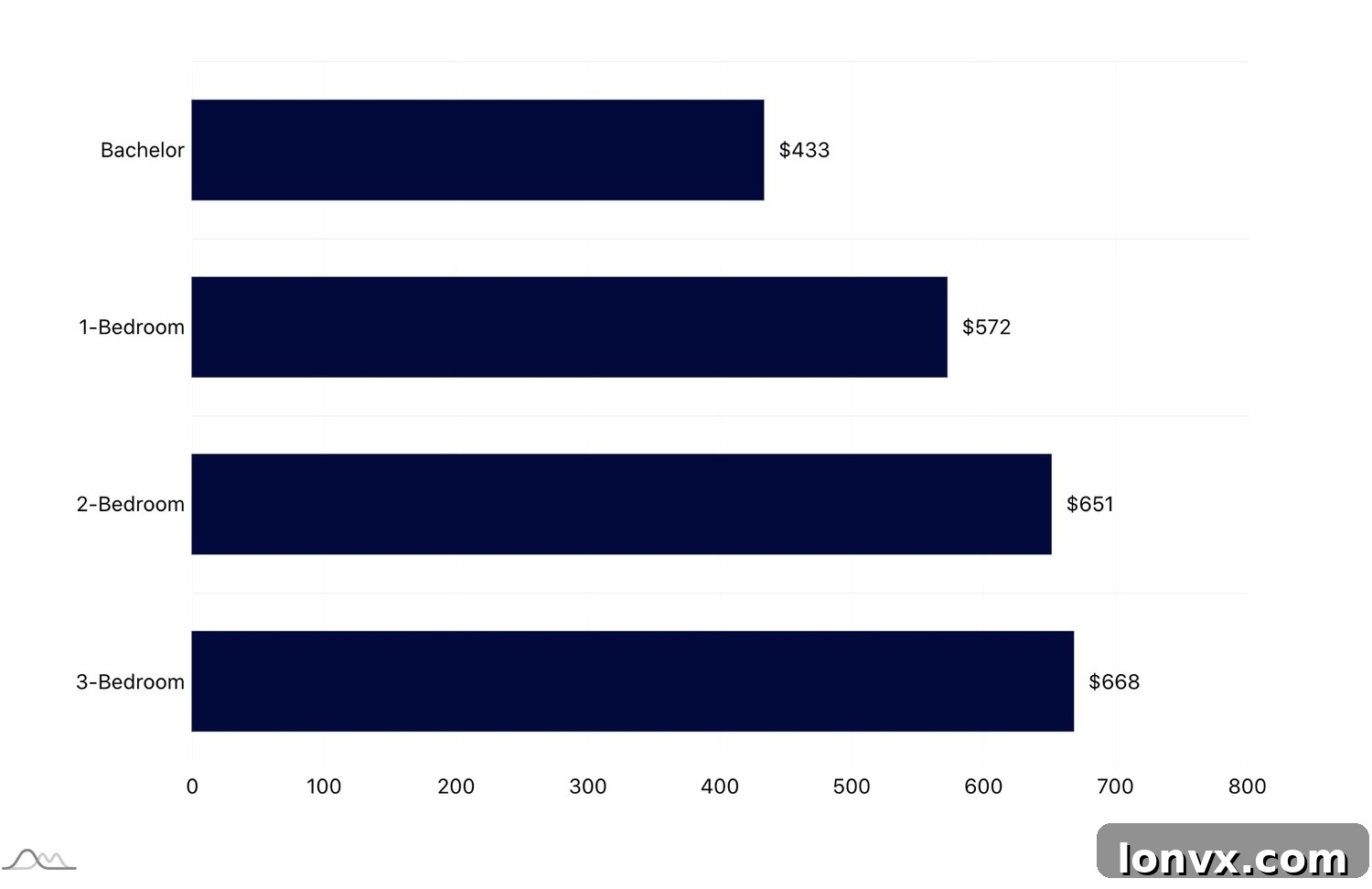
Beyond the physical condition of the housing stock, the CMHC report also sheds light on the relentless upward pressure on rental prices, which continues to outpace wage growth for many Canadians and deepen the national housing affordability crisis. Between 2019 and 2024, the national average rents for social and affordable housing units experienced substantial increases across most unit types, mirroring trends in the broader private rental market.
One-bedroom units, a common entry point for single individuals and couples, saw their average rents climb by approximately 16 per cent. This significant jump means that even in subsidized housing, tenants are facing tougher financial strains. The situation is even more pronounced for two-bedroom units, which experienced an average rent increase of a staggering 22 per cent over the same period. This rise directly impacts families and shared households, making it increasingly difficult for them to secure stable and affordable accommodation.
The largest percentage increase was observed in units with three or more bedrooms, often essential for larger families or multi-generational households. For these larger units, average rents soared by an alarming 30 per cent. This particular increase is especially concerning given the acute shortage of family-sized affordable housing across Canada, forcing many into overcrowded conditions or further out of urban centers where jobs and services are concentrated.
Amidst these widespread increases, bachelor units presented a unique, though slight, deviation from the trend, experiencing a modest average rent decline of four per cent. While this might offer a glimmer of relief for some single occupants, it stands in stark contrast to the significant pressures faced by other unit types. The reasons for this anomaly could be multifaceted, potentially reflecting a shifting demand for very small units, a relative oversupply in some specific sub-markets, or perhaps a lower baseline rent that makes percentage changes less impactful in absolute dollar terms. Nevertheless, this isolated decline does little to offset the overwhelming increases felt across the vast majority of the affordable housing spectrum, highlighting the severity of the affordability challenges facing most renters in Canada’s social and affordable housing sector.
Diverse Management Models Drive Canada’s Social and Affordable Housing Sector
The effective management and sustainable operation of social and affordable housing units are as critical as their initial construction. The recent CMHC survey provides valuable insight into the diverse organizational structures responsible for overseeing these essential homes, highlighting a mixed-model approach that combines public, non-profit, and cooperative efforts.
The majority of Canada’s social and affordable housing units, accounting for a significant 53 per cent of the total, are managed directly by various levels of government. This substantial involvement underscores the public sector’s foundational role in providing and maintaining housing for those most in need. Government management often comes with specific policy objectives, direct funding mechanisms, and accountability structures aimed at ensuring equitable access and adherence to affordability mandates. However, it can also be susceptible to political cycles and bureaucratic inefficiencies, impacting the responsiveness to tenant needs and the agility in addressing maintenance backlogs.
Beyond direct government oversight, non-profit organizations play a vital role, managing 26 per cent of the surveyed units. These organizations, often driven by a social mission rather than profit, are typically adept at community engagement, tenant support services, and leveraging various funding streams, including grants and donations. Their localized approach often allows for a more tailored response to specific community needs and vulnerabilities, fostering stronger tenant-landlord relationships and building community resilience. Non-profit models are frequently lauded for their efficiency and commitment to residents, often reinvesting any surplus back into the housing stock or services.
Housing cooperatives contribute another crucial layer to the management landscape, responsible for seven per cent of units. Cooperatives operate on a unique model where residents are often members and have a democratic say in the management and operation of their housing. This model fosters a strong sense of community, shared responsibility, and resident empowerment. While offering significant benefits in terms of resident engagement and affordability, co-ops can sometimes face challenges related to financial sustainability, member turnover, and the need for robust governance structures.
The remaining 17 per cent of units are managed by private companies or through complex partnerships. These partnerships often involve a combination of government entities, non-profit organizations, and private actors, blurring the traditional lines of ownership and responsibility. While private sector involvement can bring efficiency, capital, and expertise, it also necessitates careful oversight to ensure that social objectives and affordability commitments are met. These mixed models reflect an evolving approach to addressing housing needs, seeking to combine the strengths of different sectors.
When it comes to the crucial aspect of funding, government entities remain the primary contributors across the board. This highlights the indispensable role of public investment in the creation, maintenance, and long-term viability of social and affordable housing in Canada. Without sustained and substantial government funding, the capacity of non-profits, cooperatives, and even private partners to deliver genuinely affordable housing solutions would be severely limited. The report implicitly emphasizes that while diverse management models offer operational flexibility, the underlying financial backbone for Canada’s social housing sector continues to rely heavily on public sector commitment, a commitment that must be strengthened to address the growing challenges of aging infrastructure and rising operational costs.