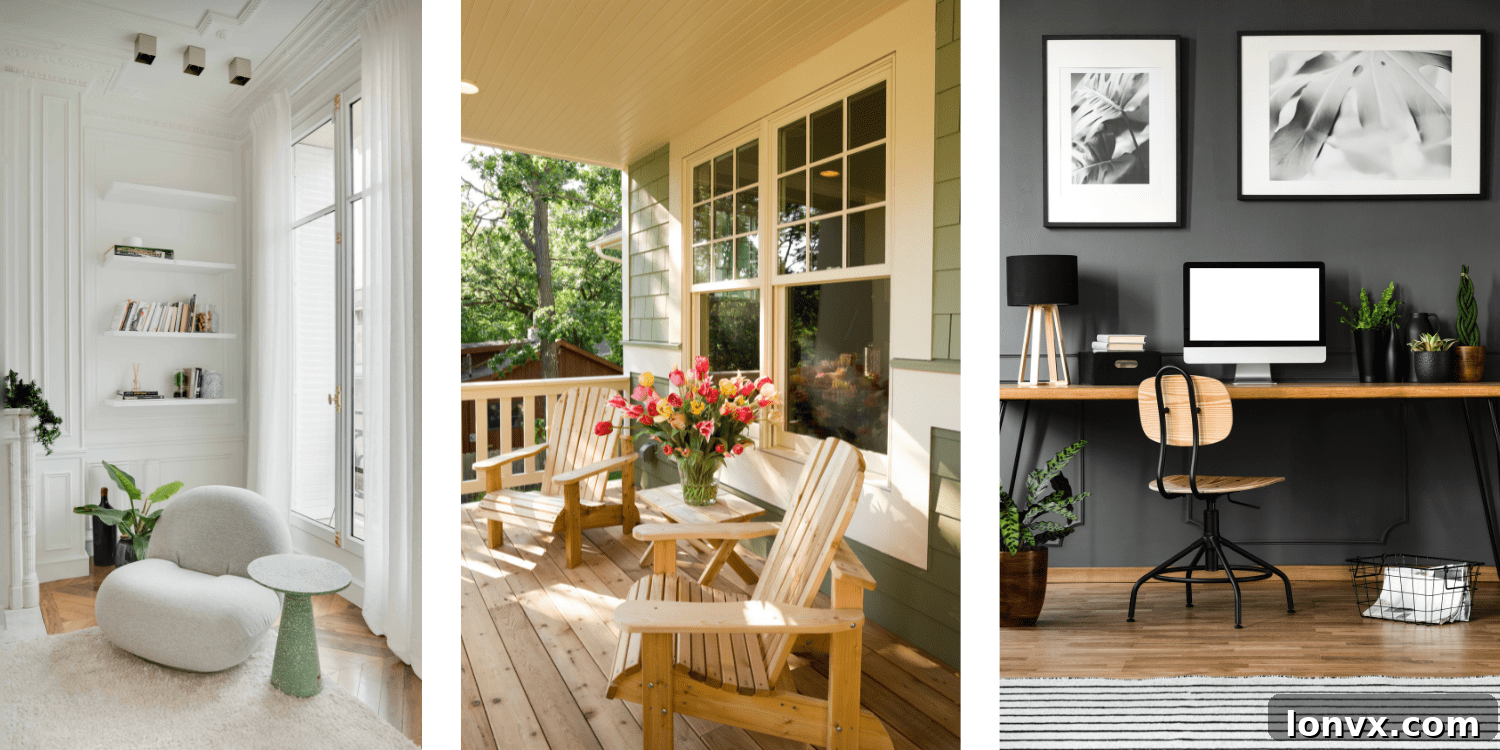
Welcome, esteemed real estate professionals! In today’s competitive property market, captivating potential buyers and maximizing property value are more crucial than ever. This column serves as your essential resource for mastering the art and science of home staging. Whether you’re aiming to elevate your listings’ visual appeal, streamline your sales process, or simply understand how to make every property shine, you’ve arrived at the right destination. We invite you to submit your most pressing staging questions, big or small, and receive expert, complimentary advice tailored to your needs. If it’s about transforming a space and boosting its market potential, we want to hear from you and provide the guidance you need. Send your questions to [email protected].
One of the most common and critical questions real estate agents and sellers face is: Can effective home staging truly be customized to fit diverse budgets and meet the specific requirements of every seller? The resounding answer is yes. Strategic home staging is inherently flexible, capable of being meticulously adjusted to accommodate a wide spectrum of financial constraints while consistently enhancing a property’s desirability for prospective buyers. This adaptability makes staging not just a luxury but a fundamental component of a successful sales strategy for any property type.
Home staging stands as an exceptionally powerful marketing tool, proven to significantly influence a property’s sale price and dramatically reduce its time on the market. For these compelling reasons, investing in staging is almost always a worthwhile endeavor. However, the real art lies in tailoring this invaluable service to align with various financial scenarios. This comprehensive guide will delve into how you can effectively leverage flexible staging solutions, ensuring they meet both diverse budgets and unique seller needs. We will provide practical, actionable tips, accompanied by a clear outline of the pros and cons for each solution. Starting with the most budget-friendly options, we’ll navigate through the spectrum of staging services to help you make informed decisions.
1. Staging Consultation: Empowering Sellers on a Budget
For sellers operating with a more limited budget, a comprehensive DIY staging consultation presents itself as an incredibly cost-effective and empowering solution. In this scenario, professional home stagers conduct a thorough walkthrough of the property, subsequently providing a detailed, room-by-room report. This report is packed with actionable steps and expert recommendations that homeowners can implement themselves. This approach allows sellers to tap into invaluable professional advice and design insights without incurring the higher costs typically associated with full-service staging, putting the power of transformation directly into their hands.
A professional home staging consultation typically encompasses a wide array of expert guidance, including: precise decluttering strategies to maximize space and minimize distractions; optimal furniture arrangement advice to enhance flow and highlight architectural features; and creative suggestions for inexpensive yet impactful updates, such as the strategic placement of new throw pillows, a fresh coat of paint in a neutral tone, or updated hardware. The total cost for such a consultation generally ranges from $250 to $500, which is a mere fraction of the expense for full-service staging. Yet, if homeowners diligently follow all the expert advice provided, their property can still achieve a beautifully presented and market-ready appearance, significantly improving its appeal to potential buyers. Most reputable stagers readily offer this accessible and affordable solution, recognizing its value in catering to a broader client base.
Pros:
- Exceptional Cost-Effectiveness: A minimal upfront investment yields professional guidance that can significantly impact a home’s marketability without breaking the bank.
- Professional, Step-by-Step Guidance: Homeowners receive clear, detailed instructions and a personalized action plan from an industry expert, ensuring they know exactly what to do.
- Flexibility and Control: Sellers have the autonomy to implement changes at their own pace and according to their schedule, which can be ideal for busy individuals or those who prefer a hands-on approach.
- Skill Development: Homeowners gain valuable insights into design principles and property presentation that can be applied to future homes or projects.
Cons:
- Requires Significant Homeowner Effort and Time: The success of this approach hinges entirely on the seller’s commitment and ability to execute the recommendations, which can be time-consuming and physically demanding.
- Potential for Delays: If homeowners are unable to execute the staging tasks promptly, the listing process can be delayed, potentially impacting market timing.
- May Lack Professional Polish: While effective, DIY staging may not achieve the same level of seamless perfection and high-end finish that professionally executed staging offers, often due to a lack of professional inventory or an untrained eye for detail.
- Results are Variable: The ultimate impact is directly dependent on the homeowner’s artistic aptitude, discipline, and ability to follow through precisely with the professional’s recommendations.
2. Virtual Staging: The Digital Edge for Online Listings
Virtual staging represents an innovative, technologically advanced, and highly budget-friendly alternative to traditional physical staging. This technique involves digitally enhancing images of empty, sparsely furnished, or even outdated rooms by overlaying virtual furniture, decor, and accessories. The result is a series of visually compelling and aspirational online listings that can dramatically transform a property’s digital presence. With the proliferation of user-friendly apps and advanced software today, it’s increasingly possible to create your own virtually staged photos, making this solution even more accessible. The cost for virtual staging typically ranges between $50 and $150 per photograph, making it an incredibly cost-efficient option for enhancing online marketing.
Pros:
- Highly Cost-Effective: Significantly cheaper than physical staging, making it an excellent choice for budget-conscious sellers or properties with limited staging funds.
- Remarkably Quick and Easy to Implement: Digital staging can be completed in a matter of days, often hours, allowing for rapid deployment of attractive online listings without the logistical challenges of moving furniture.
- Ideal for Online Listings: Transforms empty or unappealing spaces into warm, inviting environments that capture buyer attention and generate more interest digitally.
- Versatility and Customization: Allows for endless design possibilities, enabling sellers to showcase various styles or target different buyer demographics without physical changes.
- No Physical Disruption: Sellers don’t need to move out or contend with furniture deliveries and arrangements, minimizing inconvenience.
Cons:
- Limited to Digital Viewing: The primary drawback is that its effectiveness is confined solely to online platforms. Physical showings of the property may lead to significant disappointment if potential buyers arrive expecting to see the virtually staged look.
- Potential for Buyer Disappointment: Buyers might feel misled or even tricked if the actual home appears significantly different (e.g., empty, smaller, less appealing) in person compared to the staged images, potentially damaging trust.
- Cannot Address Physical Imperfections: Virtual staging cannot fix or conceal real-world issues such as peeling paint, worn carpets, poor lighting, or structural flaws. Buyers will still see these imperfections during an in-person visit.
- Ethical Considerations: Some argue that virtual staging can be deceptive if not clearly disclosed, making transparency crucial to manage buyer expectations.
3. Showcasing/Photo-Prep Staging: Maximizing Existing Assets
Showcasing staging, often referred to as photo-prep staging, is another highly budget-friendly option that ingeniously utilizes only the homeowner’s existing belongings to prepare a property for sale. Distinct from traditional staging, which typically involves the rental of furniture and accessories, showcasing staging pivots its focus entirely on strategically rearranging, decluttering, and enhancing what is already present and available within the home. This method highlights the potential of existing items and leverages the seller’s investment in their furniture and decor.
While the stager may occasionally recommend the acquisition of a few minor, inexpensive items—such as a fresh plant, new towels, or a contemporary piece of art—the primary cost associated with this service is the stager’s valuable time and specialized expertise. This approach empowers homeowners to benefit significantly from professional staging services without the substantial expense of furniture rentals or extensive purchases, often costing less than $1,000. It’s an ideal solution for sellers who have well-maintained furnishings and need professional guidance to present them in the best possible light for marketing materials and showings.
Pros:
- Highly Affordable: Typically costing under $1,000, it provides professional staging benefits at a fraction of the cost of full staging.
- Utilizes Existing Furniture and Decor: This minimizes disruption to the homeowner’s life and avoids the hassle and cost of renting or moving new furniture.
- Quick and Easy to Implement: Changes can often be made in a single day or two, allowing the property to be market-ready much faster.
- Adds a Personal (but Neutral) Touch: By optimizing existing items, the home can feel both professionally prepared and authentically lived-in, resonating with buyers seeking warmth.
- Eco-Friendly: Reduces waste and the need for new materials, aligning with sustainable practices.
Cons:
- Limited by the Quality and Style of Homeowner’s Belongings: The ultimate aesthetic appeal is constrained by the condition, style, and quantity of the seller’s existing furniture and decor. Outdated or mismatched items can hinder the desired outcome.
- May Not Achieve the Same Polished Look: While improved, it might not reach the high-gloss, aspirational perfection of traditional staging that uses curated, modern rental pieces.
- Potential Buyers May Struggle to Visualize Full Potential: If the existing furnishings are very specific to the homeowner’s taste, some buyers might find it harder to envision their own lives and decor in the space.
- Less Flexibility in Creating a Universally Appealing Aesthetic: The stager’s options are limited to what’s available, making it harder to craft a broad, market-appealing look compared to a curated inventory.
4. Occupied Staging: Harmonizing Life and Sale
Occupied staging offers a smart, balanced approach, skillfully leveraging the seller’s existing furniture and decor while strategically enhancing it with select rented items as needed. This flexible strategy means that, depending on the property’s specific requirements and the desired impact, it might involve adding just a few strategic accessories like artwork, rugs, or decorative accents, or it could incorporate some key rental furniture pieces to fill gaps or upgrade specific areas, such as a modern sofa in the living room or a stylish bed in the master suite.
This option is perfectly suited for sellers who intend to continue living in their homes throughout the sale process but are committed to elevating the overall appeal and market readiness of their space. With the right blend of professional accents and expert guidance, occupied staging can powerfully highlight the property’s most desirable features, making it significantly more attractive and memorable to potential buyers. It’s about optimizing the lived-in look, rather than completely transforming it. The cost for occupied home staging can vary, typically ranging from $1,500 to $3,500, depending on the extent of rental items and professional time required.
Pros:
- Cost-Efficient Use of Existing Furniture: By incorporating the seller’s current furnishings, this method significantly reduces overall staging costs compared to fully vacant staging.
- Allows Sellers to Remain in Their Home: This is a crucial benefit for sellers who cannot, or prefer not to, move out during the listing period, minimizing disruption to their daily lives.
- Professional Touches Enhance Charm: The strategic addition of professional accessories and minimal rental items can inject a sophisticated, updated charm into the home, making it feel current and inviting.
- Maintains a Sense of Warmth: A lived-in home, when professionally staged, can often feel more welcoming and less sterile than a completely vacant property.
Cons:
- Limited by Quality and Style of Existing Furniture: The effectiveness can be hampered if the existing furniture is outdated, too personal, or in poor condition, potentially requiring more rented items than initially planned.
- Potentially Disruptive for Occupants: While less disruptive than moving out, living in a staged home requires maintaining its pristine condition, often involving daily tidying and careful living, which can be stressful.
- May Not Achieve Maximum Polish: While improved, an occupied home may struggle to reach the flawless, aspirational level of polish and universal appeal achievable with a fully staged, vacant property.
- Decluttering is Still Key: Even with professional help, sellers must commit to significant decluttering and depersonalization, which can be challenging emotionally and practically.
5. Partial Staging: Strategic Impact Where It Counts Most
Partial staging represents a highly versatile and strategic approach that can be effectively applied to both occupied and vacant properties. This method focuses on enhancing only the most crucial areas of a home, maximizing impact and buyer perception without the expense of staging every single room. It’s about making smart choices to direct buyer attention and create key emotional connections.
For occupied homes, partial staging typically involves adding or rearranging a select assortment of furniture and accessories. This might include updating a living room with modern accents, refining a dining area to suggest an elegant lifestyle, or enhancing a master bedroom for a serene retreat. This service generally ranges from $1,000 to $2,000, making it an accessible upgrade for homeowners looking to make a significant impression. In the context of vacant properties, partial staging often entails furnishing core, high-impact areas. These typically include the living room, dining room, and primary suite, as these spaces are critical for helping potential buyers visualize scale, function, and a desirable lifestyle. The investment for this level of staging usually falls between $3,000 and $5,000, providing essential anchor points for buyers to envision the home’s full potential. This focused approach is ideal for sellers who wish to strategically highlight the home’s best features and create a compelling narrative without incurring the full expense of staging the entire property.
Pros:
- Highlights Key Areas: Strategically focuses resources on the rooms that create the strongest emotional impact and influence buyer decisions, such as the living room, kitchen, and master bedroom.
- More Affordable than Full-Service Staging: Offers a significant cost saving while still delivering a professional, impactful presentation in critical spaces.
- Effective in Showcasing Best Features: By concentrating efforts, stagers can ensure that the home’s unique selling points and most appealing aspects are prominently displayed.
- Reduces Overwhelm: For both sellers and stagers, focusing on fewer areas can streamline the process and make it feel more manageable.
Cons:
- Other Areas May Appear Less Appealing: Unstaged rooms might appear neglected, empty, or inconsistent with the staged areas, potentially creating an uneven impression.
- Potential Buyers Might Feel the Home is Incomplete: Especially in vacant properties where only a few rooms are staged, buyers might struggle to envision the functionality or potential of the remaining empty spaces.
- Limited Impact in Competitive Markets: While effective, focusing on selected spaces might not be sufficient to stand out in highly competitive real estate markets where buyers expect a fully polished product.
- Inconsistency in Flow: The aesthetic flow between staged and unstaged areas can sometimes be jarring, detracting from a cohesive overall experience.
6. Full-Service Staging for Maximum Impact: The Gold Standard
For sellers who are truly seeking to create a maximum impact and possess a more generous budget, full-service staging offers the most transformative and comprehensive approach, dramatically enhancing a property’s appeal to the widest possible audience. This all-encompassing solution is particularly effective and recommended for vacant properties, where it orchestrates the complete furnishing and decoration of all indoor spaces, and often extends to outdoor areas as well, creating a seamless and aspirational lifestyle presentation.
The investment for fully staging a typical four-bedroom property with a finished basement, which requires extensive inventory and meticulous design, generally ranges from $6,000 to $10,000. This cost reflects the high level of detail, the professional expertise of the design team, the quality and quantity of curated furnishings, and the logistical coordination involved in presenting the home in the absolute best possible light. Full-service staging aims to create an aspirational environment that potential buyers can emotionally connect with, often leading to faster sales and higher offers.
Pros:
- Comprehensive and Cohesive Look: Ensures a harmonious design aesthetic and consistent visual appeal throughout the entire property, creating a powerful, unified impression.
- Professional Execution and High-Quality Presentation: Handled by expert stagers with access to a wide inventory of contemporary and appealing furniture and decor, guaranteeing a premium, magazine-worthy look.
- Maximizes Appeal and Potential Sale Price: Full staging consistently delivers the highest return on investment, attracting more buyers, generating competitive offers, and often resulting in a quicker sale at or above asking price.
- Eliminates Guesswork for Buyers: Helps buyers visualize how each space can be utilized, defining functionality and showcasing scale, which is especially vital in vacant homes.
- Strongest Emotional Connection: Creates an aspirational lifestyle environment that buyers can emotionally connect with, making the property feel like their dream home.
Cons:
- Highest Cost: The most significant investment among all staging options, which might not be feasible for all sellers.
- Requires More Coordination and Time: Involves extensive planning, furniture delivery, installation, and eventual de-staging, which demands more logistical effort and time commitment.
- Might Be Overkill for Certain Markets: In very hot seller’s markets or for lower-priced properties, the extensive investment might not yield a proportional return compared to more budget-friendly options.
- Less Flexible for Personalization: The goal is universal appeal, meaning any personal touches are removed to allow buyers to project themselves into the space.
The Real Estate Agent’s Advantage in Staging
As a real estate professional, understanding and effectively communicating these diverse staging options to your clients is a powerful differentiator. It allows you to offer tailored advice, manage expectations, and provide tangible value that extends beyond simply listing a property. Guiding sellers through the staging process, regardless of their budget, positions you as a knowledgeable and client-centric agent. It equips you with the tools to address common seller objections regarding staging costs, by providing viable, flexible solutions. Furthermore, by ensuring every listing is presented in its best light, you not only increase your chances of a swift and profitable sale for your clients but also enhance your own professional reputation and portfolio.
Conclusion: Tailored Staging for Every Seller
In conclusion, tailoring home staging solutions to suit different budgets and seller needs is not merely possible—it is absolutely essential for unlocking a property’s maximum market potential. By offering a comprehensive range of staging options, from insightful, budget-friendly consultations to sophisticated, full-service transformations, real estate professionals can ensure that every seller has the opportunity to present their home in the most compelling and attractive light possible. Through a deep understanding and proactive accommodation of various financial constraints and property types, you will empower your sellers to achieve successful and often expedited sales, regardless of market conditions. Embrace these flexible staging strategies, and watch as your listings consistently outperform, bringing greater satisfaction to your clients and bolstering your standing in the industry.
Remember, the goal is always to create an emotional connection with potential buyers, allowing them to envision themselves living in the home. Whether through a minor refresh or a complete overhaul, smart staging is an investment that consistently pays dividends.
Got more burning home staging questions for a future column? Don’t hesitate to submit them directly to [email protected]. We look forward to helping you navigate the exciting world of real estate presentation!
Enjoying this article? Get the latest REM articles in your inbox 3x a week so you stay up to date on the latest in the Canadian real estate industry.