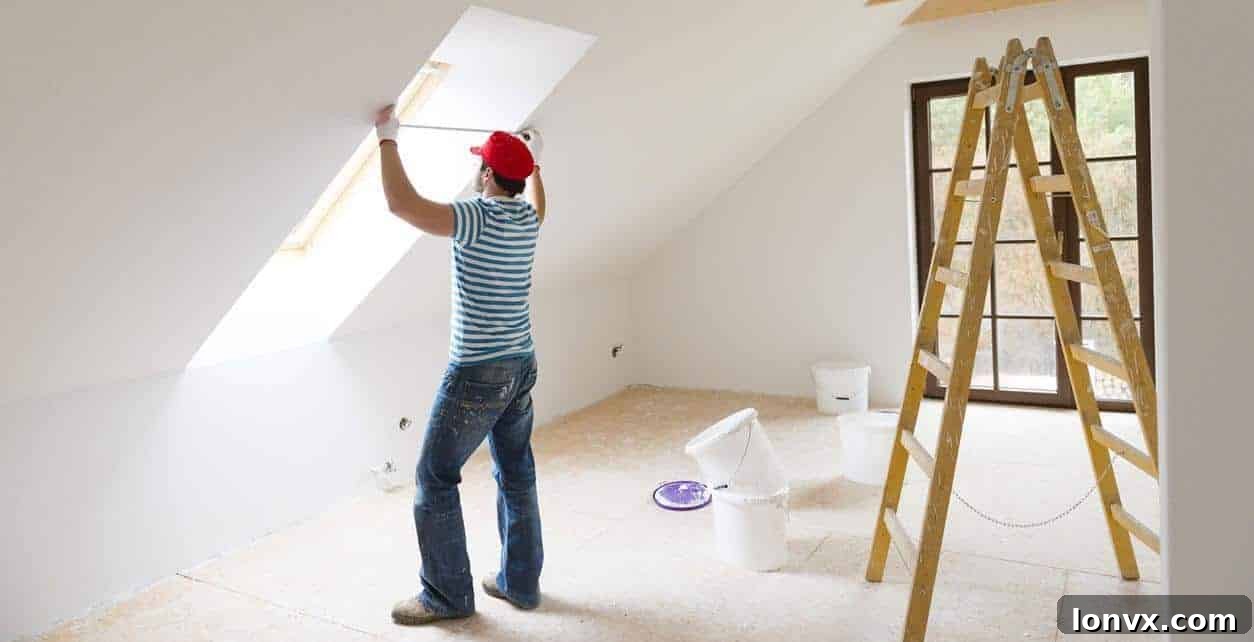
If These Walls Could Talk: Unveiling the Hidden Secrets of Your Dream Home
The timeless adage, “if these walls could talk,” usually evokes images of grand, historic buildings, silently bearing witness to centuries of human drama. These venerable structures, having long outlived their original inhabitants, would undoubtedly possess a wealth of incredible stories, echoing tales of joy, sorrow, triumphs, and tribulations within their sturdy frames. Imagine the historical insights, the forgotten secrets, and the vibrant narratives they could share if only they had a voice to converse with new occupants.
But what if this enchanting concept wasn’t limited to ancient edifices? What if the walls of a seemingly perfect, freshly listed home could speak their minds? As potential purchasers leisurely stroll through, admiring the gleaming surfaces and envisioning their future, what hidden truths would these silent observers divulge? Would their candid revelations be a welcome transparency, guiding buyers toward an informed decision, or would their brutal honesty necessitate a figurative muzzle, protecting the delicate illusion of perfection?
In the competitive world of real estate, appearances can be deceiving. A fresh coat of paint, strategically placed staging furniture, and a well-manicured lawn can often mask underlying issues that could transform a dream home into a financial nightmare. While sellers are legally obliged to disclose certain known defects in many jurisdictions, some problems remain hidden, either intentionally or due to the sellers’ own unawareness. This is where the whimsical idea of talking walls becomes a powerful metaphor for the crucial due diligence every prospective homeowner must undertake.
Join us on a hypothetical journey as we listen in on a few revealing conversations between eager homebuyers and the very walls of the property they are considering. These scenarios, though exaggerated for humorous effect, highlight very real issues that can plague unsuspecting buyers.
The Whispers from the Structure: What Your Potential Home Might Be Hiding
Buying a home is arguably the most significant investment most people will make in their lifetime. It’s an emotional process, often fueled by dreams and aspirations. However, it’s equally a financial transaction that demands meticulous attention to detail and a pragmatic approach. Beyond the aesthetic appeal, a home is a complex system of intertwined structures, utilities, and components, each with its own lifespan and potential vulnerabilities. The true character of a property often lies beneath the surface, hidden from the casual observer.
This playful exploration into the “mind” of a house serves as a stark reminder that what meets the eye isn’t always the full story. From the foundational integrity to the electrical wiring, plumbing systems, and even the quality of past renovations, every element contributes to the home’s overall health and value. Ignoring these underlying aspects can lead to costly repairs, health hazards, and immense stress down the line. Let’s delve into some common pitfalls through the unfiltered perspective of the home’s most intimate observers: its walls.
A Fictional Dialogue with a Real-World Lesson
Potential buyer: “Boy, I love the smell of this second storey – so warm and inviting! I can’t quite put my finger on it, but it seems downright appetizing! There’s a comforting, almost buttery aroma that fills the air.”
Walls: “That delightful scent, my dear buyer, isn’t from potpourri or a freshly baked pie. It might be because the current owners, in a questionable attempt to cut costs, opted not to spend money on professional blow-in insulation. Instead, they creatively (and recklessly) filled the attic with bags of popped popcorn. If you buy this joint, I hope you have a strong attachment to raccoons, squirrels, and various other rodents, because they’ve already moved in and are enjoying a never-ending snack bar upstairs. Plus, prepare for exorbitant heating and cooling bills, as popcorn is a terrible insulator!”
Potential buyer: “Look, Sally! They’ve got plugs on the wall, plugs on the counter, plugs by the landing, plugs everywhere! We can plug in ALL of our electronics easily! This house is perfectly set up for our modern, tech-heavy lifestyle. No more fighting over outlets!”
Walls: “Good luck with that, Bob. While the sheer quantity of outlets might seem convenient, every single outlet in this entire house is, in fact, jury-rigged onto one single, ancient breaker. As soon as you try to brew your morning coffee, run the toaster, and open the fridge door at the same time, your oven will likely explode, your lights will flicker out, and you’ll be plunged into darkness. This isn’t just an inconvenience; it’s a serious fire hazard and a prime example of electrical work that is far from code compliant. A complete electrical overhaul will be in your future, and it won’t be cheap.”
Potential buyer: “Jerry, listen to this floorboard – can you hear the creaking? It sounds a bit like an old ship, adding a certain rustic charm, wouldn’t you say?”
Walls: “Creaking? My dear friend, that’s not rustic charm; it’s the ominous soundtrack of a structural compromise in progress. The termites have darn-near chewed their way through every single piece of lumber supporting the subfloor under that carpet. If you jump for joy when you move in, celebrating your new purchase, you’ll likely discover a new, unplanned shortcut straight to the rec room downstairs, or worse, end up in the crawl space. This isn’t just a squeak; it’s a structural time bomb that will require extensive and expensive remediation to ensure your safety.”
Potential buyer: “What a beautiful view of the yard from the kitchen! I wonder how we could develop that into a true oasis, perhaps with some lovely flower beds and a small vegetable patch?”
Walls: “Well, don’t go digging too deep out there if you value your peace of mind. I recall a count of about 30 goldfish, five or six hamsters, a few unfortunate parakeets, and a couple of turtles all buried in shoeboxes and old coffee cans around the yard. This could quickly become the Dr. Doolittle version of The Mummy if you poke around too much with a shovel. You might unearth a veritable pet cemetery and a whole host of unexpected ecological considerations. Plus, you never know what other debris or hazardous materials might have been buried out there over the years.”
Potential buyer: “There sure seem to be a lot of upgrades in here. The new kitchen cabinets, the refreshed bathroom fixtures, the fresh paint… Do you think the owner had a professional contractor do all of those, up to code, and with proper permits?”
Walls: “HA HA HA HA HA! Does watching ‘Tim The Tool Man Taylor’ for DIY inspiration count as due diligence? Many of these “upgrades” were ambitious weekend projects undertaken by the owner with little to no professional experience, proper tools, or understanding of building codes. Those beautiful new cabinets might just be screwed directly into drywall without proper backing, and that sleek new shower head might be plumbed incorrectly, leading to leaks within my very own structure. Prepare for unexpected repairs, potential water damage, and a battle with local inspectors if you ever try to resell.”
Potential buyer: “These walls have a very unique color – it’s quite striking! Can you find out which brand of paint the sellers applied so that we can match it if we want to use the same color somewhere else in the home, or for touch-ups?”
Walls: “Unique, indeed! That delightful hue, my friend, is none other than ‘Costco Mayonnaise, King-Sized Pail.’ Yes, you heard me correctly. It’s also surprisingly delightful on ham and cheese sandwiches, apparently. The sellers believed it was a cost-effective alternative to actual paint. Not only will you struggle to find a matching ‘color code,’ but you might also notice a peculiar sheen and a susceptibility to attracting flies. Good luck trying to clean it without stripping it right off the wall!”
Potential buyer: “It doesn’t look like there’s been any flooding in this basement, even though we are smack-dab in the worst flood plain area of the city. How is that even possible? It seems remarkably dry and pristine down here.”
Walls: “Ah, the basement’s ‘dryness’ is a masterclass in creative concealment! The previous owners, keen to hide the periodic aquatic adventures, added a deceptive layer of milk crates and old pallets under the carpet. If you were to pull it back, perhaps on a particularly humid day, you would enjoy a lovely koi pond, complete with a wide assortment of watershed greenery and a thriving ecosystem of mold and mildew. And that’s just in the shallow end! The structural integrity of the foundation has been compromised by years of standing water, and a major renovation of your drainage system and waterproofing will be inevitable. The smell of damp earth and hidden despair comes free of charge!”
Potential buyer: “Is it just me, or does the floor seem to be sloping slightly in this corner of the living room? Perhaps it’s an optical illusion?”
Walls: “Sloping is a very generous consideration, my friend. An optical illusion it is not. The groundhogs, and possibly a family of badgers, have pretty much tunneled out everything below the foundation in that area over the past decade. If your plan was to recreate the Leaning Tower of Pisa in a modest suburban bungalow, you’re in luck! This isn’t just an uneven floor; it’s a symptom of severe foundation instability that will require extensive and incredibly expensive underpinning or piering to correct. Ignoring it means risking further structural damage and potentially the collapse of parts of the house.”
Potential buyer: “Hello walls! What a beautiful home, and you know, these walls in particular seem to be the best part of the whole house. We’re gonna love it in here!”
Walls: “You sweet talker. Welcome home! (And good luck with everything you just bought!)”
Why a Home Inspection is Non-Negotiable
The humorous scenarios above, while fictionalized, underscore a vital truth: you can’t rely solely on what you see or what sellers tell you. This is precisely why a professional home inspection is not merely recommended but absolutely essential. A certified home inspector acts as your unbiased third party, a pair of expert eyes trained to spot the issues that are invisible to the untrained eye. They meticulously examine hundreds of components, from the roof to the foundation, looking for signs of distress, code violations, safety hazards, and potential future problems.
A comprehensive home inspection typically covers:
- Structural Components: Foundation, walls, ceilings, and roof structure.
- Exterior: Siding, eaves, soffits, fascia, grading, drainage, driveways, walkways, and patios.
- Roofing: Shingles, flashing, gutters, downspouts, and overall roof condition.
- Plumbing System: Water supply, drains, waste, vent systems, water heaters, and fixtures.
- Electrical System: Service entrance, panels, breakers, wiring, outlets, and light fixtures.
- Heating, Ventilation, and Air Conditioning (HVAC): Furnaces, air conditioners, ductwork, and thermostats.
- Interior: Walls, ceilings, floors, windows, doors, stairs, railings, and kitchen appliances.
- Insulation and Ventilation: In the attic, walls, and crawl spaces.
- Fireplaces and Chimneys: Visible components and functionality.
- Basement/Crawl Space: Evidence of moisture, structural concerns, and proper ventilation.
The inspector’s report provides a detailed overview of the property’s condition, highlighting necessary repairs, safety concerns, and areas that might require future attention. This report empowers you with crucial information, allowing you to negotiate repairs with the seller, adjust your offer, or, if necessary, walk away from a deal that might be too costly to maintain.
Beyond the Paint: Key Red Flags for Buyers
While an inspector is indispensable, being an informed buyer means also developing your own keen eye for potential red flags during showings. Here are some signs that should prompt further investigation and questions:
- Fresh Paint Everywhere: While appealing, fresh paint can sometimes be used to cover up water stains, mold, or cracks.
- Strange Odors: Musty smells could indicate mold or mildew, especially in basements or bathrooms. A strong air freshener scent might also be trying to mask something.
- Uneven Floors or Cracks: Beyond simple creaks, noticeably sloping floors or large cracks in walls or ceilings can signal foundation issues.
- Water Stains: Look for water stains on ceilings, walls, or around windows, which indicate leaks.
- Obvious DIY Fixes: Unprofessional-looking repairs, mismatched materials, or exposed wiring can be signs of code violations and underlying problems.
- Poor Drainage Outside: Standing water near the foundation after rain suggests improper grading, which can lead to basement flooding.
- Sagging Ceilings: A sagging ceiling could indicate roof leaks, structural problems, or heavy items stored in the attic.
- Visible Pests: Although rare during a showing, any sign of rodents or insects (droppings, gnaw marks) warrants concern.
- Blocked Access: If parts of the attic, basement, or crawl space are inaccessible or blocked, ask why.
The Power of Seller Disclosure and Due Diligence
In many regions, sellers are legally obligated to provide a disclosure statement outlining known defects or issues with the property. Buyers should review this document meticulously and ask follow-up questions about anything unclear. However, a disclosure statement is only as good as the seller’s knowledge and honesty. This is why due diligence on the buyer’s part is so critical.
Due diligence involves more than just a home inspection. It includes:
- Reviewing all available documents: Such as previous inspection reports, repair records, utility bills (to gauge energy efficiency), and property surveys.
- Understanding local zoning and regulations: To ensure your plans for the property are feasible.
- Researching the neighborhood: Including schools, crime rates, property values, and future development plans.
- Getting quotes for potential repairs: To understand the financial implications of any issues identified.
Empowering yourself with information minimizes risk and prevents unpleasant surprises post-purchase. Never feel pressured to rush this crucial stage of the home-buying process.
Making an Informed Decision: Your Path to a Happy Home
Buying a home is an exhilarating journey, filled with the promise of new beginnings and personal spaces. However, it’s also a significant financial commitment that demands prudence and thorough investigation. While the idea of talking walls remains a charming fantasy, the practical reality is that you must become the detective, the skeptic, and the informed decision-maker.
By investing in a professional home inspection, paying attention to red flags, and diligently researching all aspects of the property, you transform from a starry-eyed dreamer into a savvy homeowner. These proactive steps ensure that your dream home doesn’t harbor costly secrets and that your investment is sound. So, listen carefully – not just to the silence of the walls, but to the expert advice and insights that will truly tell you the story of your potential new home. Your future self (and your wallet) will thank you.