Navigating Condo Security: Understanding Bylaws, Privacy, and the Lupuliak v Condominium Plan Decision
The increasing accessibility and affordability of personal security devices have brought new complexities to communal living spaces, particularly condominiums. While these technologies offer residents peace of mind, their installation often intersects with community bylaws and individual privacy rights. A recent landmark decision by the Court of Queen’s Bench of Alberta, Lupuliak v Condominium Plan No 8211689, 2022 ABQB 65, has shed critical light on the delicate balance required when unit owners install security cameras in condominium complexes. This case provides invaluable guidance for both condo owners seeking to enhance their security and condominium corporations striving to uphold community standards and protect residents’ privacy.
The Genesis of a Condo Dispute: Lupuliak’s Security Camera Installation
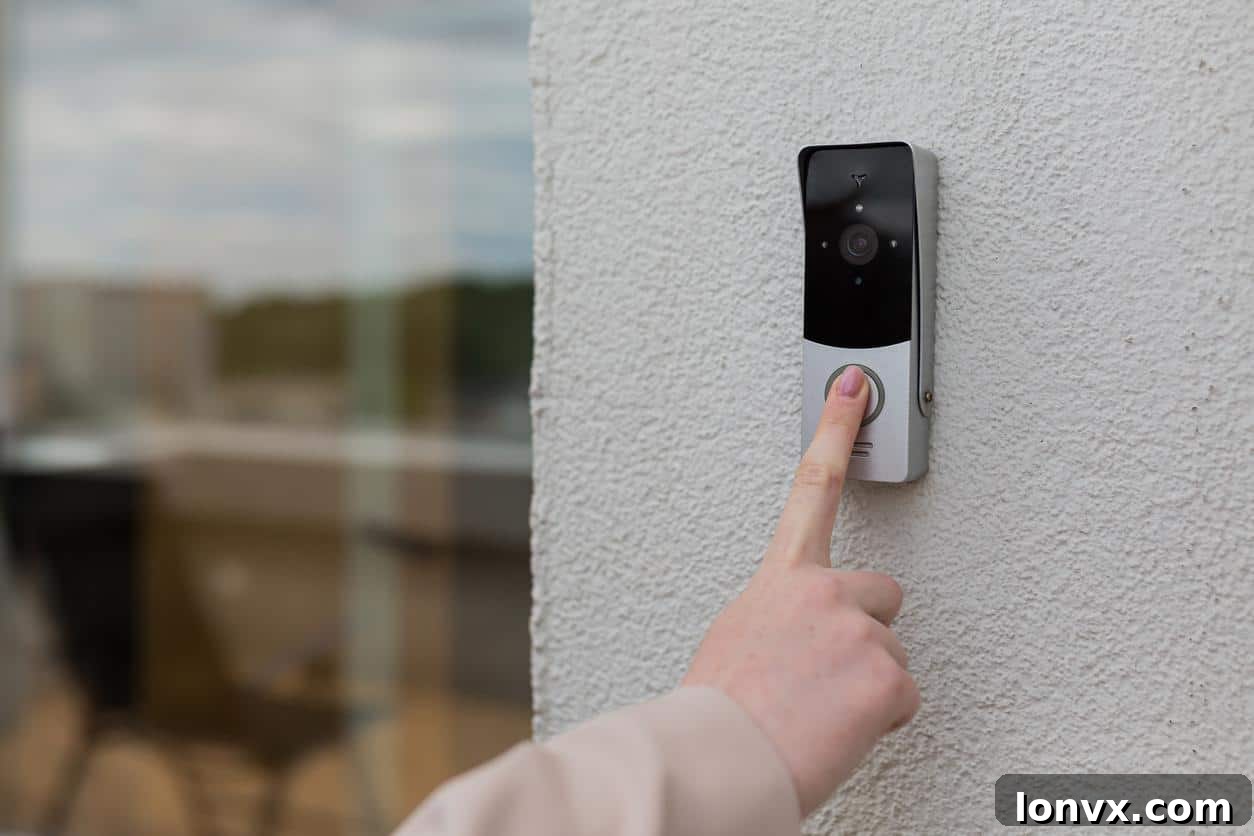
The core of the dispute in Lupuliak v Condominium Plan No 8211689 originated from a unit owner’s understandable desire for enhanced security. Following an unsettling break-in at her ground-floor unit, which occurred via the patio doors, Ms. Lupuliak, the unit owner, took matters into her own hands. She proceeded to install two distinct security devices: an external security camera mounted on the building’s exterior and a motion-activated Ring doorbell camera affixed to the front door of her unit. The latter device, a common feature in modern homes, was strategically placed in a common hallway, an area shared by and providing access to other units within the condominium complex. This seemingly straightforward act of installing security measures inadvertently set the stage for a significant legal battle, highlighting the intricate intersection of personal security needs and the collective rules governing condominium living.
Condominium Bylaws: The Framework of Community Living
Condominium corporations operate under a defined set of bylaws, which serve as the constitutional framework governing the property and its residents. These bylaws are meticulously crafted to ensure harmonious living, maintain property aesthetics, and protect the collective interests of all owners. In the case of Condominium Plan No 8211689, specific bylaws were at the heart of the controversy. Critically, these bylaws explicitly stipulated that unit owners were prohibited from making any additions, modifications, or alterations to the exterior of their units or to the common property without first securing explicit written consent from the board of directors. This provision is common in condominium governance and aims to prevent haphazard changes that could impact the structural integrity, visual uniformity, or functionality of shared spaces. Furthermore, the bylaws contained a general clause stating that owners must not unreasonably interfere with the use and enjoyment of the common property by other owners or their visitors. This clause is designed to protect the peace and quiet of the community, preventing actions that could diminish the quality of life for other residents. Ms. Lupuliak, despite these clear guidelines, proceeded with the installation of both cameras without seeking the requisite permission from the condominium board, an oversight that would prove pivotal in the subsequent legal proceedings.
The Escalation of Conflict: From Complaints to Courtroom
Ms. Lupuliak’s decision to install the security cameras without prior board approval quickly led to friction within the condominium community. The Ring doorbell camera, specifically, became a point of contention for her neighbours. Its placement in the common hallway meant that it captured footage of individuals entering and exiting nearby units, raising significant concerns about privacy intrusion. As a result, several neighbours formally lodged complaints with the condominium corporation’s board of directors, articulating their discomfort and feeling that the doorbell camera represented an unreasonable infringement on their personal privacy within a shared living space. Responding to these legitimate concerns, the board formally requested that Ms. Lupuliak remove her doorbell camera, citing its installation as a clear contravention of the corporation’s bylaws. However, Ms. Lupuliak steadfastly refused to comply. Given her refusal, the matter was elevated to a general meeting of all unit owners. At this meeting, the collective sentiment of the community was made abundantly clear: the owners unanimously sided with the neighbours’ complaints, agreeing that the presence of the camera caused them significant discomfort and was inappropriate for the common area. Undeterred by the unanimous decision of her peers and the board’s directive, Ms. Lupuliak continued to resist, leaving the condominium corporation with no recourse but to initiate legal action. Thus, what began as a personal security measure rapidly escalated into a full-blown court case, underscoring the complexities and potential for conflict when individual actions clash with community rules and collective privacy expectations.
The Court’s Verdict: Justice Feasby’s Clear Pronouncement
The matter eventually landed before Justice Colin Feasby of the Court of Queen’s Bench of Alberta. In his meticulously reasoned written decision, Justice Feasby delivered a clear and unequivocal judgment that sided with the condominium corporation. He concluded that the board had acted entirely reasonably in requesting the removal of Ms. Lupuliak’s doorbell camera. The cornerstone of his reasoning was Ms. Lupuliak’s undeniable violation of the condominium corporation’s bylaws. Specifically, she had installed the camera without first obtaining the necessary written permission from the board, a prerequisite for any modifications to common property. Justice Feasby meticulously examined the condominium plan boundaries, confirming that the area directly in front of a unit’s entrance, including the wall where the doorbell camera was mounted, constituted common property, not an extension of Ms. Lupuliak’s private unit. Consequently, her unilateral installation of the camera was deemed an unauthorized addition or alteration to common property. Furthermore, Justice Feasby dismissed Ms. Lupuliak’s claims of oppression by the board, finding no evidence to support that the board’s actions were unjust or unduly harsh. The final order from the court mandated Ms. Lupuliak to remove the contentious doorbell camera, solidifying the authority of condominium bylaws and the board’s responsibility to enforce them.
Setting Precedent: Alberta and Beyond
While the Lupuliak decision marks one of the first of its kind in Alberta to directly address the issue of owner-installed doorbell cameras on common property, its legal reasoning aligns seamlessly with previous rulings from other jurisdictions, particularly British Columbia. The British Columbia Civil Resolution Tribunal (CRT) has, on multiple occasions, similarly concluded that doorbell cameras, when installed in common areas, can indeed be considered alterations or modifications of common property, thereby requiring prior consent from the strata corporation. Notable examples include Parnell v The Owners, Strata Plan VR 2451, 2018 BCCRT 7, and Herr v The Owners, Strata Plan KAS 1824, 2020 BCCRT 496. These consistent rulings across provinces underscore a growing legal consensus regarding the classification of such devices and the importance of adhering to communal property regulations. The Lupuliak case therefore strengthens this legal precedent, providing clear guidance for condominium corporations and unit owners not only in Alberta but potentially influencing interpretations in other Canadian jurisdictions facing similar issues. It highlights a universal principle: that individual rights within a condominium community are always balanced against the collective rights and responsibilities outlined in the governing bylaws.
Privacy Concerns and the Tort of Nuisance
Beyond the direct bylaw violations, Justice Feasby also delved into the broader implications of privacy and the potential for a private nuisance. While the Personal Information Protection Act, SA 2003, c P-6.5 (“PIPA”), primarily applies to private organizations (including condominium corporations) and not directly to individuals like Ms. Lupuliak, its principles offer a crucial contextual backdrop. Justice Feasby concluded that the doorbell camera, in this specific instance, could and indeed did constitute an unreasonable interference with other owners’ use and enjoyment of the common property. He went a step further, suggesting it could conceivably be considered a nuisance. To elaborate, he referenced the legal concept of the tort of private nuisance, which “can involve material injury to property or be less tangible and result in discomfort or inconvenience.” This distinction is critical, as it acknowledges that nuisance isn’t solely about physical damage but also about the impact on one’s experience of property. Therefore, the term “use and enjoyment” encompasses both the physical utilization of property and the psychological comfort derived from it. An “unreasonable interference,” in this legal context, is defined as one that “would not be tolerated by the ordinary occupier.” This objective standard helps to assess whether a particular activity, such as constant video surveillance in a common hallway, crosses the line from acceptable to intrusive. While Justice Feasby stopped short of formally ruling that the tort of private nuisance had been fully established on the facts (the bylaw violations were sufficient for his judgment), he explicitly found that the discomfort experienced by individuals using common property under such video surveillance “is a normal feeling that a reasonable person would have in the same circumstances.” In essence, the surveillance, from the perspective of an “ordinary occupier,” would not be tolerated, reinforcing the condominium corporation’s stance and aligning with other decisions on security camera issues. This aspect of the judgment significantly bolsters the argument for privacy in shared living spaces and provides a strong foundation for future disputes involving surveillance technology.
The Essence of Condominium Living: Tolerance and Collective Responsibility
In his concluding remarks, Justice Feasby offered a profound observation on the nature of condominium living. He emphasized that residing in a multi-unit condominium complex inherently “requires tolerance” from all residents. This statement encapsulates the fundamental principle that individuals, upon purchasing a condominium unit, “necessarily” surrender “some degree of proprietary independence.” Unlike a standalone house where an owner’s decisions are largely unfettered, condo living demands a certain level of compromise and adherence to collective rules for the greater good of the community. This includes respecting shared spaces, maintaining aesthetic consistency, and ensuring that individual actions do not unduly infringe upon the rights and comfort of neighbours. However, Justice Feasby also balanced this assertion by reminding condominium corporations of their equally important responsibility: they must “be responsive to legitimate concerns of individual unit owners.” This means that while owners must respect bylaws, boards cannot act arbitrarily or ignore genuine needs for security or other valid concerns. A healthy condominium community thrives on this two-way street of responsibility, where individual freedoms are harmonized with communal welfare, and where open communication and reasonable accommodations are prioritized to prevent disputes from festering.
Proactive Security Measures vs. Reactive Litigation
The Lupuliak case serves as a stark reminder of the financial and emotional toll that disputes within a condominium community can exact. Had Ms. Lupuliak opted for a more proactive and collaborative approach, her outcome might have been entirely different. Instead of unilaterally installing cameras, she “would have been far better off approaching the board after the break-in at her unit to petition for enhanced security in the property.” Such an action would have compelled the board to consider her legitimate security concerns and potentially explore collective solutions, such as installing a comprehensive security system paid for by the corporation as a shared amenity. This approach would have diffused the conflict, addressed her needs, and potentially bolstered security for the entire complex without infringing on anyone’s privacy. Instead, her chosen path led her to court, where she not only failed to achieve her desired outcome but was also ordered to pay the condominium corporation’s substantial legal costs on a full indemnity basis. This punitive outcome underscores the significant risks and financial burden associated with bypassing established bylaws and seeking individual solutions that conflict with community regulations. It highlights that collaborative engagement with the board is not merely a formality but a pragmatic and often less costly alternative to litigation.
Comprehensive Best Practices for Condo Communities
The Lupuliak decision offers a crucial blueprint for both unit owners and condominium corporations to proactively manage security camera installations and avoid similar disputes.
For Unit Owners:
- Review Bylaws Thoroughly: Before considering any installation, unit owners must diligently check their corporation’s bylaws to ascertain specific rules regarding external modifications, common property, and surveillance devices. Ignorance of bylaws is not a defense.
- Seek Written Permission: When in doubt, or if bylaws require it, always request explicit written permission from the board of directors *in advance* of installing any device that captures images of other owners, residents, or common areas. This formal application process protects both the owner and the corporation.
- Consider Alternatives: Explore security options that do not infringe on common property or neighbors’ privacy, such as cameras solely covering the interior of the unit or advocating for building-wide security enhancements.
- Be Mindful of Privacy: Always consider the impact of your device on neighbours’ privacy and their reasonable expectation of it in shared spaces.
For Condominium Corporations/Boards:
While condominium corporations are already governed by PIPA and are mandated to create privacy policies and designate privacy officers concerning their own data collection, this case unequivocally instructs them to go a step further:
- Develop Clear Policies on Owner-Installed Cameras: Boards should proactively craft comprehensive policies specifically addressing the installation of security cameras by unit owners and residents. Such a policy should specify:
- Written Application Process: A formal requirement for owners to submit written applications for approval.
- Detailed Information Required: Applications should include vital information such as the type of camera, its means of activation (e.g., motion-activated, continuous recording), how video images will be stored (e.g., local, cloud, retention period), and the precise location where it will be installed.
- Criteria for Approval/Denial: Outline the factors the board will consider, including whether the installation constitutes a modification of common property, the extent to which it may create an unreasonable interference with the use and enjoyment of common property and/or other units, and potential privacy implications for other residents.
- Enforcement Mechanisms: Clear guidelines on how violations will be addressed.
- Review and Update Existing Bylaws: Ensure that current bylaws adequately address modern security technology and privacy concerns, clarifying what constitutes common property and how modifications are handled.
- Educate Residents: Proactively inform owners about these policies and the legal implications of unauthorized installations. Clear communication can prevent misunderstandings and disputes.
- Foster Communication: Establish accessible channels for owners to voice security concerns and for the board to respond proactively, promoting a collaborative approach to community safety.
Conclusion: Striking a Balance for Harmonious Condo Living
Ultimately, successful condominium living is predicated on the principle of fairness and the delicate art of balancing competing interests. It involves harmonizing the needs and security concerns of individual residents with the collective rights and responsibilities of the condominium corporation as a whole. As Justice Feasby sagely noted, disputes between neighbours, when allowed to fester, “often appear to be petty and pointless” but can quickly escalate into emotionally and financially draining “battle royales” in court. By keeping the core idea of fairness and mutual respect at the forefront of any conflict, and by implementing clear, proactive policies, condominium communities can foster an environment of cooperation rather than confrontation. This proactive approach, guided by legal precedents like the Lupuliak decision, ensures that security measures enhance safety without eroding the essential privacy and harmonious living that define a thriving condominium community.