2026 Real Estate Design Trends: Shaping Tomorrow’s Homes and Driving Sales
In the dynamic and ever-evolving landscape of real estate, mere numbers and statistics paint only a partial picture of market trends. Beyond fluctuating interest rates and inventory levels, the profound influence of interior design and architectural innovation plays a pivotal role in captivating buyers and maximizing property value. From the strategic staging of a home for compelling listing photos to the inherent market appeal distinguishing a charming Craftsman from a sleek mid-century modern abode, every aesthetic and structural detail significantly impacts buyer perception and ultimately, the speed and success of a sale.
For savvy real estate agents and proactive homeowners, staying abreast of these ongoing design and architectural shifts is not just beneficial—it’s imperative for gaining a competitive edge. To provide invaluable foresight into what’s next, we’ve consulted with leading industry experts. Julie Lepper, an accomplished interior designer with Synthesis Design, and David Longpre, an innovative architect from Longpre Architecture, share their predictions for the design trends set to dominate the housing market in 2026. Their insights offer a comprehensive roadmap for creating and presenting properties that genuinely resonate with the desires of contemporary buyers.
The Enduring Elegance of Wrought Iron: A Bold, Refined Statement for 2026
Wrought iron, a material steeped in history and often evoking images of elegant fairy tales or grand historical estates, is poised for a significant resurgence in 2026. Far from being relegated to traditional settings, this versatile and robust material is finding new life in both classic and decidedly modern interiors. Its appeal lies in its inherent artisanal quality—each piece often hand-forged, bearing a unique character that mass-produced items simply cannot replicate. This bespoke feel, combined with its renowned durability, makes wrought iron an attractive choice for homeowners seeking longevity and distinction.
Historically employed in functional yet decorative home features such as stair railings, exterior fencing, garden furniture, and robust hardware, wrought iron is now being embraced for its sculptural potential. Julie Lepper notes its ability to serve as a stunning piece of art, anchoring spaces with its substantial presence. In 2026, the trend leans strongly towards blackened or matte finishes. These contemporary treatments offer what Lepper describes as “a bold but refined statement,” perfectly complementing a wide array of design palettes. Whether integrated into an outdoor fire pit area, an intricate interior staircase, or a minimalist console table, wrought iron’s dark, sophisticated finish promises to add a layer of understated luxury and timeless appeal to any indoor or outdoor space, drawing discerning buyers seeking unique character and enduring quality.
The Surge of Layering: Crafting Depth, Mystery, and Intimacy in Design
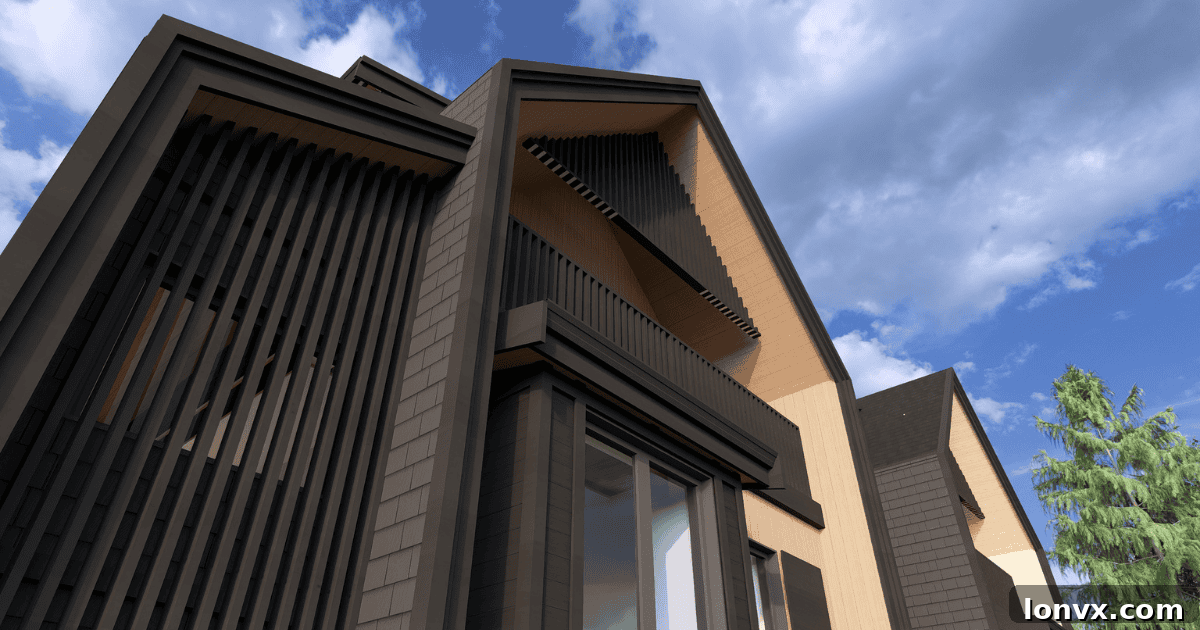
According to architect David Longpre, 2026 marks a decisive pivot away from the stark, unadorned aesthetic of traditional minimalism. The future of design, he posits, belongs to the concept of layering—a sophisticated approach that introduces complexity, depth, and intrigue into architectural facades and interior spaces. “Flat, boxy minimalism is giving way to facades with depth, louvres, slat walls, veils, and semi-transparent walls, creating obscured sightlines,” Longpre explains. This intentional layering fosters environments that are far from one-dimensional, inviting exploration and encouraging a deeper engagement with the space.
Imagine architecture that tells a story, much like a novel with narratives unfolding across successive chapters. This trend is about crafting multi-faceted experiences within a home. Louvres and slat walls, for instance, don’t merely provide privacy; they filter light, casting dynamic patterns of shadow that shift throughout the day, transforming the mood of a room. Semi-transparent walls and veils introduce subtle visual barriers, hinting at what lies beyond without fully revealing it, thereby cultivating a sense of mystery and intimacy. This approach treats luxury not as something to be overtly displayed, but as a tender, carefully curated experience inherent in the rich, nuanced moments of daily life. For buyers, these layered spaces offer an elevated sense of privacy, visual interest, and a unique atmosphere that moves beyond mere functionality to evoke genuine emotion and connection.
Mastering the Mood: The Art of Color Drenching for Immersive Interiors
Step into a room meticulously enveloped in a single hue, where the color seems to embrace you, creating an almost womb-like comfort or a striking dramatic effect. This powerful interior design technique is known as “color drenching,” and it’s set to captivate homeowners and buyers in 2026. Julie Lepper describes this method as applying “a single colour across multiple surfaces in a room, including walls, ceilings, trim, furniture, and even decor to create a cohesive, immersive look.”
The magic of color drenching lies in its ability to produce a profound “wrap-around effect,” eliminating visual breaks and allowing the chosen color to truly emanate a specific mood. Whether aiming for a cozy, enveloping sanctuary or a bold, dramatic statement, this technique achieves a seamless integration that can transform the perception of a space. Beyond its atmospheric qualities, color drenching offers an intelligent way to highlight a room’s architectural integrity. As Lepper wisely advises, when a room boasts distinctive architectural details such as elegant crown molding, intricate wainscoting, or built-in shelving, extending the same color across these elements dramatically enhances their beauty and structural presence. This unified approach not only simplifies the visual field but also elevates the perceived sophistication of the design, making a space feel larger, more intentional, and exceptionally refined—qualities that deeply resonate with discerning buyers.
Simplicity as the New Luxury: The Post-McMansion Era of Functional Architecture
The era of ostentatious “McMansions”—oversized homes prioritizing grandeur over thoughtful design—is definitively drawing to a close. In 2026, the definition of luxury is undergoing a profound transformation, moving away from sheer opulence towards a more refined, functional, and mindful simplicity. Architect David Longpre eloquently articulates this shift: “The McMansion era is over. Millennials don’t want houses that scream status; they want homes that work.” This reflects a broader cultural desire for homes that are intelligently designed, efficient, and seamlessly integrated into their surroundings.
Expect to see architectural designs in 2026 that prioritize elegance through restraint and functionality through intelligent planning. This translates into structures with a more modest and human-centric scale, where every element serves a purpose beyond mere display. A hallmark of this new luxury is the emphasis on integrating the natural landscape and garden spaces as primary design elements, rather than mere afterthoughts. Longpre observes, “I’ve seen more clients choosing architecture as the quiet frame around nature rather than the star of the show.” This humility—the notion that the home should enhance, not overpower, its environment—is now the pinnacle of sophistication. Such designs appeal to buyers seeking homes that offer tranquility, sustainability, and a deep connection to nature, signaling a thoughtful and intentional approach to living that speaks volumes without a single boast.
The Subtle Radiance of Silver: Overcoming Gold’s Dominance in Accents
For many years, gold accents reigned supreme in interior design, symbolizing opulence, prestige, and a certain traditional grandeur. However, 2026 is set to witness a significant shift, as silver emerges as the favored metallic accent, giving gold a formidable challenge for the top spot. Julie Lepper encapsulates this evolving preference, noting, “Silver feels like the natural evolution, sleeker, quieter and more understated. It reflects a moodier, quieter elegance rather than bold opulence.” This transition signals a broader movement towards a more subdued and sophisticated aesthetic in contemporary homes.
Silver’s cool, reflective quality lends itself beautifully to creating spaces that feel both fresh and timeless. Experts anticipate seeing silver thoughtfully paired with a rich array of earthy tones, creating palettes that are both grounded and luxurious. Imagine the striking contrast of silver hardware against the warmth of burnt orange walls, the elegant complement of silver fixtures with rustic olive green cabinetry, or the sophisticated touch of silver framing within a chocolate brown study. Furthermore, Lepper recommends enhancing silver’s appeal through strategic layering with natural materials. Think polished silver juxtaposed with raw stone textures, refined silver accents against veined marble countertops, or delicate silver detailing integrated into dark wood furniture. This approach crafts interiors that exude a quiet confidence and a contemporary elegance, appealing to buyers who appreciate sophisticated subtlety over overt displays of wealth, and offering a fresh, modern take on luxury.
Embracing Softness: The Dawn of Psycho-Architecture for Well-being
As our understanding of human well-being deepens, architects are increasingly recognizing that the design of our living spaces directly impacts mental and emotional health. In 2026, this awareness will manifest as a significant push towards “softness” in architectural and interior design—a concept David Longpre terms “psycho-architecture.” This innovative approach prioritizes creating environments that nurture the mind as much as they house the body, aiming to bake well-being directly into the fabric of the home itself, rather than treating it as an exclusive add-on for the elite.
“In 2026, you’ll see a push toward softness — texture, wood, warmth, tactility,” Longpre shares. This translates into design choices that actively promote comfort, serenity, and a sense of calm. Imagine spaces characterized by gentle, curved lines that offer a visual embrace, replacing the harsh angles of previous decades. Think of inviting textures from natural fibers, plush furnishings, and tactile wall treatments that encourage touch and engagement. Warm lighting schemes, moving away from cool, stark illumination, will create cozy and welcoming atmospheres. The prominence of natural wood, celebrated for its inherent warmth and organic beauty, will contribute to a grounded and soothing ambiance. This holistic design philosophy seeks to create homes that are not just aesthetically pleasing but are also restorative havens, offering occupants a much-needed respite from the demands of the outside world. For real estate agents, highlighting these ‘soft’ and psychologically supportive design elements will appeal to a growing segment of buyers prioritizing mental and emotional wellness in their living spaces.
The Soulful Allure of Vintage and Heirloom Pieces: Sustainability Meets Storytelling
As environmental consciousness continues to grow and influence consumer choices, the real estate and design industries are naturally aligning with more sustainable practices. In 2026, the trend of incorporating vintage and heirloom pieces into home interiors will surge, becoming a natural and highly sought-after element in modern homes. This movement is fueled by a desire for both environmental responsibility and unique personal expression, moving away from disposable trends towards items with lasting value and character.
These eclectic accents and statement furniture pieces come with their own distinct narratives, each carrying a unique history that resonates deeply with homeowners and designers alike. Unlike newly manufactured items, vintage and heirloom pieces often exhibit subtle signs of their past—a slight patina, a softened edge, or a unique imperfection. As Julie Lepper aptly observes, “The slight wear and imperfections add authenticity and a ‘lived-in’ charm that new items can’t replicate.” This authenticity creates spaces that feel curated, personal, and soulful, far removed from the sterile perfection of mass-produced aesthetics. For those looking to furnish or stage a home, sourcing these treasures is an adventure in itself, with hotspots including local thrift stores, bustling antique shops, estate sales, vibrant flea markets, and increasingly, specialized online marketplaces. Integrating these unique finds not only contributes to a sustainable lifestyle but also imbues a home with unparalleled character and a compelling story—qualities that resonate deeply with buyers seeking a home with genuine personality and a connection to history.
Conclusion: Design Intelligence for Real Estate Success in 2026
The real estate market in 2026 will be shaped not just by economic indicators, but profoundly by evolving tastes in design and architecture. As we’ve explored with experts like Julie Lepper and David Longpre, the trends indicate a collective shift towards authenticity, sustainability, and well-being. From the sophisticated return of wrought iron and the intentional depth created through layering, to the immersive experience of color drenching and the humble elegance of functional architecture, each trend points to a discerning buyer who values quality, meaning, and personal connection over superficial grandeur.
For real estate professionals, these insights are not mere observations; they are actionable cues for success. Translate these trends into better listing photos that highlight textural richness and thoughtful design. Conduct walkthroughs that articulate the story behind a vintage piece or the psychological comfort of a ‘soft’ architectural feature. Engage in sharper pricing conversations that reflect the added value of homes designed with these future-forward principles in mind. Agents who master the art of pairing profound design intelligence with clear, empathetic counsel will not only earn the trust of their clients but will also find themselves at the forefront of a thriving market in 2026. Embracing these shifts means not just selling houses, but selling homes that truly resonate with the lives and aspirations of tomorrow’s buyers.