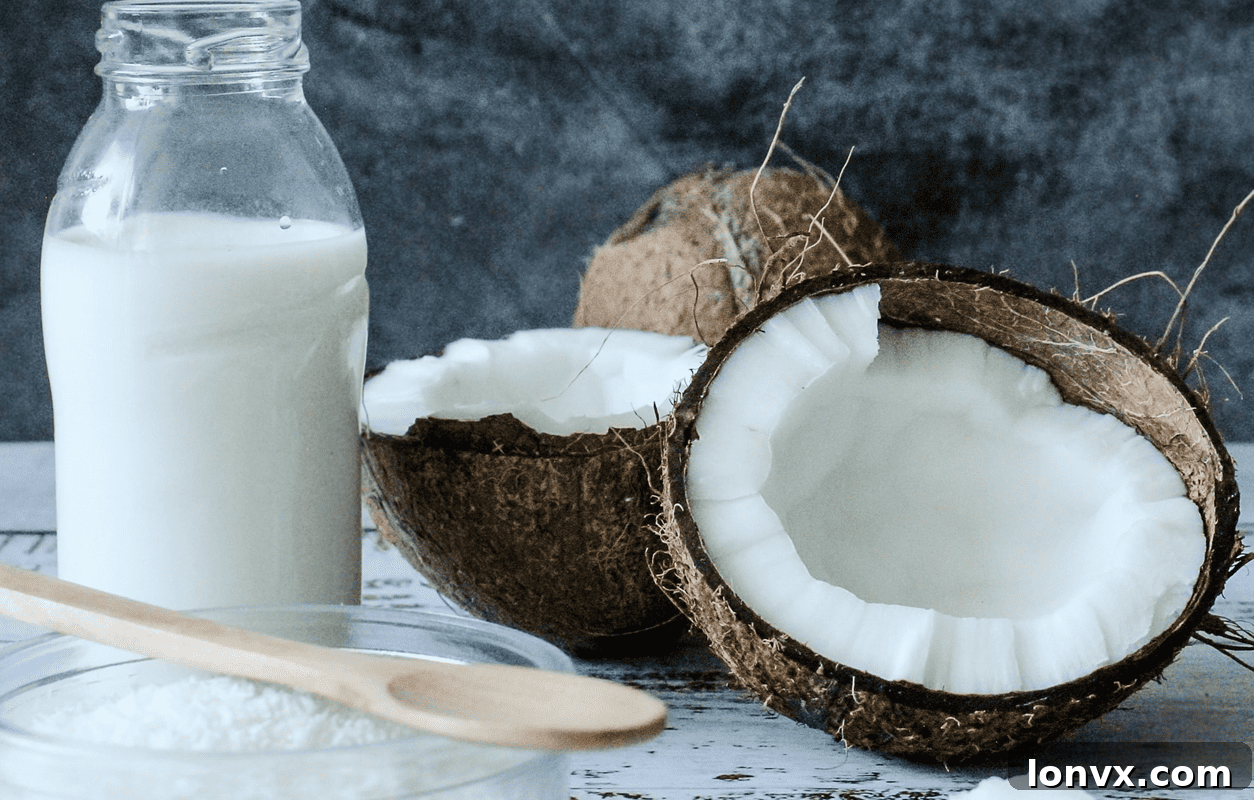
Coconut, with its rich, creamy texture and subtly sweet, nutty aroma, has a remarkable ability to transport your palate to tropical paradises. If you’re a connoisseur of Asian coconut chicken rice, vibrant curries, or any other delightful coconut-infused entrées, then continuing that enchanting flavor journey with a captivating dessert is an absolute must. Imagine a sweet, silken treat that perfectly complements the savory notes of your main course. This exquisite Coconut Panna Cotta is not just a dessert; it’s a sublime experience designed to extend the delightful tropical essence of your meal.
For years, I’ve honed my signature panna cotta recipe, adapting it to various occasions and serving styles. This particular rendition reimagines the classic dessert using the convenience and consistent quality of tinned coconut milk. While I generally prefer fresh, locally sourced ingredients, certain staples, like robust coconut milk, are best accessed in their packaged form, ensuring a rich, unadulterated flavor profile that forms the very heart of this dish. Opting for full-fat coconut milk from a reputable brand will yield the creamiest, most luxurious results, transforming simple ingredients into a truly indulgent finale.
The Ultimate Silken Coconut Panna Cotta Recipe
Creating a truly exceptional panna cotta requires attention to detail, but the process itself is surprisingly straightforward. This recipe guides you through crafting a dessert that is both elegantly simple and profoundly delicious. From selecting the right coconut milk to achieving that perfect jiggle, we’ll cover everything you need for success.
Ingredients for Creamy Coconut Panna Cotta
To embark on this culinary adventure, gather the following high-quality ingredients:
- Two (13.5 oz / 400ml each) tins of full-fat coconut milk (room temperature for best results)
- 1 teaspoon pure vanilla extract or natural coconut flavoring
- 1 teaspoon granulated sugar (adjust to taste)
- 2 sheets of high-quality gelatine (or 1 packet unflavored gelatine powder, typically 7g, consult package for specific ratios)
- 1 teaspoon date syrup or second-season maple syrup (for a touch of natural sweetness and depth)
- A few grains of sea salt
- A small splash of coconut liqueur or a complementary spirit like brandy, Chartreuse, or Mampe Halb and Halb (optional, but highly recommended for an added layer of sophistication)
Step-by-Step Preparation Guide
Achieving that perfect, wobbly panna cotta consistency is all about careful temperature control and proper gelatine activation. Follow these steps for an impeccable result:
Begin by opening two tins of full-fat coconut milk, ensuring they are at room temperature. This helps prevent the solids from being too firm and allows for easier blending. Often, the rich coconut cream will have separated from the liquid. Using a strong, sturdy whisk, vigorously mash and incorporate these solids back into their natural liquid. Whisk until the mixture is entirely smooth and homogenous, with no discernible lumps or distinct layers. This foundational step is crucial for a uniform texture in your final panna cotta.
Next, introduce the aromatic elements. Stir in a teaspoon of pure vanilla extract for a classic, comforting note, or opt for a natural coconut flavoring to intensify the tropical essence. Add a teaspoon of plain granulated sugar. This initial addition of sugar is subtle, designed to enhance the natural sweetness of the coconut rather than overpower it. Taste and adjust if you prefer a sweeter profile.
Pour the enriched coconut milk mixture into a non-aluminum saucepan. Non-aluminum is preferred as it helps prevent any metallic reactions with the delicate flavors. Gently bring the coconut milk to a simmer over medium heat, stirring continuously with a wooden spoon. This consistent stirring ensures even heating and prevents scorching. Do not allow the mixture to boil vigorously; a gentle simmer is all that’s required to warm the milk and dissolve the sugar.
While the coconut milk is heating, prepare your gelatine. If using gelatine sheets, carefully wilt two sheets in a bowl of cold water according to the package directions. Ensure they become pliable and fully hydrated. If using powdered gelatine, sprinkle it over a small amount of cold water (usually 1/4 cup per packet) and let it bloom for 5-10 minutes until it thickens. Once bloomed or wilted, gently heat the gelatine mixture (either by stirring into a small amount of warm water or microwaving for a few seconds if using powdered gelatine that hasn’t fully dissolved) until it is completely liquid and clear, stirring with a fork to ensure there are absolutely no granular bits or lumps. Always double-check the gelatine package for precise ratios and instructions, as brands can vary.
Remove the saucepan of simmering coconut milk from the heat. This is a critical moment for incorporating the gelatine without compromising its setting power. Immediately stir in the completely dissolved gelatine, whisking gently yet thoroughly to ensure it is evenly distributed throughout the warm coconut milk. Continue whisking for about a minute to prevent any lumps from forming and to ensure a perfectly smooth consistency. Now, introduce the final layers of flavor: stir in a teaspoon of rich date syrup or, for a different depth, second-season maple syrup. Scatter a few grains of fine sea salt – this small addition beautifully balances and brightens all the sweet notes. For an adult twist and an extra layer of sophisticated aroma, add a small splash of coconut liqueur. If this isn’t readily available in your spirits collection, a complementary bouquet such as a good quality brandy would be excellent. Even a unique liqueur like Chartreuse or, if you’re lucky enough to find it, Mampe Halb und Halb, can add an intriguing herbal or bitter-sweet complexity that elevates the panna cotta to gourmet status.
Allow the panna cotta mixture to cool slightly, still covered, perhaps at a tilt on a burner that hasn’t been recently used. This gradual cooling prevents a skin from forming and ensures an even texture. While still warm and slightly thickened, carefully pour the luscious panna cotta cream into individual, equal-sized serving dishes. Small refrigerated “on the rocks” glasses, charming taster glasses, or elegant ramekins work wonderfully. Fill them about three-quarters full. For an extra touch of presentation, I often serve these on a delicate glass pie serving plate, with a pristine paper doily placed elegantly beneath each cold panna cotta glass, enhancing the visual appeal.
To ensure your panna cottas set perfectly and are easy to transport, it’s helpful to arrange the glasses on a firm, flat tray before transferring them to the refrigerator. This prevents accidental spills or tilting. Cover each glass individually with cling film to prevent any cross-contamination or absorption of other refrigerator odors. To allow any residual steam to escape and avoid condensation, make a tiny prick hole in the cling wrap. Refrigerate the panna cottas for at least several hours, or ideally, overnight, to allow them to set completely and achieve that signature delicate wobble. When transferring the mixture from the saucepan, use a rubber spatula to scrape down the sides, ensuring not to miss a single precious drop of this delightful cream.
Elevate Your Panna Cotta with Creative Toppings
The beauty of coconut panna cotta lies not only in its exquisite flavor but also in its versatility when it comes to garnishes. Once perfectly set and chilled, your panna cotta transforms into a canvas for a myriad of delicious and visually stunning toppings. Always remember to add toppings just before serving to maintain their freshness and texture.
Classic Coconut & Fruit Pairings
For a harmonious extension of the coconut theme, begin with a delicate sprinkle of roasted, sugared shredded coconut. The roasting process intensifies the coconut flavor and provides a delightful crunch, contrasting beautifully with the panna cotta’s creamy texture. A light spritz of coconut liqueur over the top will further enhance the aroma and add a touch of sophisticated moisture. For a burst of freshness and vibrant color, consider adorning your panna cotta with a few fresh, juicy raspberries, their tartness cutting through the sweetness, or a elegant peach wedge, offering a tender, sweet counterpoint. If fresh fruits are out of season, perfectly drained tinned mandarin orange segments work wonderfully; for an extra layer of coconutty goodness, you could even gently dredge these mandarin segments in a little extra shredded coconut before placing them on top. For those who appreciate a textural contrast, a scattering of crushed homemade candied hazelnuts, sourced from your pantry, will provide a satisfying crunch and a rich, nutty depth.
Decadent Chocolate & Nut Creations
Chocolate and coconut are a match made in culinary heaven. Indulge your sweet tooth by topping each serving with a generous dollop of rich dark chocolate Chantilly cream. This can be easily prepared by whipping heavy cream with Fry’s dark chocolate powder and, for a truly immersive experience, a subtle essence drop of coconut flavoring. The bitterness of the dark chocolate provides a wonderful balance to the sweet panna cotta. Alternatively, for a more intricate and gourmet touch, you could “park” a small, homemade blueberry dark chocolate ganache hazelnut crisp right on top, offering layers of flavor and satisfying textures.
Exotic & Visually Stunning Garnishes
For an element of surprise and exceptional visual appeal, explore more unconventional toppings that act as true “eye candy.” If you have access to them, finger lime pearls are an absolutely show-stopping option. These unique citrus pearls, native to Australia, come in several delicate colors including vibrant pink, serene green, and sunny yellow. Their tiny, caviar-like vesicles burst with a bright, zesty lime flavor, providing an exciting counterpoint to the creamy coconut. (Interestingly, these elegant finger lime pearls are also a fantastic addition to gin cocktails, adding both flavor and visual flair.)
Another delightful and visually striking option involves the vibrant jewels of a pomegranate. Carefully crack open a fresh pomegranate and generously sprinkle its juicy, ruby-red pearls over your panna cotta. A mere whisper of sea salt finishing flakes will amplify their natural sweetness and add a subtle crunch. To introduce an aromatic freshness, finish with a sprinkle of finely minced fresh mint leaves, completing a dessert that is as refreshing as it is beautiful.
For even more creative dessert inspiration and a wider array of panna cotta suggestions, we invite you to explore additional recipes at this link, where you’ll find ideas to further enhance your culinary repertoire.
Beyond Desserts: Innovative Uses for Coconut in Your Kitchen
The true magic of coconut lies in its extraordinary versatility. Far from being confined to just desserts, coconut can enhance both sweet and savory dishes, adding depth, texture, and a captivating aroma. Here are some innovative ideas to infuse your culinary creations with the delightful essence of coconut, transforming everyday meals into extraordinary experiences.
Coconut in Beverages & Sweet Treats
- Tropical Milkshakes: Elevate your morning routine or afternoon treat by crafting a luxurious coconut-flavored milkshake. Start with a base of homemade coconut ice cream for ultimate richness, blend with a splash of coconut milk, and finish with a sprinkle of toasted coconut flakes for a textural flourish.
- Gourmet Truffles & Crisps: For an indulgent finish to homemade sweets, dredge white chocolate ganache truffles in finely shredded, roasted coconut. The delicate, creamy chocolate combined with the nutty crunch of coconut is simply irresistible. Alternatively, incorporate roasted coconut into your blueberry nut dark chocolate crisps for an added layer of flavor and texture.
- Lemon Pie Enhancement: Reinvent the classic lemon meringue pie by replacing the traditional meringue with a generous topping of golden-roasted shredded coconut. The sweetness of the coconut perfectly complements the tart lemon filling. You could also fold the coconut into your meringue for a subtle hint of flavor or, for a foundational twist, mix roasted coconut flakes directly into your graham cracker crust for an unexpected tropical crunch.
- Flavored Ice Cubes & Drink Rims: Infuse your cold beverages with a hint of the tropics by adding shredded coconut to your ice cube trays before freezing. These coconut-infused cubes will slowly release flavor into plain water, lemonade, or iced tea. For a truly unique touch, rim a tall glass of lemonade or lemon iced tea with a mixture of fine shredded coconut and lime juice. For a distinctive Caesar cocktail, finely grind shredded coconut (not quite to a powder) with lime juice and use it to rim the glass, offering an aromatic, savory-sweet edge.
Savory Dishes with a Coconut Twist
- Entrée Toppings & Textures: Introduce a delightful crunch and a subtle tropical note to your main courses by sprinkling roasted coconut strings over dishes like fluffy rice, delicate pasta, or even hearty potato salads. For an unforgettable twist, prepare your favorite homemade mustard sauce and stir in minced roasted coconut before generously drenching your potato salad or other entrées.
- Artisanal Charcuterie Board Additions: Transform your charcuterie board into a gourmet experience by draping delicate, crispy coconut flakes over warm, oven-melted Brie or Camembert. The sweet, nutty coconut pairs exquisitely with the creamy, savory cheese, creating a truly memorable bite.
- Elevated Cream Soups: Just before serving your favorite creamy soup, scatter a generous amount of crispy, roasted shredded coconut over the top. This simple addition provides a surprising textural contrast and an inviting aroma that elevates the entire dish.
- Coconut Caramel Glazes: Rethink your caramel sauce by incorporating shredded coconut, or for a dairy-free option, substitute coconut cream for traditional cream. This coconut caramel sauce can then be expertly brushed over an oven-roasted chicken during the last five minutes of cooking, imparting a glistening, subtly sweet, and complex glaze. Similarly, this sauce could elegantly coat oven-roasted possets that have been delicately brushed with a homemade kumquat marmalade.
- Tropical Bananas Foster: Reimagine the classic Bananas Foster by dredging long, thin strips of sautéed bananas in crispy, roasted shredded coconut. Once flambéed, pour the hot, sticky, sweet dark rum butter sauce over the coconut-crusted bananas. This decadent creation can be served as a stunning dessert or, for an adventurous twist, as an entrée over hot steamed rice.
- Seafood Sensations: Introduce roasted flakes of coconut to your exquisite cognac cream shrimp dish just before serving. For a truly elegant presentation, serve the creamy shrimp in a wide, old-fashioned champagne stemmed crystal glass, the rim beautifully powdered with lemon juice and finely whizzed roasted coconut. Similarly, a sprinkle of roasted coconut adds an unexpected layer of flavor and texture to your painted salmon when ready to serve.
- Coconut Salt-Crusted Fish: When roasting a whole fish encased in a traditional salt crust, consider infusing the crust with flavor. Mix shredded coconut into the egg white salt cast, packing it around the fish for a subtle, wonderful coconut-flavored infusion. A touch of lemon zest added to the cast will further brighten the flavors.
- Unique Deep-Fried Delights: Prepare a simple Chinese-style batter for ready-to-eat packaged whole chestnuts. Deep-fry them until golden in 350°F (175°C) Mazola Corn Oil. Once removed with a spider, allowing excess oil to drip off, salt them immediately. Then, generously scatter roasted shredded coconut over the platter of deep-fried chestnuts for an intriguing sweet and savory combination.
- Tzatziki with a Twist: For an unexpectedly delightful and different flavor profile, consider incorporating roasted coconut into your homemade tzatziki. The subtle sweetness and nuttiness of the coconut will add an exciting dimension to the cool, tangy cucumber dip.
- Crispy Coconut Shrimp: Take torpedo deep-fried extra-large shrimp to the next level by dredging them in shredded roasted coconut while they are still hot. Sprinkle them with delicate flakes of sea salt immediately and serve. For those who enjoy a little heat, a dusting of cayenne pepper can be added, assuming children are not partaking.
- Prosciutto Cannoli with Coconut: For a truly innovative appetizer or savory snack, spritz your crispy, sugared prosciutto cannoli-type filled tubes with Bacardi Lime, then dredge them in roasted coconut flakes. This creates an irresistible blend of sweet, salty, tangy, and tropical flavors.
Crafting Exquisite Deep-Fried Plantain Crackers
Plantains, often mistaken for bananas, offer a unique, starchy sweetness when cooked, making them ideal for savory applications like crispy crackers. These deep-fried plantain crackers are a testament to how simple ingredients can yield profoundly delicious and versatile results. They are perfect as a snack, an appetizer, or a distinguished component of any gourmet spread.
Traditional Plantain Cracker Recipe
To create these savory delights, begin with firm, green plantains. Peel them and cut into approximate one-inch-thick pieces. Deep-fry these pieces until they are tender and cooked through, but not overly browned. Once cooked, remove them from the oil and, while still warm, mash each piece using a flat surface (like the bottom of a glass or a tortilla press) until it forms a very thin, circular cracker. This pressing step is crucial for achieving their signature crispness. Next, prepare an egg wash by lightly beating an egg. Dip the thin, mashed cooked plantain circles into the egg wash, ensuring they are fully coated. Then, dredge them generously in fresh, coarse breadcrumbs seasoned with a sprinkle of kosher salt and a pinch of cayenne pepper for a subtle kick. Finally, deep-fry them once more, this time for only about a minute, or until the breadcrumbs turn a beautiful golden brown and become wonderfully crispy. The second fry is quick, focusing solely on browning and crisping the coating.
Tropical Coconut Plantain Crackers Variation
For an even more exotic and flavorful rendition, transform these into coconut plantain crackers. After the initial deep-frying and flattening, prepare your egg wash by adding a teaspoon of rich coconut cream, which imparts a subtle tropical sweetness and creaminess. For the dredging step, combine your fresh coarse breadcrumbs with an equal amount of finely shredded, roasted coconut. This blend ensures every cracker is infused with a delightful coconut aroma and crunch. Proceed with the recipe as outlined above, dipping the flattened plantains in the coconut-infused egg wash and then coating them in the coconut breadcrumb mixture before the final quick deep-fry.
Serving Suggestions for Plantain Crackers
Whether you opt for the traditional or coconut-enhanced version, these crackers are exceptionally delicious and incredibly versatile. They make a fantastic accompaniment to a variety of dips and toppings. Consider serving them alongside a cooling tzatziki cucumber dip, where the freshness of the cucumber and yogurt beautifully contrasts the cracker’s richness. A dab of my homemade tomato butter would also offer a luscious, savory complement. For an elegant appetizer, top each cracker with a small, delicate piece of sweet lobster claw meat or tender fresh crab meat – a delightful combination of textures and flavors. These crackers are also a perfect, sophisticated addition to any charcuterie board, where they can be artfully layered, overlapping slightly, on a narrow small tray, inviting guests to savor their unique crunch and flavor.
Exquisite Coconut-Breaded Scallops: A Culinary Delight
For an appetizer that truly impresses, these coconut-breaded scallops offer an irresistible combination of delicate sweetness, succulent texture, and a delightful tropical crunch. This recipe focuses on enhancing the natural flavors of the scallop with a thoughtful coconut coating and precise cooking, culminating in a dish that is both elegant and approachable.
Preparing Your Scallops for Perfection
Start with large, high-quality ocean wild scallops, ensuring they are at room temperature before you begin. This allows for more even cooking. It is absolutely crucial to pat them thoroughly dry with paper towels; excess moisture will prevent a crispy crust from forming and can lead to steaming rather than searing. Prepare your dredging stations: one shallow dish with sifted all-purpose flour or fine semolina for an initial light coating. In a second dish, prepare your egg wash by whisking an egg with a teaspoon of rich coconut cream – this small addition infuses the scallops with a subtle, yet distinct, coconut essence. For your final coating, combine fresh, homemade coarse breadcrumbs with an equal amount of finely shredded, roasted coconut. The coarse breadcrumbs provide a substantial crust, while the roasted coconut adds that essential nutty flavor and irresistible aroma.
Pan-Frying to Golden Perfection
To cook, heat a heavy-bottomed skillet over medium-high heat. Add a generous knob of unsalted butter, allowing it to sizzle and just begin to brown, indicating it’s ready. Carefully dredge each dry scallop first in the flour or semolina, shaking off any excess. Then, dip it into the coconut cream egg wash, letting any extra drip away. Finally, firmly press the scallop into the coconut breadcrumb mixture, ensuring it is completely and evenly coated. Gently place the breaded scallops into the sizzling butter, making sure not to overcrowd the pan. Cook for approximately two minutes per side, or until the breading is beautifully golden brown and crispy. The scallops themselves will be just cooked through, tender, and translucent in the center. Remember, scallops continue to cook from their residual heat once removed from the pan, so avoid overcooking to maintain their delicate texture.
Serving an Amuse-Bouche that Dazzles
These perfectly pan-fried, coconut-breaded scallops are a triumph on their own, but for a truly sophisticated presentation, consider serving them atop a crispy coconut plantain cracker – a pairing that creates a symphony of textures and tropical flavors. This combination makes for an exquisite amuse-bouche, a single, perfect bite designed to tantalize the palate and prepare it for the meal to come. Indeed, the culinary applications of coconut are truly endless, limited only by your imagination and willingness to experiment.
Beyond the Obvious: Coconut-Infused Hydration
Even in its simplest form, coconut can elevate the everyday, transforming mundane hydration into a subtle tropical experience. This innovative approach to ice cubes proves that water doesn’t have to be “just water” when you introduce the delightful nuances of coconut and citrus.
Crafting Refreshing Coconut Ice Cubes
To create these uniquely refreshing ice cubes, simply scatter a generous amount of shredded coconut into your ice cube trays before filling them with water. For an added layer of delicate flavor and visual appeal, consider incorporating a coarsely chopped piece of homemade candied citrus rind – perhaps orange, lemon, or grapefruit – directly from your pantry sugar jar into each compartment. The slight bitterness and aromatic oils of the citrus will beautifully complement the coconut. Freeze these trays until the cubes are completely solid and rock hard, ready to infuse your drinks.
Enhanced Hydration & Sophisticated Sips
When you’re ready for an exquisitely refreshing experience, add a couple of these coconut and citrus-infused ice cubes to a plain glass of very cold water, served in an equally chilled glass. As the ice slowly melts, it will subtly release the sweet, nutty essence of coconut and the bright, zesty notes of candied citrus, making your water far more engaging and invigorating. For an extra special, sophisticated treat, take a cold, tall glass and rim it with a delicate powder made from finely whizzed pieces of your homemade candied citrus rinds. This fragrant rim enhances every sip, promising a truly sensory experience.
These versatile ice cubes also serve as a fantastic base for more spirited concoctions. They pair wonderfully with your favorite spirits, particularly those with a tropical inclination. Pineapple juice and vodka, for instance, create a vibrant and refreshing combination with the coconut, as does the classic pairing of rum, evoking images of sun-drenched beaches and gentle ocean breezes. The subtle, natural flavors released by these ice cubes elevate any beverage, proving that the simplest additions can make the biggest difference.
Embrace the Endless Possibilities of Coconut
From its creamy milk providing the foundation for an elegant panna cotta, to its shredded form lending texture and flavor to both sweet and savory dishes, coconut is an ingredient of unparalleled versatility. We’ve explored just a fraction of its potential, from enhancing vibrant seafood dishes and reimagining classic desserts to crafting unique beverages and elevating simple appetizers like plantain crackers and breaded scallops. The journey through the world of coconut is truly endless, offering countless opportunities for culinary creativity and delightful discovery. So, embrace the tropical allure of coconut and let its enchanting flavor inspire your next kitchen adventure.