
GTA Housing Market Update: June 2024 Sales Dip Amidst High Inventory and Rate Cut Hesitancy
The Greater Toronto Area (GTA) housing market experienced a notable shift in June 2024, presenting a complex picture for both prospective buyers and sellers. Despite the Bank of Canada’s eagerly anticipated interest rate cut at the beginning of the month, many potential buyers continued to approach the market with caution. This sustained hesitancy, combined with a significant surge in new listings, resulted in an elevated supply that exerted downward pressure on the average selling price compared to the previous year. This detailed analysis delves into the latest data from the Toronto Regional Real Estate Board (TRREB), offering a comprehensive look at the market dynamics, sales volumes, price trends, and the underlying factors influencing this crucial Canadian real estate landscape.
Decoding June 2024 Sales Figures: A Market in Transition
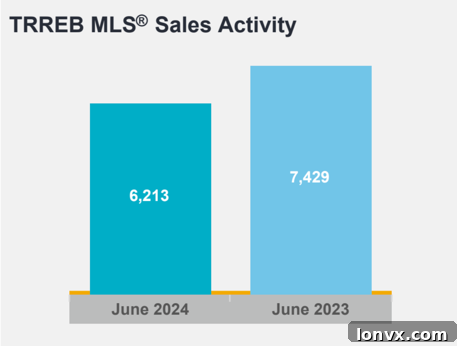
June 2024 recorded 6,213 home sales across the GTA, marking a 16.4 per cent decrease from the 7,429 sales observed in June 2023. This year-over-year decline in sales volume underscores a prevailing sentiment of caution among buyers, even in the wake of a rate reduction. Historically, a cut in borrowing costs often stimulates demand, but the market’s response this time highlights deeper concerns, potentially around the perceived permanence of rate reductions or the still-high absolute cost of borrowing.
In stark contrast to the dip in sales, new listings surged by a substantial 12.3 per cent year-over-year, reaching an impressive 17,964 properties. This influx of new homes on the market is a critical factor shaping current market conditions. It suggests that while buyers are holding back, sellers are increasingly motivated to list their properties. This could be due to various reasons, including anticipating further market softening, needing to sell for personal reasons, or simply wanting to capitalize on perceived peak values before any further adjustments.
The Impact of Increased Inventory on Buyer Dynamics
The pronounced imbalance between falling sales and rising new listings has created a well-supplied market. For potential homebuyers, this shift is a significant advantage. The abundance of choice means that the intense bidding wars and rushed decisions that characterized previous boom periods are largely absent. Buyers now have more time to conduct due diligence, compare various properties, and, crucially, possess increased negotiating power on prices. This move towards a more balanced market, where supply is ample, empowers purchasers to dictate terms more effectively, a notable departure from the seller-favored conditions seen in recent years.
Price Adjustments: A Closer Look at GTA Property Values
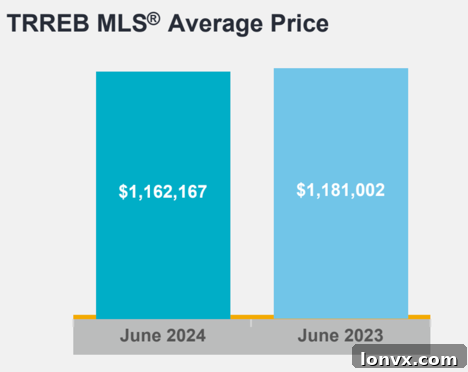
The average selling price in the GTA for June 2024 stood at $1,162,167. This represents a modest 1.6 per cent decrease from the $1,181,002 recorded in June 2023. While seemingly slight, this year-over-year dip, especially when coupled with higher borrowing costs compared to earlier periods, impacts overall housing affordability and investment calculations.
Perhaps a more telling indicator of the underlying market health is the MLS Home Price Index (HPI) Composite benchmark, which decreased by 4.6 per cent compared to the previous year. The HPI is generally considered a more accurate measure of price trends as it adjusts for changes in property types and features, providing a clearer picture of value fluctuations. The HPI’s more significant decline suggests a broader softening of property values across different segments of the GTA housing market.
These price adjustments, while welcomed by some, still leave many first-time buyers facing significant affordability challenges in the Toronto real estate market. The slight dip does not entirely offset the years of rapid appreciation, and the current economic climate demands careful financial planning from anyone looking to enter homeownership in the region.
A Resilient First Half: Outperforming Previous Year’s Average
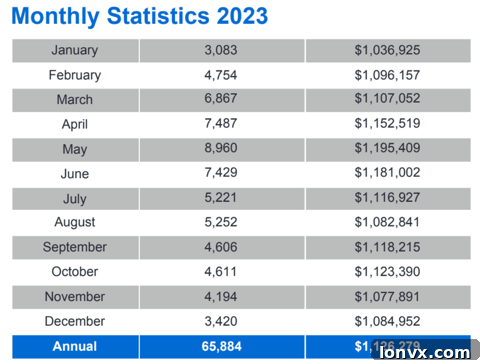
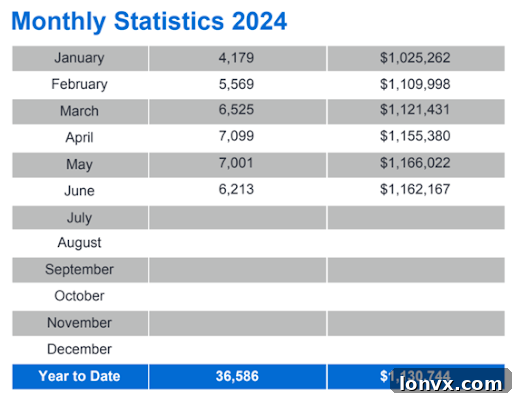
Despite the cautious atmosphere in June, the first half of 2024 has shown signs of resilience when viewed in a broader context. Last year, the annual average selling price was $1,126,279. Impressively, after just six months into 2024, the average selling price has reached $1,130,744, which is slightly better than the full-year average for 2023. This upward trend indicates a gradual recovery and stabilization in market confidence over the initial part of the year.
Sales activity has been steadily increasing since its lowest point in December 2023, when only 3,420 transactions were recorded. The current 6,213 sales in June, while lower than last year’s June figures, demonstrate a significant rebound from the year-end slump. This suggests that pent-up demand, combined with an anticipation of future rate cuts and a general improvement in economic sentiment, has been drawing some buyers back into the market. This incremental improvement underscores the dynamic nature of the GTA housing market, constantly adjusting to changing economic conditions and consumer confidence.
The Persistent Shadow of Interest Rates and Future Expectations
While the Bank of Canada’s recent rate cut provided a glimmer of relief, its immediate impact on spurring widespread demand was limited. The prevailing sentiment among most homebuyers indicates a “wait-and-see” approach, with many likely anticipating multiple rate reductions before fully re-entering the market. This psychological barrier is understandable; mortgage rates, though slightly lower, remain significantly higher than the ultra-low rates seen during the pandemic, impacting debt service ratios and the overall cost of homeownership.
This cautious buyer psychology is a dominant force shaping the current market. Buyers who have endured periods of rapid price growth and then steep interest rate hikes are now prioritizing financial stability and predictability. They are less inclined to rush into a purchase, preferring to gauge the market’s long-term trajectory and the full extent of future borrowing cost adjustments. This cautious approach has inadvertently created a more buyer-friendly environment, where the elevated inventory levels act as a natural brake, preventing any rapid or unsustainable increase in selling prices, even as borrowing costs begin to decline.
What Lies Ahead for the GTA Housing Market?
Looking ahead, the GTA housing market appears to be in a delicate balance. In the short term, continued buyer hesitancy, coupled with sustained high inventory levels, will likely lead to further modest price adjustments or stabilization. The market is unlikely to see dramatic shifts until there’s a clearer indication of a sustained downward trend in interest rates and a boost in overall consumer confidence.
The trajectory of inflation, subsequent decisions by the Bank of Canada regarding its overnight rate, and broader economic indicators like job growth and population migration will be crucial factors to watch. Each new data release will inform buyer and seller decisions, subtly altering the market’s course. As more rate cuts materialize, it is reasonable to expect an incremental increase in demand, which could eventually lead to a more gradual appreciation of property values.
For first-time buyers, the current conditions may present a unique window of opportunity, offering more choice and potentially better negotiating power than in recent years. Sellers, on the other hand, will need to price their properties competitively and exercise patience, adapting to a market that prioritizes value and considered decisions. Consulting with experienced real estate professionals to navigate these complex and evolving real estate trends will be paramount for anyone looking to transact in the GTA.
Conclusion: A Market in Recalibration
The GTA housing market in June 2024 reflects a period of significant recalibration. While sales have dipped and prices have seen slight adjustments, the underlying resilience demonstrated in the first half of the year, alongside a surge in listings, indicates a market that is adapting to new economic realities. The influence of interest rates remains paramount, shaping buyer sentiment and market activity. As the Bank of Canada continues to navigate its monetary policy, the GTA real estate landscape will undoubtedly continue to evolve, offering both challenges and opportunities for all participants in the months to come.
Stay Informed: Get the Latest GTA Real Estate Insights!
Receive expert analysis, market updates, and exclusive trends directly in your inbox to stay ahead in the dynamic Canadian real estate industry. We send insights 3x a week so you never miss a beat.