Navigating the Rising Tide: Understanding and Mitigating Flood Risk in Canadian Real Estate
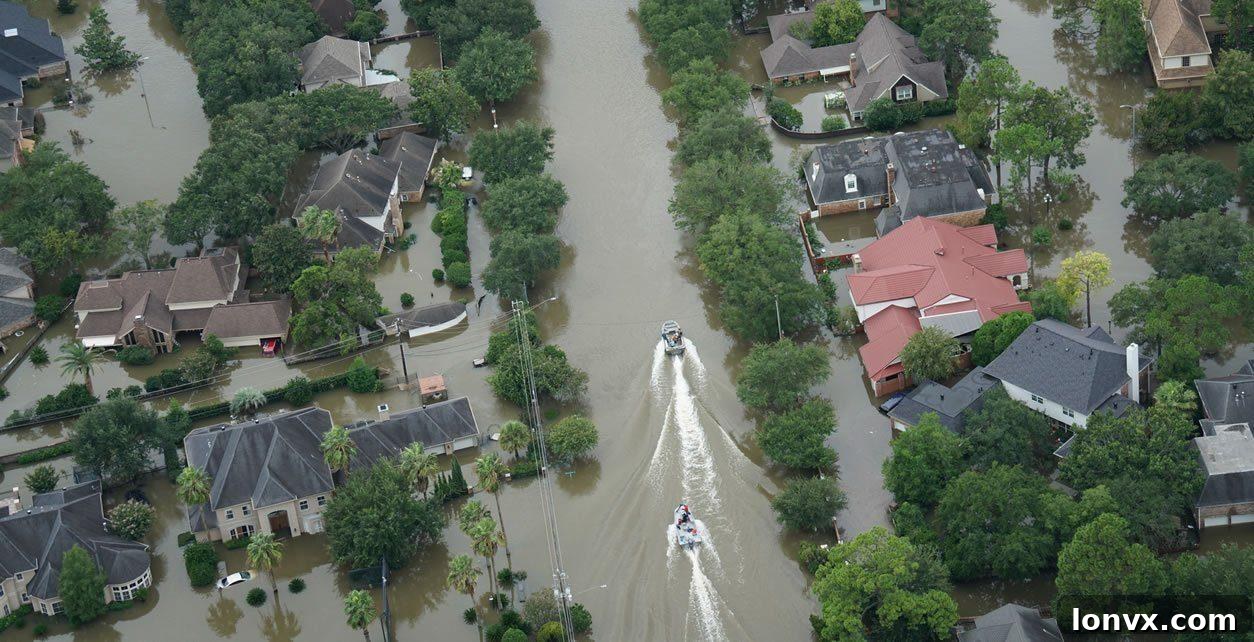
For generations, the spectre of fire loomed largest over homeowners and lenders, representing the primary insurable risk to properties. However, a significant paradigm shift has occurred in the Canadian real estate landscape. Today, fueled by increasingly unpredictable weather patterns and the undeniable impacts of climate change, flood risk has emerged as the new high-water mark for insurance payouts and a paramount concern for property owners across the country. The nature of this threat is multifaceted, with overland flooding and sewer backup incidents becoming predominant challenges for Canadian homeowners.
The implications of this escalating risk are profound, extending far beyond the immediate damage to property. Blair Feltmate, a leading expert from the Intact Centre for Climate Adaptation, succinctly articulates the growing crisis: “There is a rise in uninsurability resulting from the magnitude and frequency of storm events.” This trend underscores a future where obtaining comprehensive flood insurance might become increasingly difficult or prohibitively expensive in certain areas. The repercussions of a flood can be devastating for individuals, leading to prolonged displacement, substantial devaluation of their homes, and for lenders, a concerning increase in toxic mortgages where property values drop below outstanding loan amounts. This financial and emotional burden is not exclusive to individual homeowners; it casts a wide net, incurring immense costs for the entire insurance industry, financial institutions, and municipalities struggling to adapt their infrastructure.
The Imperative of Disclosure: Transparency in Real Estate Transactions
In this evolving risk environment, transparency has become a cornerstone of ethical and responsible real estate practices. For real estate sales representatives listing properties, particularly those with a documented history of flooding or located in known flood-prone areas, proactive disclosure is not merely advisable – it’s a critical legal and ethical obligation. Toronto real estate lawyer Tannis A. Waugh emphasizes this point, stating, “Disclosure offers best avoidance of future litigation.” Failing to disclose such material facts can lead to costly lawsuits, reputational damage, and severe financial consequences for sellers and their agents.
The proactive steps taken by some municipalities further highlight the importance of accessible flood risk information. Recently, the City of Edmonton set a precedent by releasing comprehensive flood maps for over 100 neighbourhoods, effectively disclosing high-risk hot-spots. This initiative empowers potential buyers and their agents to make informed decisions. It is highly recommended that real estate professionals and homeowners alike actively request and review flood mapping information from their local municipality. Understanding the specific flood risks associated with a property’s location is a fundamental step towards informed decision-making and safeguarding against future vulnerabilities. This information should be considered a vital part of any property due diligence process, ensuring that all parties are “in the know.”
Empowering Sellers: Mitigating Flood Risk and Enhancing Property Value
Real estate sales professionals play a crucial role not only in disclosing risks but also in suggesting viable solutions that can mitigate potential flood damage and enhance a property’s marketability. For sellers, investing in flood protection measures can significantly increase buyer confidence and even property value. Key solutions include the installation of backflow prevention valves, which prevent sewage from backing up into a home during heavy rain, and ensuring effective exterior grading that directs water away from the foundation.
Beyond these foundational improvements, homeowners have access to valuable resources. The Home Flood Protection Program, spearheaded by the Intact Centre for Climate Adaptation, offers a wealth of guidance and practical advice for reducing risk in existing houses. While currently focused on Ontario, plans for a national rollout are underway, promising broader accessibility to these vital resources. Implementing these improvements not only protects the property but also serves as a powerful selling point. Such enhancements can be prominently featured in a listing package, providing prospective buyers with greater peace of mind and demonstrating the seller’s proactive approach to property maintenance and resilience. Another forward-thinking approach for sellers is to acquire a property-specific flood insurance quotation and include it directly within the marketing package. This proactive step provides tangible evidence of insurability and offers a clear understanding of potential costs to interested parties.
Protecting Buyers: Due Diligence in a Changing Climate
Conversely, real estate professionals representing buyers bear the responsibility of conducting thorough due diligence to protect their clients from unforeseen flood risks. While some flood risks are visually apparent—such as a property’s close proximity to waterways, or visibly poor exterior grading—many significant flood vulnerabilities offer no immediate visible markers. In such cases, the expertise and investigative efforts of real estate agents become paramount. It is crucial for salespeople to actively research and gather all available information from municipalities, government agencies, and insurance providers pertaining to a property’s flood risk profile.
Integrating a comprehensive home inspection specifically focused on water ingress and an insurability assessment for flood into the purchase agreement offers a critical prophylactic measure. Alan Carson of Carson Dunlop Home Inspection Services highlights his firm’s dedication to this aspect, stating, “We pay close attention to topography and drainage around the home. We also look for evidence of past moisture problems inside and outside the home.” A specialized inspection can uncover hidden issues like foundation cracks, inadequate weeping tile systems, or vulnerabilities in basement waterproofing. Furthermore, obtaining a pre-purchase flood insurance quote is vital; it ensures that the property is insurable at an acceptable cost, preventing unexpected financial burdens post-purchase. This dual approach significantly reduces risk for buyers, offering them a clearer picture of their investment’s long-term viability and protection.
However, it is also important to acknowledge the limitations of visible indicators and even some traditional inspections. Glen McGillivray of the Institute for Catastrophic Loss Reduction points out a crucial distinction: “Topography does not reveal neighbourhood flood risk. There are many factors that create risk to property, not all risk is available from visible indicators.” This underscores the need to look beyond the immediate property boundaries and consider broader municipal infrastructure, historical flood data, and future climate projections when assessing risk.
Municipal Leadership: Investing in Resilient Communities
Recognizing the escalating threat, Canadian municipalities are increasingly stepping up to the challenge, investing significantly in infrastructure upgrades and community-wide flood mitigation strategies. Their efforts are critical in building more resilient urban environments and protecting citizens.
The Toronto Experience: Proactive Measures and Infrastructure Investment
Mayor John Tory of Toronto has been a vocal advocate for flood protection, outlining the city’s substantial commitment: “The City of Toronto is working hard to reduce the risk of basement flooding. Last year, the city spent $82 million on stormwater management – around half of that for the city’s basement flooding protection program. Over the last three years, my administration has been focused on investing in the city’s water, wastewater and stormwater infrastructure.” These investments are not merely reactive; they represent a strategic long-term vision to modernize aging infrastructure and enhance the city’s capacity to handle extreme weather events.
This proactive stance by Toronto is rooted in a growing understanding of intensified storm impacts. As far back as 2009, the City of Toronto released Ahead of the Storm, a foundational document outlining significant flood risks and adaptation strategies. At that time, Mark Yakabuski, then president of the Insurance Bureau of Canada, delivered a stark warning to Toronto City Council: “The one in 40-year storm has become the one in six-year storm and it is making it difficult for insurers to assess risk.” This alarming acceleration in storm frequency foreshadowed the very challenges homeowners face across the country today, highlighting the urgent need for ongoing adaptation and mitigation efforts.
Calgary’s Resilience Journey: Learning from Catastrophe
Calgary provides another compelling example of municipal leadership, shaped by the devastating floods of 2013. Mayor Naheed Nenshi offered his perspective on the city’s ongoing commitment: “As our climate changes and flooding in Calgary becomes more common, protecting our citizens and their homes remains a top priority for The City of Calgary. Since the 2013 flood, we have spent over $150 million on flood mitigation and resilience projects throughout Calgary and we are working closely with the provincial government to build upstream mitigation projects.” Calgary’s comprehensive approach includes both immediate post-disaster recovery and long-term strategic investments in infrastructure, showcasing a commitment to learning from past events and building future resilience. The Mayor further emphasized that preparing for future floods is a shared responsibility, involving not only the city but also home and building owners, with resources continuously offered to help citizens become more resilient.
Real Estate Boards and Provincial Associations: Fostering Dialogue and Action
The real estate industry, through its various boards and associations, is also playing a vital role in addressing flood risk. These organizations serve as crucial conduits for information, advocacy, and professional development.
The Calgary Real Estate Board (CREB), for instance, has actively engaged its members in progressive discussions surrounding flooding. During Earth Week, CREB promoted the NAR Green Destination initiative, fostering active conversations among members about assisting Calgary homeowners with green initiatives. These initiatives often encompass vital flood adaptation and mitigation strategies, recognizing the interconnectedness of environmental sustainability and property protection.
The Canadian Real Estate Association (CREA) acknowledges that flood risk is inherently regional, meaning that specific solutions and mandates often fall under the purview of provincial associations. Matthew Thornton of the Ontario Real Estate Association (OREA) affirms this collaborative approach: “OREA will work with the province of Ontario on initiatives related to climate change, flooding and housing as they emerge.” This commitment highlights the importance of tailored provincial strategies, allowing for responsiveness to localized challenges and opportunities.
A Call to Action: Engaging in the Future of Flood Protection
The escalating threat of flooding demands a unified and ongoing dialogue among all stakeholders: homeowners, real estate professionals, insurers, lenders, and all levels of government. Active participation in this conversation is not just beneficial; it’s essential for building resilient communities and protecting property values.
We strongly encourage you to contact your local real estate board to get involved in the continuing dialogue on this important emergent issue. Your engagement can contribute to shaping policies, sharing best practices, and developing innovative solutions that benefit everyone.
Essential Resources for Flood Protection and Mitigation
Empowering homeowners and real estate professionals with knowledge and tools is paramount. Always check with your local municipality for specific programs, regulations, and opportunities to engage clients in flood protection efforts. Many cities offer comprehensive resources, often including:
- Municipal Basement Flooding Protection Programs: These are often multi-year initiatives designed to identify the root causes of basement flooding within specific neighbourhoods and implement necessary infrastructure upgrades, such as improvements to stormwater and sewer systems.
- Financial Subsidy Programs for Homeowners: Many municipalities provide financial assistance to qualified homeowners for installing approved basement flooding protection devices. For example, some programs offer subsidies for installing backwater valves (which prevent sewage backup) and sump pumps (which remove accumulated water from basements), significantly reducing the financial burden of these critical improvements.
- Public Education and Awareness Campaigns: Recognizing that infrastructure upgrades alone cannot fully protect every home, cities often undertake substantial public education efforts. These campaigns aim to equip property owners with vital information on steps they can take on their own property, such as maintaining eaves troughs, extending downspouts, improving lot grading, and understanding their insurance policies.
- Online Information Portals: Most municipalities maintain dedicated sections on their official websites offering detailed information on what the city is doing to combat basement flooding, along with practical guides and resources for homeowners on how to prevent it. For instance, residents of Toronto can find extensive information and resources directly at toronto.ca/basementflooding.
By leveraging these resources and fostering a proactive approach, we can collectively work towards a future where Canadian homes are better protected against the escalating challenges of flood risk.