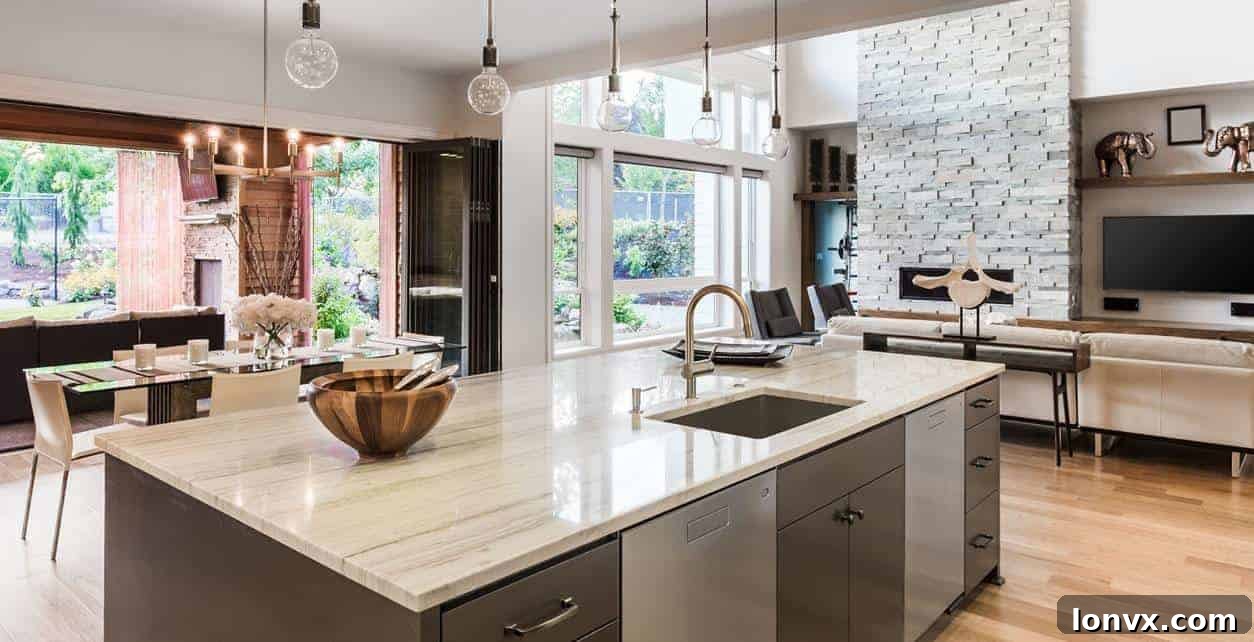
The Evolving Real Estate Landscape: Why Home Staging is More Crucial Than Ever
In the dynamic world of real estate, market conditions are constantly shifting. It’s an interesting paradox: when the market cools and competition intensifies, one might naturally assume that sellers would be more inclined to employ every available strategy to ensure their property stands out. Logic suggests that with buyers having an abundance of choices, sellers would proactively take steps to make their homes as appealing as possible. Yet, experience tells a different story. Instead of embracing powerful marketing tools like home staging, there’s often a noticeable reluctance, leading to properties languishing on the market or selling for less than their potential.
Understanding the Market Shift: From Seller’s Frenzy to Buyer’s Scrutiny
Cast your mind back to 2016 and 2017. Those were years characterized by a robust seller’s market, where homes often sold within days, frequently sparking bidding wars and exceeding asking prices. During that period, home staging was widely embraced by sellers. The primary motivation wasn’t just to sell quickly, but to maximize profit, often aiming to surpass what neighbours’ properties had fetched. It was a time of confidence, where investing a little in presentation was seen as a clear path to significant returns. Sellers were actively seeking an edge to capitalize on the market’s momentum.
However, the tides have turned dramatically. Today, the real estate landscape is marked by increased inventory and heightened competition. Buyers are no longer in a frantic rush; they are discerning, taking their time, and meticulously evaluating their options. In this environment, one would expect staging to become an indispensable tool. Surprisingly, many properties are now listed “as is,” often left vacant for extended periods, or presented without the strategic enhancements that home staging provides. This approach, while seemingly saving upfront costs, often proves to be a false economy, leading to longer market times and subsequent price reductions.
The Reluctance Revealed: Deconstructing Seller Objections to Home Staging
The hesitation to invest in home staging in the current market stems from a few key misconceptions and concerns. Addressing these is vital for both sellers and real estate agents striving for optimal outcomes.
- Myth 1: Staging Won’t Get Me Above Asking Price Anymore
- Myth 2: Staging Costs Too Much, Especially if the House Sits for Months
One of the most prevalent objections is the belief that staging no longer guarantees a sale above the asking price. While the frenzied bidding wars of a few years ago might be less common, this perspective overlooks the multifaceted value of staging. In today’s competitive environment, staging’s primary role isn’t solely to inflate the sale price beyond market value, but rather to ensure the property achieves its *full market potential* and sells *expeditiously*. A well-staged home is less likely to receive lowball offers and significantly reduces the risk of price reductions down the line. It protects your equity by presenting the home in its best light, making it irresistible to potential buyers and differentiating it from unstaged competitors. Think of it as an insurance policy for your asking price, safeguarding against the need for costly price adjustments.
Moreover, a staged home subtly communicates a message of quality and care. Buyers perceive it as well-maintained and turn-key, which can still lead to offers at or slightly above a well-researched market price, even if a bidding war isn’t guaranteed. The goal shifts from ‘getting above asking at all costs’ to ‘maximizing value and speed of sale in a challenging market.’
The perception of staging as an expensive, unnecessary outlay is a significant barrier. Sellers often calculate the staging fee and balk, especially if they anticipate a lengthy sale process. However, this objection often fails to account for the substantial “carrying costs” associated with a home that remains unsold for an extended period. When a property sits on the market for months, the cumulative financial burden can quickly dwarf the initial investment in staging.
Beyond the Price Tag: Unpacking the True Cost of Not Staging
To truly understand the value of staging, sellers must consider the comprehensive financial implications of an unsold property. These carrying costs accumulate relentlessly:
- Mortgage Payments: Every month the house doesn’t sell, another mortgage payment is due.
- Property Taxes: These continue regardless of occupancy or sale status.
- Insurance: Homeowner’s insurance is a non-negotiable expense.
- Utilities: Even a vacant home incurs costs for electricity, heating/cooling, water, and often internet or security systems.
- Maintenance and Repairs: Lawns need mowing, gardens need tending, and unexpected repairs can always arise.
- Opportunity Cost: The capital tied up in the unsold property could be earning interest or invested elsewhere. Furthermore, a delayed sale might mean missing out on purchasing a new home or taking advantage of a better market opportunity for your next move.
Let’s put this into perspective with a practical example. Imagine a professional staging investment of approximately $10,000 for a three-month period. For an $850,000 house, this represents merely a 1.2 percent investment in the property’s potential sale price. Now, compare this percentage to the aggregate carrying costs for those same three months. A typical $850,000 home might incur monthly costs upwards of $4,000-$6,000 (depending on mortgage, taxes, utilities, etc.). Over three months, this easily adds up to $12,000 – $18,000, and potentially much more. When you contrast this with the staging investment, which actively works to *shorten* the sale period, the choice becomes clear.
The objective of staging is precisely to sell the home more quickly, thereby minimizing these ongoing expenses. By investing a relatively small amount upfront, sellers can prevent significant financial drain and emotional stress over time. It’s a strategic move that pays dividends by reducing the total cost of ownership during the sales process. To accurately calculate your potential savings, you can utilize a specialized resource. Discover your true carrying costs and see the substantial savings potential by checking out a dedicated cost calculator here.
The Irrefutable ROI of Professional Home Staging
Viewing home staging not as an expense but as an essential investment is key. Numerous studies and industry statistics consistently demonstrate a strong return on investment (ROI) for staged homes. While the exact percentage can vary by market and property type, staged homes often sell faster and for a higher percentage of their asking price compared to unstaged homes. The 1.2% investment mentioned previously for a three-month staging period, when successful in selling the home faster, can easily yield a return that far outweighs the initial outlay by mitigating price reductions and reducing carrying costs. Staging empowers sellers to command their desired price point by creating an undeniable value proposition for buyers.
Why Staging is a Universal Sales Accelerator: Connecting with Every Buyer
The beauty of home staging lies in its universal appeal. It transcends market conditions and seller motivations because its impact resonates deeply with every potential buyer. Once sellers commit to the idea of moving, their core desire is almost always twofold: to sell their house quickly and to maximize their financial return from the sale. Staging directly addresses both these aspirations.
Equally, every buyer approaches a property with a fundamental desire: to feel they’ve secured a good deal, paying less while receiving more value. A professionally staged home effortlessly meets this psychological need. It presents a property that appears immaculately maintained, updated, and genuinely move-in ready. This eliminates perceived future costs and effort for the buyer, making the home significantly more attractive.
The Power of First Impressions: Online and In-Person
In today’s digital age, the first showing often happens online. High-quality, professional photographs of a beautifully staged home are crucial. They capture attention, entice buyers to click, and drive foot traffic to open houses and private viewings. A drab, empty, or cluttered space simply doesn’t compete in the visual arena. When buyers physically walk through a staged home, they experience a curated environment that highlights the property’s best features, creates a welcoming atmosphere, and allows them to visualize themselves living there.
Creating Emotional Resonance and Vision
Staging transforms a house into a home in the buyer’s imagination. It’s about selling a lifestyle, not just bricks and mortar. Thoughtfully placed furniture, artwork, and accessories create an emotional connection, helping buyers envision their future. An empty room feels cold and much smaller than it is, while a perfectly staged room feels spacious, inviting, and full of potential. This emotional connection is a powerful driver in the purchasing decision.
Highlighting Strengths, Minimizing Weaknesses
Professional stagers are experts at accentuating a home’s architectural assets, optimizing natural light, and strategically arranging spaces to feel larger and more functional. Simultaneously, they can subtly downplay minor imperfections or less desirable features, ensuring that the property’s overall appeal remains paramount. It’s about controlled presentation, guiding the buyer’s eye to what matters most.
The “Move-In Ready” Advantage: Fulfilling Buyer Expectations in a Competitive Market
One of the most compelling arguments for staging is its ability to create a “move-in ready” perception. Buyers today are often time-constrained and renovation-averse. They are willing to pay a premium for a home where they can simply unpack their bags and start living, without the immediate stress, expense, and disruption of painting, repairing, or updating. A staged home signals that the property has been cared for, is up-to-date, and requires minimal effort from the new owners. This convenience factor is a significant selling point in a competitive market where buyers have ample alternatives.
Strategic Imperative: Integrating Staging into Your Marketing Arsenal
The market has unequivocally shifted, and so too must your marketing tactics. Incorporating home staging is no longer an optional add-on; it’s a strategic imperative to gain a definitive edge over your competition.
For Real Estate Agents: Elevating Your Listing Strategy
Real estate agents play a pivotal role in educating sellers about the benefits of staging. Start by integrating a comprehensive staging consultation into every one of your listing presentations and client onboarding plans. Position it not as an extra service, but as a core component of your proven marketing strategy. By doing so, you demonstrate a commitment to maximizing your clients’ sale potential and showcase your expertise in navigating competitive markets. Agents who consistently recommend and facilitate staging often achieve faster sales, secure better prices for their clients, and ultimately build a stronger reputation and client base.
Educating Sellers: Making the Case for Investment
Sellers need to see the tangible value. Provide them with data, case studies, and a clear breakdown of how staging directly impacts their bottom line. Help them understand that the modest investment in staging pales in comparison to the financial and emotional costs of a protracted sale or a significant price reduction. Frame it as a necessary step to attract the right buyers and ensure a smooth, profitable transaction.
The Indispensable Role of a Professional Home Stager
An experienced and reputable home stager is an invaluable partner. They possess the design expertise, market knowledge, and objective perspective to transform a property’s appeal. A professional stager can help you, the agent, articulate the investment’s benefits to a hesitant client, presenting a compelling case for why staging is in their absolute best interest. Their specialized skills can unlock a home’s true potential, making it irresistible to the target demographic.
Conclusion: Staging – Your Non-Negotiable Edge in Today’s Real Estate Market
In conclusion, the current real estate market demands a sophisticated and proactive selling strategy. The days when properties sold themselves are largely behind us. Home staging, far from being a luxury, has evolved into a fundamental component of effective property marketing. It is a smart, strategic investment for all sellers, irrespective of market conditions, because it directly addresses the universal desires of all buyers: quality, value, and a hassle-free move. By embracing professional home staging, sellers can significantly increase their chances of a swift sale, achieve their property’s maximum market value, and navigate the competitive landscape with confidence and success. Don’t just list your home; stage it to sell.