The Hybrid Advantage: How Multi-Use Commercial Spaces Are Redefining Retail and Hospitality
In an era marked by dynamic shifts in consumer behavior and persistent economic challenges, the retail and hospitality sectors are undergoing a profound transformation. Traditional models are giving way to innovative multi-use commercial spaces, creating a new paradigm for success. These pioneering businesses are strategically offering a diverse range of services under a single roof, meticulously optimizing every square foot to its maximum potential. This integrated approach not only drives efficiency but also cultivates richer, more engaging experiences for customers, ultimately fostering increased dwell time and greater spend.
Industry experts are observing this evolution with keen interest. Jason Kleyn, a prominent broker at Hospitality Real Estate in Toronto, remarks, “While it’s challenging to quantify precisely, based on my observations, this is unequivocally a growing trend.” Echoing this sentiment, Ali Baker, Principal of Retail Sales and Leasing at Avison Young in Toronto, notes, “Although specific statistical data might be scarce, anecdotal evidence strongly suggests a surge in popularity. Retailers, in particular, are becoming increasingly creative in their efforts to enhance customer engagement, extend their time within the premises, and boost their purchasing behavior.” This innovative strategy represents a critical adaptation for businesses striving to thrive in a competitive and ever-changing marketplace.
Crafting Diverse Experiences Under One Roof: A New Business Imperative
The core philosophy behind the multi-use model is simple yet powerful: give customers more reasons to visit and, crucially, more reasons to stay. As Kleyn aptly puts it, “Businesses are consistently asking themselves what additional elements they can integrate into their brand to entice people to come — and to linger.” This strategic introspection leads to the creation of vibrant, multifaceted environments that cater to a broader spectrum of needs and desires, transforming a simple visit into a comprehensive experience.
Case Study: Now & Later – A Culinary and Cultural Hub in Toronto
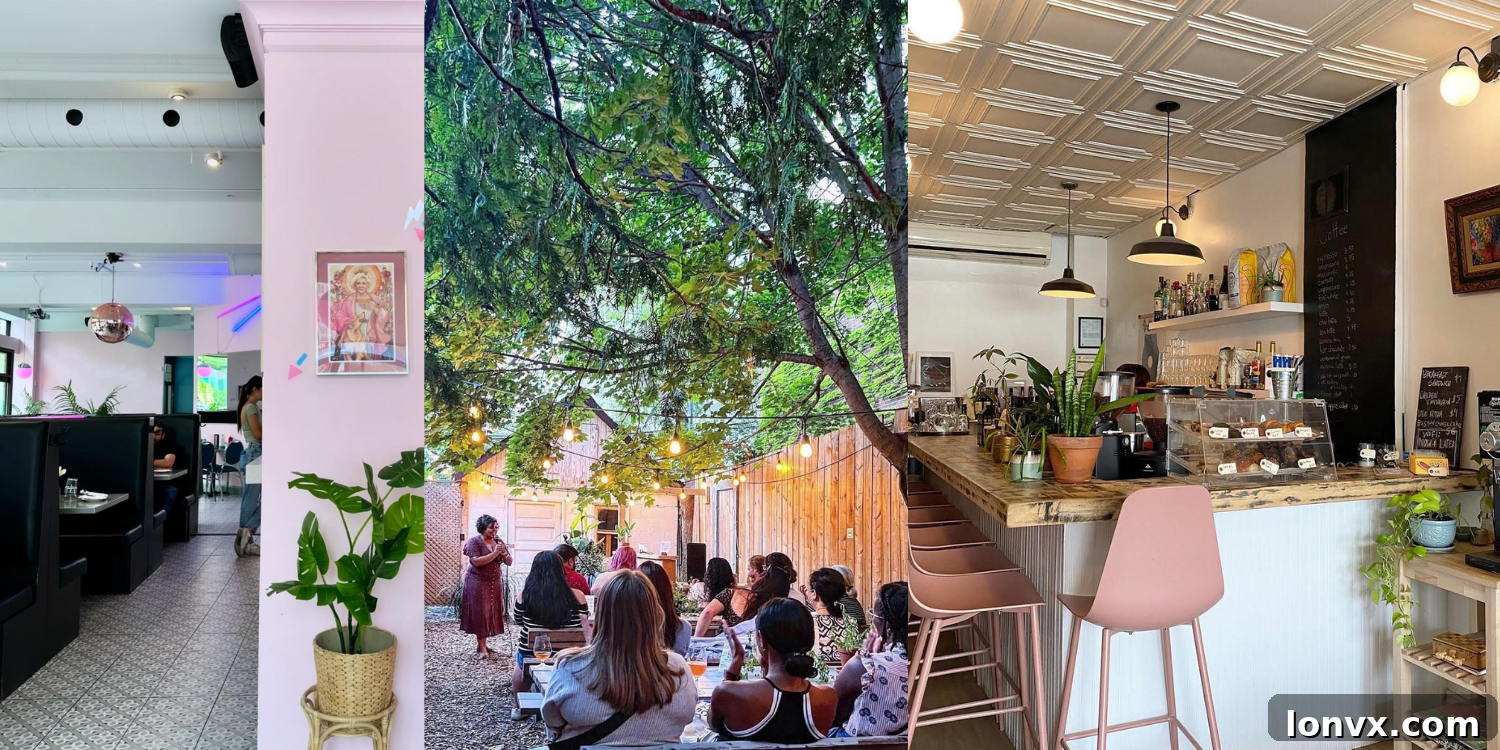
A shining example of this multi-faceted approach is Now & Later, nestled on Bloor Street West in Toronto. Far from being a conventional café, this establishment has masterfully diversified its offerings. Patrons can kickstart their day with a delightful array of morning treats, from freshly brewed coffee and indulgent Belgian waffles to classic French toast. As the day transitions into evening, Now & Later transforms into a sophisticated dinner spot, serving exquisite wines, craft beers, fresh oysters, and hearty beef bourguignon. But its appeal doesn’t stop at dining. The venue boasts a curated bottle shop, hosts lively live music performances, and actively fosters community engagement through events like pop-up photo exhibits and engaging book exchanges. This blend of dining, retail, and cultural activities creates a magnetic pull for a diverse clientele.
Chris Novakoski of Now & Later elaborates on their dynamic strategy: “Operating a business in today’s economic climate is inherently challenging, with constant fluctuations and the cost of doing business being less predictable than ever. Introducing vintage clothing racks and hosting pop-up events felt like a natural and effective way to maintain customer interest and generate buzz. More recently, our decision to expand into dinner service five nights a week has been exceptionally well-received, demonstrating the value of continuous adaptation and innovation.” This illustrates how strategic diversification can not only attract new customers but also significantly enhance existing customer loyalty and revenue streams.
Navigating Economic Headwinds: Adaptation and Innovation as Cornerstones of Success
The indelible impact of global events, such as the COVID-19 pandemic, on the hospitality and retail real estate industries was truly far-reaching. More recently, persistent inflation and climbing interest rates have further compelled consumers to be more discerning and strategic in their spending habits. These significant challenges, however, have not stifled growth; rather, they have served as powerful catalysts, rousing both the hospitality and retail markets to embrace profound adaptation and innovation. Businesses are no longer just reacting; they are proactively reshaping their models to meet evolving consumer expectations and economic realities.
“Meeting and exceeding consumer expectations has become significantly harder,” states Kleyn. “While people might be tightening their belts and spending slightly less, their desire for elevated, memorable experiences has only intensified. The hospitality real estate sector is now intensely focused on captivating consumers with novel and exciting offerings. The possibilities for innovation are truly boundless.” This shift underscores a movement away from mere transaction toward meaningful engagement, where the ‘experience’ itself becomes the primary product.
Case Study: GameTime Social – Blending Dining and Entertainment in Burlington
Kleyn highlights GameTime Social in Burlington as a prime example of a hospitality venue that has brilliantly adapted and innovated. This establishment seamlessly integrates a high-quality dining experience with a sprawling entertainment section. After enjoying their meal, patrons can easily transition to a vibrant area featuring an array of arcade games, state-of-the-art bowling lanes, and engaging billiards. Kleyn explains, “This integrated entertainment component is designed to encourage consumers to extend their stay significantly beyond just food and drinks, thereby maximizing their overall spend and enjoyment within the venue.” GameTime Social demonstrates a successful model where diverse activities complement each other to create a holistic, extended customer journey.
Case Study: Electric Diner – Nostalgia and Novelty in Hamilton
In the fiercely competitive restaurant industry, the imperative to stand out from the crowd has never been more critical. Entrepreneurs are increasingly recognizing that uniqueness is key to sustained success. Kleyn points to Electric Diner, located in Hamilton, Ontario, as a perfect embodiment of this philosophy. This restaurant is a vibrant homage to the 1980s, meticulously reflected in both its distinctive décor and its playfully nostalgic menu items. It caters not only to consumers who yearn for that bygone era but also to younger generations eager to experience something fresh and different.
At Electric Diner, the exceptional food experience is thoughtfully enhanced by a curated calendar of complementary activities designed to retain foot traffic and foster a strong sense of community. These include engaging trivia nights, classic movie showings, and lively karaoke sessions. “It’s fundamentally about cultivating an immersive engagement with your customers,” Kleyn explains, “an engagement that unmistakably sets you apart from the competition.”
Baker concurs, emphasizing the universal consumer demand for richer experiences. “Today’s consumers are expecting more than just a product or a meal; they anticipate genuine experiences,” she states. “When a business can successfully offer something versatile, innovative, and distinctly different from the typical shopping trip or restaurant visit, it invariably attracts a loyal base of repeat visitors, drawing them in from both local communities and further afield.” This highlights the power of experiential offerings in building long-term customer relationships.
The Ultimate Convenience: One Stop for All Activities
The concept of maximizing space for profitability extends beyond entertainment and dining to personal well-being and productivity. Businesses are strategically bundling services that might traditionally be found in separate locations, offering unparalleled convenience and value to their clientele. This holistic approach caters to the modern consumer’s desire for efficiency and integrated lifestyle solutions, positioning these multi-use spaces as comprehensive community hubs.
Case Study: Sweat and Tonic – A Premium Wellness Ecosystem in Toronto
Ali Baker highlights Sweat and Tonic as a premier example of a property that leverages every inch of its space for maximum profitability and customer engagement. “While they are fundamentally a ‘gym first’ concept, they have ingeniously integrated multiple additional components into their business model that provide compelling reasons for customers to stay longer and increase their spend,” she explains. Beyond its extensive array of high-quality fitness classes, Sweat and Tonic features a sophisticated lounge area perfect for relaxation, a dedicated co-working workspace for productivity, and even a versatile event venue. This creates a complete ecosystem where patrons can train, unwind, work, and socialize all within the same dynamic environment.
Moreover, Sweat and Tonic proactively embraces non-gym members, expanding its revenue potential and community reach. Baker adds, “For instance, their Tonic Bar is strategically positioned at the front of their premises. This inviting café is fully open to the public, not exclusively to gym members, making it an ideal spot for passers-by to grab a quick coffee, a healthy snack, or a refreshing smoothie. For gym-goers, it provides the perfect post-workout replenishment, further enhancing their overall experience.” This strategic accessibility transforms a fitness center into a vibrant community touchpoint.
Case Study: Altea Active – The All-Inclusive Social Fitness Destination
Altea Active represents another formidable business model that excels at maximizing its square footage and diversifying its appeal. Baker notes, “Altea Active is not just a gym; it’s a fully integrated social club and fitness center rolled into one comprehensive destination.” Members gain exclusive access to an expansive, state-of-the-art gym, a wide variety of cutting-edge fitness classes, luxurious spa facilities for ultimate relaxation, diverse food concepts and restaurants catering to various tastes, exhilarating bowling alleys, advanced golf simulators, and much more. “(The business) truly provides a one-stop solution for an extensive range of activities, fulfilling both wellness and social needs simultaneously,” Baker emphasizes. This ultimate convenience not only drives memberships but fosters a powerful sense of belonging and community among its users.
The Future Landscape: Sustainable Growth Through Innovation
The rise of multi-use commercial spaces is more than a fleeting trend; it represents a fundamental shift in how retail and hospitality businesses conceive of their physical footprint and engage with their clientele. By creating environments that offer diverse services, experiences, and conveniences, these innovative models are building resilience against economic fluctuations and forging stronger connections with their communities. The ability to adapt, innovate, and offer compelling value is proving to be the cornerstone of sustainable growth in a rapidly evolving market. As consumer demands continue to gravitate towards convenience, experience, and community, the hybrid model of commercial spaces is set to define the future of urban centers and local economies alike, promising vibrant, dynamic destinations for years to come.
Photo credits: Instagram.com/nowandlaterto, Instagram.com/electricdinerhamont
Enjoying this article?
Get the latest industry insights directly in your inbox. Stay updated on the newest trends and developments.