The Brilliant Business Case for LED Lighting: Maximizing Property Value and Savings
In the competitive landscape of real estate, strategic decision-making can significantly enhance property value, reduce operational costs, and elevate client satisfaction. For real estate professionals, investors, and property owners, identifying opportunities for substantial, long-term savings is paramount. One such opportunity, often underestimated, lies in the intelligent adoption of modern lighting solutions. This comprehensive guide explores why upgrading to Light-Emitting Diode (LED) lighting isn’t merely an aesthetic choice but a shrewd financial and environmental investment that offers profound benefits for both residential and commercial properties.
Providing insightful, actionable advice is a hallmark of exceptional real estate service. Educating clients on tangible ways to optimize their property assets, from energy efficiency to reduced maintenance, builds trust and reinforces expertise. The transition to advanced LED lighting stands out as a prime example of a ‘value-add’ that promises remarkable returns on investment, improved property appeal, and a host of other advantages that resonate deeply with today’s environmentally conscious and financially savvy market.
Illuminating the Core Differences: LED vs. Traditional Lighting
To fully appreciate the transformative power of LED technology, it’s crucial to understand its predecessors and the fundamental distinctions in their operation, efficiency, and overall impact. For generations, incandescent and fluorescent bulbs served as the primary lighting solutions, each with inherent strengths and considerable drawbacks.
The Inefficient Era of Incandescent Bulbs
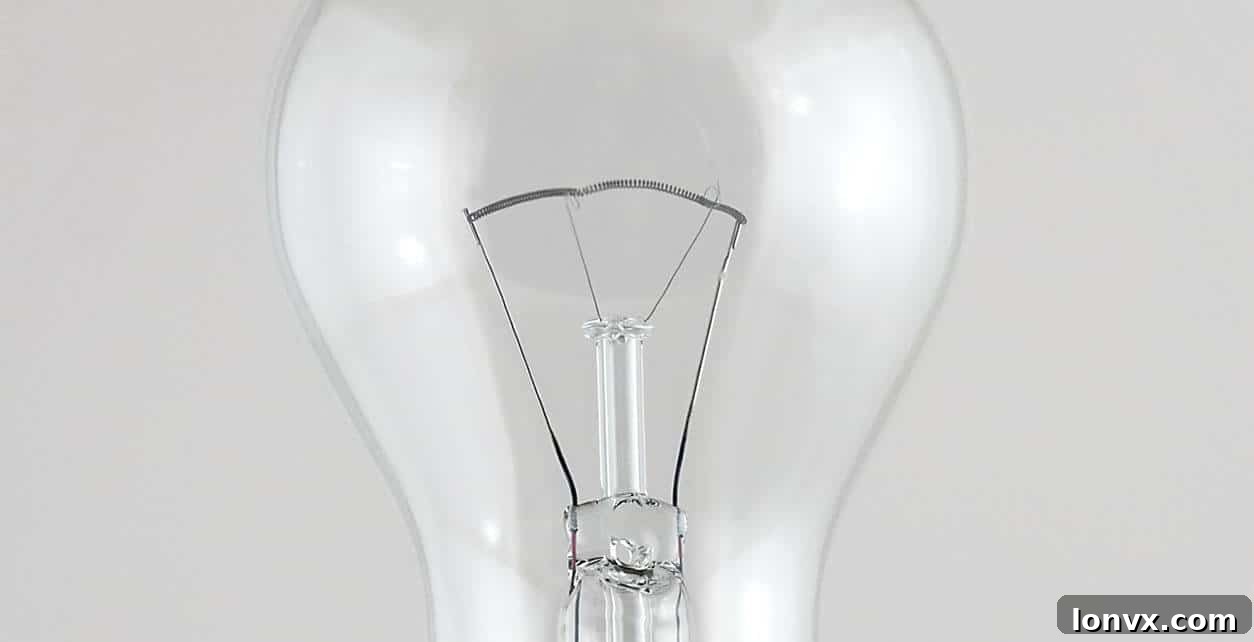
Incandescent light bulbs, a technology that revolutionized illumination in the late 19th century, function by passing an electric current through a thin tungsten filament, heating it until it glows brightly. While they produce a pleasant, warm light, their energy conversion process is remarkably inefficient. A staggering 90% of the electrical energy consumed by an incandescent bulb is wasted as heat (infrared radiation), with only about 10% converting into visible light. This inefficiency translates directly into inflated electricity bills and can even contribute to higher cooling costs, especially in larger spaces or warmer climates where numerous bulbs generate substantial heat. Furthermore, their notoriously short lifespan, typically ranging from 750 to 1,200 hours, necessitates frequent replacements, piling on maintenance expenses and operational interruptions.
Fluorescent Lighting: A Bridge to Better Efficiency, with Compromises
Fluorescent bulbs represented a significant advancement over incandescents in terms of energy efficiency and longevity. These lights produce illumination by passing an electric arc through a noble gas and mercury vapor, generating ultraviolet (UV) light. This UV light then excites a phosphor coating inside the bulb, which emits visible light. Offering lifespans of 7,000 to 15,000 hours, fluorescent lights reduced energy consumption compared to incandescents. However, they are not without their limitations. Fluorescent tubes contain mercury, a hazardous substance requiring specialized disposal procedures. They can also suffer from issues like flickering, buzzing, slow warm-up times, and limited dimming capabilities, often requiring specific, more expensive dimmers. The quality of light can sometimes appear stark or artificial, affecting the ambiance of a space.
LED Technology: The Apex of Efficiency and Performance
Light-Emitting Diodes (LEDs) signify a revolutionary leap in lighting innovation. Unlike the filament or gas-based operation of their predecessors, LEDs are semiconductor devices that produce light through electroluminescence – a process where electrons recombine with holes within the semiconductor material, releasing energy in the form of photons. This solid-state technology is inherently more efficient, generating light with minimal heat output and maximal energy conversion. The robust design and advanced physics behind LEDs contribute to their superior performance across every metric: efficiency, longevity, durability, light quality, and environmental impact.
The Astounding Financial Impact: A Deep Dive into Energy Savings
The most immediate and compelling argument for transitioning to LED lighting is the dramatic reduction in electricity consumption. The disparity in operating costs between traditional incandescent bulbs and modern LED alternatives is simply staggering, making a compelling case for widespread adoption across all property types.
Consider a practical comparison: in many regions, operating a conventional 60-watt incandescent lamp for 24 hours can cost approximately 15 cents. In stark contrast, an LED bulb designed to produce the equivalent amount of illumination (lumens) would consume significantly less power, resulting in an operational cost of only about 2.5 cents for the same 24-hour period. This represents an incredible six-fold reduction in daily electricity expenditure for a single light source. When extrapolated to an entire residential property or, even more dramatically, to the common areas and units of a large investment property or commercial building, these daily savings aggregate into substantial annual figures, directly impacting a property’s bottom line.
For property owners, investors, and managers who require a more detailed financial projection, a comprehensive analysis spreadsheet has been developed. This valuable resource models the long-term costs associated with operating 30 lights continuously for 24 hours a day over a period of 20 years. While this scenario illustrates an extreme, constant usage pattern, the underlying principles and the formidable cost ratio between incandescent and LED lighting technologies remain consistent and highly indicative of the profound long-term financial benefits. This tool allows users to input their specific local electricity rates and usage patterns to generate personalized savings estimates, offering undeniable clarity on the return on investment:
The spreadsheet with all calculations and customizable inputs can be downloaded here. Easily plug in your specific numbers (light colors indicate inputted values; dark colors represent calculated outcomes).
Beyond Energy: The Crucial Role of Maintenance and Total Cost of Ownership
While the dramatic energy savings are a primary driver for LED adoption, the complete financial picture extends far beyond the monthly utility bill. When assessing the total cost of ownership over a product’s operational lifespan, the often-overlooked expenses of procurement and ongoing maintenance become critical factors where LED lighting truly outperforms its alternatives.
Unprecedented Longevity and Reduced Replacement Cycles
One of the most compelling advantages of LED bulbs is their extraordinary operational lifespan. While a traditional incandescent bulb typically lasts for a mere 750 to 1,200 hours and a fluorescent tube for 7,000 to 15,000 hours, an average quality LED bulb boasts a life expectancy of 25,000 to 50,000 hours, with many premium models exceeding 100,000 hours. This phenomenal longevity translates into a staggering difference in replacement frequency. To contextualize, for every single LED bulb installed and operating over its full lifespan, an incandescent bulb would need to be replaced an astonishing 20 to 50 times! This dramatic reduction in replacements translates directly into monumental savings on labor costs, procurement of new bulbs, and the logistical hassle of maintenance, particularly in large commercial complexes, multi-unit residential buildings, or public spaces where accessibility can be challenging and costly.
For property managers and owners, this extended lifespan represents a game-changer. Fewer bulb changes mean fewer disruptions for tenants, reduced administrative overhead for maintenance scheduling, and a significant slashing of annual operating budgets. This is precisely why many municipalities globally have strategically transitioned their traffic signals, streetlights, and public facility lighting to LEDs, recognizing the immense long-term cost efficiencies and improved public safety due to consistent illumination.
Enhanced Durability and Resilience
Unlike fragile incandescent bulbs with their delicate filaments and glass enclosures, or fluorescent tubes susceptible to breakage, LEDs are solid-state lighting devices. This inherent construction makes them exceptionally resistant to vibrations, impacts, and extreme temperature fluctuations. This robust durability significantly broadens their application possibilities, making them ideal for outdoor lighting, industrial environments, retail displays, and other areas where traditional bulbs would quickly fail under stress. Their resistance to damage also reduces waste from premature failures, further contributing to environmental benefits.
Environmental Stewardship and Superior Light Quality
The advantages of LED technology are not confined to financial savings alone; they also extend into critical areas of environmental responsibility and the enhancement of living and working environments.
A Significantly Greener Footprint
A crucial environmental benefit of LED bulbs is their composition. Unlike fluorescent lights which contain mercury – a highly toxic heavy metal that poses significant environmental and health risks upon improper disposal – LED bulbs are completely mercury-free. They also typically contain no lead, making them a much safer and more eco-friendly lighting choice throughout their entire lifecycle, from manufacturing to disposal. By drastically reducing electricity consumption, LEDs contribute directly to a lower carbon footprint from power generation, actively supporting global sustainability goals and allowing properties to achieve higher green building certifications like LEED, which can be a powerful selling point for environmentally conscious tenants and buyers.
Cooler Operation for Broader Applications and Reduced HVAC Load
As previously highlighted, incandescent bulbs convert most of their energy into heat. This heat can be problematic, potentially damaging sensitive goods, increasing the need for air conditioning, and posing fire risks in confined spaces. LEDs, by contrast, are renowned for their ‘cool’ operation, emitting light with minimal radiant heat from the illuminated surface. While LEDs do generate some heat at the semiconductor junction, sophisticated internal heat sinks are expertly engineered to dissipate this heat away from the light source, ensuring the bulb’s stability and extended lifespan. This ‘cool light’ attribute makes LEDs uniquely suited for specialty applications, such as illuminating food displays in supermarkets (preventing spoilage), protecting delicate textiles and artworks in museums (preventing fading and damage), or lighting areas near combustible materials where heat could pose a hazard. Furthermore, the reduced heat output contributes to lower air conditioning loads, especially in commercial buildings with extensive lighting systems, leading to additional HVAC energy savings.
Unparalleled Light Quality and Versatility
Modern LED technology offers unprecedented control over light quality, allowing property owners to precisely tailor illumination to specific needs and aesthetic preferences. Users can choose from an expansive spectrum of color temperatures, from very warm, inviting yellows (e.g., 2700K) that perfectly mimic traditional incandescent ambiance, to crisp, neutral whites (e.g., 4000K-5000K) ideal for task-oriented environments like offices or kitchens, and even vibrant, daylight-simulating blues (e.g., 6000K+) for outdoor or specialized applications. High Color Rendering Index (CRI) LEDs ensure that colors within a space appear true, vibrant, and natural, significantly enhancing visual appeal and comfort. Additionally, LEDs provide instant-on illumination with no warm-up delay, seamless dimming capabilities (when paired with compatible dimmers), and are free from UV or IR radiation, which helps protect furnishings, fabrics, and artwork from degradation and fading over time.
Overcoming the Upfront Cost: A Strategic Investment Perspective
It is an undeniable fact that the initial acquisition cost of an LED bulb is typically higher than that of an incandescent or even some fluorescent counterparts, often by a factor of three to six times. However, focusing solely on this upfront expense is a shortsighted perspective that overlooks the colossal long-term savings and benefits. Savvy property owners and real estate professionals understand that an LED upgrade should be viewed not as an expense, but as a strategic capital investment with a highly favorable return on investment (ROI).
The comprehensive business case for LED lighting becomes overwhelmingly bright when all factors are considered: the dramatically reduced energy consumption, the near-elimination of maintenance costs over their extended operational lifespan, and their significant positive environmental impact. Furthermore, with electricity rates consistently projected to escalate year after year across most global regions, the financial justification for making the switch to LEDs only intensifies with each passing month. Properties equipped with advanced LED lighting can confidently boast lower operational overheads, making them significantly more attractive to prospective tenants and potentially commanding higher valuations in the competitive real estate market. It’s also worth noting that many governmental bodies and utility companies actively offer rebates, grants, and incentives for energy-efficient upgrades, further mitigating the initial outlay and accelerating the payback period.
The Future is Bright: Smart Lighting Integration and Property Enhancement
The evolution of LED technology continues at a rapid pace, bringing increasingly sophisticated features to the market. The integration of smart LED lighting systems with home automation platforms and building management systems offers unprecedented control and customization. These smart systems enable remote control, programmable scheduling, dynamic mood lighting adjustments, color tuning, and even occupancy sensing, leading to further optimized energy usage and enhanced user convenience. For commercial properties, these intelligent systems can provide invaluable data on lighting usage patterns, allowing for predictive maintenance, optimized energy management strategies, and deeper insights into building performance.
For real estate professionals, advising clients on these cutting-edge technological advancements is not just about cost savings; it’s about positioning properties as modern, highly efficient, technologically advanced, and exceptionally desirable assets. From individual homeowners seeking to reduce their carbon footprint and utility bills, to large-scale commercial developers aiming for prestigious green building certifications and operational excellence, LED lighting stands as a fundamental cornerstone of smart, sustainable, and profitable property management.
Conclusion: A Luminous Opportunity for Enhanced Property Value
The evidence unequivocally supports the conclusion that the transition to LED lighting represents one of the most intelligent and impactful upgrades a property owner can undertake today. It offers an unparalleled combination of massive energy savings, drastically reduced maintenance burdens, superior and customizable light quality, enhanced durability, and significant environmental advantages. For real estate professionals, advocating for and guiding clients through LED conversions is a powerful strategy to add tangible value, demonstrate forward-thinking expertise, and help clients secure superior returns on their property investments.
In an era where sustainability, operational efficiency, and long-term cost-effectiveness are paramount drivers of value in real estate, embracing advanced LED technology is not merely a beneficial choice but a strategic imperative. The business case for LED light bulbs isn’t just getting brighter; it is already fully illuminating the path towards a more profitable, sustainable, and attractive future for properties across all sectors.