The Shifting Landscape of Real Estate: Is the Industry Disrupting Itself From Within?
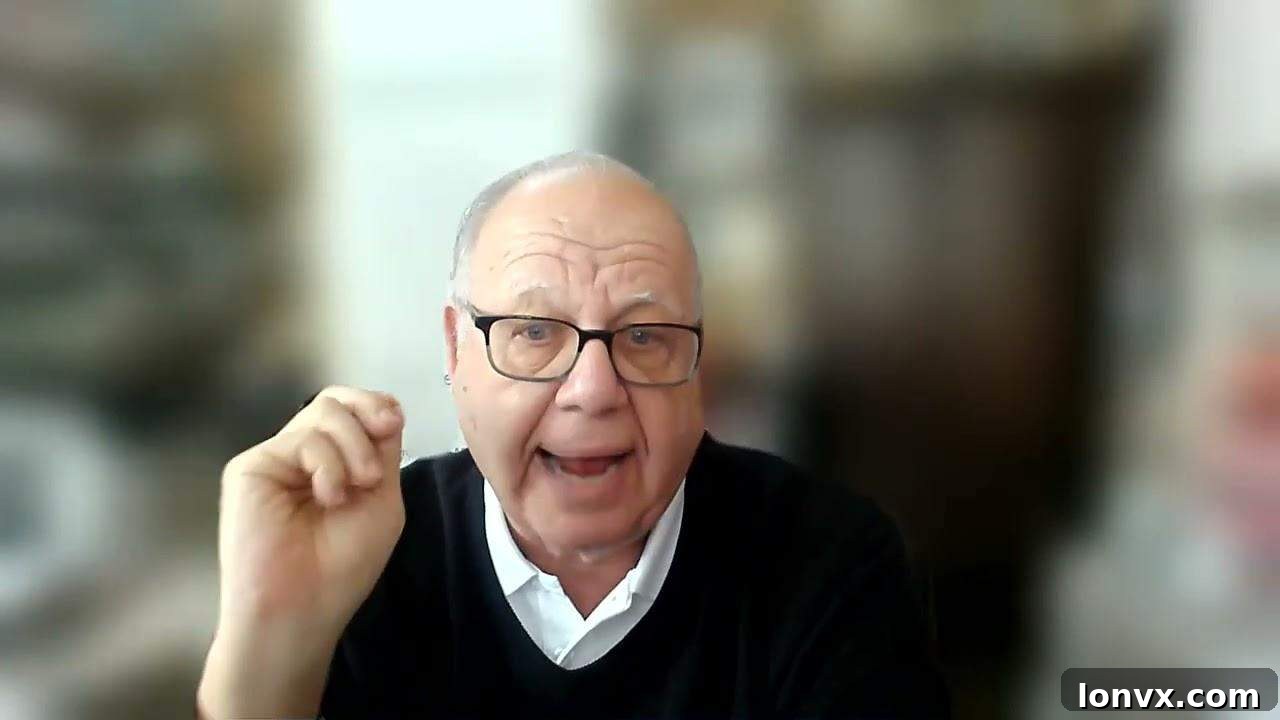
In a compelling commentary that challenges conventional wisdom, veteran Realtor and long-time industry observer Barry Lebow presents a provocative argument: the true disrupters reshaping the real estate sector are not external tech giants or innovative startups, but rather forces emanating from within the industry itself. Lebow points to an alarming surge in the number of licensed Realtors and a significant influx of part-time practitioners as key elements contributing to this internal upheaval. His insights compel us to re-evaluate the current trajectory of the real estate market and its professional standards.
The Unexpected Source of Disruption: Internal Pressures
For years, discussions about real estate disruption have often centered on external threats – online brokerages, AI-driven platforms, or tech companies promising to streamline transactions. However, Lebow argues that this focus misdirects attention from the more fundamental shifts occurring inside the profession. The real estate market, according to his analysis, is undergoing a profound transformation driven by an escalating number of agents, many of whom are not fully dedicated to the profession.
The Alarming Surge in Realtor Numbers
The appeal of a career in real estate is understandable. It promises flexibility, uncapped earning potential, and the satisfaction of helping people achieve homeownership dreams. However, this appeal, coupled with relatively low barriers to entry in many jurisdictions, has led to an explosion in the number of licensed agents. This saturation creates an intensely competitive environment, where the sheer volume of practitioners can dilute the quality of service and put pressure on established professional standards. While competition can drive innovation, an oversupply of agents can lead to a race to the bottom, where quantity sometimes overshadows quality.
The Proliferation of Part-Time Agents
Adding another layer to this internal disruption is the notable increase in part-time Realtors. These individuals often view real estate as a secondary income stream or a flexible side hustle. While their motivations may be valid, their limited availability, potentially less rigorous training, and divided attention can impact their ability to provide comprehensive, dedicated service to clients. A full-time professional immersed in the market understands its nuances, dedicates substantial time to client needs, and continually invests in their expertise. Part-timers, by nature of their commitment, might not possess the same depth of market knowledge, negotiation prowess, or immediate responsiveness crucial for navigating complex transactions in today’s fast-paced market.
The Undervaluation of Expertise: Pricing and Negotiation Skills
One of Lebow’s most poignant observations relates to the diminished respect for fundamental real estate skills: proper home pricing and expert negotiation. In the current market climate, where demand often outstrips supply, these crucial competencies appear to be sidelined, replaced by strategies that prioritize volume over value.
The Erosion of Proper Home Pricing Strategies
Historically, a skilled Realtor’s expertise in pricing a home involved a meticulous process: conducting a thorough comparative market analysis, assessing property condition and unique features, understanding neighborhood trends, and strategically positioning the home to attract qualified buyers at its true market value. This art ensures sellers achieve the best possible price while buyers secure a fair deal. However, Lebow contends that in today’s heated market, many homes are intentionally priced well below their actual market value. The goal behind this seemingly counterintuitive strategy is not to undervalue the property but to engineer a bidding war, generating multiple offers and creating a sense of urgency and competition among potential buyers.
While this tactic might lead to a sale price exceeding the initial asking price, it can also create a distorted view of market value, setting unrealistic expectations for future sellers and potentially contributing to market bubbles. Furthermore, it often bypasses the nuanced, professional approach to valuation that skilled agents once prided themselves on.
The Disappearing Act of Negotiation Expertise
Parallel to the shift in pricing strategies is the diminishing role of sophisticated negotiation skills. In a market where multiple offers are the norm, the “negotiation” often boils down to simply selecting the highest bid, sometimes with minimal contingencies. This process minimizes the need for an agent to employ complex negotiation tactics, such as handling challenging clauses, navigating repairs, ensuring smooth closing processes, or protecting their clients from less favorable terms beyond just the price point.
An expert negotiator does more than just present offers; they understand the motivations of all parties, anticipate potential roadblocks, and skillfully advocate for their client’s best interests, which include terms, conditions, and timelines, not just the final dollar amount. When the market dynamics reduce transactions to a simple “highest bid wins” scenario, the nuanced value of a seasoned negotiator is lost, leading to a perception that any agent can facilitate a sale, regardless of their deeper skill set.
Navigating “Insane Times”: Escalating Prices and an Influx of Aspirants
Lebow aptly describes the current period as “insane times.” This sentiment resonates with many observers witnessing real estate prices continue their relentless ascent, defying conventional economic logic in many regions. Concurrently, the allure of the thriving market draws more and more individuals into the profession, creating a self-reinforcing cycle of speculation and saturation.
Factors Driving Escalating Real Estate Prices
Several factors contribute to the dizzying rise in property values. Historically low interest rates have made borrowing more affordable, stimulating buyer demand. A persistent shortage of housing supply in many urban and suburban areas, exacerbated by slow construction rates and restrictive zoning, further fuels price increases. The COVID-19 pandemic also played a significant role, as remote work capabilities prompted many to seek larger homes outside congested city centers, driving demand in previously quieter markets. Investor activity, seeking safe havens for capital, also contributes to competitive bidding, pushing prices higher still.
The Magnetism of a Booming Market: Why More People Become Realtors
The perception of quick and substantial profits in a hot market acts as a powerful magnet, drawing increasing numbers of people to become Realtors. The headlines often feature stories of homes selling for hundreds of thousands over asking price, creating an impression that success in real estate is easily attainable. This perceived ease, combined with a desire for financial independence and flexible work, makes the profession highly attractive. However, the reality for new agents, particularly those without a robust network or extensive training, can be challenging, as they vie for a limited number of transactions in an increasingly crowded field.
The Future: What Will the Next Three to Five Years Bring?
Lebow’s critical question about the next three to five years is crucial. The current market dynamics are unsustainable in the long term, and signs of potential shifts are beginning to emerge. Understanding these possibilities is essential for both industry professionals and consumers.
Potential Market Correction and the Return of Core Skills
As interest rates rise and affordability becomes a growing concern, the frenetic pace of the market is likely to cool. A market correction, whether a slowdown in appreciation or a more significant price adjustment, would undoubtedly re-emphasize the importance of professional expertise. In a balanced or buyer’s market, homes won’t sell themselves; proper pricing based on rigorous analysis, strategic marketing, and masterful negotiation will once again become paramount. Agents who have honed these skills will thrive, while those who relied solely on a booming market to facilitate sales may struggle. This period could see a significant “shake-out” of less committed or less skilled agents, particularly part-timers who find the profession less lucrative in a challenging environment.
Evolving Role of the Realtor: Beyond Transaction Facilitation
The role of a Realtor in the coming years must evolve beyond mere transaction facilitation. As technology continues to provide access to information, agents will need to differentiate themselves through value-added services. This includes becoming indispensable advisors, leveraging data analytics to provide deeper market insights, offering strategic financial guidance related to real estate, and excelling in client relationship management. Ethical practices, transparency, and a commitment to upholding professional standards will be critical for rebuilding trust and demonstrating true value in a more discerning market.
The industry might also see a greater emphasis on specialization, with agents focusing on specific niches (e.g., luxury properties, investment real estate, specific neighborhoods, or commercial ventures) to provide highly tailored expertise. This specialization can help professionals stand out in a crowded market and deliver superior service.
Impact on Consumers: A More Discerning Market
For consumers, a shifting market could bring both challenges and opportunities. Buyers may find more options and less intense competition, potentially leading to more favorable negotiating positions. However, they will need to rely more heavily on skilled agents to guide them through complex decisions, especially if prices begin to fluctuate. Sellers, on the other hand, will face a market where proper staging, accurate pricing, and effective marketing are no longer optional but essential to achieve their desired outcomes. The choice of a highly competent and experienced Realtor will become more critical than ever.
Conclusion: A Call for Professional Integrity and Foresight
Barry Lebow’s assessment serves as a critical wake-up call for the real estate industry. The most potent forces of disruption are not always external; often, they arise from within, silently eroding the foundations of professionalism and expertise. The current “insane times,” characterized by escalating prices and an influx of agents, are creating a market where fundamental skills are undervalued, and the long-term health of the profession is at risk.
As we look to the next three to five years, the industry faces an imperative to re-emphasize the core competencies of proper pricing, astute negotiation, and unwavering client advocacy. For Realtors, this means a renewed commitment to continuous learning, ethical practice, and delivering unparalleled value. For the industry as a whole, it necessitates a critical examination of entry barriers and professional development standards to ensure that the real estate profession continues to be respected as a field of highly skilled, ethical, and indispensable experts, rather than a transient side hustle susceptible to its own internal disruptions.