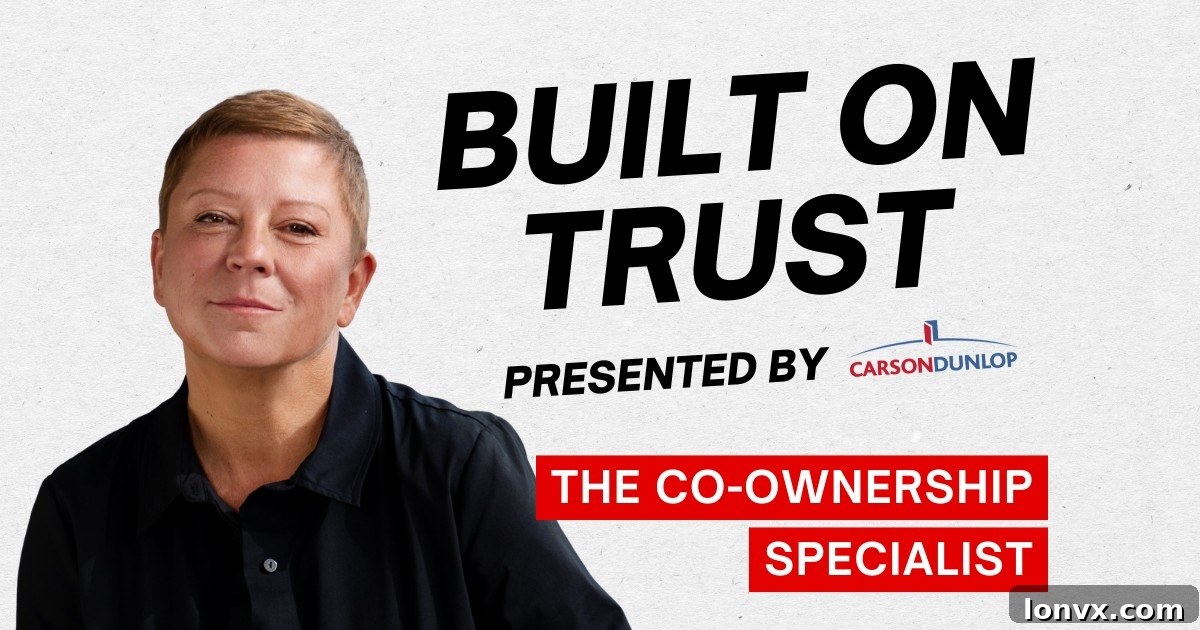
Housing affordability has become a pressing global challenge, transforming the landscape of real estate and pushing individuals to seek innovative solutions to homeownership. In Toronto, one of Canada’s most competitive markets, a pioneering real estate agent, Lesli Gaynor, has emerged as a beacon for those navigating these complex waters. Her unique approach, rooted in a non-traditional path from health policy, focuses not merely on transactions but on solving her clients’ fundamental problems: the inability to afford a home independently.
Gaynor’s journey into real estate was anything but conventional. Unlike many who enter the field with a sales-first mindset, her background in health policy instilled in her a deep understanding of systemic challenges and the importance of collaborative problem-solving. This unique lens allows her to view real estate not just as a commodity, but as a critical component of individual and community well-being. For Lesli, success isn’t measured by the volume of homes sold, but by the effectiveness of the solutions she crafts for her clients, enabling them to achieve the dream of homeownership that might otherwise be out of reach.
At the heart of Gaynor’s practice is the concept of co-ownership, a revolutionary model where groups of individuals pool their resources to purchase property together. This collaborative strategy caters to a diverse clientele, each facing distinct financial hurdles in the challenging Toronto market. Her clients span various demographics, including multi-generational families where adult children struggle to enter the housing market without parental assistance, groups of friends aspiring to combine their financial strength to secure a first home, and even existing homeowners looking to reduce their overhead by bringing in a co-owner.
Lesli estimates that a significant majority, approximately 80%, of her clients arrive as pre-formed groups. These individuals already share existing relationships – be it familial bonds, long-standing friendships, or established partnerships – and have a preliminary understanding that co-ownership is their desired path. However, merely having the intention is often not enough. Gaynor’s crucial role begins here: guiding these groups through the intricate process of determining the viability of their co-ownership aspirations and, if feasible, meticulously structuring the arrangement to ensure its long-term success and harmony. This involves far more than just finding a property; it’s about building a sustainable framework for shared living and financial responsibility.
Establishing the Foundation: Structuring Co-ownership Before the Purchase
The groundwork for a successful co-ownership venture is laid long before any property viewings commence. Lesli Gaynor emphasizes that a substantial portion of her work involves comprehensive pre-purchase planning and agreement drafting. This proactive approach is designed to anticipate and mitigate potential issues, ensuring all parties are aligned and protected. Gaynor meticulously walks her clients through a series of critical discussions and documentation, covering aspects that are often overlooked in traditional real estate transactions.
Crafting Comprehensive Co-ownership Agreements
A legally binding and detailed co-ownership agreement is the cornerstone of any successful shared property venture. These agreements go far beyond simple purchase contracts, delving into the nuanced dynamics of shared living and financial responsibility. Lesli works closely with legal professionals to ensure these documents are robust, tailored to the specific needs of each group, and cover every conceivable scenario. Key elements typically include defining each party’s financial contributions, responsibilities for maintenance and repairs, rules for shared spaces, and protocols for decision-making regarding the property.
Navigating Family Law Implications
For multi-generational families or couples choosing co-ownership, understanding the implications of family law is paramount. Gaynor ensures her clients are aware of how their co-ownership arrangement might interact with existing family law statutes, particularly concerning assets, division of property in case of separation, or inheritance. This proactive consideration helps prevent future disputes and provides clarity on rights and obligations within the family unit.
Estate Planning for Co-owners
Considering the long-term implications, estate planning becomes a vital component of co-ownership. What happens to a share of the property if one co-owner passes away? Lesli guides clients through discussions about wills, trusts, and other estate planning tools to ensure that their wishes regarding their share of the property are clearly articulated and legally enforceable. This foresight is crucial for protecting the interests of surviving co-owners and beneficiaries, ensuring a smooth transition without jeopardizing the entire co-ownership structure.
Designing Effective Property Management Structures
Every co-owned property requires a clear and agreed-upon property management structure. This includes defining roles and responsibilities for daily maintenance, repairs, financial contributions for shared expenses, and dispute resolution mechanisms. Whether it’s a formal co-operative model or a more informal agreement between trusted individuals, Lesli helps groups establish a framework that promotes accountability and efficient management of the shared asset. This proactive planning helps prevent common points of friction that can arise from ambiguous responsibilities.
The Indispensable Exit Strategy: Planning for the “What If”
Of all the pre-purchase conversations, Lesli Gaynor identifies the “exit conversation” as the most critical. It addresses the uncomfortable but absolutely essential question: “What happens if it goes south?” In her words, “You’re really getting into bed with somebody. You are literally committing to someone in a very specific way. So the biggest question I get is, what happens if it doesn’t work? Which is why we do all of that work up front.” This candid discussion focuses on establishing clear, fair, and legally sound procedures for when one or more parties decide to leave the arrangement, or when unforeseen circumstances necessitate a change. This foresight is what ultimately protects the investment and relationships of all co-owners.
To safeguard against abrupt departures or unilateral decisions that could destabilize the co-ownership, Gaynor’s legal agreements often incorporate what she colloquially terms an “anti-tsunami clause.” This crucial provision establishes a structured process for exiting the agreement, preventing any party from making a sudden, unannounced departure that could leave others in a precarious financial or logistical situation. This clause ensures that all transitions are handled with fairness and according to pre-determined rules, providing stability and security for the remaining co-owners.
Furthermore, these comprehensive agreements mandate the establishment of a reserve fund. Similar in concept to a condominium reserve, this fund typically requires three months of mortgage payments to be set aside as a buffer, alongside regular contributions towards ongoing maintenance and potential future repairs. Equally important is the inclusion of a clear decision-making framework that outlines how these pooled funds will be accessed and spent, ensuring transparency and collective agreement on financial matters. This financial prudence helps co-owners weather unexpected costs and plan for the long-term upkeep of their shared asset.
Ownership splits within co-ownership arrangements are highly flexible, reflecting the diverse financial realities and comfort levels of the parties involved. Lesli has successfully structured deals ranging from an equal 50-50 split to highly asymmetrical distributions like 95-5. The paramount principle, however, remains consistent: every single co-owner must reach a full consensus and agree on all terms and conditions *before* the property is purchased. This pre-emptive agreement on financial contributions, responsibilities, and future scenarios is the bedrock upon which successful co-ownership is built, preventing disputes and misunderstandings down the line.
Proactive Risk Management and Strategic Future Planning
In a co-ownership scenario, the stakes for due diligence are inherently higher. When multiple parties share the responsibility for a single, significant asset like a home, the importance of thorough risk management and forward-thinking planning becomes amplified. Lesli Gaynor places a strong emphasis on detailed property assessments and encourages her clients to adopt a collective, proactive mindset towards potential issues.
Elevated Importance of Home Inspections in Co-ownership
A standard home inspection takes on added weight in a co-ownership arrangement. Unlike solo ownership, where a single individual bears the financial burden and decision-making responsibility for repairs, a co-owned property requires all parties to collectively address any problems that surface. This means that if an issue is discovered in one part of the property – be it the roof, the plumbing, or the foundation – all co-owners must have a pre-agreed mechanism for how it will be addressed, funded, and managed. This necessitates a more diligent approach to inspections and a deeper understanding of the property’s long-term maintenance requirements.
Gaynor highlights the invaluable contribution of home inspectors who offer a “future-looking perspective” on maintenance. These specialized inspectors do more than just identify existing defects; they provide insights into anticipated wear and tear, potential future expenses, and preventative maintenance strategies. For co-owners, this foresight is exceptionally beneficial, as it enables the group to budget collectively for upcoming repairs and maintenance cycles. “Inspectors who are really good at giving a little bit of future foresight are really beneficial for co-owners,” she explains. She specifically uses Carson Dunlop for her inspections, commending their ongoing support system where clients can call with questions for the entire duration of their property ownership. This long-term support provides immense peace of mind, especially for first-time buyers who might be overwhelmed by the responsibilities of property upkeep.
Expanding the Co-ownership Community with Hussmates
Beyond facilitating agreements for existing groups, Lesli Gaynor is also pioneering efforts to expand the co-ownership market through her innovative platform, Hussmates. This service acts as a sophisticated matching platform, designed to introduce individuals who share an interest in co-owning property but have not yet found suitable partners. It aims to bridge the gap for those who see the benefits of co-ownership but lack an immediate social circle with similar goals or financial capacities.
While the concept of co-owning with a complete stranger might seem daunting, the interest in Hussmates has been remarkably high. As of now, Gaynor notes that no transaction has been completed with individuals who were complete strangers prior to the platform’s introduction. However, the strong engagement and growing demand suggest a significant shift in perception. She anticipates that this will change within the year, as more people become comfortable with the idea of leveraging carefully vetted platforms to find like-minded co-owners. Hussmates represents a forward-thinking solution to the housing crisis, potentially unlocking homeownership for a broader segment of the population.
The Growing Trend of Co-ownership: A Sustainable Solution for Modern Living
The rise of co-ownership, championed by agents like Lesli Gaynor, signals a significant evolution in how people approach home buying. It’s more than just a financial strategy; it’s a testament to the adaptability and resourcefulness of individuals facing unprecedented housing challenges. In markets like Toronto, where traditional single-family homeownership is increasingly unattainable for many, co-ownership offers a practical and often more sustainable alternative.
The benefits extend beyond mere affordability. Co-ownership can foster stronger communities, as individuals learn to collaborate and rely on each other for shared responsibilities. It can provide a built-in support system, particularly for multi-generational families who wish to remain close while retaining independence. For friends, it offers a tangible way to invest in their future together, creating shared memories and assets. Furthermore, by optimizing land use and potentially reducing individual housing footprints, co-ownership can contribute to more sustainable urban development.
However, the success of co-ownership hinges on meticulous planning, clear communication, and robust legal frameworks. This is precisely where the expertise of professionals like Lesli Gaynor becomes indispensable. Her ability to navigate complex legalities, facilitate difficult conversations, and proactively address potential conflicts ensures that the dream of co-ownership doesn’t turn into a nightmare. She educates her clients, empowering them with the knowledge and tools necessary to make informed decisions and establish a harmonious living arrangement.
Conclusion: Paving the Way for Accessible Homeownership
Lesli Gaynor stands at the forefront of a movement reshaping homeownership in challenging markets. Through her dedication to problem-solving, her deep understanding of client needs, and her innovative platforms like Hussmates, she is not just selling houses; she is building pathways to accessible and sustainable living. Her holistic approach, which prioritizes comprehensive agreements, rigorous risk management, and the crucial “exit conversation,” ensures that co-ownership is not just a temporary fix but a viable, long-term solution for many. As housing markets continue to evolve, the co-ownership model, guided by expert real estate professionals like Lesli Gaynor, will undoubtedly play an increasingly vital role in helping more people achieve the security and stability of owning a home.