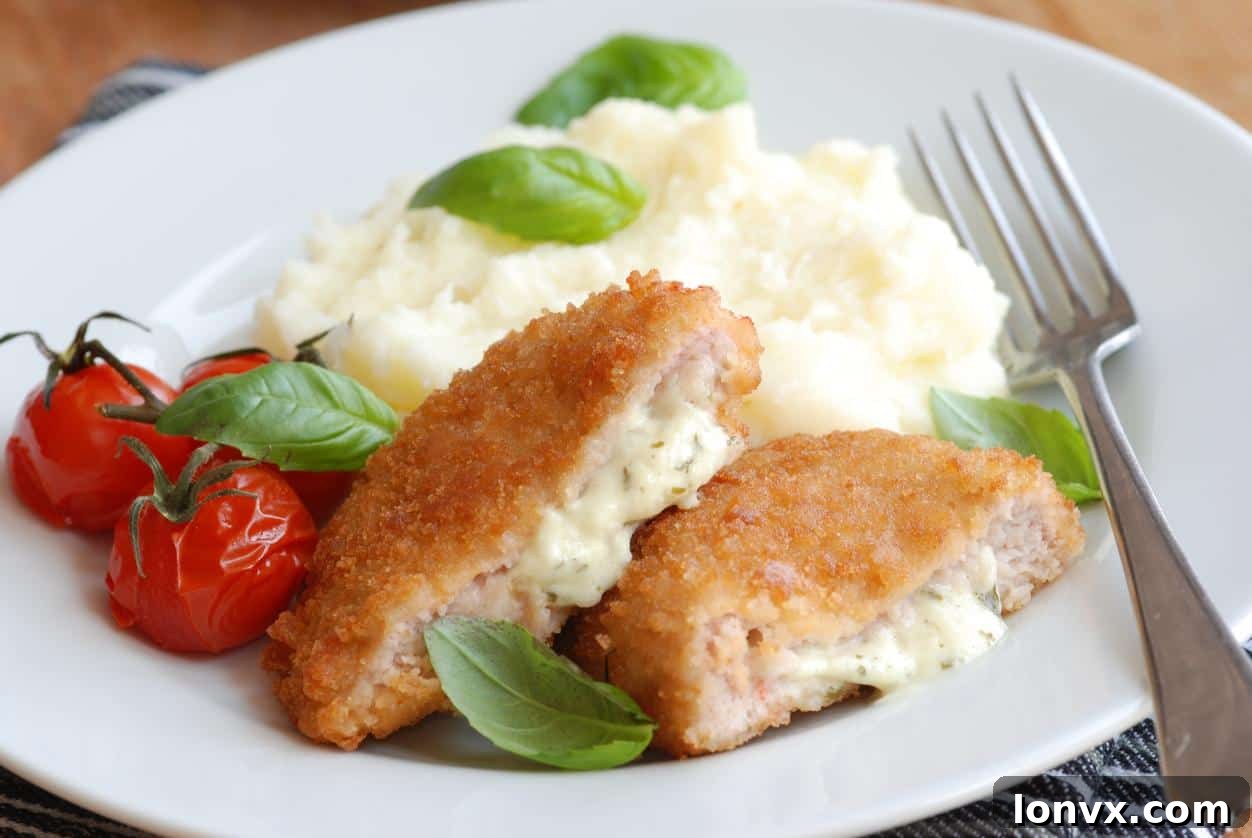
Welcome to a culinary journey back in time, to the foundational recipes that sparked a passion for gourmet cooking. This incredible Chicken Kiev entree was one of the inaugural features in my Gourmet Cooking with Carolyne newspaper column, first delighting readers in 1976. This classic dish, often synonymous with elegant dining, is a testament to the power of fresh ingredients and meticulous preparation. It’s a perfect illustration of how simple techniques, when executed with care, can transform everyday poultry into an extraordinary culinary masterpiece. Join me as we rediscover this timeless favorite, imbued with a special touch that makes all the difference.
The Art of Classic Chicken Kiev: A Gourmet Revival
Chicken Kiev, a dish renowned for its golden, crispy exterior and a molten, herbed butter core, is more than just a meal; it’s an experience. The moment you cut into a perfectly prepared Kiev and the fragrant, seasoned butter flows out, bathing the tender chicken, is truly unforgettable. This recipe, a cornerstone of my early culinary teachings, emphasizes fresh ingredients and a technique that ensures both exquisite flavor and a delightful texture, promising a culinary journey for all who partake.
Mastering the Compound Butter: The Secret to a Perfect Kiev
The heart of an exceptional Chicken Kiev lies in its butter filling. My secret, which I shared with my readers decades ago, involves the use of pre-made, frozen compound butter coins. This ingenious method not only saves time but also allows for a consistent burst of flavor in every bite. While you could choose from a variety of your frozen compound butter coins, for this classic recipe, I highly recommend starting with your vibrant parsley, dill, and green onion coins. The fresh, aromatic blend of these herbs perfectly complements the tender chicken. For future variations, feel free to experiment with other delightful coin variations from your frozen collection—imagine a garlic-herb or even a lemon-chive butter. Simply wrap three of these precious coins snugly within each Kiev, ensuring an even distribution of flavor and a rich, creamy texture.
When I first introduced this dish, the technique was a bit more manual, but equally effective: I used a generous dollop of very cold, even frozen, unsalted butter, mixed with a teaspoon of fresh, coarsely chopped parsley, a teaspoon of coarsely chopped, very fresh dill, and finely minced green onion for each Kiev. A tiny sprinkle of salt and pepper completed this fragrant blend. The principle remains the same: cold, well-seasoned butter is paramount to achieving that iconic molten center, preventing it from leaking prematurely and guaranteeing that burst of flavor upon serving.
Preparing Your Pristine Chicken Breast
The foundation of a superb Chicken Kiev begins with the chicken itself. Select a large, butterflied chicken breast that has *never been frozen*. There’s an undeniable difference in the taste and texture of fresh, never-frozen chicken—it’s juicier, more tender, and holds its shape beautifully under the stress of pounding and rolling. (On a personal note, I find “air-chilled” chicken, while popular, doesn’t quite achieve the same succulent results.) Your goal is to pound the butterflied breast evenly thin, aiming for a consistent thickness of about a quarter-inch, much like you would when preparing schnitzel. This meticulous pounding ensures quick and even cooking, as well as an easy-to-roll package for the butter filling, creating a perfect canvas for your culinary artistry.
The Art of Wrapping: Securing the Flavor Within
This step is crucial for preventing the beloved butter from escaping during cooking, a common pitfall in less carefully prepared Kievs. Begin by placing your unsalted butter dollop or the three chosen compound butter coins in the very center of your pounded chicken breast. If using individual herbs, arrange them neatly atop the butter to maximize their aromatic contribution. Now, with precision, take the side of the chicken closest to you and carefully wrap it over the herbed butter dollop, creating the initial seal. Next, pull the two side ends of the flattened chicken towards the center, overlapping them to create a tight, secure package that encases the butter completely. Finally, roll the filled breast quite tightly towards the far side to complete the sealed, compact shape. This meticulous wrapping prevents any butter leakage. Arrange the prepared Kievs on a platter, seam side down, and refrigerate them in the coldest area of your fridge for at least 30 minutes, or even longer. This chilling period is vital; it allows the chicken to firm up and, crucially, ensures the butter remains solid until it hits the hot pan, guaranteeing that delightful explosion of flavor upon cutting.
The Perfect Crispy Coating: Breading Your Kiev
For that irresistible golden-brown crust, a proper breading station is essential. Move quickly to assemble your ingredients: on one platter, arrange pre-made fresh, coarse breadcrumbs. For a classic taste, I’ve always found plain white bread, similar to what you’d use for toast, makes the ideal crumbs due to their light texture and ability to crisp perfectly. On a second platter, spread out plain white flour, generously seasoned with salt and freshly ground black pepper to enhance the overall flavor profile. In a large, flat bowl, whisk several whole eggs until thoroughly combined. The quantity will depend on how many Kievs you are preparing, but ensure enough for full coverage. Allow your chilled Kievs to rest briefly in the egg wash; this brief soak helps the chicken relax and ensures the subsequent breading adheres perfectly, forming a cohesive, durable crust.
The breading process is a three-step dance for culinary success. First, dredge each very cold Kiev thoroughly in the seasoned flour. Ideally, use a pair of tongs, allowing any excess flour to fall back onto the platter for a light, even coating that won’t become gummy. Next, using a different pair of tongs to avoid cross-contamination and maintain hygiene, gently tip each floured Kiev into the whisked egg wash, ensuring it is completely coated. Finally, using yet another clean pair of tongs, carefully roll each egg-washed Kiev in the fresh coarse breadcrumbs, pressing gently to ensure a complete and even covering. Every inch must be coated to create that perfect, crisp barrier that seals in the butter. Once breaded, arrange the Kievs one by one on a paper-towel-covered plate to collect any loose crumbs. This makes cleanup easy and keeps your kitchen tidy, preparing them for the ultimate sizzle.
Frying to Golden Perfection: The Sizzle and the Science
The cooking of Chicken Kiev requires swift action and a vigilant eye to achieve its iconic crispness and molten center. In a generous stovetop skillet—preferably a heavy-bottomed pan that distributes heat evenly, such as cast iron or stainless steel—melt a substantial piece of unsalted butter over medium-high heat until it is golden and sizzling. The butter needs to be hot enough to instantly crisp the breading, creating that desirable crunch, but it should show no signs of browning or burning, which would impart a bitter, undesirable taste. A quarter-inch depth of butter in the skillet is ideal for shallow frying, ensuring ample contact for even browning. You can also mix in a neutral oil with the butter to raise its smoke point and minimize burning, though classic recipes often use pure butter for its rich flavor.
Using dry tongs, carefully slip each breaded Kiev into the sizzling hot butter, seam side down first. This helps to further seal the package and prevent leakage. Maintain a little space between each Kiev; crowding the pan will lower the oil temperature and prevent even browning, leading to a soggy crust. You need to move quickly to ensure the butter inside remains solid as long as possible before the chicken fully cooks. If you are preparing a large batch or prefer extra assurance, you might even want to refrigerate the breaded Kievs briefly before placing them in the skillet to further secure the butter’s solid state, giving you a few extra moments of buffer.
Turn each Kiev quickly using tongs, ensuring all sides achieve a beautiful golden crust. This process usually takes only a few minutes per side. Because the chicken was pounded quite thin, it will cook relatively quickly. It’s crucial not to overcook the chicken; it will continue to cook internally from its residual heat after removal from the pan. Aim for that perfect golden hue, signaling a crisp exterior and a tender, juicy interior, while preserving the integrity of the melted butter within.
Once cooked to perfection, remove each Kiev from the skillet and place it on a warm platter, ready to be served immediately. The magic happens the moment you cut into each Kiev: the perfectly melted, herbed butter should gracefully release, bathing each mouthful of chicken with its rich, aromatic essence. The chicken itself should be exquisitely fork-tender, a testament to careful preparation and precise cooking.
Serving Suggestions and Elegant Pairings
Chicken Kiev is a dish that deserves equally delightful accompaniments to complete the gourmet experience. It finds a perfect complement in my velvety mashed whipped potatoes, their creamy texture providing a wonderful counterpoint to the crisp chicken. To elevate the experience, deglaze the skillet with a splash of dry white wine after removing the Kievs, scraping up all the savory fond from the bottom of the pan, then add half-and-half cream. Allow the cream to reduce gently over low heat, creating a rich, savory sauce or gravy that is divine over the potatoes. Serve this exquisite sauce at the table in an elegant gravy boat with a lip or a ladle, inviting guests to partake. For vibrant side dishes, my crisp French-cut green beans and sweet, sugar-buttered carrots are always perfect choices, adding color, texture, and a touch of freshness. And to complete this gourmet meal, a chilled glass of Winzertanz, served in a stemmed crystal tulip glass, pairs beautifully, enhancing the overall dining experience with its crisp notes.
For those seeking another delightful poultry presentation, especially for entertaining, consider exploring Rock Cornish Game Hens. They offer a similarly elegant and delicious way to impress your guests, particularly during festive occasions, proving that gourmet cooking can be both accessible and stunning.
Oven-roasted Poussin on a Bed of Black Mission Cognac Marinated Figs: A Sophisticated Delight
Beyond the classic confines of Chicken Kiev, the world of poultry offers other exquisite treasures that elevate home cooking to fine dining. One such delight is Poussin, a young, delicate chicken that, when roasted to perfection, offers an unparalleled tender texture and rich flavor. This recipe for Oven-roasted Poussin, nestled on a fragrant bed of Black Mission Cognac marinated figs, is a sophisticated dish that promises to surprise and impress your guests, many of whom may have never experienced this culinary gem. Its delicate nature and rich accompaniments make it an ideal choice for a special occasion or an intimate gourmet dinner.
Preparing for Perfection: Poussin and Fig Marinade
Begin by preheating your oven to 400°F (200°C), utilizing the middle rack for optimal heat distribution and even cooking. In a sturdy oven roasting pan, the kind you would use for a traditional roast chicken, pour in a whole jar of Asbach Uralt marinated black mission figs, along with all their luscious cognac jus. This forms the aromatic and flavorful bed for our Poussin, infusing it with deep, sweet, and slightly boozy notes as it roasts. For this recipe, plan on roasting four Poussins, each weighing approximately one pound. These delicate birds are often available frozen in equal sizes, making it convenient to stock up for an easy yet impressive make-ready meal. Simply defrost them overnight in the refrigerator, ensuring they are perfectly thawed and ready for preparation, which is key to their tenderness.
Infusing Flavor: Compound Butter and Seasoning
The key to tender, flavorful Poussin is the careful infusion of seasonings and, once again, the magic of compound butter. Gently sprinkle the inside cavity of each hen with a delicate blend of salt, pepper, a pinch of aromatic thyme, and a refreshing squirt of fresh lemon juice. These internal seasonings build a foundational layer of flavor that permeates the meat from within. The lemon juice also aids in tenderizing the delicate flesh.
Next, carefully pull back the skin of each Poussin, being exceptionally gentle to avoid tearing it. This creates a small, natural pocket over the breast meat, an ideal space for our flavor enhancers. Into this created pocket, nestled against the breast meat, place three frozen compound butter coins. From your versatile frozen reserve container, you can choose a herbed coin for classic aromatics, a jerk coin for a subtle spicy kick, or even a coconut or citrus compound butter coin for an unexpected tropical or bright note. It’s important to use coins of one single kind for each bird to maintain a cohesive flavor profile. These butter coins will slowly melt during roasting, basting the meat from within, ensuring unparalleled juiciness and flavor, a true hallmark of gourmet cooking.
Roasting to a Golden Hue: The Final Stage
Arrange the seasoned and butter-infused hens in the roasting pan, carefully positioning them on top of the fragrant marinated figs. Ideally, ensure the birds are not touching each other, allowing for even heat circulation and optimal browning of the skin. Using a spoon, generously paint the birds with spoonfuls of the rich fig and cognac marinade jus from the pan. This not only adds layers of flavor but also helps in achieving a beautiful, lacquered, golden-brown skin. Baste the Poussins a couple of times throughout the roasting process to keep them moist and flavorful, ensuring a crisp exterior and succulent interior.
Typically, these delicate birds will take just under an hour to cook through, varying slightly based on oven calibration and bird size. To confirm doneness, insert a meat thermometer into the thickest part of the thigh, ensuring it reads 165°F (74°C), or simply check that the juices run clear when the thigh is pierced. Once cooked, remove the roasting pan from the oven and allow the Poussins to rest uncovered in the pan for 10-15 minutes. This crucial resting period allows the juices to redistribute throughout the meat, resulting in an even more tender and succulent bird, ready for carving.
Elegant Serving and Dessert Pairings
The rich, flavorful jus that accumulates in the roasting pan, infused with the essence of figs, cognac, and Poussin, is perfect to serve as you would a gourmet gravy. Spoon it generously over the carved Poussin, allowing its complex flavors to meld with the tender poultry. Serve these elegant hens with my creamy whipped mashed potatoes and sweet, sugar-buttered carrots, or alongside your own favorite seasonal vegetables like roasted asparagus or sautéed green beans. As each hen is a very delicate young chicken, one Poussin makes an ideal individual serving, creating a memorable family meal or a truly impressive surprise for guests, showcasing your culinary prowess.
To conclude this exquisite dining experience, consider retrieving a few frozen scoops of my German Italian Plum confit ice cream balls from your freezer for dessert. Serve them alongside freshly prepared sabayon (zabaglione) filled chocolate cups for a truly luxurious and harmonious finish to your gourmet feast, leaving a lasting impression on your palate and your guests.
© Lady Ralston’s Compound Butter “Coin Reserve” ~ because Butter makes it Better. A different kind of currency. Elevate your culinary creations with the simple yet profound magic of compound butter.