Climate Change’s Growing Toll: Reshaping the Halifax Real Estate Market
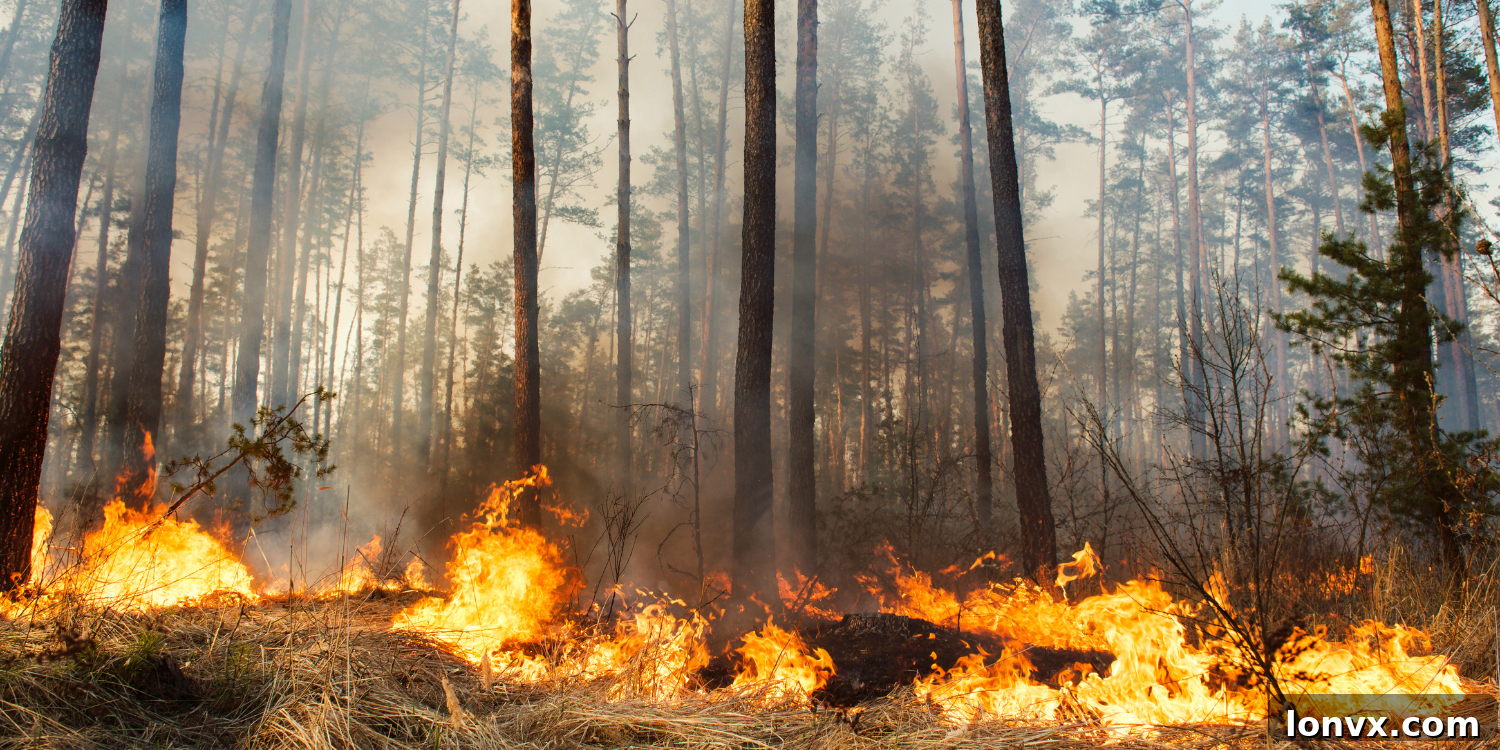
The global real estate industry faces unprecedented challenges as climate change intensifies, bringing with it more frequent and severe natural disasters. From raging wildfires and devastating floods to powerful hurricanes, these events are no longer distant threats but pressing realities impacting communities worldwide, including the vibrant region of Halifax, Canada. This shift demands a profound re-evaluation of how we perceive, insure, and rebuild properties in a rapidly changing environment.
Natural Disasters: A New Normal for Halifax
For residents of the Halifax area, natural disasters, once considered rare occurrences, are rapidly becoming the norm. Ryan Hartlen, Managing Broker for Re/Max Nova in Halifax, observes this alarming trend firsthand: “We’ve experienced significant hurricane activity over the last couple of years, followed by devastating wildfires and, more recently, some truly catastrophic flooding. Historically, our province was largely spared from such widespread calamities. Now, it feels as though we’re receiving more than our fair share of these extreme events.”
Hartlen further elaborates on the psychological shift within the community: “Before, we’d observe similar events unfolding in other parts of the world or even across Canada, offering our sympathies but perhaps taking for granted that such things wouldn’t happen here. That comforting assumption is no longer valid. The stark reality is that climate-related catastrophes are now a very real and present danger in our own backyard, forcing us to confront vulnerabilities we previously overlooked.”
One of the most impactful recent events was the series of wildfires that erupted in May in Hammonds Plains, a highly sought-after suburb approximately 20 minutes outside Halifax. Hartlen describes the area as densely populated, characterized by beautiful homes and expansive lots – a locale where the community was utterly unprepared for the scale of the destruction that unfolded. These fires swept through residential zones with terrifying speed, leaving behind a trail of devastation that irrevocably altered the landscape and the lives of thousands.
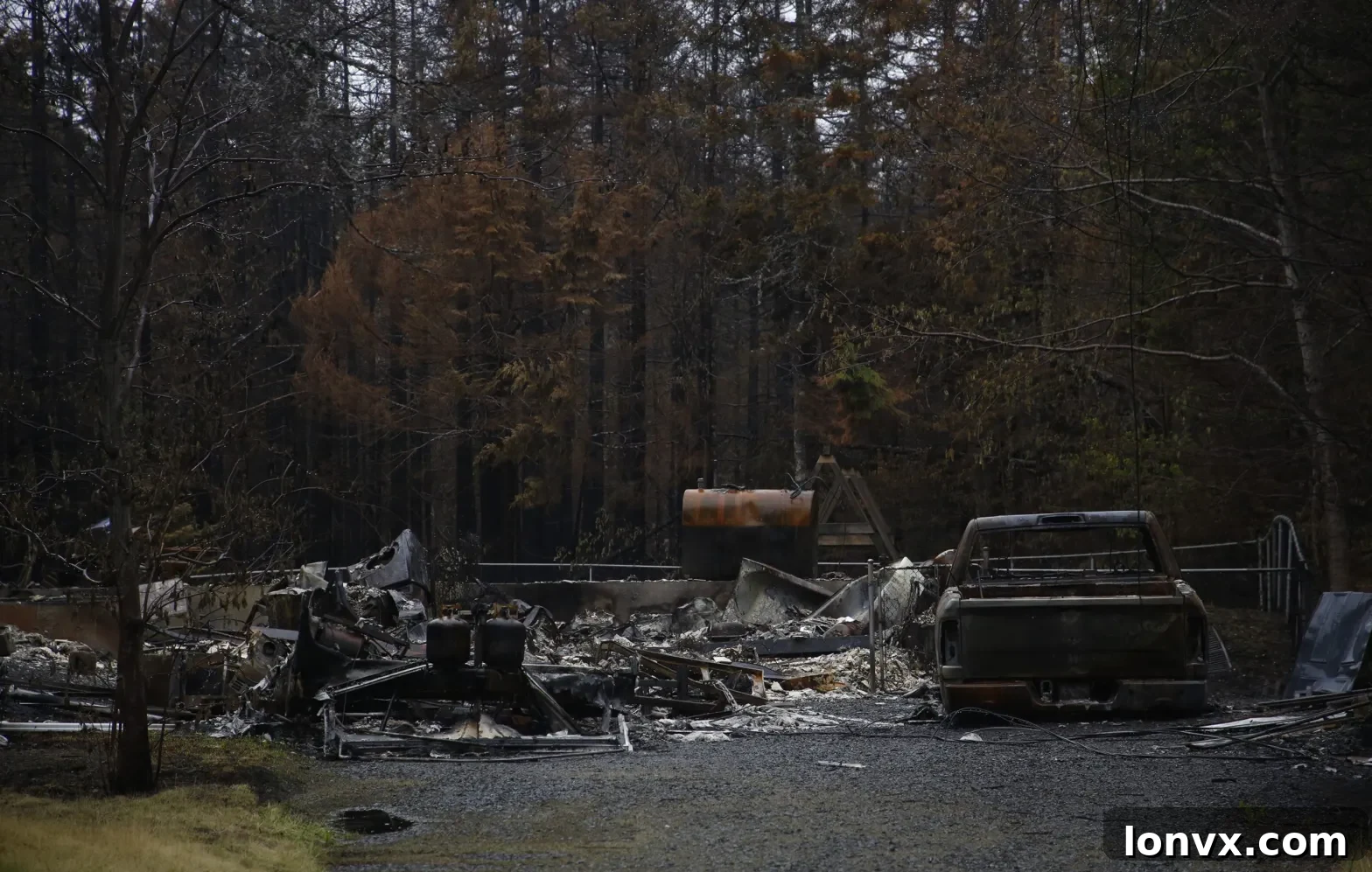
A property destroyed by a wildfire is seen in Hammond’s Plains, N.S., during a media tour, Tuesday, June 6, 2023. Credit: THE CANADIAN PRESS/POOL, Tim Krochak
The Immediate Challenge: A Housing Crisis Intensified by Disaster
The wildfires, in particular, presented an immense and immediate challenge for the region. Hartlen recalls the grim aftermath with a heavy heart: “The fires were exceptionally tough… they probably leveled around two hundred homes. These weren’t small dwellings; they were larger residences housing multiple individuals – families, beloved pets, and often extended family members. The human impact was profound, with entire lives uprooted in an instant.”
Beyond the direct devastation for those who lost their homes, Halifax communities are now grappling with severe follow-up effects, primarily the exacerbation of an already critical housing shortage. Hartlen acknowledges this issue is a widespread narrative globally, but it has been a particularly pressing concern in Halifax over recent years. The loss of hundreds of homes thrust an unexpected burden onto a market already struggling with limited inventory and rapidly escalating affordability issues.
“What do you do when two hundred households are suddenly pushed out of the market, desperately trying to find rentals in an already strained environment?” Hartlen laments. “It has been an incredibly difficult challenge. The Hammonds Plains area itself will require a significant amount of time to rebuild, and with an existing housing shortage that predates these fires, this situation has only worsened the crisis, creating a cascading effect throughout the local economy.”
Even homeowners with comprehensive insurance coverage face the daunting task of securing short to long-term rentals. This interim period is crucial while their insurance claims are processed, rebuilding efforts commence, or they decide to seek permanent housing in entirely new areas. The sheer scale of displacement created unprecedented logistical hurdles for a region unaccustomed to such widespread internal migration, testing the resilience of local support systems and the real estate sector alike.
Hartlen points out the invaluable, albeit harsh, learning experience these events have provided: “The potential for a housing logistics nightmare had never truly been tested here before. Witnessing its profound impact on city neighborhoods and understanding the rapid and coordinated responses required from various stakeholders has been a real eye-opener for everyone involved in the real estate sector, local governance, and community planning. It has underscored the urgent need for robust disaster preparedness strategies that account for long-term housing solutions.”
Ripple Effects: Long-Term Consequences and Community Adaptations
As a direct consequence of this unexpected influx of people seeking shelter, peripheral neighborhoods that were less directly affected by the fires garnered increased attention and experienced greater demand. The initial focus, however, was not on market dynamics but on humanitarian aid and community support, highlighting the deep social fabric of the region.
“Before we observed any actual real estate industry impacts, the immediate concern was profoundly humanitarian,” Hartlen emphasizes. “Communities rallied, asking what they could do to help those affected – getting them settled, even temporarily, ensuring they had essential supplies, and looking after children. It was a remarkable display of collective support, demonstrating the strength and compassion inherent in our communities during times of crisis.”
From these immediate responses, the community began to experience more enduring, long-term effects that continue to shape daily life. “These aren’t situations that resolve themselves in a matter of weeks and then disappear,” Hartlen observes. “Many of these individuals are still either in short-term rentals, actively searching for permanent solutions, or, at the very least, navigating the complexities and frustrations of their insurance claims. This protracted uncertainty has added a unique and challenging layer to our side of the real estate world, demanding greater empathy and adaptability from agents.”
The displaced are not only uprooted from their homes but also thrust into a highly competitive market where they neither desired nor expected to contend with motivated buyers who might have been house-hunting for a year or more. This creates an inherently difficult and often unfair situation for those forced into it, compounding their trauma and financial strain. They are often competing from a position of distress, which can lead to hurried and suboptimal decisions in an already overwhelming time.
“It’s simply a weird kind of position to put them in,” Hartlen acknowledges. “And that’s if they are even considering buying something immediately. The alternative route involves patiently waiting to see how their insurance policies will respond and what their options will look like post-claim. When insurance claims become a central factor, it introduces an entirely new level of complexity, legal intricacies, and prolonged anxiety for many individuals, often stretching out for months, if not years.”
The Crucial Role of Insurance in a Climate-Impacted Market
Environmental events like this year’s wildfires and floods have served as a stark catalyst, compelling people to gain a deeper, often painful, understanding of how property insurance truly functions. In the real estate business, agents work through sales with specific conditions designed to ensure buyers are comfortable obtaining satisfactory insurance coverage for a particular home, explains Hartlen. This due diligence has become far more critical and complex than ever before.
He notes a significant shift in perspective among buyers and sellers: “In the past, securing insurance might have been more of a simple ‘checkbox’ formality, without an exhaustive approach to understanding the fine print. But now, especially with the recent floods – we’ve endured a very, very wet summer – people are genuinely surprised by the intricacies of how things operate, often discovering their coverage is inadequate.” Hartlen highlights that the recent floods have impacted residents with a similar severity to the wildfires, revealing critical gaps in public understanding of insurance policies and their limitations.
A fundamental problem lies in the common lack of understanding regarding policy coverage and how it applies during declared emergencies. Hartlen elaborates on a critical consequence that can halt real estate transactions: “Insurance companies typically cease writing new policies in emergency-declared situations and affected areas until the crisis is resolved. This has significant ramifications for all pending agreements, even for properties not anywhere near the immediate impact zone. Lenders, for instance, will not release funds until a property is adequately insured, effectively stalling transactions across broader regions, and creating a ripple effect of uncertainty.” This scenario can delay homeownership dreams and exacerbate the housing shortage.
Alarmingly, Hartlen has been informed that the financial impact of the recent flooding is projected to surpass the combined cost of the wildfires and previous hurricanes. This is a staggering statistic, particularly given that the hurricanes often affected more isolated areas and fewer people. The widespread nature of the flooding, impacting both urban and rural areas, has led to more extensive damage and broader displacement, affecting a larger segment of the population and economy.
“The flooding is immense, and sadly, we anticipate seeing many homeowners’ insurance policies and renewals altered with new exemptions or coverage limitations that tragically exclude flood damage,” he predicts. “Furthermore, properties that have never experienced flooding before will now legally have to disclose these incidents to potential buyers, which could significantly impact their future saleability and perceived value. This introduces a new layer of due diligence for both buyers and sellers, profoundly altering market dynamics and potentially creating ‘stigmatized properties’ in areas previously considered safe.”
Looking Forward: The Arduous Path to Rebuilding and Resilience
While the Halifax area is gradually returning to a semblance of normalcy, it, like many other Canadian metropolises, continues to grapple with persistent challenges: a shortage of affordable housing and a critical lack of inventory for sale. Hartlen confirms this ongoing struggle: “Inventory levels are higher than they were about a year ago, but within the grand scheme of a 10-year market picture, they remain exceptionally low. Demand, conversely, still appears remarkably strong, creating an imbalanced market that puts immense pressure on buyers.”
Adding to these market pressures, the process of rebuilding homes in the Halifax area, much like in other disaster-struck regions, is far from straightforward. It is a long, complex, and resource-intensive endeavor that is hampered by several factors, including labor shortages, supply chain issues, and increased material costs.
“It’s such a prolonged process primarily because of the existing housing shortage and the sheer scale of the damage,” Hartlen explains. “Many builders simply do not possess the bandwidth or resources to construct fifty homes here and another fifty there simultaneously. The system doesn’t operate with such agility, especially when local resources are already stretched thin by ongoing development projects and the sudden, overwhelming demand for new construction.” He has observed builders overwhelmed, struggling to manage the demands of rebuilding devastated properties while also trying to keep pace with their existing projects and the pre-disaster demand from eager buyers, creating significant backlogs.
Despite these significant challenges, the community spirit and mutual support within the Maritimes have been a beacon of hope and a testament to regional character. “All of the support that we have around here, I think the Maritimes are kind of known for, and it’s definitely been evident in how people have come together,” Hartlen acknowledges. “However, at the end of the day, the fundamental issue these people are contending with is the loss of their home, and that’s an incredibly difficult problem to simply fix, no matter how much support there is.” He stresses the imperative for patience, understanding, and sustained support as affected individuals navigate the complex and often lengthy recovery process, which can span years.
Hartlen notes a discernible shift in how he and his realtors operate. Their approach has become significantly more sensitive and empathetic, particularly because many of the displaced individuals are their long-standing clients. This deeply personal connection extends even to their own brokerage, where two associates tragically lost their homes in the fires, bringing the disaster home in a very personal way.
“These events have touched everyone in some way,” Hartlen comments, reflecting on the shared experience. “They have undeniably opened all of our eyes to the harsh realities faced by other parts of the country – places like Kelowna or the Northwest Territories – where such natural disasters occur with far greater regularity than we are accustomed to. It’s a humbling lesson in global and national vulnerability.”
He concludes with a poignant observation about the future landscape of the region and the enduring impact of these events: “We simply aren’t used to having natural disasters as a regular discussion point in our local context, let alone a factor in property valuation. Sadly, moving forward, when discussing or viewing properties in the Hammonds Plains neighborhood, there will undoubtedly be references to its impact by fire and the subsequent rebuilding efforts.” The rebuilding efforts will extend beyond homes to the very infrastructure and natural landscape. Trees must be replanted, essential services reconfigured, and the entire area restored and reconstructed with an eye toward future resilience. These critical considerations will now permanently factor into decisions for residents looking to buy or rebuild in and around the affected areas, marking a permanent shift in how Halifax approaches its future development, urban planning, and preparedness in the face of an ever-changing climate.