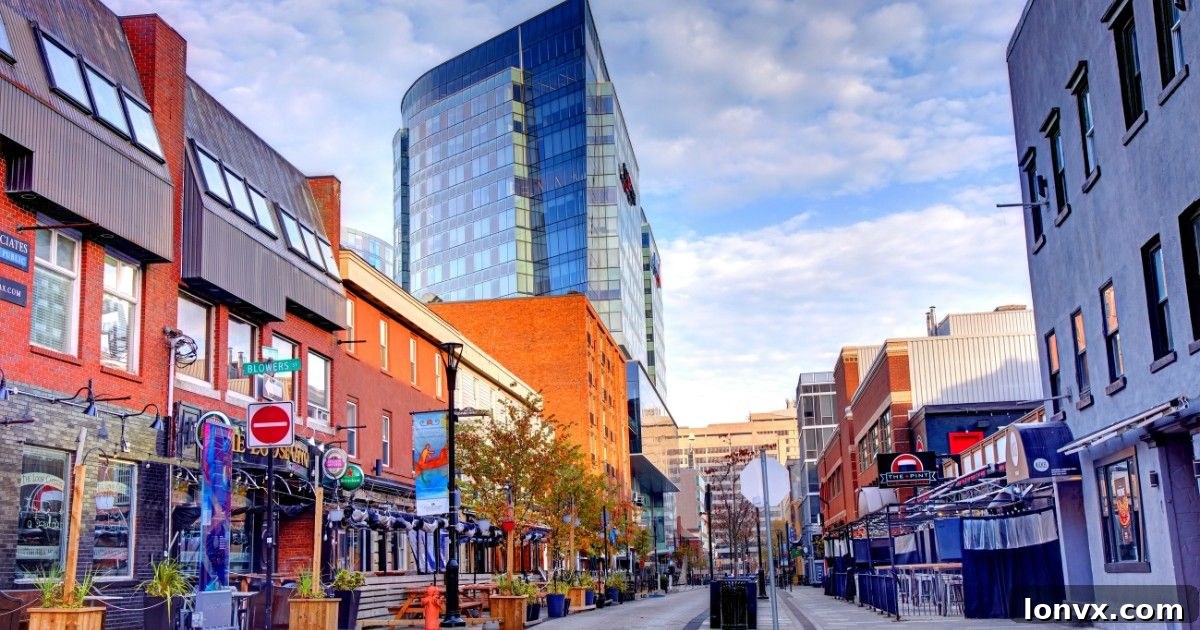
Nova Scotia has surpassed British Columbia to record the highest average asking rent for purpose-built apartment and condominium rentals in Canada, according to the latest National Rent Report from Rentals.ca and Urbanation.
In May, the province posted an average asking rent of $2,343 across all apartment and condominium unit types, a 2.6 per cent increase from a year earlier. That figure edged past British Columbia’s average of $2,328.
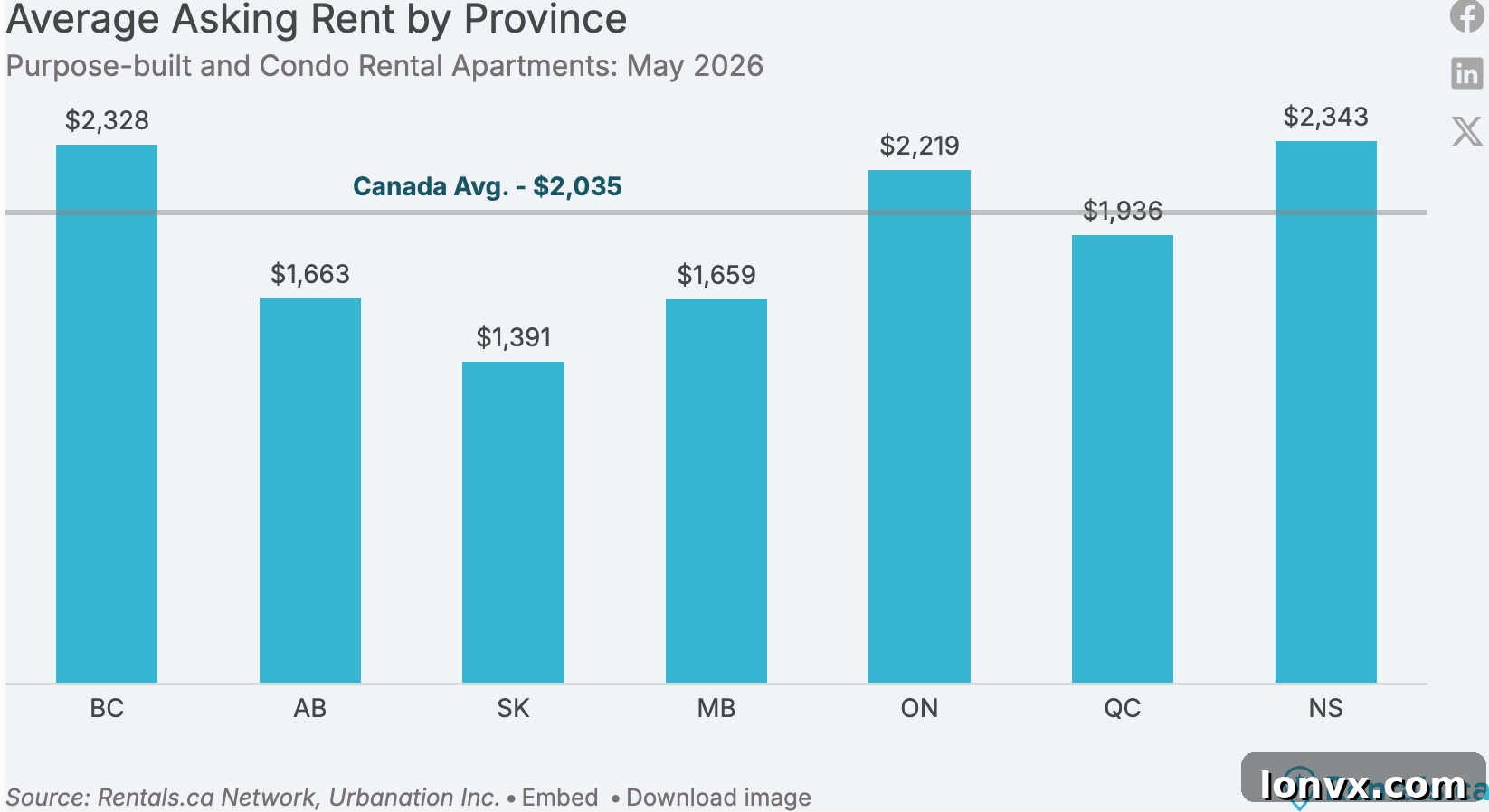
The report attributes Nova Scotia’s top position partly to rising rents within the province and to declines in British Columbia. It also highlights that differences in the composition of listings influenced averages: studios and one-bedroom apartments made up 57 per cent of listings in British Columbia but just 48 per cent in Nova Scotia, where two- and three-bedroom units represent a larger share of inventory.
Although Nova Scotia now shows the highest overall average asking rent, it remains more affordable than British Columbia for most unit types except studios. A growing supply of newly built rental housing in Nova Scotia also helped push the province’s average asking rent higher.
National rental market trends
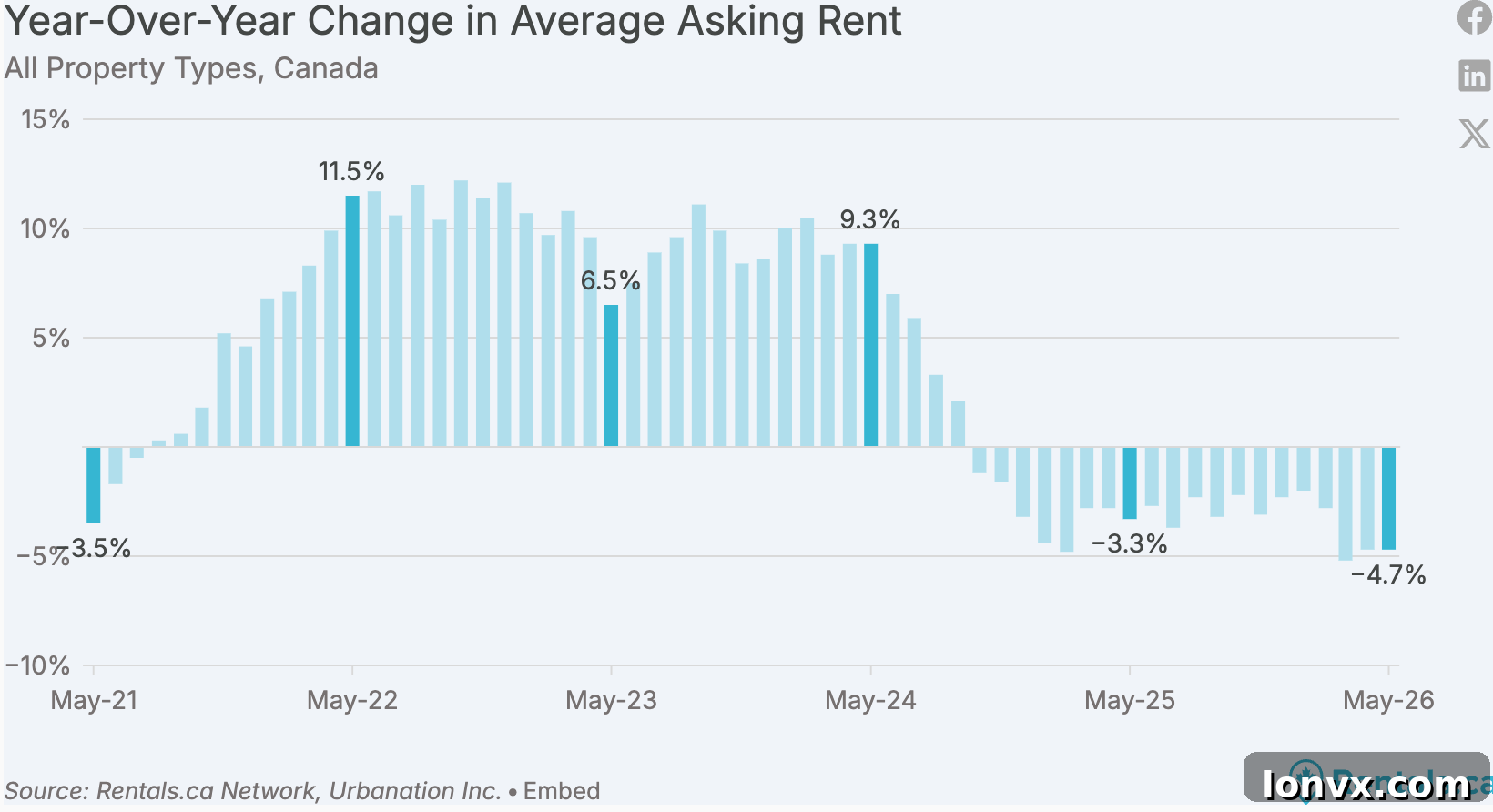
Across Canada, average asking rent fell 4.7 per cent year over year in May, dropping by $100 to $2,029. This marked the 20th consecutive month of annual rent declines.
Average rents declined for all unit types in the country’s most populous provinces: Ontario (-6.0%), British Columbia (-5.7%), Alberta (-3.9%) and Quebec (-1.8%). In contrast, rents rose 2.3 per cent in both Nova Scotia and Saskatchewan, while Manitoba saw a modest 0.6 per cent annual increase.
Month over month, average asking rents in May inched up 0.1 per cent from April, well below the typical May increase of 1.3 per cent seen over the previous five years.
Despite this cooling, rents remain 22.1 per cent above the pandemic-era low of $1,662 recorded in April 2021. At the same time, the national average is 7.8 per cent below the record peak of $2,202 reached in May 2024.
Larger units hold their value
Rent declines were most pronounced in the condominium market, particularly for smaller units.
Studio condominium apartments experienced the steepest annual drop, with asking rents down 8.9 per cent year over year to $1,605 and down 2.1 per cent from April.
Within purpose-built rental apartments, one-bedroom units saw the largest annual decrease, with asking rents falling 3.9 per cent to $1,812.
By contrast, demand for larger purpose-built rental units remained relatively strong. Asking rents for three-bedroom purpose-built apartments were almost unchanged, declining just 0.5 per cent year over year to $2,729.
Three-bedroom condominium units also outperformed many other segments: their asking rents fell 5.3 per cent year over year to $2,741 but edged up 0.3 per cent from the previous month.