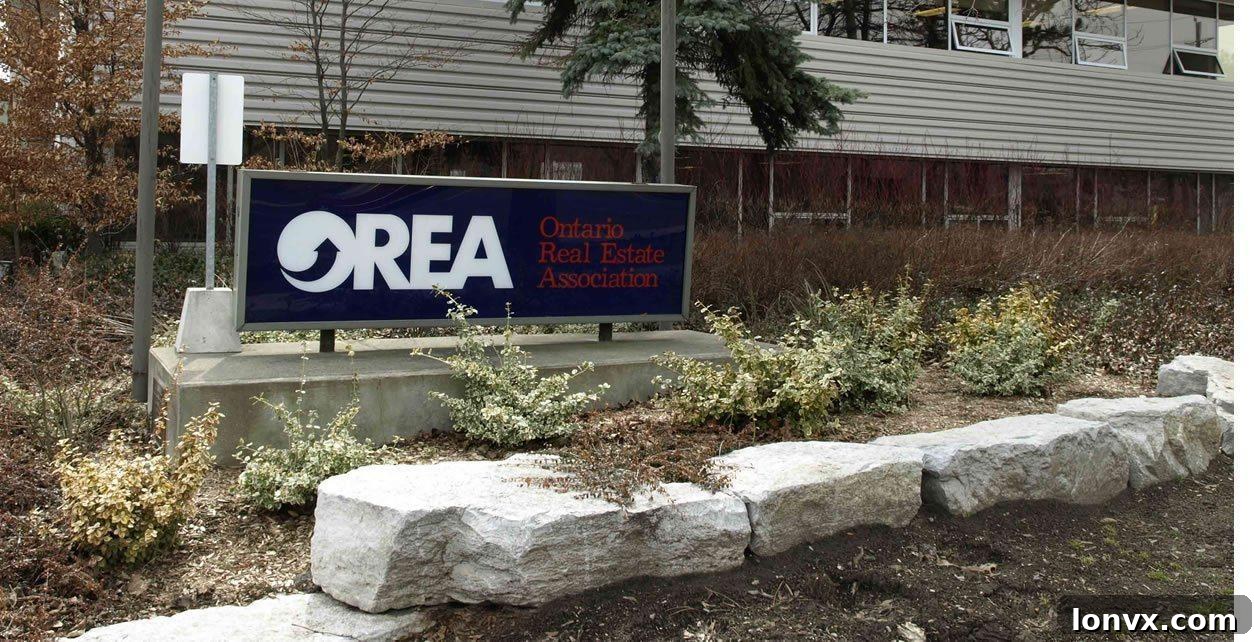
Elevating Standards: OREA’s Vision for Enhanced Real Estate Education in Ontario
In a rapidly evolving market, the trust placed in real estate professionals is paramount. The Ontario Real Estate Association (OREA) has taken a decisive step towards bolstering this trust and elevating the competency of its members with the release of its third white paper, “Working Towards Excellence: A Forward Looking Plan for Real Estate Registration Education.” This pivotal document outlines a robust strategy to strengthen real estate education programs across Ontario, ensuring that future realtors are not just licensed, but truly equipped to navigate the complexities of modern transactions.
“Raising the professional standards of Ontario Realtors begins with improving the education that happens before becoming a licensed professional,” states Ettore Cardarelli, OREA president. This statement underscores the foundational belief that a superior education system is the bedrock for a superior profession. Cardarelli emphasizes that “A stronger education program will better prepare salespeople for our increasingly complex real estate market and the challenges that come with helping families through the biggest purchase of their lives.” This initiative is not merely about ticking boxes; it’s about safeguarding consumers and empowering professionals to provide unparalleled service during one of life’s most significant financial and emotional journeys.
Addressing the Evolving Landscape: Why Reform is Crucial Now
The real estate market in Ontario is anything but static. It’s a dynamic environment shaped by technological advancements, intricate legal frameworks, diverse property types, and fluctuating economic conditions. Consumers today are more informed, and their expectations for professional guidance are higher than ever. Agents are not just facilitators; they are advisors, negotiators, marketers, and problem-solvers, often dealing with multi-faceted transactions that demand a broad skill set and deep ethical understanding.
OREA has a long-standing history of commitment to real estate education. For decades, the OREA Real Estate College was the primary provider of real estate licensing education, dating back to the 1950s. However, a significant shift occurred in 2008 when the Real Estate Council of Ontario (RECO) assumed control over the real estate education curriculum and its standards. While RECO’s mandate is crucial for oversight, OREA contends that since this transition, “the quality of the program has fallen behind.” This perceived decline is a central driver for OREA’s call for reform, suggesting that the current educational framework may not be adequately preparing new registrants for the rigorous demands and rapid changes of the contemporary market.
OREA’s Blueprint for Excellence: Key Proposals for a Stronger Profession
To address these concerns and forge a path towards a more professional and competent real estate workforce, OREA’s Real Estate and Business Brokers Act (REBBA) Review Taskforce has put forth a series of transformative proposals. These recommendations aim to elevate entry standards, enhance practical skills, and foster specialized expertise, inviting valuable feedback from both realtors and the public to ensure a well-rounded and effective reform.
1. A College Diploma or Degree as a Registration Pre-requisite
One of the most significant proposals is to mandate a college diploma or university degree as a prerequisite for real estate registration. This move aims to professionalize the industry by attracting individuals with a foundational level of higher education. A post-secondary background typically imbues graduates with critical thinking skills, advanced communication abilities, problem-solving methodologies, and a broader understanding of business principles. By aligning real estate with other respected professions such as law, medicine, or accounting – which all require extensive academic qualifications – this proposal seeks to enhance the industry’s prestige, competence, and public trust. It ensures that those entering the field possess not just transactional knowledge, but also a more comprehensive intellectual framework for ethical practice and complex decision-making.
2. Tougher, More Practice-Based Examinations
The current examination system has been critiqued for potentially being too theoretical, failing to adequately assess a candidate’s readiness for real-world scenarios. OREA proposes a shift towards tougher, more practice-based examinations. These revised assessments would move beyond rote memorization of rules and regulations, instead presenting candidates with complex case studies, ethical dilemmas, and practical situations that mirror actual client interactions and transaction challenges. The goal is to ensure that new registrants can not only recall information but also apply their knowledge effectively, demonstrating competency in areas like contract interpretation, negotiation strategy, and risk management. This approach would significantly reduce the gap between academic learning and practical application, better protecting consumers from errors or oversight.
3. More In-Class Instruction on Offer Writing and Presentation
The art and science of offer writing and presentation are critical components of a successful real estate transaction. Errors in drafting or presenting offers can have significant legal and financial consequences for clients. OREA advocates for more intensive, hands-on, in-class instruction in these areas. This would move beyond simply reviewing templates, incorporating elements like live role-playing, detailed clause analysis, negotiation tactics, and client communication strategies. Such focused training would equip new agents with the practical skills needed to expertly draft legally sound offers, clearly explain terms to clients, and confidently represent their clients’ interests during negotiations. Enhanced instruction here directly translates to reduced risk for consumers and more professional outcomes.
4. A Longer, More Demanding Articling Period
Emulating the rigorous articling or internship periods found in other regulated professions, OREA proposes a longer and more demanding articling period for new registrants. This extended mentorship would provide aspiring real estate professionals with crucial, supervised practical experience. Instead of a minimal period, the extended articling would allow new agents to observe and participate in a wider range of transactions, market conditions, and client interactions under the direct guidance of an experienced mentor. This immersive period would solidify theoretical knowledge with practical application, teach ethical conduct in real-time, and prepare registrants for the true “rigours of the marketplace,” fostering resilience, adaptability, and a deep understanding of professional responsibilities. It’s a vital step in bridging the gap between classroom learning and independent practice.
5. Introduction of New Specialty Courses
The diversity of Ontario’s real estate market necessitates specialized knowledge. A residential agent might struggle with the intricacies of commercial leasing, just as an urban professional might find rural and waterfront properties bewildering. OREA’s plan includes the introduction of new specialty courses for topics such as condominiums, industrial properties, and rural/waterfront properties. These courses would delve deep into the unique legal, financial, and practical considerations of each property type. For example, condominium courses would cover declarations, bylaws, and reserve funds, while rural/waterfront courses might address well and septic systems, environmental regulations, and unique zoning. This specialization allows agents to develop targeted expertise, providing highly knowledgeable and precise advice to clients with specific needs, ultimately leading to more efficient and secure transactions across all market segments.
The Far-Reaching Benefits of Enhanced Education
The implementation of OREA’s proposed educational reforms promises a cascade of benefits that extend far beyond the individual real estate professional:
- For Consumers: The most significant beneficiary will be the public. With better-educated and more competent agents, consumers can expect higher quality service, reduced risks, clearer communication, and greater confidence when making what is often the largest financial decision of their lives. Trust in the profession will undoubtedly increase.
- For Realtors: Current and future real estate professionals will benefit from enhanced professional standing, improved skill sets, greater career longevity, and increased earning potential. A stronger educational foundation translates to higher confidence, better ethical decision-making, and greater respect from peers and the public. It will also attract a higher caliber of individuals to the profession, fostering a culture of continuous learning and excellence.
- For the Industry: The real estate sector as a whole will see its reputation elevated, becoming a truly respected and indispensable profession. This will foster market stability, ensure adaptability to future market changes, and promote a consistent standard of ethical practices across the province. A robust education system acts as a quality control mechanism, benefiting the entire ecosystem.
- For the Economy: Efficient, transparent, and professionally handled real estate transactions are vital arteries of the broader economy. By ensuring a highly skilled workforce, OREA’s plan indirectly contributes to economic stability and growth by facilitating smooth property transfers and investments.
A Call to Action for a Brighter Future
OREA’s commitment to advancing the professional standards of Ontario real estate is evident in this forward-looking plan. By engaging both realtors and the public for feedback, the association underscores its belief in a collaborative approach to reform. This isn’t just about tweaking an existing program; it’s about fundamentally rethinking how real estate professionals are trained and prepared for a complex and demanding career.
As Ettore Cardarelli and OREA advocate, investing in robust real estate education is not merely an operational adjustment; it is an investment in the future prosperity and integrity of Ontario’s real estate market. The vision outlined in “Working Towards Excellence” is clear: to cultivate a generation of real estate professionals who are exceptionally skilled, ethically grounded, and truly prepared to guide Ontarians through their most important property journeys, ensuring a higher standard of service for every transaction.