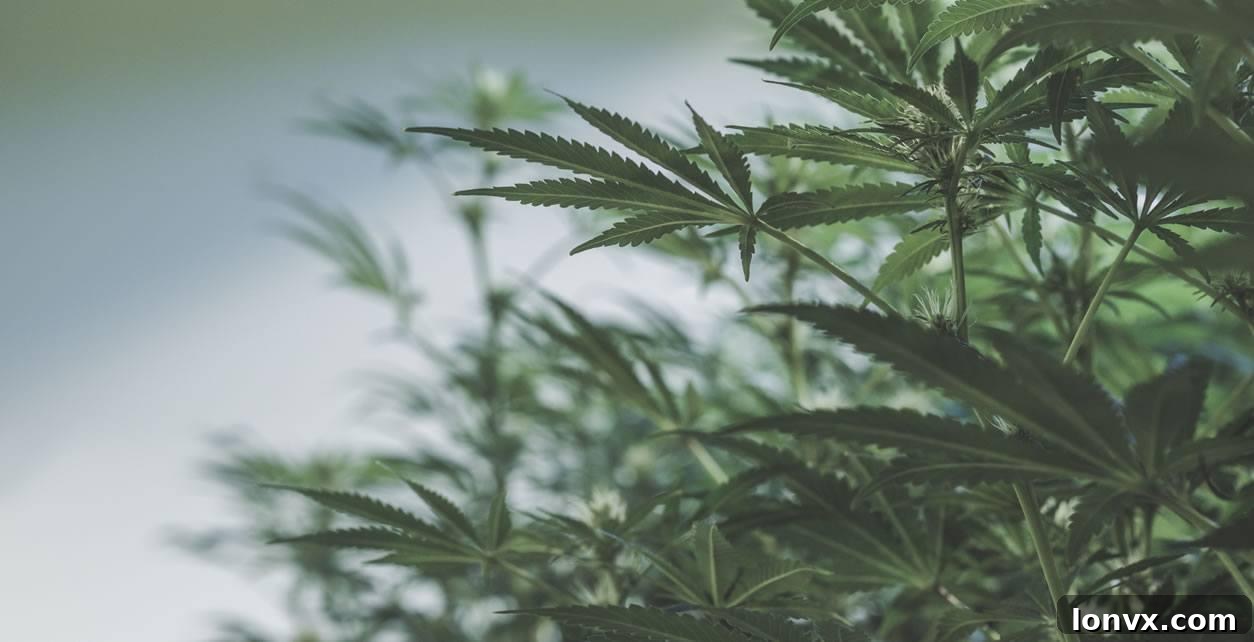
The impending legalization of cannabis in Canada has cast a long shadow of concern over the nation’s real estate sector. Realtors, prospective homebuyers, and current homeowners alike are grappling with the potential ramifications, particularly as the summer deadline for federal legislation draws near. This trepidation is well-founded, with recent public sentiment reflecting significant apprehension. A poll conducted by Nanos Research, commissioned by the Ontario Real Estate Association (OREA), revealed that a substantial 36.1 percent of Ontarians unequivocally oppose the cultivation of any cannabis plants within residential properties. A smaller, yet notable, 7.5 percent expressed comfort with a limit of one plant per household, underscoring a widespread desire for stricter controls than currently proposed. These figures highlight a societal unease about the potential impact of home cannabis cultivation on property safety, value, and community well-being, driving the urgent need for comprehensive regulatory frameworks in the evolving real estate landscape.
In response to these pervasive concerns and to proactively shield Ontario homebuyers from the inherent health and safety hazards associated with purchasing properties previously used as illegal marijuana grow-operations, OREA has introduced a comprehensive five-point Action Plan for Cannabis Legislation. Unveiled during a pivotal press conference at Queen’s Park, OREA President David Reid emphasized the core objective of this initiative: “The key underlying aspect of what we’re doing here is to make buildings safe for homeownership and for homebuyers.” This statement encapsulates OREA’s unwavering commitment to ensuring that the shift in cannabis legislation does not inadvertently compromise the safety, structural integrity, or financial viability of residential properties across the province. The plan seeks to mitigate a wide array of risks, ranging from pervasive mold growth and compromised electrical systems to significant structural damage, all of which are common byproducts of unregulated indoor cannabis cultivation. OREA’s proactive approach is designed not only to protect individual consumers but also to preserve the stability and integrity of the entire real estate market in Ontario.
Presenting the Action Plan for Cannabis Legislation at Queen’s Park, from left: Matthew Thornton, OREA’s VP of public affairs and communications; David Reid, president of OREA; and Larissa Smit, OREA’s manager of policy. They highlighted critical measures to protect homebuyers and the integrity of the real estate market amidst new cannabis regulations.
Navigating the Discrepancy: Federal Mandate vs. Provincial Realities in Cannabis Cultivation
The current federal legislative framework on cannabis permits individuals to cultivate up to four plants inside their private residences. However, this seemingly straightforward provision has encountered significant resistance and divergence at the provincial level. Provinces such as Quebec and Manitoba have already taken definitive steps to prohibit the home-growing of marijuana entirely, citing palpable concerns over public safety, property integrity, and potential impacts on multi-unit dwellings. This provincial autonomy in regulating specific aspects of cannabis consumption and cultivation highlights a complex interplay between federal policy and local realities. While the federal government aims for a standardized approach, provinces retain the jurisdiction to enact stricter regulations, reflecting diverse public opinion and regional challenges related to property management and community safety.
The implications of allowing four cannabis plants, as per federal guidelines, extend far beyond a simple plant count. As incisively articulated by CREA CEO Michael Bourque in a recent op-ed published in the National Post, the federal allowance, while appearing modest, carries considerable potential for large-scale production. Bourque emphasized that there is currently “no regulation on the size or number of crops per year.” This critical oversight means that an individual, with relatively minimal effort and investment in appropriate irrigation and lighting systems, could “easily harvest three or four crops a year.” Depending on the specific strain of cannabis and the cultivation methods employed, such an operation could rapidly expand to “cover a large section of a home,” transforming a residential space into a high-yield agricultural facility. This scenario poses significant risks, not only to the structural integrity of the property through excessive moisture and electrical load but also to the safety and well-being of its occupants and neighbors due to fire hazards and mold proliferation. The absence of specific size limitations for plants further complicates oversight, making it difficult to differentiate between personal use and commercial-scale production within residential settings.
OREA’s Stance on Plant Limits: Protecting Multi-Unit Dwellings and Property Value
Echoing the compelling challenges raised by CREA, OREA’s comprehensive five-point report unequivocally states that “four recreational plants is a lot of weed.” The report goes further, advocating for a critical “reduction in plants for multi-unit dwellings.” OREA recognizes the unique vulnerabilities inherent in shared living spaces, where the actions of one resident can directly impact the health, safety, and property value of many others. The association posits that allowing four plants in apartments, condominiums, or townhouses presents an exponentially greater risk profile compared to detached homes, due to shared ventilation systems, common walls, and the concentrated density of residents. The cumulative impact of high humidity, increased fire risk, and potential mold growth across multiple units can severely degrade indoor air quality and threaten the structural integrity of the entire building, leading to costly repairs and a significant depreciation in property values for all residents.
While acknowledging the unlikelihood of the provincial government outright rejecting the federal edict on the number of plants allowed per home, OREA has put forth a pragmatic and targeted proposal. The association recommends restricting home cultivation to a single plant for residential units smaller than 1,000 square feet. This recommendation is particularly pertinent in densely populated urban centers like the Greater Toronto Area (GTA), where condo units frequently measure as small as 500 to 600 square feet. OREA President David Reid vividly illustrated the potential dangers: “If you have four cannabis plants in there, multiplied by the number of people in that building that are growing those plants, one can imagine the detrimental health and safety impacts it’ll have on everyone else living in that building.” The cumulative effect of multiple growers within a single building can lead to severely elevated humidity, increased risk of mold proliferation, compromised air quality, and heightened strain on building infrastructure, all of which pose direct threats to residents’ health and property values. This scaled approach aims to balance personal freedoms with the collective well-being and property rights of residents in high-density living environments.
Addressing the Hazards: OREA’s Comprehensive Action Plan Pillars for Real Estate Safety
OREA’s Action Plan is meticulously designed to address the multifaceted challenges posed by cannabis cultivation in residential properties. Each recommendation serves as a critical pillar in safeguarding the real estate market and, more importantly, the long-term health and financial well-being of Ontarians.
1. Mandatory Training for Home Inspectors: A Crucial First Line of Defense Against Grow-Op Damage
The fourth recommendation within OREA’s report, “mandatory training for home inspectors,” underscores the severe and often hidden health and safety threats confronting families who reside in, near, or around properties that were formerly used as grow-operations. This risk is amplified for vulnerable populations, including young children, seniors, and individuals with respiratory sensitivities. The report emphasizes that whether an operation involved “four plants or 40, marijuana plants are fussy,” requiring specific environmental conditions that are inherently detrimental to residential structures. The specialized equipment and knowledge needed to cultivate cannabis indoors create an environment ripe for structural degradation and health hazards, often leaving behind substantial damage long after the operation has ceased.
Indoor cultivation and harvesting of cannabis necessitate the creation of environments characterized by unnaturally high humidity levels and elevated temperatures. These conditions are exceptionally conducive to the rapid formation and pervasive spread of known breathing hazards, primarily various types of mold and fungus, including toxic black mold. Beyond the obvious respiratory health risks—ranging from allergies and asthma exacerbation to more severe infections and long-term lung damage—former grow-ops frequently present significant structural compromises and chemical dangers. These can manifest as the production of noxious gases, such as carbon monoxide from improper ventilation, and, in extreme cases, an increased risk of electrical fires or explosions due to tampered electrical systems, overloaded circuits, or improper storage of flammable chemicals and fertilizers. The long-term health implications for residents exposed to these environments are profound, often requiring extensive, costly, and specialized remediation.
To counteract these dangers effectively, OREA’s action plan strongly advocates for rigorous and mandatory training programs for licensed home inspectors. Such specialized training would equip inspectors with the essential knowledge and expertise to accurately identify the tell-tale signs of former illegal marijuana grow-operations. These critical indicators include, but are not limited to: visibly diverted electricity lines (a common tactic to bypass metering and draw excessive, unregulated power); visibly modified or poorly installed ductwork, indicating attempts to manage humidity and odor; pervasive staining around vents, basement floors, or laundry tubs, suggestive of excessive moisture and mold growth; the presence of new or inexplicably altered plumbing, often used for sophisticated irrigation systems; chunks of replaced brickwork or concrete, signifying structural alterations for ventilation or concealment; circular holes in floors or roofs, indicative of exhaust systems; and moisture-inflicted rotting wood, a direct consequence of prolonged high humidity. By empowering inspectors with these critical diagnostic skills, OREA aims to “better protect home buyers in Ontario from unknowingly purchasing a former grow-op and being forced to pay significant amounts of money out of pocket to properly remediate the home.” This measure is vital for consumer protection, maintaining property values, and ensuring the safety of communities.
2. Registration of Former Grow-Ops: Ensuring Transparency and Accountability in Property Transactions
To further enhance the protection of homebuyers and ensure accountability within the real estate market, OREA’s third recommendation, “registration of former grow-ops,” mandates municipalities to register work orders related to these properties on the Ontario land titles system record. This crucial step introduces an unprecedented level of transparency into the property transaction process. By permanently recording a property’s history as a grow-op, potential buyers and their agents will have access to vital information, enabling them to make truly informed decisions and preventing unwitting purchases of hazardous homes. This registration will also guarantee the rigorous enforcement of remediation standards. Properties that have been designated unsafe for habitation due to grow-op activities must undergo comprehensive cleanup, decontamination, and structural repairs supervised by qualified professionals. Only after a former grow-op property successfully passes these stringent remediation standards and is certified safe for re-habitation may it become eligible for removal from the land titles record. This system provides a clear, documented pathway for remediation and ensures that the property is truly safe and structurally sound before it re-enters the market, thereby protecting both consumers and property values.
3. Tackling the Insurance Dilemma: Collaboration for Grow-Op Property Coverage
The financial ramifications of purchasing a former grow-op extend significantly to property insurance, creating a substantial hurdle for many homebuyers. In the past, Realtors have frequently encountered situations where homebuyers were outright refused home insurance, even after their properties had undergone thorough remediation and were brought up to current building code standards. This persistent challenge stems from the fact that, as highlighted in OREA’s report, The Insurance Bureau of Canada classifies marijuana grow-operations as a “high-risk activity.” This designation often leads to inflated premiums, restrictive policies, or outright denial of coverage, leaving homeowners vulnerable to future damages, liabilities, and substantial financial loss. Without adequate insurance, securing a mortgage can also become problematic, further limiting marketability.
To address this critical barrier to homeownership, OREA’s second recommendation in its action plan, “inspect former illegal grow operations,” urgently calls upon the province to forge a collaborative partnership with the insurance industry. The objective is to mandate building inspections by municipal officials on all properties that have been officially designated as unsafe due to former grow-op activities. This standardized and authoritative inspection process, conducted by impartial municipal authorities, would provide insurance providers with credible, verifiable documentation regarding the safety, structural integrity, and successful remediation of properties. Such a measure would “protect future homebuyers from the risks associated with purchasing a former grow-op,” by potentially alleviating the insurance industry’s concerns and making these properties insurable at reasonable rates. This crucial collaboration would restore market viability to these properties, ensuring fair access to home insurance and protecting a significant investment for homeowners.
4. Designating Illegal Grow Operations as Unsafe: A Legislative Imperative for Consumer Protection
Perhaps the most foundational and critical recommendation within OREA’s five-point plan is for the provincial government to take the decisive first step of “designating illegal grow operations as unsafe.” This would necessitate a pivotal amendment to the existing Building Code Act. Such a legislative change would legally blacklist properties identified as former illegal grow-ops, formally classifying them as inherently dangerous and unfit for habitation until certified remediation. Crucially, this amendment would restrict owners of such “drug properties” from selling them to unsuspecting, innocent homebuyers without full disclosure and certified remediation. Matthew Thornton, OREA’s VP of public affairs and communications, articulated the dire consequences this measure aims to prevent: “We’re really concerned that unsuspecting families are going to step into a nightmare scenario whereby they take ownership of a property with a whole bunch of health and safety issues as a result of being the site of a former grow-op.” This legislative clarity would provide a powerful legal framework for consumer protection, market transparency, and act as a strong deterrent against the proliferation of illegal grow operations within residential areas.
The Persistent Shadow of Organized Crime and the Path Forward for Real Estate
Despite the prevailing narrative that the legalization of marijuana will significantly diminish or eliminate organized crime’s involvement in the cannabis trade, law enforcement officials caution against such optimism. The Canadian marijuana industry is an estimated $7 billion market, making it an incredibly lucrative target for illicit activities. RCMP Assistant Commissioner Joanne Crampton, in a September 2017 address to the House of Commons Senate Committee, warned that it would be “naive” to assume that legalization will eradicate organized crime from this sector. Instead, she cautioned that criminal operators are likely to become even more sophisticated, adapting their methods to run clandestine grow-operations in residential areas. These operations often involve enlisting unsuspecting families as “crop sitters,” thereby placing innocent individuals and their communities at heightened risk of violence, exploitation, and property damage. This ongoing threat underscores the necessity of OREA’s proactive measures, as illegal grow-ops will likely persist, and potentially even thrive, in a legalized environment, necessitating vigilant enforcement and robust protective mechanisms for homebuyers.
The bottom line for the real estate market is clear: properties with a history as former grow-operations come laden with significant insurance and financing problems, creating barriers to sale and devaluation that can severely impact homeowners. With the timely release of their comprehensive recommendations, OREA emphatically stresses the urgency of protecting vulnerable homebuyers in the face of these evolving challenges. The association has actively collaborated with MPP Lisa Macleod, who has championed this cause by introducing two private member’s bills addressing these critical issues in the provincial legislature. This consistent advocacy by OREA and its partners aims to bring about meaningful legislative and regulatory changes that will secure the safety and financial interests of Ontarians.
Matthew Thornton further expressed optimism regarding the province’s readiness to tackle these complex issues, stating, “I think now that the province has completed their work on the distribution and sale of cannabis in Ontario, they are ready to turn their attention to these important issues.” This sentiment reflects a critical window of opportunity for the provincial government to implement OREA’s recommendations, ensuring the safety, integrity, and stability of Ontario’s real estate market for all its participants. The effective implementation of these measures will not only safeguard individual homebuyers but also uphold the long-term health and vitality of communities across the province, making informed decisions and ensuring that the promise of homeownership remains secure amidst the changing legal landscape. These collaborative efforts are essential to navigate the complexities introduced by cannabis legalization and maintain public trust in the housing market.