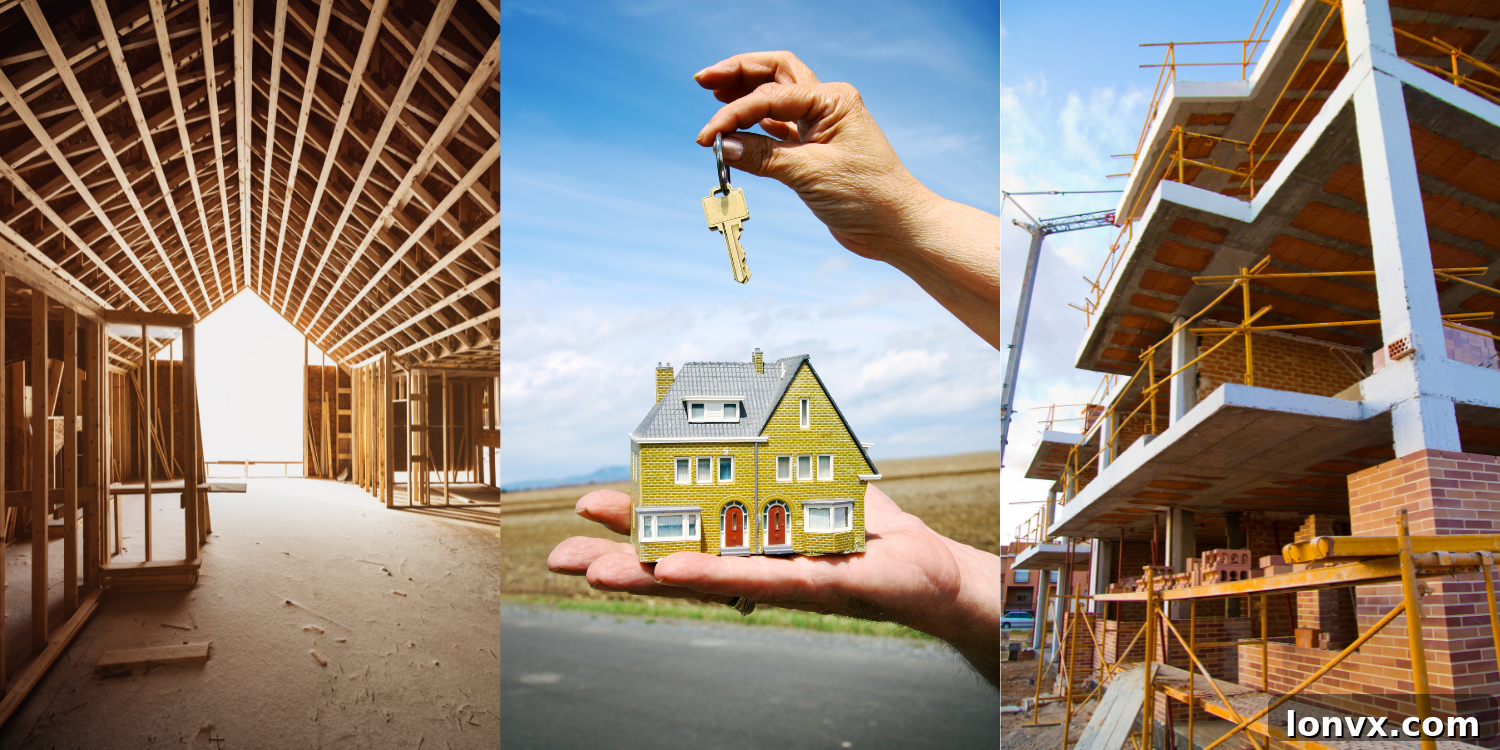
Canada is currently grappling with a severe and escalating housing crisis, a challenge that reverberates across its major urban centers and into smaller, once-affordable communities. The aspirational dream of homeownership, long considered a fundamental pillar of Canadian prosperity and middle-class stability, is increasingly slipping out of reach for a significant and growing portion of the population. Simultaneously, the rental markets are under immense pressure, characterized by soaring prices, stagnant vacancy rates, and a critical scarcity of available units, making stable and affordable housing a distant prospect for countless individuals and families.
In a concerted effort to dissect this pressing national issue and propose viable pathways forward, RBC Economics and Thought Leadership recently unveiled its insightful and comprehensive report, The Great Rebuild: Seven ways to fix Canada’s housing shortage. This pivotal analysis meticulously explores the complex, multi-faceted factors that have converged to create Canada’s current housing predicament and articulates a strategic framework of actionable policy recommendations specifically designed to address and alleviate the crisis head-on.
Unpacking the Gravity of Canada’s Housing Affordability Crisis
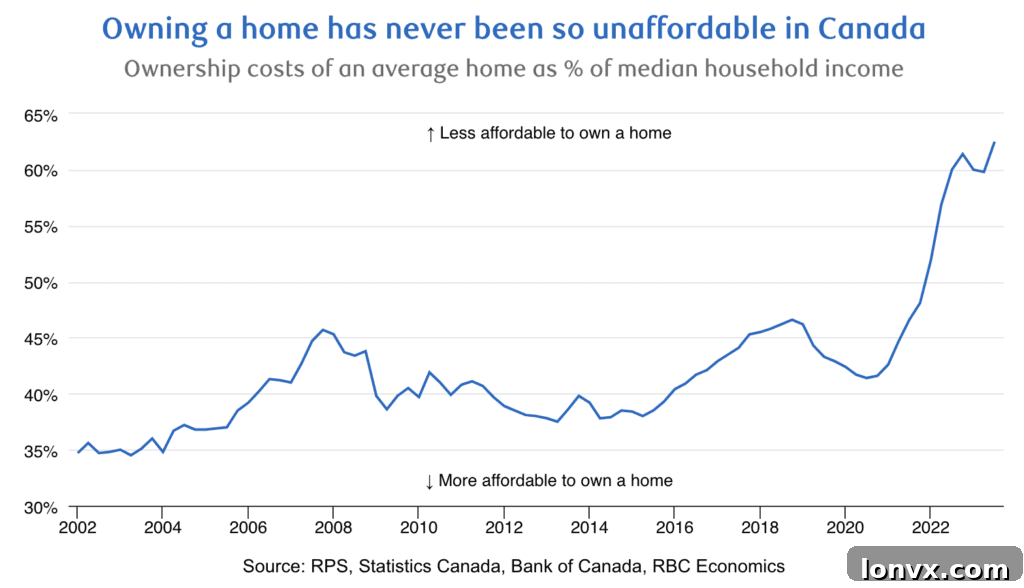
The findings presented within the RBC Economics report paint a stark and sobering picture of the challenges that lie ahead for the Canadian housing market. Their rigorous research indicates that by the year 2030, an alarming one million out of an anticipated 1.9 million new households will find themselves unable to afford a home if the current trajectory of housing affordability trends continues unabated. This projected scenario underscores a looming reality where an entire generation may be systematically locked out of the homeownership market, with profound and far-reaching long-term implications for individual wealth accumulation, intergenerational equity, and overall economic stability.
Crucially, the scope of this crisis extends well beyond the realm of home purchasing. The report further reveals a deeply concerning statistic: over 40 percent of these projected new households will not possess sufficient income to afford even prevailing market rent prices. This substantial segment of the population faces an even more precarious and insecure housing future, highlighting an acute and critical shortage of genuinely affordable rental accommodations spanning the breadth of the country, from bustling metropolitan centers to remote towns.
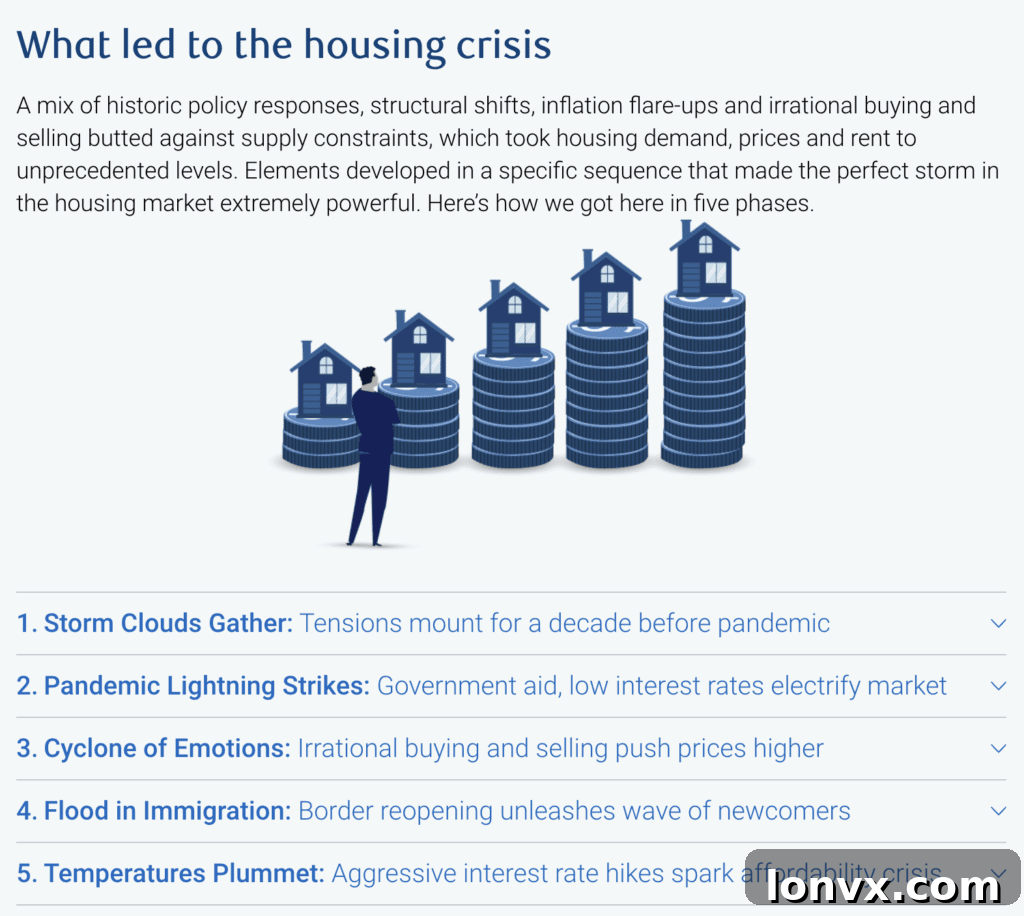
The fundamental underlying cause of this pervasive and widespread affordability challenge, as clearly articulated by Robert Hogue, Assistant Chief Economist at RBC Economics, is unequivocally identified as “a massive undersupply of housing in the face of booming demand.” This pronounced and persistent imbalance between available housing stock and the ever-growing number of prospective buyers and renters has created an intensely competitive seller’s market. This dynamic continuously exerts upward pressure on prices, making entry into both the ownership and rental markets progressively more difficult for first-time buyers, young families, and individuals with moderate incomes.
“Canada urgently needs to significantly grow its housing stock across all segments, with a particular and immediate emphasis on expanding rental and genuinely affordable housing options,” Hogue emphasizes. “This expansion must be executed swiftly and decisively. Addressing this incredibly complex and entrenched challenge will necessitate unprecedented levels of collaboration, coordinated action, and sustained commitment among all levels of government—federal, provincial, and municipal—as well as the entire construction industry, community organizations, non-profit housing providers, and other critical stakeholders across the nation.”
The Dual Challenge: Unpacking Supply and Demand Dynamics
The burgeoning demand for housing in Canada is not a monolithic phenomenon but rather a confluence of several powerful and interconnected factors. Robust population growth, significantly propelled by Canada’s ambitious immigration targets, has led to a continuous and substantial influx of new residents, all of whom require stable and adequate housing. Beyond immigration, shifts in demographic trends and household formation patterns—such as individuals seeking independent living at younger ages or smaller household sizes—further amplify this inherent demand. Historically, periods of exceptionally low interest rates incentivized borrowing and home purchases, contributing to significantly heated market conditions. While interest rates have seen recent increases, the fundamental underlying demand pressure remains exceptionally high, underscoring the severity and persistence of the supply deficit.
The chronic undersupply, conversely, is a direct consequence of long-standing bottlenecks, systemic inefficiencies, and structural impediments deeply embedded within the housing development ecosystem. Protracted and often convoluted approval processes, outdated and overly restrictive zoning bylaws, persistent labor shortages within the vital construction sector, and steadily rising material costs all conspire to severely limit the pace and overall volume of new housing construction. This creates a critical and widening gap between the number of homes desperately needed to accommodate a growing population and the actual number of homes being built and brought to market. Ultimately, this deficit translates directly into inflationary pressures that drive up both purchase prices and rental rates, making housing increasingly inaccessible.
Seven Strategic Pathways to Rectify Canada’s Persistent Housing Shortage
The RBC report, The Great Rebuild, offers a comprehensive and pragmatic set of seven actionable strategies specifically engineered to deliver meaningful and lasting relief to both home prices and rental markets across every region of Canada. These recommendations are designed to tackle the multifaceted crisis from a diverse array of angles, fostering both immediate, short-term improvements and instigating profound, long-term systemic change within the housing sector.
1. Aggressively Expand the Construction Sector’s Labour Pool
Canada’s construction industry is facing a significant and worsening skilled labor shortage, a critical bottleneck that directly impedes the pace and scale of new housing development. The report advocates for a robust, multi-pronged approach to substantially bolster this vital workforce. This includes actively prioritizing the immigration of skilled tradespeople who possess critical expertise, streamlining and standardizing the recognition of foreign credentials to ensure qualified international professionals can enter the Canadian workforce faster and more efficiently, and setting ambitious, measurable targets to significantly increase enrollment in vocational trades programs within Canadian educational institutions. By strategically investing in comprehensive training initiatives, expanding apprenticeship programs, and actively promoting trades careers as attractive and rewarding pathways, Canada can cultivate and strengthen the domestic talent necessary to meet its ambitious housing construction goals. Furthermore, targeted international recruitment strategies for individuals with proven construction experience, coupled with robust integration support, can swiftly augment the existing labor force.
2. Develop and Adopt Innovative Designs, Building Techniques, and Technology
Boosting productivity and efficiency within the construction sector is absolutely paramount for addressing the housing crisis. The report highlights the transformative potential of modern construction methods and technological advancements. This includes a widespread embrace of prefabricated housing, where building components or entire modular units are meticulously constructed off-site in controlled factory settings. This approach leads to significantly faster assembly times, drastically reduced material waste, and often results in higher quality and more consistent building standards. Similarly, the widespread adoption of standardized, pre-approved building designs can dramatically accelerate the permitting process by eliminating the need for repetitive and time-consuming reviews for common housing types. Leveraging cutting-edge construction technologies, such as Building Information Modeling (BIM), advanced robotics, and automation, can further enhance efficiency, improve worker safety, and substantially lower overall project costs, ultimately making housing more affordable to build and, subsequently, more accessible for purchase or rent.
3. Speed Up Housing Project Approvals
Excessive bureaucracy and red tape are frequently identified as major and persistent impediments to timely housing development across Canada. The RBC report calls for a concerted, nationwide effort to fundamentally streamline and accelerate the housing project approval process. This involves rigorously examining and reducing redundant regulatory requirements, which often add unnecessary layers of complexity, cost, and significant delays to projects. Harmonizing building codes, zoning bylaws, and construction standards across different municipalities and provinces can create greater consistency, predictability, and efficiency for developers. Additionally, prioritizing projects that demonstrate faster turnaround times, possess robust financial backing, and have a clear pathway to completion can help unlock immediate housing supply. Digitalizing application submissions, review processes, and permitting systems can also dramatically cut down on administrative delays, fostering a more agile and efficient development environment.
4. Ease Zoning Restrictions
Outdated and overly restrictive zoning bylaws are a primary, systemic driver of the housing shortage, particularly pronounced in Canada’s dense urban areas. Many Canadian cities are characterized by expansive tracts of single-family zoning, which severely limits density, restricts the types of housing that can be built, and inflates land values. The report strongly advocates for easing these restrictions to proactively allow for greater density, such as permitting the construction of duplexes, triplexes, townhouses, and low-rise apartment buildings in areas traditionally reserved exclusively for detached homes. Diversifying the types of houses built, often referred to as “missing middle” housing, makes more productive and efficient use of valuable urban land, offers a much wider range of housing options to meet diverse needs, and can significantly contribute to increasing overall supply and improving affordability. This essential shift necessitates a critical reconsideration and modernization of traditional urban planning philosophies to foster the creation of more inclusive, dynamic, and adaptable communities.
5. Lower the Cost of Building New Housing
The escalating costs associated with new construction directly and profoundly impact housing affordability for consumers. The report proposes several pragmatic strategies to mitigate these spiraling costs, starting with the increased adoption and utilization of more cost-efficient, sustainable, and innovative building materials. Actively exploring new material sciences, investing in local manufacturing capabilities, and optimizing supply chain efficiencies can yield significant cost savings. Furthermore, it recommends modulating government charges, such as development charges, land levies, and permit fees, which can add tens of thousands of dollars to the final cost of a new home. While these charges are crucial for funding essential municipal infrastructure and services, a comprehensive review of their structure, application, and proportionality is necessary to ensure they do not unduly hinder necessary housing development without compromising critical public services. Incentive programs for developers who successfully implement innovative, cost-saving construction techniques could also play a significant role.
6. Change the Housing Supply Mix with Incentives to Build Purpose-Built Apartments
Canada is currently facing a severe and chronic shortage of purpose-built rental housing, a deficit that leads directly to fierce competition, extremely low vacancy rates, and consequently, unsustainably high rents in the existing market. The report proposes robust and targeted incentives to actively stimulate and accelerate the construction of new, dedicated rental buildings. These incentives could include waiving or significantly reducing development charges and property taxes for purpose-built rental projects, thereby making them more financially viable and attractive for developers. Additionally, strategically leveraging publicly owned land for the development of affordable and purpose-built rental housing represents a significant and underutilized opportunity. By forging partnerships with private developers or non-profit housing organizations, governments can ensure that public land assets are utilized to create housing that directly addresses pressing affordability needs, contributing to a more balanced, stable, and accessible rental market for all Canadians.
7. Expand the Housing Stock from Within
Beyond the crucial need for new construction, the report identifies significant untapped opportunities to expand the existing housing supply by optimizing the use of current structures and properties. One key area involves reclaiming units from the burgeoning short-term rental market. By implementing stricter regulations, higher taxation, or caps on properties primarily used for short-term rentals (such as those listed on platforms like Airbnb), cities can encourage these units to return to the long-term rental market, thereby increasing the immediately available housing stock. Another powerful strategy involves making it considerably easier and more financially attractive for homeowners to build secondary suites (e.g., basement apartments, laneway houses, garden suites) on their properties. Simplifying complex permitting processes, reducing associated fees, and offering financial incentives can unlock thousands of potential new rental units. Finally, actively facilitating the conversion of underutilized non-residential buildings (e.g., old office spaces, vacant retail outlets, industrial properties) into residential units can breathe new life into urban cores, add diverse housing options, and enhance density without requiring new land development.
A Collaborative Vision for Canada’s Housing Future
The sheer magnitude and pervasive impact of Canada’s housing crisis unequivocally demand a unified, comprehensive, and sustained response from all sectors of society. John Stackhouse, Senior Vice President in the Office of the CEO at RBC, powerfully underscores this imperative: “We are actively engaging with Canadians from coast to coast – including homeowners, dedicated construction professionals, industry leaders, and policymakers – to diligently safeguard the Canadian dream of homeownership. The innovative solutions and sustained efforts required will undoubtedly need to go significantly beyond what has been undertaken so far. It is our sincere hope that these pragmatic and actionable ideas will contribute profoundly to rebalancing the critical supply and demand dynamics in our housing markets, ensuring that this essential process continues to fuel Canada’s broader economic prosperity and social well-being.”
The strategic pathways and detailed recommendations meticulously outlined in The Great Rebuild report offer a comprehensive and forward-looking blueprint for immediate and long-term action. They emphatically emphasize that while there is no single, magical solution to such a complex national challenge, a synergistic combination of targeted interventions across multiple domains—including labor force development, technological innovation, regulatory reform, urban planning modernization, financial incentives, and optimized utilization of existing assets—can collectively shift the trajectory of Canada’s housing crisis. Ultimate success hinges critically on robust and sustained collaboration, unwavering political will from all levels of government, and a shared, profound commitment to building a future where every Canadian has equitable access to safe, affordable, and appropriate housing that meets their individual and family needs.
For those seeking a deeper dive into these critical insights, detailed analyses, and the full spectrum of recommendations, readers are strongly encouraged to access the complete report directly from RBC Economics and Thought Leadership.
Read the full report here.
Enjoying this article?
Get the latest articles in your inbox three times a week so you stay up to date on the latest insights and developments in the Canadian real estate industry.
Subscribe Now